
Selecting a milk bottle warmer that seamlessly fits your preferred bottle brands is one of the most practical decisions you will make when setting up your nursery. In Singapore, brands like Pigeon, Philips Avent, and Dr. Brown’s are household staples, yet their physical designs vary dramatically. A warmer that works perfectly for a wide-neck Pigeon bottle might fail to heat a tall Dr. Brown’s bottle evenly, or it might not accommodate the broad base of a Philips Avent Natural bottle at all.
To avoid the frustration of wasted purchases, parents must look beyond generic “universal fit” marketing claims. True compatibility depends on the physical dimensions of the heating chamber—specifically its diameter and depth—as well as the heating method used. By understanding how these physical factors interact with different bottle shapes and materials, you can ensure safe, efficient, and consistent feeding routines for your baby. If you ever feel unsure about feeding safety or bottle materials, consult a pediatrician or lactation consultant for professional guidance.
Quick Answer: Matching Warmers to Pigeon, Avent, and Dr. Brown's
When shopping for a milk bottle warmer in Singapore, physical compatibility comes down to a simple matching exercise of widths and heights. Most standard water-bath warmers easily accommodate Philips Avent and Pigeon wide-neck bottles because these bottles feature a shorter, wider profile. However, Dr. Brown’s tall, narrow bottles present a different challenge, requiring warmers with deep internal chambers or open-top configurations to prevent them from tipping over or leaving the upper portion of the milk cold.
Products mentioned in this guide
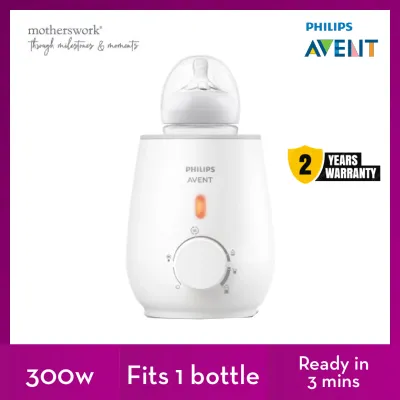
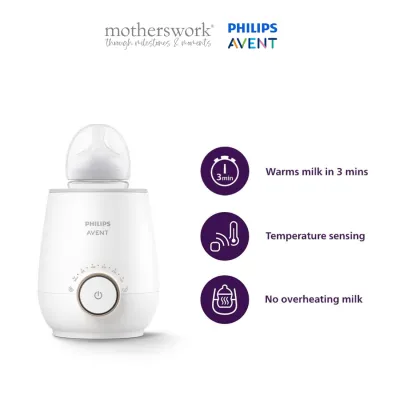
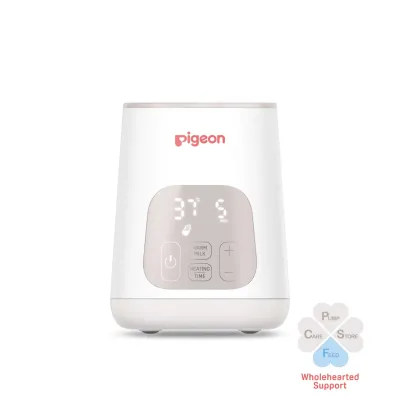
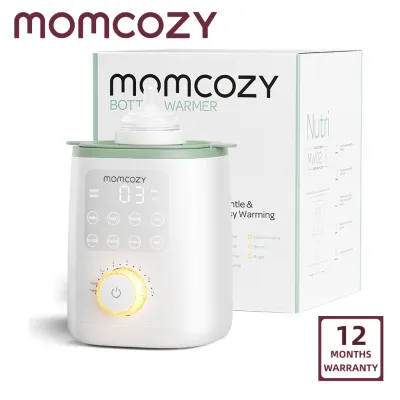
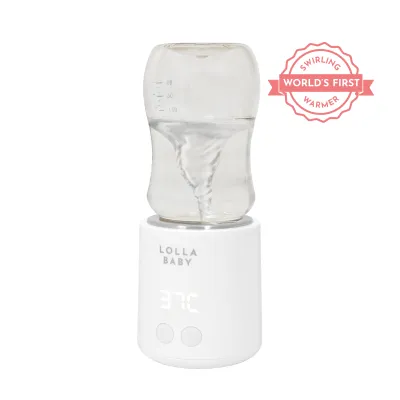
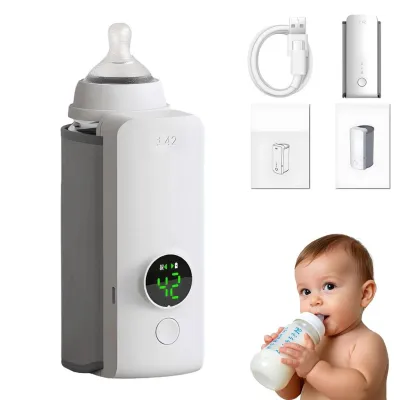
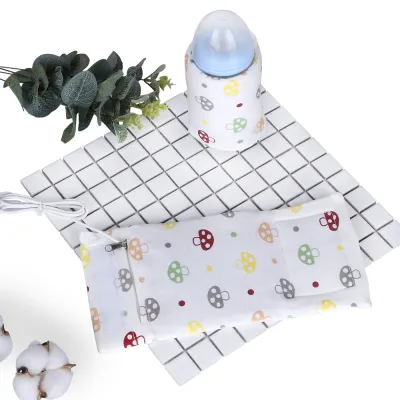
Prices are valid at publication and may change. Please refer to the product page for the latest price.
Physical fit is governed by two primary dimensions: chamber diameter and chamber depth. Wide-neck bottles like the Pigeon SofTouch or Avent Natural require a chamber diameter of at least 75mm to 80mm to slide in and out smoothly without getting stuck. On the other hand, tall bottles, such as the Dr. Brown’s Options+ 8oz (250ml) model, need a chamber depth or an open design that allows the bottle to stand securely while ensuring the water level matches the height of the milk inside.
While many manufacturers label their warmers as “universal,” there is no industry-wide standard for bottle dimensions. Verifying the exact internal dimensions of a warmer’s heating chamber against the height and width of your fully assembled bottles—including the collar and nipple—is the only reliable way to guarantee a proper fit before you buy.
How to Verify Physical Compatibility Before Buying
To ensure your chosen milk bottle warmer functions correctly with your bottle inventory, you must perform a few quick physical measurements. Relying solely on product listings can lead to compatibility issues, especially when dealing with specialty bottle designs.

First, measure the widest part of your bottles. For wide-neck options like the Pigeon SofTouch PPSU or Philips Avent Natural, this is usually the collar or the widest point of the plastic body, which often ranges between 70mm and 78mm. Ensure the warmer’s internal chamber diameter is at least 3mm to 5mm wider than your bottle’s widest point. A tight fit can trap air pockets, leading to uneven heating, or make it difficult to lift a hot bottle out safely after warming.
Second, consider the chamber depth in relation to bottle height. Tall bottles, such as the Dr. Brown’s 8oz (250ml) or 9oz (270ml) narrow-neck models, stand significantly higher than standard wide-neck bottles. If a warmer has a shallow chamber with a fixed lid, you will not be able to close the lid. In water-bath warmers, if the chamber is too shallow, the water may only cover the bottom third of the bottle, leaving the top half of the milk cold. For these tall bottles, look for warmers with an open-top design or an adjustable collar that supports the bottle’s height.
Third, understand how bottle materials interact with heating mechanisms. Bottles in Singapore are commonly made from glass, polypropylene (PP), polyphenylsulfone (PPSU), or silicone. Glass bottles, such as those from Pigeon or Avent, possess excellent thermal conductivity but are highly sensitive to rapid temperature fluctuations. Placing a cold glass bottle directly into a high-heat steam warmer can cause thermal shock, leading to micro-fractures or complete breakage. Conversely, plastic bottles (PP and PPSU) are more resilient to temperature changes but heat up more slowly than glass. Silicone bottles are highly insulated, requiring longer warming times and precise contact with the heating source to warm the milk effectively.
Finally, always account for the bottle’s collar and cap. Some warmers require you to remove the protective cap or even the collar and nipple assembly to fit the bottle inside the chamber. Removing these parts during the heating process increases the risk of contamination and spills. Measuring your bottles fully assembled ensures you select a warmer that accommodates the entire unit, preserving hygiene and convenience during late-night feeds.
Warmer Types and Brand Compatibility Compared
Different milk bottle warmers utilize distinct heating technologies, each with its own structural design. Understanding how these designs accommodate various bottle shapes and materials will help you narrow down the best option for your household.
Water Bath Warmers (Gentle Heating)
Water bath warmers operate by surrounding the bottle with a pool of water that is heated gradually by an internal element. This method mimics the traditional technique of placing a bottle in a bowl of warm water, but with precise temperature control.
The primary benefit of water bath heating is its gentle, even heat distribution. Because water transfers heat more gradually than steam, it virtually eliminates the risk of localized hot spots. This gentle process is highly recommended for warming breast milk, as keeping the temperature below 40°C preserves the delicate immunoglobulins and nutrients essential for your baby’s development.
In terms of physical compatibility, water bath warmers are highly versatile. They generally feature wide, open-top chambers designed to hold a significant volume of water. This open configuration easily accommodates wide-neck bottles like Philips Avent Natural and Pigeon SofTouch. It also handles tall Dr. Brown’s bottles well, as there is no restrictive lid to prevent them from standing upright. Furthermore, because the temperature rise is gradual, water bath warmers are the safest choice for glass bottles, minimizing the risk of thermal shock.
Steam-Based Warmers (Fast Heating)
Steam-based warmers utilize a small reservoir of water that is rapidly vaporized by a high-temperature heating element. The hot steam circulates around the bottle, transferring heat quickly through the bottle walls.
While steam warmers are highly valued by parents for their speed—often warming a bottle in under three minutes—they require careful handling. The intense heat can create hot spots within the milk, making it absolutely necessary to swirl the bottle thoroughly and test the temperature before feeding. Additionally, continuous exposure to high-temperature steam can accelerate the degradation of plastic PP bottles and silicone nipples, causing them to become cloudy or brittle sooner than expected.
Physically, many steam warmers feature enclosed chambers with dome-shaped lids designed to trap the steam. This enclosed design strictly limits the maximum height of the bottle you can use. If you attempt to warm a tall Dr. Brown’s bottle, you may find that the lid cannot close, which prevents the steam from circulating properly and renders the warming cycle ineffective. If you prefer a steam warmer, you must verify that its chamber height accommodates your tallest bottles with their collars attached.
Portable and Travel Warmers
Portable warmers are designed for parents on the go in Singapore, whether navigating shopping malls or traveling. These devices generally fall into two categories: cordless heated sleeves that wrap around the bottle, and direct-connect warmers that screw directly onto the bottle’s neck.
Wrap-around sleeves rely on direct surface contact to transfer heat from a battery-powered element to the bottle. While highly convenient, their efficiency depends on a snug fit. They work exceptionally well with standard-sized plastic Avent and Pigeon bottles, but they may struggle to heat tall Dr. Brown’s bottles evenly. Because the sleeve only covers a portion of a tall bottle, the milk at the top may remain cold while the bottom becomes warm.
Direct-connect portable warmers require you to screw the bottle upside down onto a heating plate. This setup demands a perfect, liquid-tight seal. Because bottle brands use unique thread patterns, you must use specific, brand-compatible adapters. For instance, a Pigeon wide-neck bottle requires a different adapter than a Philips Avent Natural bottle, and narrow-neck Dr. Brown’s bottles require yet another. Using an incorrect or poorly fitted adapter will result in leaks, wasting precious breast milk or formula. Always verify that the portable warmer manufacturer offers certified adapters for your exact bottle models before purchasing.
Key Features to Compare for Daily Feeding
Once you have confirmed physical compatibility, evaluating secondary features will help you choose a warmer that fits seamlessly into your daily routine.
Temperature Control Modern milk bottle warmers offer varying degrees of temperature control. Basic models utilize a manual dial with low, medium, and high settings, requiring parents to time the warming cycle themselves. This can easily lead to accidental overheating if you get distracted. Advanced models feature digital displays with precise temperature sensors and preset modes tailored for breast milk, formula, or different bottle materials. Accurate temperature control is crucial; breast milk should never be heated above 40°C, as high temperatures destroy its beneficial live enzymes and proteins.
Auto Shut-Off and Boil-Dry Protection Safety features are non-negotiable in a busy household. Look for warmers equipped with an automatic shut-off feature that cuts power once the warming cycle is complete. Equally important is boil-dry protection, which automatically turns off the heating element if the water reservoir runs dry. This prevents the appliance from overheating, reducing fire risks and protecting your bottles from melting or warping.
Ease of Cleaning and Descaling Singapore’s tap water is safe and clean, but it contains dissolved minerals that accumulate on heating elements over time, forming a white or chalky scale. This mineral buildup acts as an insulator, making the warmer less efficient, increasing heating times, and causing inaccurate temperature readings. Warmers with wide chambers, flat heating plates, or removable bottle baskets are significantly easier to clean and descale regularly. Avoid models with deep, narrow crevices that are difficult to reach with a cleaning brush.
Multi-Functionality Many contemporary warmers are multi-functional appliances, offering settings for sterilizing pacifiers, defrosting frozen breast milk bags, or keeping a bottle warm for an extended period. While these features add value, consider whether they align with your actual needs. A dedicated, single-purpose warmer is often more straightforward to operate, whereas a multi-functional unit may have a more complex interface that can be challenging to navigate during late-night feedings.
Decision Framework: Choosing the Right Warmer for Your Routine
To finalize your decision, match your bottle inventory and daily routine to the most suitable warmer category.
Choose a deep-chamber water bath warmer if:
- Your primary inventory consists of tall Dr. Brown's bottles (especially the 8oz/250ml size) or glass bottles from Pigeon or Avent.
- You primarily feed your baby breast milk and prioritize gentle, even heating to preserve delicate nutrients.
- You prefer a versatile setup that can accommodate various bottle widths and heights without needing specialized adapters.
Choose a versatile steam warmer if:
- You use standard-height plastic (PP or PPSU) bottles from Philips Avent or Pigeon.
- You prioritize fast heating times to quickly soothe an impatient baby during nighttime feeds.
- Your kitchen counter space is limited, and you prefer a compact appliance with a small footprint.
Choose a portable wrap-around or direct-connect warmer if:
- You travel frequently, commute often, or spend a lot of time outdoors in Singapore.
- You use standard-sized plastic bottles that fit snugly inside a heated sleeve, or you are willing to purchase and carry the correct, certified thread adapters for direct-connect warming.
- You have a reliable way to charge the device or carry spare batteries.
Verify first if:
- You use specialty bottles with complex anti-colic vent systems, such as Dr. Brown's internal green reservoir vents, or ultra-wide silicone bottles. Always consult the warmer's user manual to ensure it explicitly supports these designs without causing pressure buildup, leaks, or material degradation.
Safety Checks and Maintenance for Bottle Warmers
Maintaining your milk bottle warmer ensures accurate temperature delivery and extends the lifespan of the appliance.
Temperature Verification Never rely solely on the temperature displayed on your warmer’s digital screen or the completion signal of a manual dial. Sensors can drift over time, and environmental factors can affect heating efficiency. Before feeding your baby, always perform a manual temperature check. Gently swirl the bottle to distribute the heat evenly, then dispense a few drops of milk onto the inside of your wrist. The milk should feel lukewarm, not hot. If it feels hot, let it cool down before feeding.
Descaling Routine To prevent mineral buildup from affecting your warmer’s performance, establish a regular descaling routine every two to four weeks. A simple, food-safe method involves mixing equal parts white vinegar and water, pouring the solution into the heating chamber, and running a warming cycle. Allow the mixture to sit for 30 minutes to dissolve the scale, then discard the liquid, rinse the chamber thoroughly with clean water, and wipe it dry. Always consult your warmer’s manufacturer instructions for specific descaling guidelines.
Bottle Inspection Regularly inspect your baby bottles for signs of wear and tear, especially if you use a high-heat steam warmer. Check plastic and silicone components for cloudiness, cracks, sticky textures, or warping. Glass bottles should be inspected for hairline fractures or chips. If you detect any physical degradation, stop using the bottle immediately and replace the damaged parts to ensure your baby’s safety during feeding.
Frequently Asked Questions (FAQ)
Can I warm breast milk in the same warmer used for formula?
Yes, you can use the same physical milk bottle warmer for both breast milk and formula. However, you must adjust the settings accordingly. Breast milk contains delicate proteins and immunoglobulins that are easily destroyed by high temperatures. When warming breast milk, always select a gentle, low-temperature water bath setting (ideally below 40°C). Formula is more resilient to heat, but it should still be warmed safely to avoid hot spots that could scald your baby’s mouth.
Do I need to remove the Dr. Brown's vent system before warming?
It is highly recommended to consult both the Dr. Brown’s bottle manual and your warmer’s instruction guide. In general, while the internal green vent tube can often remain inside the bottle during gentle water-bath warming, you should remove the outer travel cap and collar. Leaving the bottle tightly sealed during heating causes the air inside to expand, which can force milk up through the vent tube and lead to significant leaking. Removing the collar also ensures the bottle fits more easily into narrower warmer chambers.
Community discussion
Share your experience or ask a question. Comments are reviewed before publication.