
Finding the ideal bottle warmer in Singapore does not come down to selecting a single brand name. Instead, true safety and long-term durability depend on the specific materials and engineering choices of individual models. Parents must look closely at how a device is constructed to ensure it meets rigorous safety standards.
A safe warmer must utilize food-grade, BPA-free, and BPS-free materials for any component that contacts water, steam, or the baby bottle. The housing must be robustly insulated to isolate electrical components from moisture, which is especially critical in Singapore’s humid tropical environment.
High build quality is characterized by sealed heating elements that resist corrosion, water chambers made of durable materials like high-grade stainless steel or heat-resistant plastics, and sturdy external casings.
Products mentioned in this guide
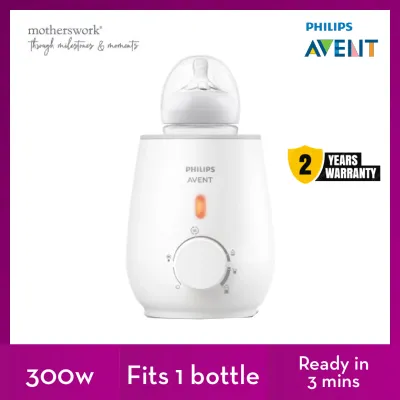
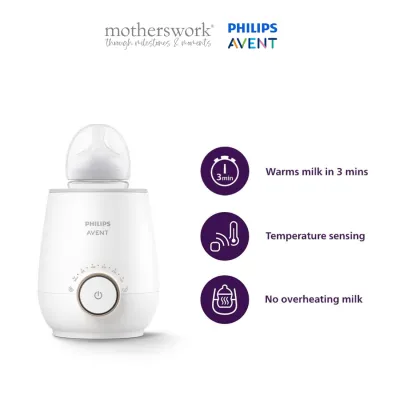
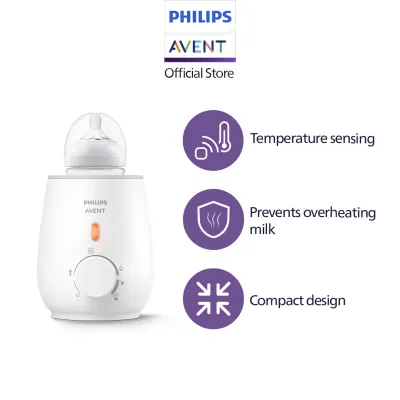
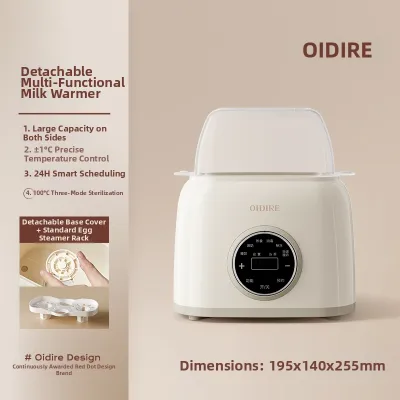
Prices are valid at publication and may change. Please refer to the product page for the latest price.
When shopping locally, whether browsing physical stores or online marketplaces, parents should focus on verifying product specifications, manufacturer certifications, and care instructions rather than relying solely on brand reputation.
Core Criteria for Material Safety and Bottle Warmer Build Quality
Evaluating a warmer requires looking beyond aesthetic design to understand the physical and chemical properties of the materials used. The primary concern is material safety, particularly how plastics and metals behave under constant exposure to heat and moisture.
Food-grade polypropylene (PP) is the standard plastic used in high-quality warmers. It is lightweight, highly resistant to heat, and does not leach harmful chemicals when subjected to typical warming temperatures. However, parents must ensure that all plastic parts are explicitly labeled as free from bisphenol A (BPA), bisphenol S (BPS), and phthalates, as these chemical compounds can disrupt endocrine systems.
Compatibility with different bottle materials is another critical factor. Glass bottles transfer heat rapidly but are susceptible to thermal shock if exposed to sudden, extreme temperature changes. Silicone bottles have low thermal conductivity, requiring a warmer that can sustain a gentle, consistent heat source without warping the bottle’s shape.
Structural durability is largely determined by the quality of internal components. A reinforced power cord with proper strain relief is essential to prevent fraying and short circuits over months of daily use. A stable, non-slip base, typically fitted with silicone or rubber feet, prevents accidental tip-overs that could spill scalding water.
High-quality internal seals are vital for separating the water reservoir from the underlying electrical circuitry. If these seals degrade or are poorly manufactured, water can seep into the electrical housing, causing short circuits, corrosion, or permanent device failure.
The material of the heating chamber itself significantly impacts the device’s lifespan. Stainless steel reservoirs, typically made of 304 or 316-grade steel, offer superior resistance to rust, scaling, and physical wear compared to plastic reservoirs. They are also much easier to clean and descale.
Plastic reservoirs are lighter and more cost-effective but can degrade over time under constant thermal cycling. This degradation can lead to micro-cracks where mineral deposits and bacteria can accumulate, making maintenance more difficult.
Heating uniformity is directly tied to build quality and safety. Poorly constructed heating elements can create localized hot spots in the water bath or steam chamber. These hot spots can unevenly heat the milk, potentially degrading heat-sensitive immunoglobulins and nutrients in breast milk, or creating a burn risk for the infant.
Efficient warmers use advanced heating plates that distribute thermal energy evenly across the bottom of the chamber. This ensures a gradual, uniform rise in temperature, preserving the quality of the milk while keeping the outer housing cool to the touch.
Evaluating Popular Bottle Warmer Brands in Singapore
The Singapore market features several prominent international brands, each offering multiple models ranging from basic analog dials to advanced digital systems. When comparing these brands, look past the marketing terms and evaluate their specific design philosophies, materials, and structural details.

Philips Avent
Philips Avent typically focuses on smart, compact designs with fast-warming capabilities. Many of their models use sensor-controlled water baths to adjust the heating profile based on the volume of the milk and its starting temperature.
These devices commonly utilize BPA-free polypropylene for the outer body and internal chambers, maintaining a lightweight and modern aesthetic that fits easily into compact Singaporean kitchens.
When evaluating these models, look closely at the water chamber design. Verify whether the chamber is open and easy to wipe down, or if it has narrow crevices where mineral deposits can hide. Parents should check the specific temperature control mechanism, as entry-level models may rely on manual timers while premium models feature integrated sensors to prevent overheating.
Ensure that the plastic housing feels rigid and does not flex under light pressure. A solid outer shell indicates better structural integrity and longer service life.
Dr. Brown's
Dr. Brown’s is known for specialized warming systems designed to accommodate their unique venting bottles, alongside standard and wide-neck options. They often feature water reservoirs that feed the heating chamber automatically, reducing the need to refill water for every cycle.
Their models frequently utilize heavy-duty, heat-resistant plastics designed to withstand frequent steam exposure, which is their primary method of heat transfer.
Because some models use a closed reservoir system, check how easy it is to clean and dry this reservoir to prevent mold or bacterial growth in Singapore’s humid climate. Examine the durability of the digital control panel and buttons, ensuring they are sealed against moisture.
Verify that the adapters provided for different bottle sizes fit securely and are made of heat-resistant, food-grade materials that will not warp over repeated use.
Tommee Tippee
Tommee Tippee frequently offers multi-functional units that combine bottle warming with sterilizing or baby food warming. These devices tend to have larger footprints to accommodate wide-neck bottles and baby food jars.
They utilize robust plastics designed for dual-temperature zones, as sterilizing requires higher steam temperatures than gentle milk warming.
If purchasing a multi-functional model, verify the heat-resistance ratings of the internal plastics. The constant transition between gentle warming and steam sterilizing places significant thermal stress on materials, making high-quality polymers essential.
Check the build quality of the lid hinges, locking mechanisms, and baskets. These components should feel sturdy and operate smoothly without catching or showing signs of early wear.
Pigeon
Pigeon focuses on straightforward, compact, and highly intuitive designs that fit easily into smaller nursery spaces or travel bags. They often feature simple analog dials or basic digital interfaces that prioritize ease of use.
Their materials consist of standard food-grade, BPA-free plastics with a focus on simplicity and ease of maintenance, making them highly practical for daily routines.
Examine the quality of the power cord and plug insulation, ensuring they comply with local safety standards. Check the clarity and durability of the water level indicators printed or molded onto the chamber.
Verify that the heating plate at the bottom of the chamber is securely sealed and does not show gaps where water could bypass the seal and reach the electronics.
Essential Safety Features to Verify Before Purchase
Beyond material quality, functional safety mechanisms are essential to protect both the device’s lifespan and the baby’s milk. These features prevent common user errors and mechanical failures.
- Auto Shut-Off and Boil-Dry Protection: This is the single most critical safety feature. If the water in the chamber evaporates completely, the heating element will rapidly spike in temperature. Without boil-dry protection, this can melt the plastic housing, destroy the internal circuitry, or present a serious fire hazard. Auto shut-off ensures the device powers down immediately once the cycle is complete or when water levels run too low.
- Temperature Memory and Precision: A high-quality digital thermostat ensures that the device heats to the exact target temperature and holds it there without overshooting. Overheating not only damages the nutritional value of breast milk but also subjects the bottle and the warmer's own materials to unnecessary thermal stress, accelerating material degradation.
- Visual and Audible Alerts: Clear indicators, such as LED lights that change color or audible beeps, are essential for busy caregivers. They prevent the common scenario of leaving a bottle in the warm water bath for too long, which can lead to bacterial growth in the milk and unnecessary wear on the warmer's heating element.
Before finalizing a purchase, cross-reference these features in the official user manual. Do not rely solely on brief product descriptions on e-commerce platforms.
Decision Framework: Which Brand Fits Your Routine?
To choose the right bottle warmer, align the device’s specifications with your daily feeding routine and bottle preferences.
- Choose a brand with advanced digital temperature control if you primarily warm expressed breast milk and require absolute precision to preserve delicate nutrients. This option is also ideal if you want a set-and-forget routine where the device automatically manages the heating curve based on starting temperature and volume.
- Choose a brand with a larger, rust-resistant water chamber if you have multiple children, warm many bottles throughout the day, or use a variety of bottle materials, including heavy glass. A robust stainless steel chamber will withstand constant heating and frequent descaling much better than lightweight plastic alternatives.
- Choose a brand with specialized adapters if you use a specific brand of bottles, such as wide-neck, angled, or unique anti-colic designs, and want to ensure the bottle sits at the perfect height relative to the heating element. Proper alignment ensures even heat distribution and prevents the bottle from tipping or coming into direct contact with the heating plate.
- Verify first if you plan to transition to warming baby food jars or reusable silicone food pouches later. Ensure the warmer's chamber dimensions, basket design, and heat settings are explicitly rated by the manufacturer for these materials to avoid melting containers or unevenly heating food.
Frequently Asked Questions (FAQ)
Can I use tap water in my bottle warmer, or does it damage the build?
While tap water in Singapore is safe and clean, it still contains naturally occurring dissolved minerals. When heated, these minerals precipitate and form limescale deposits on the heating plate. Over time, this scale buildup acts as a thermal barrier, forcing the heating element to work harder and run hotter to achieve the same water temperature. This not only increases energy consumption but can also lead to premature failure of the heating element or degradation of the surrounding plastic seals. To maximize the lifespan and efficiency of your warmer, manufacturers often recommend using distilled, demineralized, or filtered water.
How do I descale the heating chamber without degrading the materials?
To safely remove limescale without damaging the food-grade plastics, silicone seals, or stainless steel plates, use a gentle descaling solution. A common, low-risk method is mixing equal parts white vinegar and water, pouring it into the chamber, and letting it sit or running a warming cycle, depending on the manufacturer’s instructions. Avoid using harsh chemical descalers, bleach, or abrasive scrubbing pads, as these can scratch the surfaces, create micro-grooves where bacteria can breed, and degrade the integrity of internal seals. Always consult your specific model’s user manual for the approved cleaning and descaling protocol before proceeding.
Community discussion
Share your experience or ask a question. Comments are reviewed before publication.