
Finding the right bottle storage box is a common challenge for parents navigating the diverse world of baby feeding gear. The ideal storage solution depends entirely on the base geometry of your bottles—such as the wide, square-ish base of Hegen versus the standard cylindrical shape of Pigeon—and the flexibility of the container’s internal dividers. To avoid wasted space, wedging, or surface scratches, caregivers should prioritize storage boxes with adjustable partitions, open-concept layouts, or verified internal clearances that accommodate the widest point of their specific bottle collection. Selecting a design that matches your inventory ensures that your feeding equipment remains organized, hygienic, and easily accessible during busy feeding times.
Understanding Bottle Base Shapes and Space Requirements
Baby bottles are no longer uniform in shape, and this evolution in design directly impacts how they fit into standard storage systems. The Hegen bottle system, for instance, features a unique square-round base profile that is significantly wider than traditional options. This square-ish footprint requires a flat, open surface or a specifically sized square compartment to sit securely without tilting. In contrast, standard round brands like Pigeon utilize a classic cylindrical base that fits neatly into conventional circular slots or narrower rows.
When you attempt to place a square-ish bottle into a storage box designed with fixed circular dividers, several practical issues arise. The corners of the square base often catch on the curved edges of the slots, leading to wedging. This tight fit makes it difficult to remove the bottle quickly with one hand while holding a baby. Furthermore, forcing a non-round bottle into a restrictive circular slot can cause surface scratching on the plastic or glass, which eventually degrades the bottle’s clarity and makes it harder to read the measurement markings.
Products mentioned in this guide
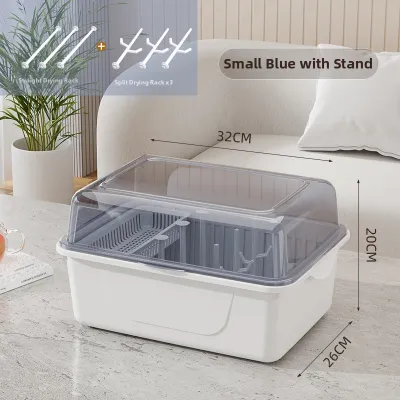
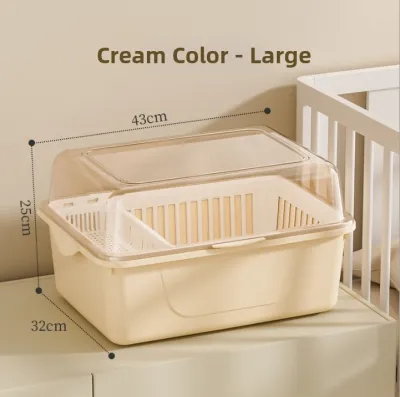
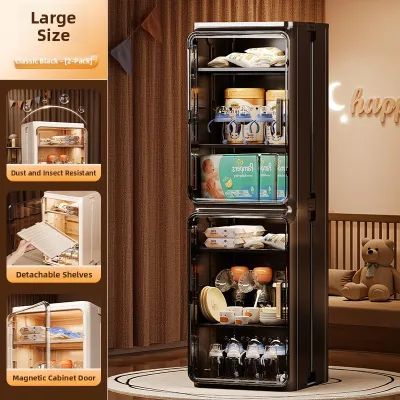
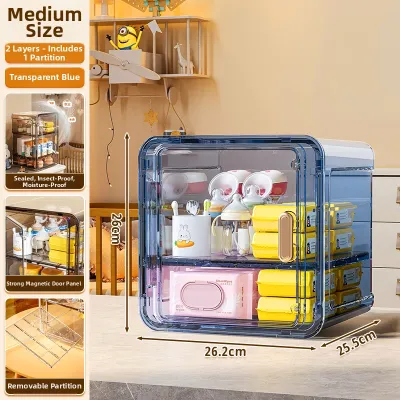
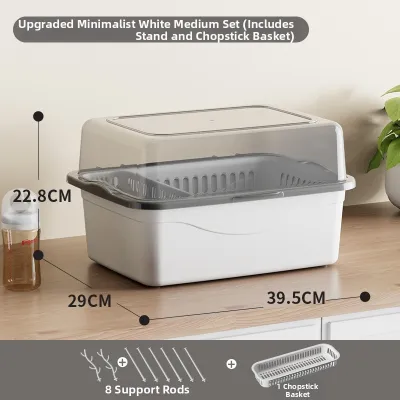
Prices are valid at publication and may change. Please refer to the product page for the latest price.
To prevent these issues, caregivers must measure the widest point of their bottles before purchasing a storage box. This measurement should not just cover the bottle’s body; it must include any attached accessories such as handles, wide-neck collars, anti-colic vents, or uniquely shaped lids. For example, a bottle with training handles or an angled collar will require significantly more lateral clearance than a bare cylindrical bottle. Taking these measurements ensures you select a box with internal compartments that offer a few millimeters of extra clearance on all sides, preventing friction and allowing for smooth, one-handed retrieval.
Essential Design Features for Mixed Bottle Collections
If your household uses a mix of bottle brands, a storage box with fixed, molded slots can quickly become a source of frustration. Fixed slots dictate exactly where each bottle must stand, leaving little room for wider or non-standard shapes. Instead, look for storage boxes that feature adjustable or removable dividers. These modular systems allow you to customize the grid layout, creating larger square spaces for wide-neck bottles and narrower rows for standard cylindrical ones. As your baby grows and transitions to different bottle sizes or straw cups, a modular box can be reconfigured to accommodate taller or wider vessels, extending the product’s useful lifespan.

Another critical design consideration is the choice between open-concept bins and enclosed, dust-proof cases. Open-concept bins offer excellent visibility and immediate access, making them ideal for high-turnover items that are washed and used multiple times a day. However, they do not protect against airborne dust or kitchen grease. Enclosed cases, which typically feature a clear flip-top lid, provide a sealed environment that keeps sterilized items clean. When choosing an enclosed case, you must verify the internal height clearance. Taller bottles, especially when fitted with travel caps or specialized nipples, require a taller dome lid to close completely without pressing down on the nipples, which could cause deformation or leaks.
Proper drainage and ventilation are equally vital to maintaining a hygienic storage environment. When bottles are placed in a closed container while still damp, trapped moisture creates a breeding ground for bacteria and mold. High-quality storage boxes often incorporate a removable drainage tray with a raised grid. This design allows excess water to drip away from the bottles and collect in a lower reservoir, keeping the feeding surfaces dry. Additionally, look for boxes with ventilation slots or adjustable vents on the lid to facilitate airflow, ensuring that any residual moisture evaporates quickly.
Choosing the Right Box Type for Your Bottle Inventory
Selecting the perfect storage box requires analyzing your daily feeding routine and the specific mix of bottles you own. If you maintain a diverse collection that includes both Hegen and Pigeon bottles, a modular or adjustable grid box is generally the most practical choice. These boxes allow you to partition the space dynamically, dedicating one side to the wider square bases and the other to the slimmer round bottles. This prevents the smaller bottles from tipping over while ensuring the larger ones are not squeezed too tightly. It also gives you the flexibility to phase out certain bottle types as your child’s feeding preferences evolve.
For families who prioritize rapid rotation and quick access, open-top caddies or baskets are highly effective. These caddies are particularly useful when placed next to the sink or prep station, allowing you to grab dry bottles instantly during late-night feedings. Because they lack a lid, open-top designs naturally promote active air-drying, reducing the risk of moisture retention. However, because they offer no protection against dust, they are best suited for bottles that are used, washed, and sanitized within a 24-hour cycle rather than for long-term storage.
If your goal is to store pre-sterilized bottles for extended periods, an enclosed, stackable container is the superior option. These containers protect your clean feeding gear from household dust, pet hair, and kitchen splatters. When evaluating enclosed options, ensure the internal height is sufficient to accommodate your tallest bottle assembly. For instance, a Hegen bottle fitted with its storage lid or drinking spout can be taller than a standard bottle, requiring a container with generous vertical clearance. Stackable designs also help save valuable counter space in smaller kitchens, allowing you to organize clean components vertically.
Verifying Fit, Clearance, and Material Safety
Before purchasing any bottle storage box, it is essential to perform a physical compatibility check. Do not rely solely on generic product descriptions that claim to fit “all major brands.” Instead, locate the manufacturer’s stated internal dimensions—specifically the height, width, and depth of the usable storage area. Compare these figures against the dimensions of your largest assembled bottle. Remember to account for the extra height added by travel caps or specialized nipples, as well as the width of any external handles or anti-colic valves.
Material safety is another paramount consideration when selecting storage solutions for baby items. The interior surfaces of the box should be smooth and free of sharp plastic seams that could scratch your bottles. Scratches on plastic bottles can harbor bacteria and make thorough cleaning difficult. Ensure the storage box is made from food-safe, BPA-free materials that do not emit strong chemical odors. If you plan to wash the storage box in a dishwasher or sanitize it with hot water, verify the manufacturer’s temperature limits to prevent warping or structural degradation.
Finally, assess how the box handles moisture. If you intend to transfer bottles directly from a sterilizer or drying rack into the storage box, the design must support adequate airflow. Check if the box features a dedicated drainage tray that keeps the bottle rims elevated above any pooled water. If the manufacturer specifies that bottles must be completely dry before storage, ensure you have a reliable drying process in place. Storing damp items in a sealed, unventilated box can quickly lead to mold growth, compromising the hygiene of your baby’s feeding equipment.
Maintaining a Hygienic Storage Environment
Even the most advanced storage box requires regular maintenance to remain a safe environment for baby bottles. Establish a routine cleaning schedule, wiping down the interior surfaces of the box at least once a week with warm, soapy water. If the box features a removable drainage tray, empty the collected water daily to prevent stagnant pooling. Allow all components of the storage box to dry completely before reassembling them and placing clean bottles inside.
Regularly inspect the storage box for signs of wear and environmental contamination. Look closely at the corners, joints, and drainage holes for any pink or black spots, which indicate mold or mildew growth. If you detect mold, disassemble the box immediately and wash it thoroughly with a baby-safe sanitizing solution. Pay attention to the condition of the plastic; if the interior surfaces become deeply scratched, cloudy, or warped from heat exposure, it is time to replace the container. Damaged plastic is harder to sanitize and can shed microparticles over time.
Caregivers should also monitor the physical integrity of the bottles themselves. If a bottle becomes heavily scratched from friction against a poorly fitting storage divider, stop using it and consult the manufacturer’s guidelines for replacement. By maintaining a clean, well-ventilated storage box and verifying the fit of your bottles regularly, you can ensure a hygienic feeding routine that supports your baby’s health and development.
Frequently Asked Questions (FAQ)
Can I store Hegen and Pigeon bottles together in the same container?
Yes, you can store Hegen and Pigeon bottles together, provided the storage container features a flexible or open-concept layout. Because Hegen bottles have a wide, square-ish base and Pigeon bottles have a standard round shape, a container with fixed circular slots will not work well. Instead, opt for a box with removable dividers or an open floor design. This allows you to place the wider Hegen bottles side-by-side without crowding, while utilizing the remaining space for the slimmer Pigeon bottles. Ensuring there is adequate clearance between the different shapes prevents them from scratching against each other and makes daily retrieval much easier.
Do I need a dedicated drying rack if my storage box has a drainage tray?
While some storage boxes feature built-in drainage trays, they are generally designed for passive moisture collection rather than active air-drying. A dedicated drying rack typically offers open pegs and maximum airflow, which is essential for drying complex bottle parts, nipples, and collars quickly. If you place wet, freshly washed bottles directly into an enclosed storage box with a drainage tray, the lack of airflow can trap humidity, leading to mold growth and musty odors. For the best hygiene, use a dedicated drying rack in a well-ventilated area first, and transfer the fully dry bottles to an enclosed storage box for long-term dust protection.

Community discussion
Share your experience or ask a question. Comments are reviewed before publication.