
Quick Answer: Matching Cleaner to Bottle Material
No single bottle cleaner liquid is universally best for every baby bottle. The ideal choice depends entirely on the bottle’s material—whether glass, silicone, or plastic—and the specific residues, such as stubborn milk fats and proteins, you need to clear.
As a general rule, enzyme-based or plant-based cleaners are highly recommended for plastic and silicone bottles to prevent material degradation and odor absorption. For glass bottles, standard or specialized non-abrasive baby cleaners work exceptionally well because glass is highly durable and non-porous.
Before purchasing any bottle cleaner liquid, always check the manufacturer’s labels for material compatibility and safety certifications. Ensuring the liquid matches your specific bottle type is the most reliable way to maintain hygiene.
Products mentioned in this guide
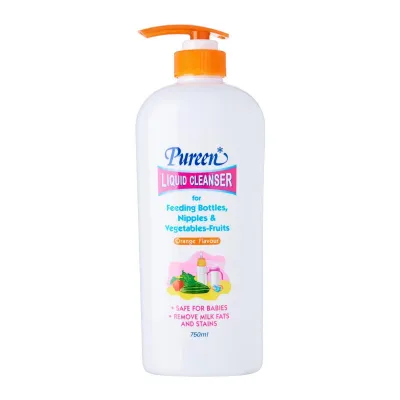
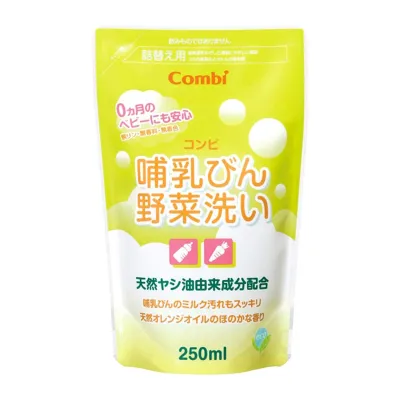
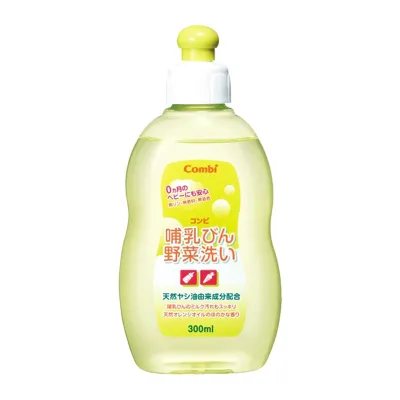
Prices are valid at publication and may change. Please refer to the product page for the latest price.
Material-Specific Cleaning Needs
Different baby bottle materials react uniquely to cleaning agents due to variations in porosity, heat resistance, and chemical sensitivity. Using an incompatible bottle cleaner liquid can lead to micro-scratches, persistent cloudiness, or accelerated material breakdown over time.

Glass Baby Bottles
Glass baby bottles are highly favored for their non-porous surface and excellent resistance to high temperatures during sterilization. Because glass does not absorb odors, milk fats, or chemical residues, it is highly versatile and compatible with a wide range of bottle cleaner liquid formulations.
However, the primary concern when cleaning glass is avoiding abrasive cleaners or harsh scrubbing tools. Coarse brushes or abrasive chemical particles can create micro-fractures or weaken the glass structure over time, increasing the risk of breakage during thermal shock.
When selecting a cleaner, verify that the liquid is formulated to rinse away cleanly without requiring aggressive scrubbing. Always check the manufacturer’s guidelines to ensure the cleaner is safe for the specific type of glass used in your bottles.
Silicone Baby Bottles
Silicone baby bottles and nipples offer a soft, natural feel but require specialized care due to their unique material properties. Silicone is semi-porous, meaning it easily absorbs milk fats, proteins, and strong odors if not cleaned promptly and thoroughly with the right bottle cleaner liquid.
Using harsh chemical detergents or high-pH cleaners can degrade the silicone surface over time. This degradation often manifests as a sticky texture, persistent cloudiness, or a lingering soapy taste that can cause babies to reject the bottle.
To maintain the integrity of silicone components, opt for mild, plant-based, or specialized silicone-safe liquids. These formulas are designed to lift stubborn milk residues gently without stripping or breaking down the flexible silicone structure.
Plastic Baby Bottles
Plastic baby bottles, typically made of PP, PPSU, or PES, are lightweight and shatterproof, making them popular for daily use. However, plastic is highly susceptible to micro-scratches from abrasive cleaning agents and stiff brushes. These tiny scratches can easily harbor bacteria and milk proteins, making proper hygiene difficult to maintain.
To protect plastic bottles, look for gentle, non-toxic, and preferably enzyme-based bottle cleaner liquids. Enzymes are highly effective at breaking down complex milk proteins and fats at a molecular level, reducing the need for vigorous scrubbing that could damage the plastic.
Always verify the specific plastic type of your bottle against the safety guidelines of the bottle cleaner liquid. Some plastics are more sensitive to certain chemical surfactants, so checking the manufacturer’s compatibility chart is essential.
Key Dimensions to Compare Bottle Cleaner Liquids
Choosing the right bottle cleaner liquid requires looking beyond attractive packaging and marketing claims. To make an informed decision, parents should evaluate products based on several critical performance and safety dimensions.
- Ingredients and Formulation: The chemical makeup of the cleaner is the most critical factor. Plant-based cleaners utilize surfactants derived from natural sources like coconut or corn, which are generally gentler on materials and skin. Enzyme-based cleaners contain specific proteins, such as amylase and protease, that target and break down organic milk residues. Traditional surfactant cleaners may offer strong degreasing power but often contain harsh sulfates, parabens, synthetic dyes, and artificial fragrances that require extensive rinsing to remove completely.
- Rinsability and Residue: A high-quality bottle cleaner liquid must rinse away effortlessly. Formulas that produce excessive foam or contain heavy synthetic thickeners can leave a thin chemical film on the inner walls of the bottle. This residue can mix with subsequent milk feeds, potentially irritating an infant's sensitive digestive system. Look for low-foam or easy-rinse formulas that leave zero soapy scent or film after a simple rinse.
- Material Compatibility: Not all cleaners are safe for all materials. Some heavy-duty degreasers can cause plastic to turn brittle or silicone to become sticky. Read the product label carefully to ensure the liquid is explicitly tested or approved for use on glass, silicone, and the specific plastics used in your feeding gear.
- Certifications and Safety Standards: Because these liquids clean items that go directly into an infant's mouth, safety certifications are paramount. Rather than relying on self-declared marketing terms like "baby-safe" or "natural," look for recognized independent certifications on the packaging. These may include food-contact safety standards, dermatological testing labels, or biodegradable certifications. Always verify these claims on the manufacturer's official website.
Decision Framework: Which Cleaner Should You Choose?
To simplify your purchasing decision, match your primary bottle material and cleaning challenges to the most suitable liquid formulation.
- Choose an enzyme-based cleaner if: Your feeding setup consists primarily of plastic bottles and you frequently deal with dried-on breast milk or formula residue. The enzymes will dissolve the stubborn protein film without requiring harsh scrubbing, preserving the smooth inner surface of the plastic and extending the bottle's lifespan.
- Choose a plant-based, mild surfactant cleaner if: You use silicone bottles, silicone breast pump parts, or silicone nipples. These gentle formulas effectively cut through the greasy film left by milk fats without absorbing into the semi-porous silicone material, preventing odors and keeping the silicone supple and clear.
- Choose a standard, non-abrasive baby cleaner if: You rely on glass bottles for daily feeding. Since glass is highly durable and non-porous, a versatile, cost-effective, standard baby-safe liquid will easily wash away residues. This option provides an economical solution for families using glass as their primary material.
- Verify first if: You are using specialized, smart, or mixed-material bottles, such as bottles with integrated temperature sensors, anti-colic venting valves, or metal components. Ensure the bottle cleaner liquid is safe for all exposed parts, and always consult the manufacturer's specific care instructions to avoid damaging sensitive components.
Safe Washing and Maintenance Practices
Even the highest-quality bottle cleaner liquid requires proper application to ensure complete hygiene and safety. Always follow the manufacturer’s instructions regarding dilution ratios and soaking times. Using too much concentrated liquid does not guarantee cleaner bottles; instead, it makes rinsing more difficult and increases the risk of leaving chemical residues.
When washing, pair your cleaner with an appropriate, non-scratching bottle brush. Soft silicone brushes or high-density sponge brushes are ideal for plastic and silicone bottles, as they clean effectively without creating micro-scratches. For glass bottles, a firm nylon brush can be used, but care must still be taken to avoid striking the glass forcefully.
After washing, rinse all components thoroughly under clean, running water. Once rinsed, place the bottles, collars, and nipples on a clean drying rack in a well-ventilated area. Allow them to air-dry completely before assembly or storage, as lingering moisture can encourage bacterial growth, especially in warm, humid climates.
Regularly inspect your baby bottles for signs of wear. If you notice deep scratches, persistent cloudiness, a sticky texture, or cracks, stop using the bottle immediately. These physical changes indicate material degradation, which can harbor bacteria or lead to structural failure. Consult the manufacturer’s guidelines or replace the bottle promptly to ensure your baby’s safety.
Frequently Asked Questions (FAQ)
Can I use regular dish soap instead of a dedicated bottle cleaner liquid?
While regular dish soap is highly effective for family dishes, it is generally not recommended for baby bottles. Standard dishwashing liquids are formulated with strong degreasers, synthetic surfactants, artificial fragrances, and dyes designed to strip heavy grease from ceramic and metal. These harsh chemicals can easily linger on plastic and silicone baby bottles, leaving a soapy residue or scent that can alter the taste of milk and irritate an infant’s sensitive stomach. Dedicated bottle cleaner liquids are specifically formulated to target milk proteins and fats using milder, food-grade ingredients that rinse away much more cleanly, ensuring a safer feeding experience.
How do I remove cloudy buildup or milk stains from plastic and silicone bottles?
Cloudiness in plastic bottles is often caused by micro-scratches or mineral deposits from hard water, while silicone bottles typically develop a cloudy, milky film from accumulated milk fat residues. To address this, first check the bottle manufacturer’s care instructions for approved deep-cleaning methods. Avoid using abrasive scrubbers, steel wool, or unverified home remedies like harsh vinegar or baking soda mixtures unless explicitly permitted by the manufacturer, as these can permanently damage the material. If a specialized, gentle soaking with your bottle cleaner liquid does not resolve the cloudiness, or if the material feels sticky or rough, it is best to replace the bottle or nipple to maintain proper hygiene.
Community discussion
Share your experience or ask a question. Comments are reviewed before publication.