
Quick Answer: Which Nursing Pillow Should You Choose?
Selecting the ideal nursing pillow is a personal decision that directly impacts your physical recovery and feeding success. The right choice depends on your body shape, preferred feeding positions, and the level of structural support you require.
The Boppy nursing pillow is celebrated for its soft, plush, and highly versatile C-shaped design. It slides easily around your waist without straps or buckles, making it quick to position and highly adaptable for multiple purposes, such as supervised baby propping as your child grows.
In contrast, My Brest Friend features a structured, wrap-around design with a firm, flat foam platform. It includes an adjustable strap with a silent-release buckle and a built-in lumbar backrest, providing robust ergonomic support that prevents the baby from shifting or sinking.
Products mentioned in this guide
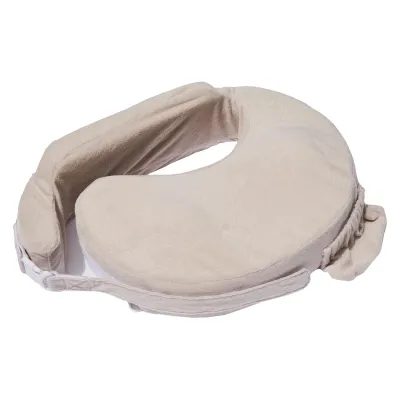
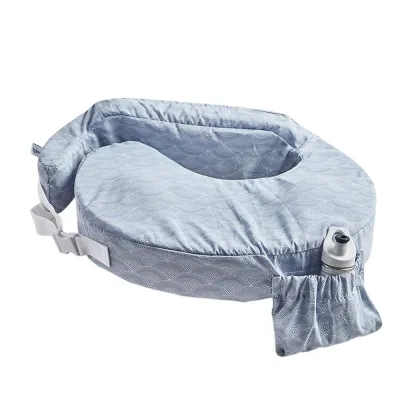
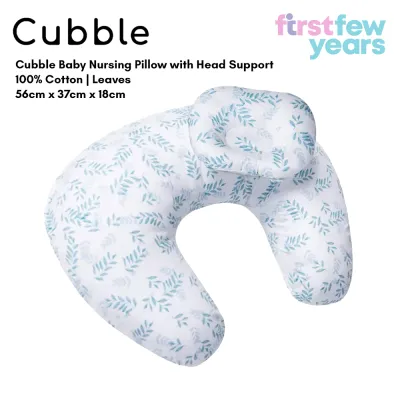
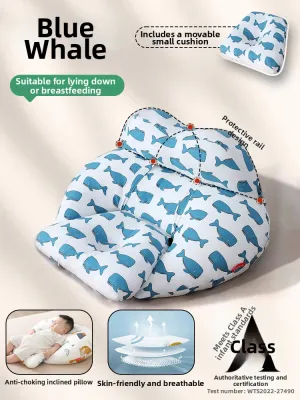
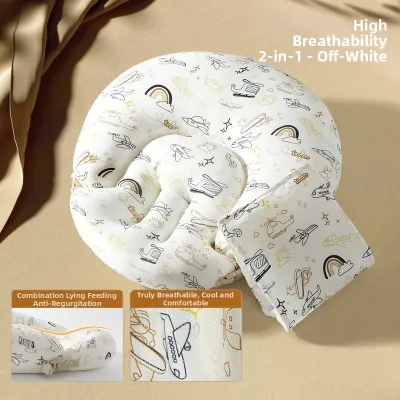
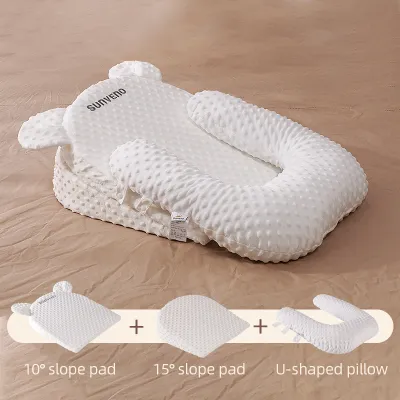
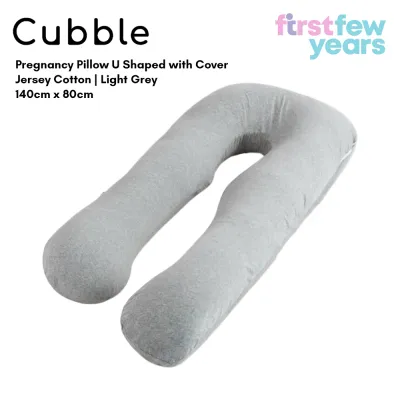
Prices are valid at publication and may change. Please refer to the product page for the latest price.
Because both brands offer several models with varying materials, it is essential to review specific product labels and instructions to verify the exact firmness, dimensions, and fabric options before making your purchase.
Boppy vs. My Brest Friend: Key Comparison Dimensions
Evaluating a nursing pillow requires looking beyond simple aesthetics or color patterns to understand how its physical design affects your daily routine. Feeding a newborn is a frequent, round-the-clock task, meaning that minor differences in support, firmness, and ease of cleaning can significantly influence your comfort and posture.

To help you navigate this choice, we will break down the comparison into three critical dimensions: material comfort and firmness, ergonomic alignment for different feeding postures, and the practicalities of daily adjustability and maintenance. Considering these factors within your personal living environment—such as navigating Singapore’s warm climate—will guide you toward the most comfortable option for your family.
Comfort, Firmness, and Material Feel
The physical density of a nursing pillow plays a pivotal role in how well it supports your baby and relieves tension in your arms, shoulders, and neck. A pillow that is too soft may allow the baby’s weight to pull the cushion downward, forcing you to hunch forward to maintain a proper latch. Conversely, an excessively rigid surface might feel less cozy for a newborn who prefers a cradled sensation.
Standard Boppy pillows are typically filled with polyester fiber, giving them a classic, pillow-like softness that many parents find comforting. This plush texture is highly accommodating for relaxed bottle-feeding sessions or casual lounging, as the pillow naturally contours to the shape of your body and the baby. However, because fiberfill compresses under weight, you may find yourself lifting your arms or using extra cushions underneath to keep the baby at the optimal height as they grow heavier.
My Brest Friend takes a fundamentally different approach by utilizing high-density foam to create a flat, firm, and stable platform. This firm surface acts as a secure shelf, preventing the baby from rolling inward toward your body or sliding into the gap between the pillow and your abdomen. By keeping the baby level and elevated, this design minimizes the physical effort required to support their weight, which can significantly reduce muscle fatigue during long feeding sessions.
Both brands offer alternative materials, including organic cotton covers, travel-friendly inflatable options, and luxury versions with memory foam. Always verify the specific model’s specifications to ensure it matches your preferences.
In Singapore’s warm, humid climate, material breathability is a critical comfort factor. Heat retention can cause both you and your baby to perspire, potentially leading to skin irritation. Choosing a pillow with a breathable, moisture-wicking slipcover—such as cotton or bamboo blends—is highly recommended. Ensure the cover is easy to remove for frequent washing to manage sweat and spills.
Ergonomic Support and Feeding Posture
Your physical posture during feeding sessions directly impacts your spinal health and postpartum recovery. A poorly positioned pillow can exacerbate lower back pain, strain shoulders, and lead to wrist fatigue. Understanding how each brand’s shape interacts with your body is key to preventing these discomforts.
The C-shape Boppy pillow is open at the back, allowing it to slip quickly around your waist. While highly adaptable to various body types, it lacks built-in back support. You will likely need to sit in a supportive chair or place standard pillows behind your lower back to maintain an upright posture. Because the C-shape relies on tension, it can occasionally shift forward, creating a gap where the baby might slide.
My Brest Friend features a wrap-around design with a built-in lumbar backrest. This structure helps prevent slouching by encouraging you to sit back. The pillow secures with an adjustable strap around your waist, locking the flat platform tightly against your torso. This eliminates gaps and keeps the baby securely positioned at breast height, even if you shift positions.
These design differences make each pillow suited to specific feeding scenarios:
- Breastfeeding: The structured, non-slip platform of My Brest Friend is highly effective for establishing a precise latch, especially in the early weeks when newborns require maximum head and neck support.
- Bottle-Feeding: The flexible, open back of the Boppy makes it highly convenient for bottle-feeding, as it can be easily shared between different caregivers, including partners and grandparents of varying waist sizes, without adjusting straps.
- Tandem Feeding: While both brands offer specialized pillows designed for twins, the firm, flat, wrap-around structure of My Brest Friend's twin model is widely favored for keeping two babies securely positioned simultaneously.
- Postpartum Recovery: For mothers recovering from a C-section, minimizing pressure on the abdomen is crucial. The adjustable strap of My Brest Friend allows you to position the pillow slightly higher on your torso, keeping weight off your incision. However, some mothers find the tight wrap-around strap uncomfortable against sensitive areas and prefer the gentle, pressure-free fit of the Boppy.
Design, Adjustability, and Daily Maintenance
When caring for a newborn, convenience and ease of use are just as important as ergonomic support. A pillow that is difficult to put on or clean can quickly become frustrating during middle-of-the-night feeds.
The primary design distinction lies in the fastening mechanism. Boppy’s strap-free design allows you to slide the pillow onto your waist with one hand while cradling your baby. This seamless usability is highly valued by solo parents. Conversely, My Brest Friend requires wrapping the strap around your back and securing a plastic buckle. While this takes a few extra seconds and requires both hands, the secure fit prevents the pillow from sliding out of place.
Daily maintenance is critical, as spills and spit-ups are inevitable. Both brands offer removable, machine-washable slipcovers, but ease of use varies. Boppy covers utilize a straightforward zipper along the outer edge, making them easy to slip off. My Brest Friend covers wrap around a more complex foam shape with velcro and buckle straps, making removal and reassembly slightly more tedious.
When purchasing covers, always check that the zippers are fully concealed or padded. Exposed metal or plastic zippers can scratch your baby’s delicate skin or snag your clothing during feeding sessions.
Portability is another practical factor. The flexible Boppy can be compressed slightly, making it easier to pack into a diaper bag or car trunk. My Brest Friend’s rigid foam structure does not compress, making it bulkier to transport and more suited for dedicated home use.
The Decision Framework: Choose Based on Your Needs
To help you make the right investment for your feeding journey, consider how your daily routine, physical comfort, and baby’s needs align with the unique characteristics of each brand.
Choose Boppy if:
- You prefer a softer, more cushioned feel that mimics a traditional pillow.
- You want a highly versatile product that can transition to supervised awake activities, such as propping, tummy time, and sitting support as your baby grows.
- You value speed and simplicity, preferring a strap-free design that can be slipped on instantly with one hand.
- Multiple caregivers of different body sizes will be using the pillow for bottle-feeding.
Choose My Brest Friend if:
- You require firm, structured orthopedic support to prevent your baby from sinking or rolling.
- You suffer from lower back, shoulder, or neck pain and want a built-in lumbar backrest to improve your sitting posture.
- You want to eliminate gaps between the pillow and your body using a secure, adjustable buckle system.
- You are focusing primarily on establishing a consistent breastfeeding latch with a newborn.
Verify first if:
- You are managing specific medical conditions, such as severe infant reflux, premature birth, or complex postpartum recovery issues. In these situations, always consult a qualified professional, such as a lactation consultant, pediatrician, or physiotherapist, before choosing a pillow.
Because individual body mechanics, torso lengths, and baby sizes vary, checking the return policies of local retailers or online marketplaces before purchasing is a practical way to ensure the pillow fits your needs.
Crucial Safety and Usage Guidelines for Nursing Pillows
While nursing pillows improve feeding comfort, they must be used with strict adherence to safety guidelines to protect your baby. Improper use poses severe, life-threatening risks that every caregiver must understand.
Nursing pillows are designed strictly for feeding and supervised awake time. They must never be used for infant sleep, co-sleeping, or unsupervised lounging. Placing a sleeping baby on a nursing pillow can lead to positional asphyxiation—where the baby’s head chin-tucks toward the chest, blocking the airway—or suffocation. The risk of Sudden Infant Death Syndrome (SIDS) increases dramatically when infants sleep on propped surfaces.
Always maintain direct, continuous, and close adult supervision whenever your baby is positioned on or near a nursing pillow. Keep your baby within arm’s reach and in clear sight at all times; never leave them unattended, even for a brief moment to answer the door or retrieve a bottle.
Before using any nursing pillow, carefully read and follow the manufacturer’s weight, age, and developmental guidelines printed on the product label. These specifications are established to ensure the product is safe for your baby’s current developmental stage.
You must stop using the pillow for feeding, propping, or tummy time immediately if your baby shows signs of being able to roll over, push up on their hands and knees, or wriggle out of the secured position. As babies gain mobility, the risk of falling off the pillow or becoming trapped against nearby surfaces increases significantly.
Frequently Asked Questions (FAQ)
Can I use a nursing pillow for my baby's tummy time or sleep?
No, you must never use a nursing pillow for infant sleep under any circumstances. If your baby falls asleep on the pillow, immediately transfer them to a firm, flat sleep surface, such as a cot or bassinet, to prevent the risk of suffocation or SIDS. While some manufacturers specify that their pillows can be used for supervised tummy time or propping once the baby has developed sufficient neck and head control, this must only occur under direct, continuous adult supervision. Always verify the age and developmental milestones listed on your specific product’s warning label before attempting these activities.
Do I really need a dedicated nursing pillow, or can I use regular pillows?
While you can use standard bed or sofa pillows in a pinch, they are not designed to support the unique ergonomics of infant feeding. Standard pillows often slide away, compress easily, and require constant manual adjustment, which can lead you to hunch forward and strain your neck, shoulders, and lower back. A dedicated nursing pillow is specifically contoured to wrap around your body and hold your baby at the correct height, significantly reducing physical strain and fatigue during frequent, prolonged feeding sessions.
Community discussion
Share your experience or ask a question. Comments are reviewed before publication.