
Quick Answer: Is the Boppy the Most Comfortable Nursing Pillow?
When evaluating the comfort of a nursing pillow, there is no single option that suits every mother. The level of comfort you experience depends heavily on your unique body shape, your preferred feeding positions, and the developmental stage of your baby. The classic boppy nursing pillow, characterized by its iconic C-shaped design and lightweight polyester fiberfill, is widely celebrated for its versatile, plush feel and ease of handling. It excels in offering a soft, cushioning surface that is highly adaptable for quick feeding sessions and multi-use baby stages, such as supervised propping and tummy time.
However, mothers who require structured lumbar support, hands-free stability, or firm, unyielding elevation for longer feeding sessions often find alternative designs more comfortable. For instance, strap-on wrap-around pillows or dense memory foam options provide targeted ergonomic support that prevents the pillow from shifting away from the body. Ultimately, the Boppy remains a premier choice for parents seeking lightweight, multi-functional, and soft comfort, whereas other specialized designs are better suited for those who prioritize rigid, secure ergonomic alignment.
What Defines Comfort and Support in a Nursing Pillow?
To understand how different brands compare, it is essential to first establish what makes a nursing pillow comfortable and supportive. A high-quality nursing pillow must balance physical cushioning with structured skeletal support to ensure both mother and baby can remain relaxed during feeds.
Products mentioned in this guide
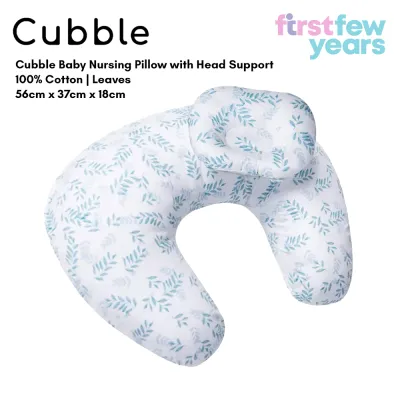
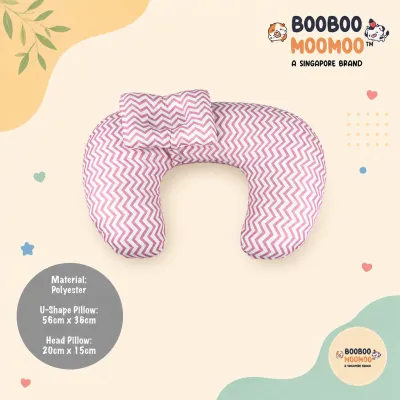
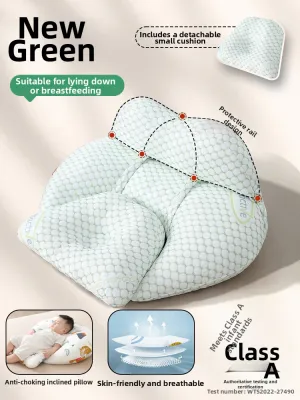
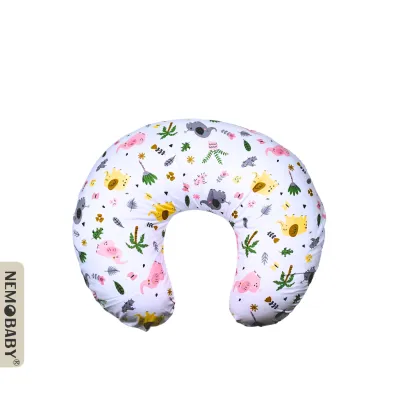
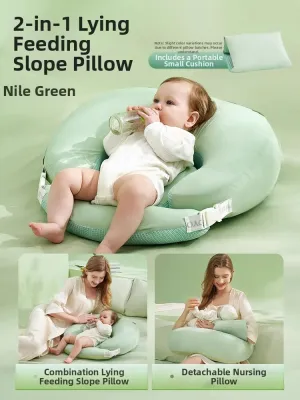
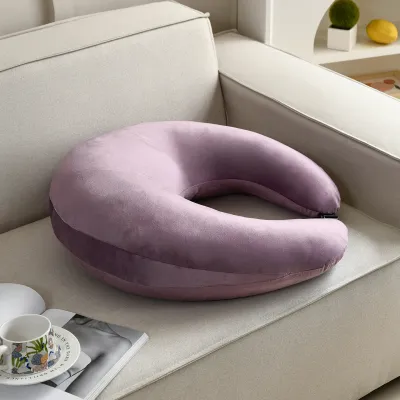
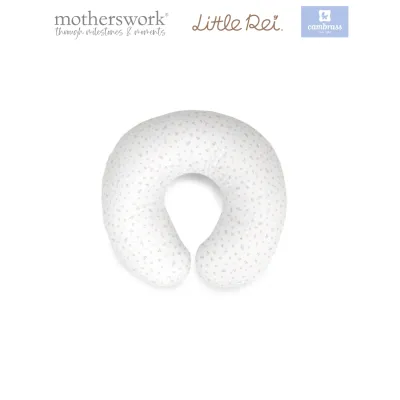

Prices are valid at publication and may change. Please refer to the product page for the latest price.

Fill Material
- Polyester Fiberfill: The standard material in many classic pillows, providing a soft, cloud-like surface that cradles the baby gently. While highly comfortable initially, fiberfill naturally compresses under weight and requires periodic fluffing to maintain its height.
- Memory Foam: Offers high-density, rigid support that does not sag or flatten, ensuring the baby remains at a consistent elevation. However, memory foam is significantly heavier and can trap body heat.
- Microbeads: Offer a highly moldable, fluid-like support that contours to the baby's body, but they can shift excessively, sometimes failing to provide a stable, flat surface for secure latching.
Shape and Coverage
- C-Shaped Pillows: Slide easily around the front or side of the waist, offering quick, hassle-free positioning. Their open-back design makes them highly portable but leaves a gap at the mother's back, which can allow the pillow to drift forward during active feeding.
- Wrap-Around or U-Shaped Pillows: Encircle the entire torso. These designs often feature adjustable straps or buckles that secure the pillow tightly against the waist, providing continuous coverage and preventing any gaps from forming between the pillow and the mother's abdomen.
Ergonomic Fit The fundamental ergonomic purpose of a nursing pillow is to bridge the physical distance between the baby and the mother’s breast. If a pillow is too soft or too low, the mother is forced to hunch forward, placing immense strain on her cervical spine, shoulders, and lower back. A supportive pillow elevates the baby to the correct latching height, allowing the mother to maintain an upright, relaxed posture. This reduces muscle fatigue and prevents long-term postpartum back pain, making ergonomic height one of the most critical factors in long-term comfort.
Cover Breathability In a tropical, humid climate like Singapore’s, cover breathability is paramount for both maternal and infant comfort. Nursing sessions involve close skin-to-skin contact, which naturally generates body heat. If a nursing pillow cover is made of non-breathable synthetic materials, it can quickly become hot, sweaty, and uncomfortable for both you and your baby. Removable, machine-washable slipcovers crafted from natural fibers, such as organic cotton or bamboo-derived rayon, facilitate excellent airflow, wick away moisture, and are easy to clean, helping to prevent the buildup of sweat, spit-up, and mold.
The Boppy Nursing Pillow: Comfort and Support Profile
The classic boppy nursing pillow has been a staple in nurseries for decades, largely due to its straightforward design and user-friendly characteristics. Understanding its specific comfort and support profile helps clarify why it remains a popular choice and where it might fall short for certain users.
Design and Feel The Boppy features a symmetrical C-shape filled with resilient, virgin polyester fiberfill. This combination creates a soft, springy, and comfortable resting place for your baby. Because the fill is pliable, it yields slightly under the baby’s weight, creating a cozy nestling effect rather than a rigid platform. The tactile comfort is further enhanced by a wide array of removable slipcovers, ranging from soft cotton blends to plush fabrics, allowing parents to customize the feel against their skin.
Comfort Strengths One of the greatest comfort advantages of the Boppy is its lightweight, highly maneuverable construction. You can easily pick it up, position it around your waist, or adjust its placement with a single hand while cradling your infant in the other. This ease of use is particularly comforting during late-night feeds when complicated straps or buckles can feel overwhelming. Additionally, its versatility extends beyond feeding; the pillow is designed to support your baby through various developmental stages, including supervised propping, tummy time, and learning to sit, making it a highly valued multi-functional item.
Support Limitations Despite its strengths, the Boppy has specific support limitations that can impact comfort during prolonged use. Because the C-shape relies on the natural spring of the pillow to hug the waist, it does not actively fasten to the body. If you shift your position, lean back, or have a highly active baby, the pillow can slide forward or gap, causing the baby to slip down into the space between the pillow and your lap. This requires constant manual adjustments, which can disrupt the feeding rhythm and cause frustration.
Lumbar Considerations The open-back design of the Boppy means it provides zero built-in lumbar support. When sitting in a deep armchair or glider, the lack of back reinforcement can cause you to slouch or lean backward at an awkward angle. To achieve optimal ergonomic comfort and maintain a healthy, upright posture, mothers using a Boppy often find they must place a secondary, firm decorative or orthopedic pillow behind their lower back to fill the empty space and support their spine.
How Boppy Compares to Other Pillow Designs and Materials
To help you decide which design best fits your lifestyle, it is helpful to contrast the Boppy against other major nursing pillow categories available on the market.
Boppy’s C-Shape vs. Strap-On Wrap-Around Designs
The choice between a classic C-shape like the Boppy and a strap-on wrap-around pillow often comes down to a trade-off between convenience and absolute stability. Wrap-around pillows feature an adjustable strap with a silent-release buckle that secures the pillow firmly to your waist. This design ensures that the pillow remains perfectly flush against your torso, eliminating the risk of sliding or gapping.
Furthermore, wrap-around pillows typically feature a flat, firm foam platform rather than a rounded, fiberfill surface. This flat surface prevents the baby from rolling inward or outward, which is highly beneficial for maintaining a secure latch. For mothers recovering from a C-section, a wrap-around pillow can be secured higher up on the torso, transferring the baby’s weight completely away from the sensitive abdominal incision. However, the Boppy is often preferred by mothers who find straps restrictive, who want to quickly transition between different seating areas, or who dislike the mechanical feel of buckles and straps during quiet, intimate feeding moments.
Boppy’s Fiberfill vs. Memory Foam Alternatives
When comparing the internal materials of nursing pillows, the choice between polyester fiberfill and memory foam highlights a clear distinction between plush comfort and unyielding skeletal support. The Boppy’s fiberfill provides a soft, yielding surface that feels cozy and comforting. However, because fiberfill is highly compressible, it will gradually flatten over months of daily use, requiring regular fluffing or shaking to restore its original loft.
In contrast, memory foam nursing pillows provide a highly supportive, dense platform that maintains its exact height regardless of the baby’s weight. This consistent elevation is particularly comfortable for mothers with longer torsos or those nursing larger, heavier babies, as it completely eliminates the need to lean forward to reach the baby. However, memory foam is significantly heavier and less flexible than fiberfill, making it harder to pack for travel or move around the house. Additionally, memory foam naturally retains heat, which can make feeding sessions feel uncomfortably warm, especially in humid climates, whereas fiberfill allows for relatively better airflow.
Compact C-Shape vs. Full U-Shape Pillows
The physical footprint of your nursing pillow plays a major role in your daily comfort, especially when considering storage and room layout. Full U-shaped pillows are large, expansive cushions that wrap around both sides of the mother’s body, providing generous resting space for her arms and the baby. This extensive surface area is highly comfortable for tandem feeding twins or for mothers who want a very stable, wide platform without the restriction of a waist strap.
However, the sheer bulk of a full U-shaped pillow makes it difficult to store, maneuver in tight spaces, or transport outside the home. In contrast, the compact C-shape of the Boppy is highly space-efficient. It fits easily into compact living environments, such as typical apartments in Singapore, where space optimization is highly valued. The Boppy can be tucked away in a small closet, placed neatly on a nursery shelf, or packed into a stroller basket for outings, offering a level of portable comfort that larger, full-body pillows simply cannot match.
Decision Guide: Which Nursing Pillow Fits Your Comfort Needs?
Choosing the right nursing pillow requires matching your physical needs, recovery status, and living space to the unique characteristics of each design. Use the following framework to determine which option will provide you with the most comfortable feeding experience.
Choose the classic Boppy if:
- You prefer a lightweight, soft, and highly versatile pillow that is easy to move with one hand.
- You want a single product that can be repurposed for your baby's developmental milestones, such as supervised propping, tummy time, and sitting practice.
- You have a compact living space and value easy storage and portability.
- You do not mind occasionally using an extra cushion behind your back for lumbar support or manually adjusting the pillow's position during feeds.
Choose a Strap-On Wrap-Around alternative if:
- You are recovering from a C-section or abdominal surgery and need to keep all weight off your lower abdomen.
- You experience significant lower back, neck, or shoulder strain and require a pillow that stays locked in place without shifting or gapping.
- You prefer a completely flat, firm surface that prevents your baby from rolling during latching.
- You want a hands-free design that allows you to adjust your posture without holding the pillow in place.
Choose a Memory Foam alternative if:
- You have a larger or heavier baby and need maximum, unyielding height support to prevent slouching.
- You plan to nurse in one dedicated spot, such as a nursery glider, and do not need to travel with the pillow.
- You prioritize long-term durability and do not want a pillow that compresses or flattens over time.
Verify first if:
- You have chronic spinal issues or are expecting twins, in which case you should consult a lactation consultant or physical therapist to identify the safest ergonomic setup.
- The slipcover of your chosen pillow is fully removable, machine washable, and made of highly breathable, moisture-wicking fabrics suitable for humid weather.
- The pillow's height comfortably bridges the gap between your lap and your breast in your favorite nursing chair, ensuring you do not have to lean forward or strain your shoulders to feed your baby.
Frequently Asked Questions (FAQ)
Does the Boppy nursing pillow flatten over time?
Yes, like any product filled with polyester fiberfill, the Boppy will naturally compress and lose some of its loft over months of daily, repetitive use. To restore its plush comfort and height, you can tumble dry the pillow on a low-heat cycle with a few clean tennis balls or wool dryer balls, which help break up clumped fibers and restore the pillow’s original springiness. Always refer to the manufacturer’s care label on the pillow before washing or drying. If the fiberfill has compressed significantly and no longer provides adequate elevation for proper latching, it may be time to replace the pillow or transition it to supervised baby lounging and propping.
Can I use a Boppy pillow for newborns?
Yes, the Boppy can be used to support newborn feeding sessions, but you must pay close attention to your baby’s head, neck, and airway alignment. Because newborns have limited neck control, ensure their head is positioned high enough that their chin does not press down against their chest, which can restrict breathing. Crucially, always adhere to the primary safety rule: nursing pillows are designed strictly for supervised feeding and awake lounging. They must never be used for unsupervised infant sleep, co-sleeping, or placed inside a crib, bassinet, or playpen, as this poses a critical risk of suffocation or positional asphyxia.
Is the Boppy cover breathable for Singapore's weather?
Standard Boppy slipcovers are available in a variety of fabrics, including cotton, polyester blends, and plush materials. For Singapore’s warm and humid climate, cotton or bamboo-derived slipcovers are highly recommended because they offer superior breathability, excellent airflow, and efficient moisture-wicking properties. To maintain optimal hygiene and comfort, it is best to wash the slipcover frequently in warm water. This removes sweat, spit-up, and milk residue, preventing the buildup of bacteria, odors, and mold or mildew in humid conditions.
Community discussion
Share your experience or ask a question. Comments are reviewed before publication.