
In Singapore, securing young passengers during car journeys is not just a matter of parental care; it is a strict legal obligation. Under the Road Traffic Act, anyone under the height of 1.35 metres must be secured with an appropriate child restraint system when riding in a motor vehicle. This height-based threshold is the primary legal benchmark used by the Land Transport Authority (LTA) and the Traffic Police to determine whether a child requires a specialized seat or can safely use the vehicle’s standard three-point seat belt.
Understanding why Singapore’s laws focus on height rather than age or weight is crucial for selecting the right booster car seat kids need. Standard vehicle seat belts are engineered to protect adult bodies, specifically routing across the strong skeletal structures of the pelvis and the collarbone. For a child shorter than 1.35 metres, an adult seat belt sits too high, crossing the vulnerable soft tissue of the abdomen and the neck. In a sudden deceleration or collision, this improper fit can cause catastrophic internal injuries.
An “appropriate” child restraint is legally defined by its suitability for the child’s physical stature. The law recognizes a progression of safety systems tailored to different growth stages. Infants require rear-facing carriers, toddlers transition to forward-facing harnessed seats, and growing children eventually require booster seats. Each system is designed to bridge the gap between a child’s size and the vehicle’s built-in safety features, ensuring that crash forces are distributed safely across the strongest parts of the body.
Products mentioned in this guide
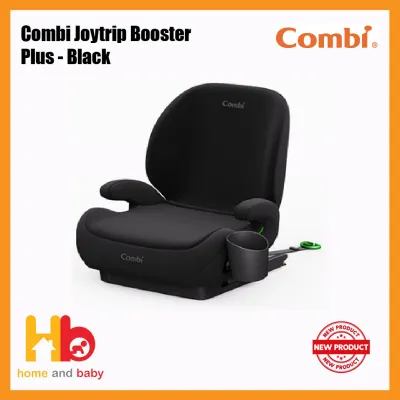
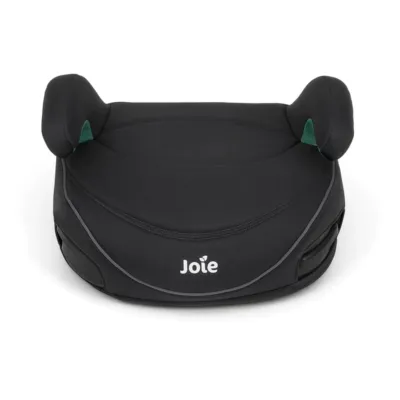
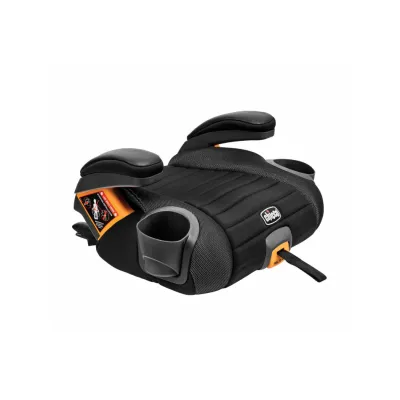
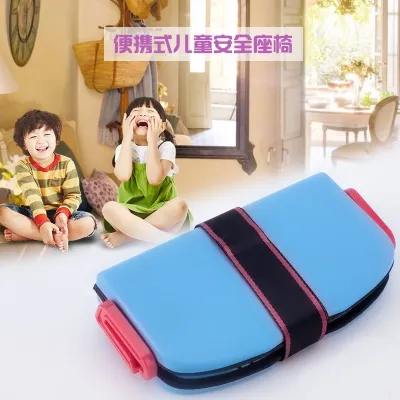
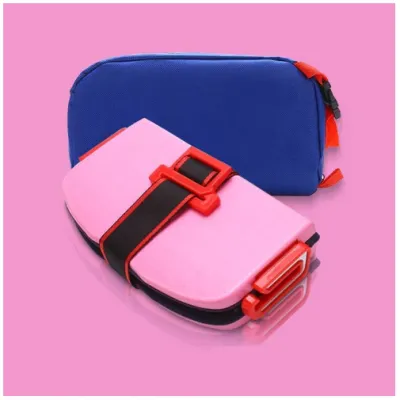
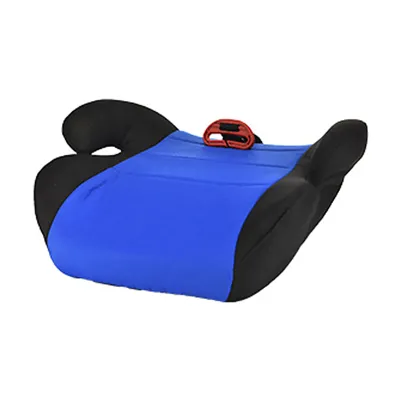
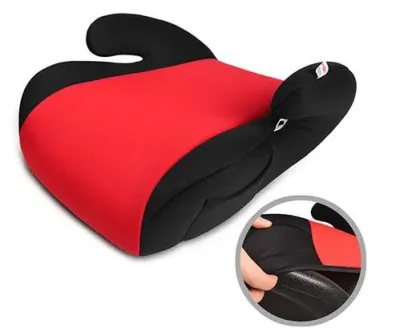
Prices are valid at publication and may change. Please refer to the product page for the latest price.
Recognizing the Right Time to Switch to a Booster Car Seat for Kids
Moving your child from a forward-facing seat with an internal five-point harness to a booster seat is a major milestone, but it must not be rushed. Many parents prematurely transition their children simply because the child has reached a certain age or because a sibling did so. However, physical development and seat capacity are the only safe indicators for this change. You should keep your child in their harnessed seat until they fully outgrow its limits, as a five-point harness offers superior restraint by distributing impact forces across five distinct points of the body.
To determine if your child is ready for a booster seat, carefully observe their physical relationship with their current seat. Look for key indicators: their shoulders should not exceed the top harness slots of the seat back, and the tops of their ears must not reach or exceed the top of the car seat’s headrest shell. Additionally, check the manufacturer’s documentation for the maximum weight or height limit of the harness itself. If your child exceeds any of these parameters, it is time to transition.
Before purchasing a booster, you must verify the specific manufacturer’s minimum height and weight requirements for the new seat. Most booster seats are designed for children who weigh at least 15 kilograms and stand at least 100 centimetres tall, but these specifications vary by brand and model. Never rely on general assumptions; always consult the exact product manual to confirm that your child meets the minimum safety thresholds.
Transitioning a child to a booster seat too early carries severe safety risks. Booster seats do not have internal harnesses; they rely entirely on the vehicle’s adult seat belt to secure the child. If a child is too small, the seat belt will not route correctly across their body. During a crash, a loose or poorly positioned belt can allow the child to slide out of the seat (submarining) or sustain severe neck and abdominal trauma. Furthermore, younger children often lack the developmental maturity to sit upright and still for the entire journey, which can compromise the belt’s positioning.
Identifying Legally Accepted Safety Certifications
When shopping for a booster car seat in Singapore, you must ensure the product complies with recognized safety standards. The Land Transport Authority accepts several international certifications, and parents must verify that any seat they purchase carries an official approval label. These labels are typically orange or white stickers permanently affixed to the shell of the seat, displaying the certification standard, the weight range it covers, and a unique approval number.

Several widely recognized standards are generally accepted, though you should always confirm current local acceptance criteria with official transport authorities before purchase:
- UN ECE R44/04: The long-standing European standard based on weight categories.
- UN ECE R129 (i-Size): The newer, more stringent European standard based on height and mandatory side-impact testing.
- FMVSS 213: The United States Federal Motor Vehicle Safety Standard.
- AS/NZS 1754: The joint Australian and New Zealand safety standard.
- JIS: The Japanese industrial standard for child restraints.
Using uncertified, counterfeit, or second-hand booster seats poses a massive risk to your child’s life. Counterfeit seats often flood online marketplaces at low prices, but they lack the structural integrity to withstand collision forces, often shattering upon impact. Second-hand seats present a different danger: they may have been involved in a previous accident, which compromises their internal structure even if there is no visible damage. Additionally, car seat materials degrade over time due to heat and UV exposure—a significant factor in Singapore’s tropical climate—meaning older seats may have expired and lost their protective capabilities.
When choosing a booster, you will encounter two primary designs: high-back boosters and backless boosters. High-back boosters provide superior structural protection because they feature side-impact wings that shield the child’s head, neck, and torso. They also include built-in shoulder belt guides that position the vehicle’s belt perfectly across the collarbone. Backless boosters are highly portable and affordable, but they offer no side-impact protection and rely entirely on the vehicle’s headrest for whiplash defense. For optimal safety, safety experts strongly recommend using a high-back booster for as long as possible.
Correct Installation and Seat Belt Routing
Even the highest-rated booster seat cannot protect your child if it is installed or used incorrectly. The primary function of a booster seat is to position the vehicle’s adult three-point seat belt properly over the child’s skeletal frame. When routing the seat belt, you must ensure that the shoulder strap runs directly across the center of your child’s shoulder and collarbone, never rubbing against their neck or slipping off their shoulder.
The lap belt portion of the seat belt requires equal attention. It must sit low and flat across the child’s pelvic bones and upper thighs, rather than riding up onto the soft tissue of the abdomen. In a collision, the pelvic bones can absorb significant impact forces, whereas the stomach cannot. Ensure that the seat belt is pulled taut and is completely free of twists, as twisted webbing concentrates crash forces onto a narrower area, increasing the risk of injury.
Many modern booster seats offer ISOFIX connection options. It is important to understand the difference between ISOFIX in a harnessed seat versus a booster seat. In a booster seat, the ISOFIX connectors simply secure the seat itself to the vehicle’s chassis, preventing it from sliding around when unoccupied or shifting during a turn. The actual restraint of the child is still performed entirely by the vehicle’s seat belt. If your booster does not have ISOFIX, you must remember to buckle the empty booster seat in with the seat belt when your child is not riding in it, preventing it from becoming a dangerous projectile in a sudden stop.
To ensure absolute safety, establish clear boundaries regarding seat placement. Children under the age of 12 should always ride in the rear seats of the vehicle, as this is the safest location in almost all collision scenarios. Furthermore, you must never place a rear-facing child restraint in a front passenger seat equipped with an active airbag, as the deployment force can cause fatal head injuries. Always consult both your car seat’s instruction manual and your vehicle’s owner manual to resolve any compatibility issues, such as headrest interference or specific seat belt routing pathways.
Legal Penalties and Physical Risks of Non-Compliance
Failing to comply with Singapore’s child restraint laws carries immediate legal consequences. Drivers who fail to ensure that passengers under the height of 1.35 metres are properly secured can face composition fines and demerit points. For repeat offenses or severe cases, drivers may be prosecuted in court, potentially leading to heavier fines or custodial sentences. Because penalty structures are subject to change, you should regularly check the latest official schedules published by the Singapore Traffic Police.
Beyond legal fines, the physical consequences of non-compliance are devastating. When a child is transitioned to an adult seat belt too early or rides without any restraint, they are highly susceptible to “seat belt syndrome.” This medical term describes a specific pattern of injuries caused by the seat belt riding up into the soft abdomen during a crash. The force of the belt can rupture internal organs, such as the liver, spleen, and intestines, and can cause severe lumbar spine fractures or spinal cord injuries, often resulting in permanent paralysis.
It is vital to remember that legal compliance represents the absolute bare minimum standard of safety. While the law mandates child restraints for those under 1.35 metres, optimal safety often means keeping your child in a high-back booster or a harnessed seat well beyond the legal limit. Many children who have reached 1.35 metres still do not fit safely in adult seat belts because of their body proportions or the design of the vehicle’s seats. Continuing to use a booster until they pass the “five-step test” for seat belt fit is the safest choice you can make.
Frequently Asked Questions (FAQ)
Can my child sit in the front seat with a booster car seat?
Legally, a child under 1.35 metres can sit in the front passenger seat of a car in Singapore, provided they are secured in an appropriate child restraint, such as a certified booster seat. However, safety experts strongly advise against this practice. The front passenger airbag is designed to protect adults, and its rapid, forceful deployment can cause severe head and neck injuries to a child, even when they are in a booster. If you must place a child in the front seat, you must slide the vehicle seat as far back as possible away from the dashboard, deactivate the passenger airbag if the vehicle allows it, and ensure the booster is installed perfectly.
Are backless booster seats legal and safe?
Yes, backless booster seats are legal in Singapore, provided they carry an accepted safety certification label (such as UN ECE R44/04 or R129) and are suitable for your child’s height and weight. While they satisfy the legal requirement, they do not offer the same level of safety as high-back boosters. Backless models lack side-impact protection, leaving your child’s head and torso vulnerable to side-collision forces. They also rely on the vehicle’s headrest to prevent whiplash, which is ineffective if the vehicle’s headrest cannot be adjusted to the correct height. Consider backless boosters primarily for travel or short trips where portability is essential.
Do the child restraint laws apply to taxis and private hire cars?
In Singapore, public taxis are legally exempt from the child restraint requirement. This exemption exists because taxis are hailed on demand, making it impractical for drivers to carry multiple seats for different age groups. However, this exemption does not apply to private hire cars (such as Grab, Gojek, or Tada). Private hire vehicles are pre-booked, meaning passengers must ensure their children are properly restrained. If you travel in a private hire car with a child under 1.35 metres, you must bring a portable booster seat, book a ride service that specifically provides child seats, or face legal penalties. Even in a taxi, physical laws of motion still apply, so using a portable booster or ride-vest is always the safest option.
Community discussion
Share your experience or ask a question. Comments are reviewed before publication.