
When preparing a nursery in Singapore, ensuring your baby’s sleep environment is completely secure is a top priority for parents. If you are considering the Boori Nova Cot, verifying its compliance with local safety regulations is a crucial first step before making a purchase. While the Boori brand is widely recognized for producing high-quality nursery furniture, absolute safety compliance for any specific unit depends on its manufacturing batch, the exact model variant, and current local regulations enforced by the Consumer Product Safety Office (CPSO) in Singapore.
Singapore does not mandate a single, unique domestic safety standard specifically for baby cots; instead, the CPSO references and accepts recognized international safety standards to assess product safety. To ensure your child is safe, you must not rely solely on a brand’s general reputation. Instead, you should actively verify the physical compliance labels, certification tags, and official distributor documentation associated with the specific unit you intend to use. This systematic verification ensures that the crib meets the rigorous physical and chemical safety benchmarks required for modern infant care.
Is the Boori Nova Cot Compliant with Singapore Safety Standards?
In Singapore, consumer products intended for babies and children are monitored by the Consumer Product Safety Office (CPSO), an agency safeguarded under Enterprise Singapore. The CPSO ensures that children’s products sold in the local market do not pose hazards to infants. Rather than establishing a separate set of manufacturing guidelines, Singapore’s regulatory framework relies heavily on alignment with major international standards. For baby cots, these recognized benchmarks include the European standard (EN 716), the American standard (ASTM F1169), and the Australian/New Zealand standard (AS/NZS 2172).
Products mentioned in this guide
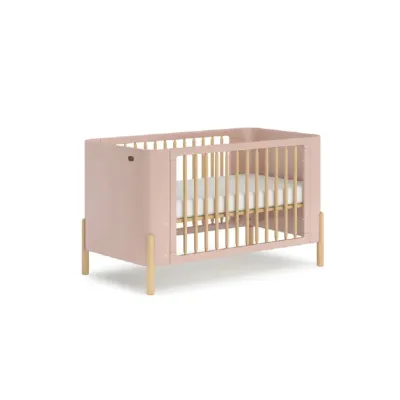
Prices are valid at publication and may change. Please refer to the product page for the latest price.
Because Boori is an established Australian brand, many of its products—including the Boori Nova Cot—are designed and manufactured to align with the stringent requirements of AS/NZS 2172 or the European EN 716 standard. However, compliance is not a static attribute that applies universally to every unit bearing the brand name. Parallel imports, older manufacturing batches, or models sourced from different regional distributors may carry different specifications or certifications.
To confirm that a specific Boori Nova Cot is fully compliant with the safety expectations in Singapore, parents must look for official documentation from authorized local distributors. These distributors work closely with local authorities to ensure that the batches imported into Singapore meet all necessary safety criteria. When purchasing, always request confirmation of the specific international standard the unit has been tested against, and verify that this certification is current and applicable to the exact model variant sold in the market.
Key Safety Standards for Baby Cribs in Singapore
Understanding the specific engineering and design features that make a baby cot safe allows you to make an informed decision. When evaluating the Boori Nova Cot or any other crib, several critical safety dimensions must be assessed to prevent accidents, injuries, or entrapment.

Slat Spacing
The distance between the vertical slats of a baby cot is one of the most critical safety measurements. International standards, which are closely observed by Singaporean safety guidelines, dictate that the gap between slats must be between 4.5 cm and 6 cm (approximately 2 3/8 inches). This specific range is engineered to prevent two distinct hazards: a gap smaller than 4.5 cm can trap a baby’s limbs, while a gap wider than 6 cm poses a severe risk of head entrapment, where an infant’s body could slip through the slats but their head remains trapped.
Mattress Fit
A secure mattress fit is essential to prevent suffocation and entrapment. The mattress used in the cot must fit snugly against all four sides of the frame. Parents often use the “two-finger rule” as a practical diagnostic check: if you can insert more than two fingers between the edge of the mattress and the inner frame of the cot, the mattress is too small. A gap wider than this creates a dangerous space where a rolling infant could become wedged, leading to a high risk of positional asphyxia.
Hardware and Structural Integrity
Modern safety standards place a strong emphasis on structural stability and secure hardware. All bolts, screws, and assembly joints must be designed to remain tight under continuous movement and pressure. Furthermore, modern safety guidelines heavily restrict or outright ban drop-side mechanisms—where one side of the cot slides down to allow easier access to the baby. Drop-side cribs have historically been linked to severe entrapment hazards when the sliding hardware malfunctions or detaches. Consequently, fixed-side cots are highly recommended for maximum structural safety.
Finish and Materials
During the teething phase, infants frequently chew on the top rails of their cots. Therefore, the materials, paints, lacquers, and sealants used on the cot must be completely non-toxic, lead-free, and phthalate-free. Safety standards require rigorous chemical testing of these finishes to ensure that no harmful compounds can be ingested or absorbed by the child. Solid timber construction, such as sustainably sourced Araucaria or Radiata pine often used by Boori, must be finished with water-based, child-safe coatings.
How to Verify the Boori Nova Cot's Safety Specifications
Before finalizing your purchase or assembling a newly delivered Boori Nova Cot, you should perform a series of physical checks and document reviews to verify its safety compliance.
- Check Certification Labels: Inspect the physical frame of the cot, typically on the underside of the mattress base or the inner face of the headboard. Look for a permanent stamp, sticker, or engraving that explicitly states compliance with a recognized standard, such as AS/NZS 2172, EN 716, or ASTM F1169.
- Review the Manufacturer's Manual: Read the official Boori user manual provided with the product. The manual contains vital safety warnings, maximum weight limits, and age or developmental stage restrictions. Ensure you understand the maximum recommended weight capacity for each configuration of the cot.
- Measure Slat Gaps: Use a standard measuring tape or ruler to physically measure the distance between the slats on all four sides of the cot. Confirm that the gaps do not exceed 6 cm at any point.
- Inspect for Physical Defects: Run your hands along the timber surfaces to check for rough spots, splinters, or sharp edges. Verify that all metal hardware is completely recessed or rounded, with no protruding bolts that could snag a baby's clothing or scratch their skin.
- Confirm Mattress Compatibility: Check the warning label printed on the mattress support base. This label typically specifies the exact mattress dimensions (length, width, and maximum thickness) required for the cot. Using a mattress that deviates from these specifications can compromise safety by creating gaps or reducing the effective height of the cot barriers.
Safe Setup and Risk Reduction for the Boori Nova Cot
Once you have verified the safety specifications of your Boori Nova Cot, proper assembly, placement, and usage are essential to maintaining a secure sleep environment in your nursery.
Proper Assembly
Always assemble the cot by following the manufacturer’s instructions exactly. Use only the original hardware provided in the packaging, and avoid using power tools unless explicitly recommended, as over-tightening can strip the wood threads or crack the timber. Never attempt DIY modifications, such as drilling new holes or adding custom brackets. If you find that any hardware is missing, damaged, or worn out, do not use temporary substitutes from a local hardware store; instead, contact the authorized Boori distributor in Singapore to obtain original replacement parts.
Placement in the Nursery
Carefully select where the cot will stand in your nursery. In Singapore’s tropical climate, keep the cot away from direct sunlight and out of the direct path of air conditioning drafts to prevent sudden temperature fluctuations. Crucially, position the cot far away from windows, electrical outlets, baby monitor cords, and window blind cords. Dangling cords present a severe strangulation hazard to infants who are beginning to sit up or stand in their cribs.
Safe Sleep Environment
To minimize the risk of Sudden Infant Death Syndrome (SIDS) and accidental suffocation, keep the interior of the cot completely bare. The cot should contain only a firm, flat mattress covered by a tight-fitting sheet. Do not place pillows, quilts, duvets, heavy blankets, sheepskins, stuffed toys, or bumper pads inside the cot. If you are concerned about your baby staying warm in an air-conditioned room, use a fitted infant sleeping bag (wearable blanket) appropriate for the room’s temperature instead of loose blankets.
Transitioning Out of the Crib
Monitor your child’s physical development closely to determine when it is no longer safe for them to sleep in the cot. As a general safety rule, you should stop using the cot in its standard crib configuration when your child reaches a height of approximately 89 cm (35 inches), or when they show developmental signs of being able to climb out of the cot. If the Boori Nova model you own is designed to convert into a toddler bed, follow the manufacturer’s specific instructions to safely transition the furniture to the lower, open-sided configuration to prevent fall injuries.
Frequently Asked Questions (FAQ)
Do I need to register my Boori Nova Cot for safety recalls in Singapore?
Yes, registering your purchase is highly recommended. When you purchase a Boori Nova Cot, ensure you complete the product registration card or submit your details online through the authorized local distributor in Singapore. This registration ensures that the distributor can contact you immediately in the event of a manufacturer recall or safety notice. Additionally, parents should periodically check the Consumer Product Safety Office (CPSO) portal and Enterprise Singapore’s safety alerts website to stay informed about any product recalls or safety advisories affecting nursery furniture in the local market.
Is it safe to buy a second-hand Boori Nova Cot?
Buying a second-hand baby cot carries inherent risks and requires extreme caution. Over time, wooden furniture can experience structural wear, joint fatigue, or timber warping, especially when exposed to Singapore’s high relative humidity. If you are considering a pre-owned Boori Nova Cot, you must verify its original manufacturing date, ensure that all original assembly instructions and hardware are present, and confirm that the model has not been recalled. Inspect the unit thoroughly for any DIY repairs, non-original screws, or structural cracks. For hygiene and safety reasons, you should always purchase a brand-new mattress that perfectly matches the cot’s dimensions, rather than reusing a second-hand mattress.

Community discussion
Share your experience or ask a question. Comments are reviewed before publication.