
Determining whether Blossom baby food is the right choice for your child in Singapore requires a careful comparison of its specific product labels against other popular brands. Because nutritional formulations, ingredient sourcing, and retail costs frequently change, there is no single brand that suits every family. Instead, finding the ideal option involves evaluating nutritional density, ingredient purity, and unit pricing directly from the packaging of the products currently on the shelves. By establishing a clear comparison framework, you can confidently select the baby food that aligns with your child’s developmental stage and your household budget.
Introducing solid foods is a major milestone in your baby’s first year, and the sheer volume of options available in Singapore retail stores can feel overwhelming. From convenient squeeze pouches to traditional glass jars, each brand presents its own set of marketing claims regarding health, sourcing, and taste. To cut through the marketing noise, parents must adopt a systematic approach focused on objective verification. By learning how to analyze and compare product labels, you can make informed decisions that support your baby’s growth without overspending.
Evaluating the Nutritional Profile
When comparing Blossom with other baby food brands, reading the nutrition information panel is the most reliable way to assess dietary value. Parents should pay close attention to key nutrients that support rapid growth, particularly iron, which is crucial for babies starting from around six months of age when their natural iron stores begin to deplete. It is equally important to check for sodium levels and added sugars, as early childhood foods should ideally contain no added salt or refined sweeteners. Comparing these values across different brands helps you identify which products offer genuine nutritional density rather than empty calories.
Products mentioned in this guide
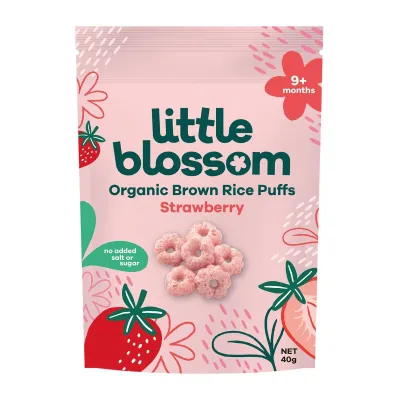
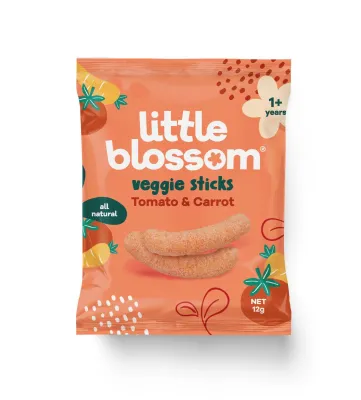
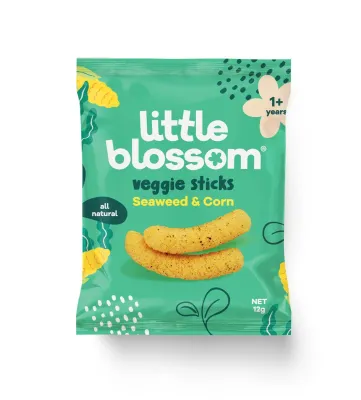
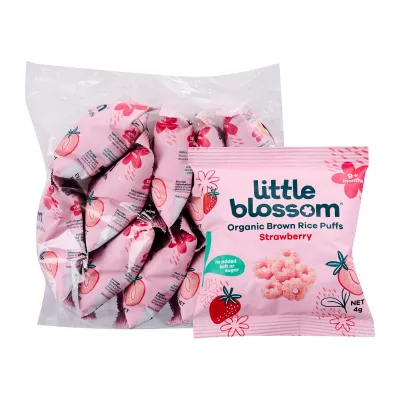
Prices are valid at publication and may change. Please refer to the product page for the latest price.
To make an accurate comparison between Blossom and competing jars or pouches, always calculate the nutrients based on a standardized serving size. Some brands list nutritional values per pouch, while others list them per 100 grams. Converting these figures to a common denominator ensures you are comparing actual nutrient density rather than just package volumes. For example, a pouch that appears to have more iron might simply be larger, whereas a smaller pouch might actually have a higher concentration of the nutrient per gram.
Additionally, look closely at the packaging for age-appropriate texture indicators and specific fortification claims. Manufacturers often label products for specific developmental milestones, such as smooth purees for beginners or chunkier blends for older infants. Verifying these details on the label helps ensure the food matches your baby’s current oral motor skills. Feeding a texture that is too advanced can pose a choking hazard, while staying on smooth purees for too long may delay the development of essential chewing muscles.
Comparing Ingredient Quality and Sourcing
Evaluating what goes into your baby’s food requires a thorough inspection of the ingredient list, which is ordered by weight from highest to lowest. When comparing Blossom to other options in Singapore, check the list for hidden additives, artificial preservatives, thickeners, or unnecessary fillers like water and starches. High-quality baby foods typically feature whole-food ingredients as the primary components rather than relying on starches or water to build volume. If the first few ingredients listed are water or thickeners, the product may offer less nutritional value per serving.

For families prioritizing organic options, verifying pesticide-free and organic claims is essential. Rather than relying on front-of-pack marketing terms, look for recognized certification logos from international bodies on the back or side of the packaging. These certifications confirm that the ingredients have met strict agricultural standards from farm to production. In Singapore, many imported baby foods carry certifications from organic boards in their country of origin, such as the USDA Organic seal or the European Union organic logo, which serve as reliable indicators of quality control.
Allergen safety is another critical factor to verify on the label. Check for clear cross-contamination warnings, especially if your child has known sensitivities to gluten, dairy, soy, or nuts. Comparing single-ingredient purees, which are excellent for identifying potential food sensitivities during early weaning, against multi-ingredient blends will help you map out a safe and progressive feeding plan. When introducing new foods, starting with single-ingredient options allows you to monitor your baby for any adverse reactions over a few days before introducing complex mixtures.
Assessing Price and Value Across Retailers
The retail landscape in Singapore offers various ways to purchase baby food, making a systematic cost comparison highly beneficial. To find the true value of Blossom baby food compared to alternative brands, calculate the price in S$ per gram or per serving. This calculation removes the distraction of different packaging designs and sizes, allowing you to see exactly how much you are paying for the food itself. A larger pouch might seem more expensive upfront, but a quick calculation of its unit price might reveal it is more cost-effective than a smaller, cheaper alternative.
Prices can vary significantly depending on where and how you shop. It is wise to check both physical supermarkets in Singapore and online marketplaces to compare purchasing options. Many platforms offer bulk discounts, subscription models, or bundle deals that can lower the unit cost of your preferred baby food over time. For parents who have settled on a specific flavor or stage that their baby enjoys, purchasing in bulk or setting up a recurring subscription can lead to substantial savings.
Keep in mind that promotional pricing, seasonal discounts, and delivery fees fluctuate constantly. Before finalizing your purchase, always verify the current shelf prices and any applicable shipping costs at checkout to ensure the calculated savings remain accurate. Additionally, consider the convenience of home delivery versus the immediate availability of buying from a physical store, especially when you are running low on supplies and need baby food urgently.
Decision Framework: Choosing the Right Brand for Your Baby
Selecting between Blossom and other popular brands comes down to matching verified product specifications with your family’s specific priorities. You might choose Blossom if its verified label aligns closely with your target nutritional values, matches your ingredient preferences, and fits comfortably within your budget per serving. If the brand offers the exact single-ingredient purees or textured blends your baby currently requires, it can serve as a reliable staple in your weaning toolkit.
Conversely, an alternative brand may be more suitable if your baby requires specific dietary certifications that Blossom does not carry, such as Halal or Kosher certifications, or if you need a wider variety of texture progressions. Accessibility is also a factor; if a competing brand is more readily available at your nearest local supermarket, it may offer greater convenience for your weekly shopping routine. Some parents also prefer brands that offer specific packaging types, such as reusable glass jars over single-use squeeze pouches, depending on their environmental preferences.
Before making any major changes to your baby’s diet, especially if your child has specific medical dietary requirements, known allergies, or growth concerns, always consult a qualified pediatrician. A professional medical assessment ensures that your chosen feeding plan safely supports your baby’s unique developmental journey. Your pediatrician can provide personalized guidance on nutrient fortification and portion sizes tailored specifically to your child’s growth trajectory.
Frequently Asked Questions (FAQ)
Is Blossom baby food suitable for all weaning stages?
To determine if a specific Blossom product is suitable for your baby’s current weaning stage, check the manufacturer’s stage indicators and texture descriptions on the packaging. Look for specific age recommendations, such as 6+ months or 8+ months, which serve as general guidelines. Always match the stated texture—whether it is a smooth puree, a mashed blend, or a chunky meal—to your baby’s individual chewing and swallowing developmental milestones rather than relying solely on age labels. If your baby is just starting solids, begin with completely smooth, single-ingredient purees before progressing to thicker, multi-ingredient textures.
Where can I buy Blossom baby food in Singapore?
You can find Blossom baby food across several retail channels in Singapore, including major local supermarket chains, specialty mother-and-baby retail stores, and official brand websites. When shopping online, remember to verify current stock levels, estimated delivery timeframes, and any minimum order requirements for free shipping on your chosen ecommerce platform or online marketplace. Checking multiple retailers can also help you spot active promotions or bundle discounts, allowing you to secure the best available value for your purchases.
Community discussion
Share your experience or ask a question. Comments are reviewed before publication.