
Finding the ideal XL diaper pant for an active toddler in Singapore is not about identifying a single, universally superior brand. Instead, the right choice depends entirely on matching a toddler’s unique physical build, daily activity levels, and skin sensitivity to the specific design strengths of a diaper. Active toddlers require a careful balance between high-capacity absorbency to handle larger urine volumes and a highly flexible, secure fit that prevents leaks during running, climbing, and squatting.
Parents must navigate a fundamental trade-off when selecting XL diaper pants: choosing between high-capacity, thicker cores that excel at overnight protection and slim-fit, ultra-stretchy designs that maximize daytime mobility. In Singapore’s hot and humid tropical climate, this decision is further influenced by the need for exceptional breathability to prevent heat rash and sweat accumulation. Rather than relying solely on the weight guidelines printed on the packaging, the true measure of a successful diaper pant lies in real-world performance, observable fit, and the absence of skin irritation.
Why XL Sizing Changes the Rules for Absorbency and Fit
Transitioning to XL diaper pants represents a major developmental shift for both the toddler and the diaper design. At this stage, typically corresponding to toddlers weighing between 12 and 22 kilograms—though parents must always verify the specific weight ranges on each manufacturer’s packaging—children are highly mobile. They are no longer spending significant time lying down; instead, they are constantly walking, running, jumping, and squatting. These vigorous, multi-directional movements place immense physical stress on the diaper’s structural integrity, requiring elastic bands and seals to stretch and recover dynamically without shifting out of place.
Products mentioned in this guide
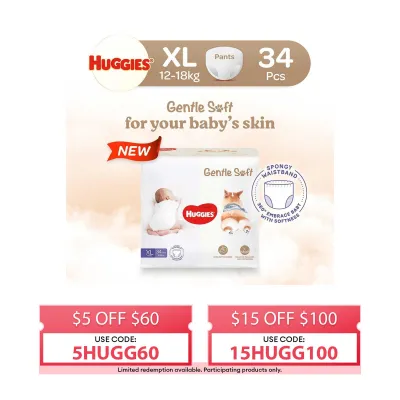
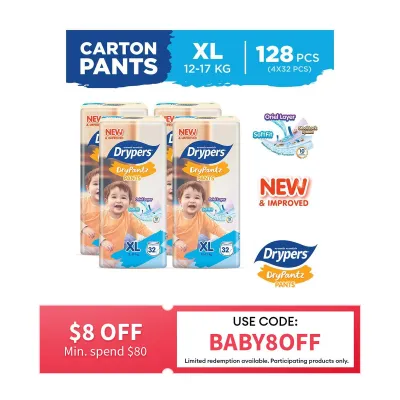
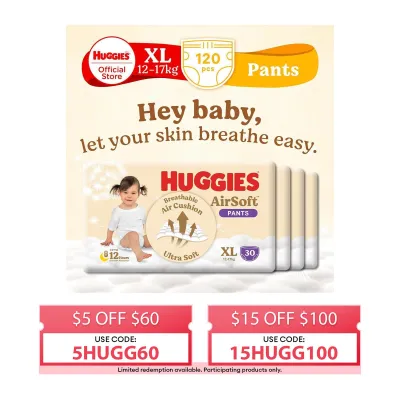
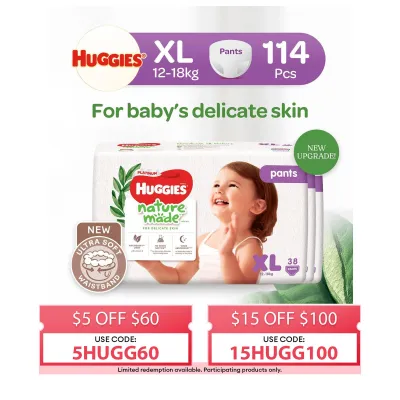


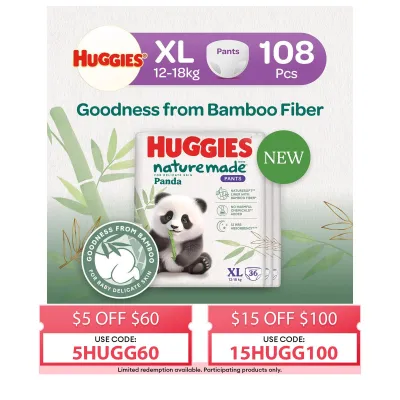
Prices are valid at publication and may change. Please refer to the product page for the latest price.
Furthermore, the physical volume of urine per void increases substantially during the toddler years. Unlike infants who wet their diapers frequently in small amounts, toddlers hold their bladder for longer periods and release larger volumes of liquid all at once. This sudden surge of moisture demands a rapid-acting absorbent core that can draw liquid away from the surface instantly. If the core absorbs too slowly, the liquid will pool and escape through the leg cuffs before it can be locked away, resulting in frustrating leaks even if the diaper is not fully saturated.
Another challenge unique to the XL stage is the phenomenon of diaper sagging. When a diaper core absorbs a large volume of liquid, the added weight pulls the diaper downward. For an active toddler, a sagging diaper acts as a physical anchor, restricting their natural stride, causing the material to bunch between their thighs, and creating friction against the inner skin. To prevent this, an XL diaper pant must feature advanced distribution channels that spread moisture evenly across the entire core, maintaining a balanced shape and keeping the diaper securely positioned on the toddler’s hips.
Finally, body proportions change rapidly during the toddler years, meaning that a brand that fit perfectly in size M or L may no longer perform well in XL. As toddlers lose their infant baby fat and develop leaner, more muscular legs and wider waistlines, the ratio between thigh circumference and waist width shifts. If the leg cuffs of an XL diaper do not scale proportionally to these changing dimensions, or if the waistband lacks sufficient recovery stretch, gaps will form around the thighs or the waist will slip down, leading to immediate leaks during active play.
How to Evaluate Absorbency and Leak Protection
Core Technology and Liquid Distribution
When evaluating the absorbency of XL diaper pants, look closely at the packaging for references to multi-channel cores or advanced polymer distribution systems. Modern diaper technology relies on Superabsorbent Polymers (SAP) mixed with cellulose fibers to lock away moisture. High-quality XL pants feature structured channels that guide urine longitudinally along the length of the diaper rather than allowing it to pool in a single spot. This channel configuration prevents the core from clumping and breaking apart when the toddler climbs or runs, ensuring that the absorbent material remains evenly distributed and functional.

Double-Layered Leak Guards
Physical inspection of the diaper’s barrier walls is crucial for predicting leak protection. Turn the diaper pant inside out and examine the standing leg cuffs, also known as the inner leak guards. These cuffs should stand up independently and possess sufficient elasticity to wrap snugly around the toddler’s groin crease. They act as the primary containment barrier, holding back sudden rushes of liquid while the core works to absorb them. The outer leg cuffs should flare outward to provide a secondary seal against the thighs, ensuring that no moisture escapes during wide-legged movements like squatting or crawling.
Wetness Indicators and Saturation Checks
While wetness indicators are common on smaller diaper sizes, they remain highly valuable on XL pants, particularly for active toddlers who are fully engaged in play and may not communicate when they are wet. A reliable wetness indicator changes color clearly and consistently, allowing caregivers to perform a quick visual check without disrupting the child’s activities. However, because toddlers produce larger individual voids, caregivers should also gently feel the outside of the diaper core; a heavy, gel-like texture indicates that the SAP has reached high saturation and the diaper requires changing to prevent compression leaks.
Balancing Day and Night Needs
The environmental conditions of Singapore require parents to differentiate between daytime and overnight diapering strategies. For daytime use, especially during outdoor play in local parks or non-air-conditioned play areas, a streamlined, highly breathable diaper pant is ideal to prevent overheating and bulkiness. For overnight use, however, the priority shifts entirely to maximum capacity. Overnight diaper pants often feature thicker absorbent cores and reinforced rear barriers to handle continuous wetting over a ten-to-twelve-hour sleep cycle, preventing the need for disruptive nighttime changes.
How to Assess Fit, Elasticity, and Comfort for Mobile Babies
Waistband Elasticity and Recovery
To assess the waistband of an XL diaper pant, gently stretch it to its maximum width and observe how quickly and smoothly it snaps back into its original shape. A high-quality waistband should feature 360-degree elasticity, utilizing numerous fine elastic threads rather than a few thick, high-tension bands. This distributed tension allows the waistband to expand comfortably when the toddler’s stomach expands after meals and contract when they sit or bend over. The material must feel soft to the touch, and the waistband should not leave deep, persistent red indentations on the toddler’s skin after a few hours of wear.
Leg Cuff Contouring and Chafing Prevention
The fit around the thighs is one of the most common failure points for XL diaper pants. To check this, slide your finger along the inside of the leg cuff once the diaper is on the toddler. The elastic should feel snug but compliant, forming a complete seal without digging into the skin. If the cuff is too loose, gaps will appear when the toddler moves their legs apart; if it is too tight, the constant friction from running will cause painful chafing and redness. Look for brands that offer wider, softer leg bands that distribute pressure evenly across a larger surface area of the thigh.
Breathability and Material Texture in Humid Climates
In Singapore’s tropical climate, heat and humidity can quickly trap moisture inside a diaper, creating a breeding ground for bacteria and heat rash. Parents should physically feel both the inner lining and the outer backsheet of the diaper pant. The materials should feel cloth-like and soft, not papery or stiff. Look for packaging claims that verify high breathability, such as micro-porous outer membranes that allow hot air and moisture vapor to escape while keeping liquid water locked inside. A breathable backsheet keeps the toddler’s skin temperature cooler and significantly reduces the risk of diaper dermatitis.
Core Bulkiness and Impact on Natural Gait
A diaper core that is excessively thick between the thighs can negatively impact a toddler’s physical development and movement. When a diaper is too bulky, it forces the toddler to walk with an unnaturally wide gait, which can affect their balance and willingness to explore. When trying a new brand of XL diaper pants, observe your toddler’s walking and running patterns both when the diaper is dry and when it is moderately wet. If they appear to struggle with their stride or frequently tug at the diaper, the core may be too wide or stiff for their specific pelvic structure.
Decision Framework: Which XL Diaper Pant Profile to Choose
To simplify the selection process, parents can categorize their toddler’s needs into specific profiles and match them with the corresponding diaper characteristics. Use the following guidelines to determine which diaper pant profile best suits your current situation:
- Choose high-absorbency, thicker core profiles if:
- Your toddler is a heavy wetter who drinks large amounts of water, especially before bedtime.
- The diaper needs to last through long car rides, extended outings across Singapore, or overnight sleep cycles without leaking.
- Your toddler experiences frequent compression leaks, which occur when they sit down heavily on a partially wet diaper, forcing moisture out of the core.
- Choose ultra-stretchy, slim-fit profiles if:
- Your toddler is extremely active, constantly running, climbing playground structures, or participating in physical play classes.
- You notice that other brands frequently leave red marks around your toddler's waist or thighs, indicating that the elastic tension is too rigid.
- Your toddler has a leaner build with narrower hips, where a bulkier diaper would easily slip down or bunch up uncomfortably.
- Choose sensitive-skin and highly breathable profiles if:
- Your toddler is prone to developing heat rash, sweat rashes, or localized skin irritation in Singapore's humid weather.
- Your home or play environment is primarily fan-cooled rather than air-conditioned, leading to increased perspiration.
- You prefer materials that are free from added fragrances, lotions, or chlorine processing, which must be verified directly on the manufacturer's packaging.
- Verify sizing boundaries first if:
- Your toddler's weight is on the borderline between size L and size XL (typically around 12 to 14 kilograms).
- You are experiencing sudden, unexplained leaks with your current size L diaper, even though the weight range on the box suggests it should still fit.
- You notice that you have to stretch the waistband of the current diaper to its absolute limit to secure it, or the waistline sits far below the toddler's belly button.
Practical Testing and Troubleshooting for Leaks and Red Marks
The Two-Finger Fit Check
Before committing to a bulk purchase of a new XL diaper pant brand, perform a manual fit check every time you put a fresh diaper on your toddler. Once the pants are pulled up, slide two fingers comfortably inside the waistband at the front and back. Your fingers should slide in easily with moderate resistance; if the waistband feels tight against your fingers, the diaper is too small or the elastic is too restrictive. Next, run one finger along the inside of both leg cuffs to ensure the inner guards are standing upright and are not folded inward, which is a primary cause of immediate leg leaks.
Diagnosing the Root Cause of Leaks
When a leak occurs, analyzing the location and state of the diaper can help you identify the solution. Use this simple diagnostic approach:
- Front or Waist Leaks: This often indicates that the diaper is slipping down due to an insecure waistband, or the toddler is sleeping on their stomach and overloading the front of the diaper. Consider a brand with a wider, more secure waistband or higher front absorbency.
- Side or Leg Leaks: This usually points to a sizing mismatch. If the diaper is dry but leaking from the side, the leg cuffs are too loose or have folded inward. If the diaper is completely saturated when the leak occurs, the core has reached its maximum capacity, and you need to transition to a higher-absorbency profile or change the diaper more frequently.
- Dampness on the Outside: If the outside of the diaper feels damp to the touch but no actual liquid has escaped, the backsheet is highly breathable and venting moisture vapor. However, if actual liquid is seeping through the outer material under pressure, the core is experiencing compression leakage, indicating a need for a higher-quality SAP core.
Safety and Stopping Conditions
While minor fit adjustments can resolve most diapering issues, skin health must always remain the top priority. If your toddler develops persistent, bright red rashes, skin peeling, or raised bumps in the diaper area that do not improve with standard barrier creams, stop using the current brand immediately. These symptoms may indicate an allergic reaction to specific materials, adhesives, or fragrances used in that diaper. Always consult a qualified pediatrician or medical professional to diagnose and treat persistent skin irritation, and verify all hypoallergenic claims directly on the product packaging before introducing a new brand.
Frequently Asked Questions (FAQ)
How do I know if my toddler is ready to transition from L to XL diaper pants?
While the weight guidelines on diaper packaging provide a helpful baseline, they should not be the sole factor in your decision to size up. You should transition your toddler from size L to XL diaper pants if you observe consistent physical indicators of poor fit. These signs include deep, lasting red marks around your toddler’s thighs or waist, the waistband constantly rolling down below the hips during play, or difficulty pulling the diaper pants up over your toddler’s hips. Additionally, if your toddler is experiencing frequent leaks or blowouts because the absorbency capacity of the size L diaper is no longer sufficient for their increased urine volume, it is time to transition to the larger XL size.
Community discussion
Share your experience or ask a question. Comments are reviewed before publication.