
A waterproof diaper bag is an essential investment for parents in Singapore, where sudden tropical downpours can catch you off guard during daily outings. To keep baby essentials dry, clean, and free from mold, you need a diaper bag that balances high-performance water resistance with breathability and smart organization. By choosing the right materials, construction details, and carrying styles, you can comfortably navigate the humid climate and unpredictable weather with peace of mind.
Why Weather-Proof Gear is Essential for Singapore's Climate
Singapore’s tropical climate is characterized by high humidity levels and sudden, intense rainstorms that can occur at any time of the year. Whether you are walking through the Botanic Gardens, heading to a pediatric appointment, or navigating outdoor paths between MRT stations, a sudden downpour can quickly saturate standard fabrics. When moisture penetrates a diaper bag, it does not just make the exterior heavy; it actively threatens the cleanliness of the baby gear stored inside.
Singapore experiences two main monsoon seasons—the Northeast Monsoon from December to March and the Southwest Monsoon from June to September—interspersed with inter-monsoon periods. During these times, sudden, heavy convective downpours can occur with very little warning, often accompanied by strong winds. Standard canvas, cotton, or low-grade polyester bags will absorb this rainwater almost instantly. Once water penetrates the outer shell, it creates a damp, high-humidity microclimate inside the bag. When combined with Singapore’s average daily temperatures of 30°C to 33°C, this trapped moisture turns the bag into an ideal incubator for mold spores and mildew. Within just 12 to 24 hours, a damp bag can develop a strong, musty smell, and mold can begin to colonize the seams and fabric fibers. This is not just an aesthetic issue; mold spores can trigger respiratory issues or skin irritation in infants, whose immune and respiratory systems are still developing.
Products mentioned in this guide
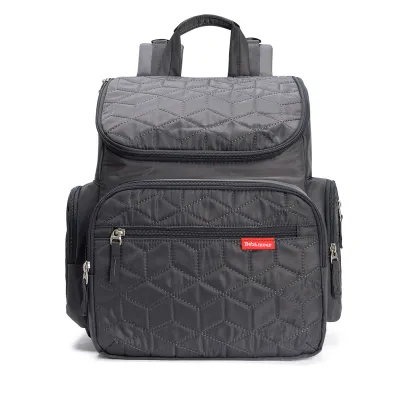
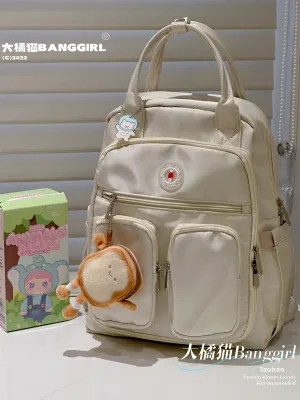
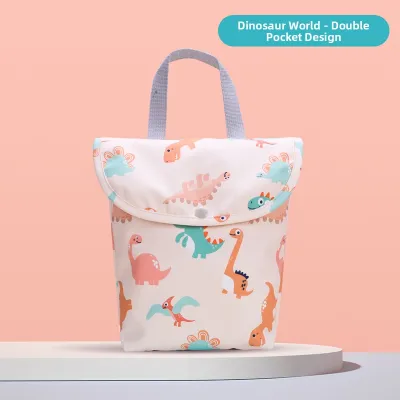
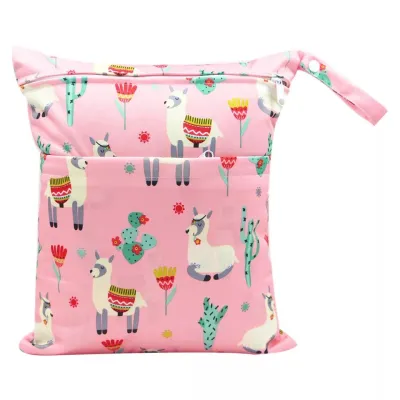
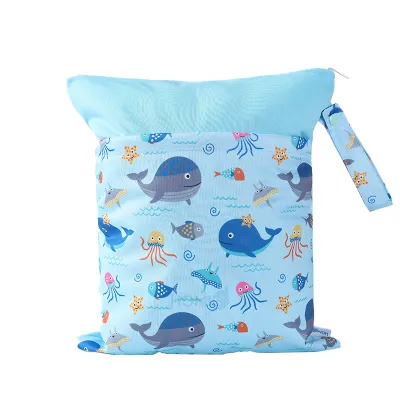
Prices are valid at publication and may change. Please refer to the product page for the latest price.
Using a non-weather-proof bag under these conditions introduces several practical risks. Standard canvas or cotton bags readily absorb rainwater, which can seep into the main compartment and ruin sensitive items like baby formula, clean diapers, change clothes, and personal electronics. Furthermore, the combination of trapped moisture and Singapore’s persistent warmth creates an ideal breeding ground for mold, mildew, and bacteria. A damp diaper bag left in a warm room can develop a musty odor within hours, rendering baby clothes and blankets unhygienic and potentially irritating to a baby’s sensitive skin.
To make an informed purchase, it is crucial to understand the distinction between “waterproof” and “water-resistant” materials. Fully waterproof bags are typically constructed from sealed thermoplastic polyurethane (TPU) or polyvinyl chloride (PVC) coatings that block water entirely, even if the bag is temporarily submerged. Water-resistant bags, on the other hand, are usually made from high-density nylon or polyester treated with a durable water repellent (DWR) coating. While water-resistant bags repel light showers and allow water to bead off the surface, they may eventually soak through during prolonged exposure to heavy tropical downpours. Understanding your typical outing routine will help you decide which level of protection is necessary for your family.
What to Look for in a Tropical-Ready Diaper Bag
Selecting a diaper bag that can withstand Singapore’s unique weather requires looking beyond aesthetic appeal to evaluate specific construction and material details. The right bag must not only repel external water but also handle internal condensation and the physical demands of daily use.

Material and Construction When evaluating a diaper bag’s exterior, look for high-denier fabrics such as 500D or 1000D nylon or polyester, which offer superior tear resistance and water protection. Denier refers to the thickness of the individual threads used in the weave; a higher denier means a denser, more durable fabric that is far more resistant to water penetration and abrasions. Additionally, check if the fabric has a polyurethane (PU) or thermoplastic polyurethane (TPU) backing. While a durable water repellent (DWR) coating on the outside causes water to bead up and roll off, the internal PU or TPU backing acts as a secondary barrier that completely blocks water from passing through the fabric fibers. Zippers are another common point of failure. Standard zippers have gaps between the teeth where water can easily leak. Look for bags that utilize water-repellent zippers, which feature a matte polyurethane coating over the zipper teeth to create a tight seal when closed.
Breathability and Comfort Carrying a heavy diaper bag in Singapore’s high heat can quickly lead to discomfort and excessive sweating. To mitigate this, look for bags designed with ergonomic, padded shoulder straps and back panels made from breathable 3D mesh fabric. This mesh structure allows air to circulate between your body and the bag, reducing heat buildup and keeping you cooler during outdoor walks. Adjustable straps are also essential to distribute weight evenly across your shoulders and hips, preventing strain during long days out. Look for bags with ergonomic back panels that feature deep ventilation channels and multi-layered 3D air mesh. This design keeps the main body of the bag slightly elevated off your back, allowing air to flow freely and heat to dissipate.
Interior Linings The interior of a tropical-ready diaper bag must be as functional as the exterior. Look for light-colored, wipeable linings made from materials like polyester or nylon with a smooth, water-resistant coating. Light-colored interiors improve visibility, making it much easier to locate small items like pacifiers or diaper cream in low-light situations. Additionally, a wipeable lining allows you to quickly clean up spilled milk, water, or purees with a baby wipe, preventing moisture from soaking into the bag’s structural layers and causing long-term odors. A light gray, cream, or pastel lining reflects light, allowing you to instantly spot small items like pacifiers, nail clippers, or single-dose medicine vials.
Hardware and Base The hardware on your diaper bag should be durable and resistant to rust and corrosion, which are accelerated by high humidity and rain. Opt for high-quality plastic or treated metal zippers, clasps, and buckles. Furthermore, pay close attention to the bag’s base. A reinforced, fully waterproof base—often made of rubberized material or heavy-duty TPU—is incredibly valuable. This feature allows you to confidently set the bag down on wet public benches, damp grass at a park, or the floor of a public restroom without worrying about water seeping upward into the clean items inside. Ensure the bag uses rust-resistant hardware, such as anodized aluminum, marine-grade stainless steel, or heavy-duty molded plastic.
Best Diaper Bag Styles for Rainy and Humid Days
Different parenting routines call for different bag configurations. Depending on whether you prefer hands-free mobility, quick access to essentials, or a minimalist setup for short errands, certain styles will perform better in Singapore’s wet and humid conditions.
Waterproof Backpack Diaper Bags
Backpack diaper bags are highly favored by parents who need to keep their hands completely free to push a stroller, hold a toddler’s hand, or carry an umbrella during a sudden shower. By distributing weight symmetrically across both shoulders, a backpack minimizes physical fatigue during extended outings. This balanced weight distribution is especially helpful when you are carrying extra wet-weather gear, such as compact umbrellas, rain covers for strollers, and multiple changes of dry baby clothing.
When choosing a backpack style, look for insulated bottle pockets that are lined with moisture-resistant materials. These insulated compartments help maintain the temperature of milk or water bottles while preventing condensation from sweating through and dampening the items in the main compartment. It is also wise to check for dedicated wet-dry compartments, which allow you to isolate soiled clothes or damp bibs from clean items until you return home.
A notable trade-off of backpack diaper bags is the potential for back sweat when worn for long periods in Singapore’s humid climate. To counter this, a breathable, padded mesh back panel is a critical feature to look for. If you frequently use a stroller, look for backpacks that include integrated stroller straps or clips. These allow you to hang the bag securely from the stroller handlebar, giving your back a rest and keeping the bag off wet ground.
Water-Resistant Tote Diaper Bags
Tote-style diaper bags offer a classic, stylish silhouette and are highly convenient for quick trips, clinic visits, or outings where you need immediate access to your gear. The wide top opening of a tote bag allows you to see all your items at a glance, making it easy to grab a wipe, snack, or toy while sheltering under a bus stop or awning during a rainstorm. Many totes also feature structured walls that keep the bag upright when placed on a flat surface, preventing spills.
However, carrying a heavy tote bag on one shoulder can cause muscle strain over time, especially during long walks. To maximize comfort, select a tote that features wide, padded, and non-slip shoulder straps that stay securely in place. Some water-resistant totes also come with a detachable, adjustable crossbody strap, giving you the flexibility to switch carrying styles when your shoulder needs a break.
For wet-weather performance, ensure the tote’s exterior fabric is not only water-resistant but also quick-drying. Lightweight nylon totes are excellent in this regard, as they shed water quickly and do not retain heavy water weight after being caught in a shower. Avoid totes with open-top designs that lack a secure zipper closure; an open top will allow rainwater to pour directly into the bag, soaking your baby’s essentials.
Compact Crossbody and Clutch Options
For short neighborhood walks, quick supermarket runs, or when you are using a stroller with ample under-seat storage, a full-sized diaper bag may be unnecessary. In these scenarios, a compact, water-repellent crossbody bag or diaper clutch is an excellent, lightweight alternative. These minimalist bags are designed to hold just the essentials: a few diapers, a travel pack of wipes, a changing mat, a phone, and keys.
Compact crossbody bags keep your most critical items dry and immediately accessible close to your body. Look for designs that feature quick-access exterior pockets protected by water-resistant flaps or sealed zippers, allowing you to retrieve your phone or wallet without exposing the entire contents of the bag to the rain. Many modern diaper clutches also unfold into a clean, padded changing pad, providing a hygienic surface for diaper changes on the go.
While these compact options are highly convenient, they are not intended to replace a primary diaper bag for full-day outings where you need to carry bottles, formula, multiple changes of clothes, and toys. Instead, view them as a specialized tool for brief trips where speed, mobility, and light weight are your top priorities.
Caring for Your Diaper Bag to Prevent Mold and Odors
Maintaining your diaper bag properly is essential to protect your investment and ensure it remains a safe, clean environment for baby items. Singapore’s high humidity and warm temperatures accelerate the growth of mold and mildew, making routine care a necessity.
Immediate Drying If your diaper bag gets wet during an outing, do not leave it packed or sitting on the floor when you return home. Empty the bag completely, open all the zippers and compartments, and hang it up to dry in a well-ventilated, dry area. If you have an air-conditioned room or a space with a dehumidifier, drying the bag there is highly effective. Never leave damp clothes, used bibs, or wet umbrellas inside the bag, as trapped moisture will quickly lead to musty odors and mold growth.
Routine Cleaning Establish a habit of wiping down both the interior and exterior of your diaper bag at least once a week. Use a soft, damp cloth and a mild, baby-safe detergent or a gentle dish soap. Avoid using harsh chemical cleaners, bleach, or abrasive scrubbing brushes, as these can degrade the water-resistant coatings on the fabric and damage the zippers. After wiping, allow the bag to air-dry completely in a shaded, well-ventilated spot before packing it again.
Manufacturer Guidelines Before attempting to wash your diaper bag, always check the manufacturer’s care label or instruction manual. While some polyester or nylon bags may be labeled as machine washable, many high-performance waterproof bags should only be spot-cleaned. Machine washing, especially with hot water or high spin cycles, can delaminate waterproof backings, strip away durable water repellent (DWR) coatings, and compromise the integrity of sealed seams. Adhering to the manufacturer’s specific care instructions is crucial to avoid voiding any warranties.
Storage When the diaper bag is not in use, store it in a cool, dry, and well-ventilated space. Avoid storing it in humid utility closets, damp cabinets, or dark storerooms where moisture can accumulate. If you live in an especially humid area, placing a silica gel packet or a small, baby-safe moisture absorber inside the bag during storage can help keep the interior dry and prevent musty smells from developing.
Frequently Asked Questions (FAQ)
Can I use a regular backpack with a rain cover instead of a waterproof diaper bag?
While using a rain cover over a standard backpack can protect the exterior during transit, it is often less practical for daily parenting needs. A rain cover must be manually fitted when the rain starts, which can be difficult to manage while holding a baby or pushing a stroller. Additionally, rain covers do not address internal spills, condensation from cold bottles, or the high humidity that can build up inside a non-breathable bag. Dedicated waterproof or water-resistant diaper bags are designed with specialized compartments, wipeable linings, and quick-access pockets that make managing baby gear in wet weather much simpler and more efficient.
Are fully waterproof materials safe for storing baby items?
Exterior waterproof materials, such as heavy-duty TPU or treated nylon, are safe because they do not come into direct contact with your baby’s skin or food. However, when selecting a diaper bag, it is important to verify that the interior linings, insulated bottle pockets, and included changing mats are free from harmful chemicals. Look for manufacturer specifications confirming that the interior materials are BPA-free, phthalate-free, lead-free, and PVC-free. Checking for these safety standards ensures that the environment where you store pacifiers, bottles, and teethers remains completely safe and non-toxic.
How do I remove a musty smell from a diaper bag after it gets wet?
If your diaper bag has developed a musty smell, start by emptying it completely and wiping all interior surfaces with a cloth dampened with a mixture of warm water and a mild, baby-safe soap. Allow the bag to air-dry completely in a well-ventilated, shaded outdoor area; avoid direct, intense sunlight, which can fade fabrics and damage water-resistant coatings. To neutralize remaining odors, place an open container of baking soda or a baby-safe activated charcoal odor-absorbing pouch inside the closed bag and let it sit overnight. Avoid using strong chemical deodorizers, aerosol sprays, or fabric fresheners, as these can leave residues that may irritate your baby’s sensitive respiratory system or skin.
Community discussion
Share your experience or ask a question. Comments are reviewed before publication.