
A dedicated waterproof mat is an essential nursery staple for managing the frequent, unpredictable messes of newborn care while protecting your home’s surfaces. During the first few months of life, a newborn requires up to 10 to 12 diaper changes every single day. With this frequency, sudden leaks, spit-ups, and blowouts are entirely inevitable, making a reliable barrier a necessity rather than an optional accessory.
Using a high-quality waterproof mat protects expensive nursery furniture, wooden dressers, and carpeted floors from moisture damage and deep-set stains. Unprotected wood or fabric can quickly absorb liquids, creating a breeding ground for bacteria and mold that is difficult to eradicate. A dedicated barrier keeps these messes contained, ensuring your nursery remains a hygienic environment for your infant.
Beyond hygiene, a dedicated mat significantly reduces the daily laundry burden for new parents. Instead of constantly washing mattress sheets, changing table covers, or scrubbing down furniture, you can simply wipe clean or swap out the mat. This convenience minimizes stress and speeds up cleanup, especially during late-night or early-morning diaper changes when sleep is at a premium.
Products mentioned in this guide
![[3 for $9.90] Waterproof Reusable Baby Diaper Changing Mats 50x70cm Pads For Nappy Change Sleep Travel Friendly](https://img.lazcdn.com/g/p/45fe80dd4dd5a3c3d9dd3dfc78ab64af.png_400x400q80.png_.webp)
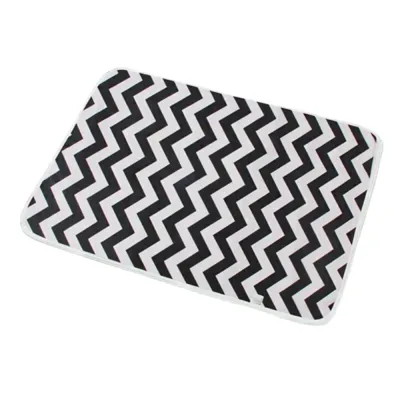
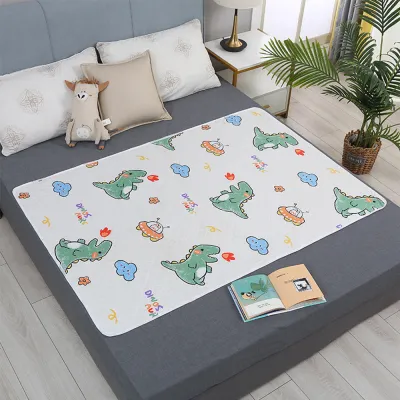
Prices are valid at publication and may change. Please refer to the product page for the latest price.
Key Features to Evaluate Before Buying a Waterproof Mat
Material Safety and Skin Sensitivity
Newborn skin is incredibly thin, delicate, and highly permeable, making it exceptionally sensitive to synthetic chemicals and rough textures. When shopping for a changing mat, parents must carefully review product labels for safety certifications. It is highly recommended to look for materials that are explicitly certified as phthalate-free, lead-free, and BPA-free to minimize chemical exposure.
Many cheap waterproof materials, particularly low-grade vinyl or PVC, can release volatile organic compounds (VOCs) that cause a distinct chemical odor known as off-gassing. To prevent respiratory irritation, prioritize mats made from medical-grade silicone, food-grade polyurethane (PU), or organic cotton with a solvent-free waterproof backing. These materials offer a safer environment for your baby to rest on during changes.
If you plan to use a waterproof mat without a fabric cover, check the tactile quality of the top layer. Cold, sticky plastic surfaces can startle a calm or sleepy newborn, causing them to fuss or squirm during diaper changes. Choose a mat with a soft, textured finish that feels warm to the touch, or plan to use a breathable, machine-washable cover made from organic cotton or bamboo fibers.
Waterproofing Technology and Ease of Cleaning
Waterproofing methods generally fall into two categories: seamless wipeable surfaces and fabric mats with hidden waterproof linings. Seamless surfaces made of molded polyurethane foam or silicone are highly hygienic because they lack stitched seams, crevices, or fabric folds where liquids can pool. These can be wiped clean and sanitized in seconds, making them highly efficient for busy parents.
Fabric-based mats often utilize a hidden layer of thermoplastic polyurethane (TPU) laminated to a soft outer fabric. While these mats feel exceptionally cozy and are highly packable, they require regular machine washing to maintain hygiene. If you choose a fabric-based option, it is wise to purchase a multi-pack so you always have a clean, dry backup available while the others are in the wash.
When evaluating any changing mat, pay close attention to the seam construction. Heat-sealed or high-frequency welded seams are vastly superior to stitched seams, as needle holes can allow liquids to seep into the inner foam padding over time. Once moisture penetrates the inner foam, it becomes nearly impossible to dry completely, leading to hidden mold growth and unpleasant odors.
Size, Contour, and Safety Restraints
Ergonomic design plays a critical role in keeping a wriggling newborn secure during diaper changes. Contoured changing mats feature raised sides—typically in a two-sided or three-sided design—that gently cradle your baby and help prevent them from rolling side to side. This contoured shape is particularly helpful as your baby grows more active and begins to roll over.
Many contoured mats come equipped with built-in safety straps and adjustable buckles to help keep your baby centered. However, parents must remember that safety straps are strictly assistive features and are never a substitute for active parental supervision. You must never leave your baby unattended on a changing surface, even for a split second, regardless of whether the safety strap is fastened.
Before purchasing, inspect the quality of the safety strap’s buckle and adjustment mechanism to ensure it can be easily operated with one hand. Additionally, check the underside of the mat for non-slip grip pads or physical anchoring straps. These features prevent the entire mat from sliding across your dresser or changing table when you are managing an active, squirming infant.
Top Types of Waterproof Changing Mats for Every Parenting Scenario
Contoured Changing Mats for Dedicated Nursery Stations
For parents setting up a permanent changing station in the nursery, a contoured waterproof mat designed to sit atop a dedicated changing table or standard chest of drawers is the ideal choice. These mats are typically constructed from dense, supportive foam that provides comfortable cushioning for your baby’s head and spine, turning any flat furniture surface into a secure changing station.

Standard stationary mats usually measure around 70 to 80 centimeters in length and 40 to 50 centimeters in width, designed to fit standard nursery furniture dimensions. It is vital to measure the surface area of your dresser or changing table before purchasing to ensure the mat fits completely within the boundaries. A mat that overlaps the edges of the furniture can easily tip or slide, posing a serious fall hazard.
Look for stationary models that feature a heavy, non-slip base or include physical safety straps that screw directly into the back of your wooden dresser. This physical connection anchors the mat securely to the furniture, ensuring it remains perfectly stable even when you are dealing with a messy diaper blowout or a highly active infant.
Portable and Foldable Mats for Travel and Public Spaces
Navigating public spaces in Singapore—whether you are visiting shopping malls along Orchard Road, dining out, or spending a day at a park—requires a highly portable, lightweight waterproof mat. These mats are designed to fold or roll up into a compact package that slides easily into a standard diaper bag or clips onto your stroller handlebar for easy access.
A high-quality portable mat should offer a generous surface area when unfolded (at least 60 by 35 centimeters) to fully protect your baby from contact with public changing tables, which may harbor bacteria. Despite this large footprint when open, the mat should fold down to the size of a small clutch, ensuring it does not take up excessive space in your travel bag.
Premium portable designs often incorporate thoughtful features such as integrated foam head pillows to cushion your baby against hard plastic public changing tables. Built-in mesh pockets that hold a few diapers and a travel pack of wipes are also highly convenient, allowing you to carry just the folded mat to the restroom instead of your entire diaper bag. Look for magnetic closures or quick-release buckles that allow you to unfold the mat easily with one hand while holding your baby with the other.
Washable Fabric and Disposable Pads for Quick On-the-Go Changes
For quick transitions, overnight trips, or protecting surfaces outside the nursery—such as your living room sofa, carpet, or master bed—reusable fabric pads and disposable liners offer excellent flexibility. Reusable fabric pads typically feature a soft bamboo, flannel, or cotton fleece top layer with a hidden TPU waterproof backing, combining plush comfort with reliable leak protection.
These washable fabric pads are highly eco-friendly and offer substantial long-term cost savings compared to single-use options. They can be rolled up tightly, tossed into a wet bag after use, and thrown directly into your household washing machine. Having a stack of three to four reusable pads allows you to quickly lay one down on any surface for a safe, clean change without needing a bulky foam mat.
Conversely, disposable waterproof pads are unmatched in convenience for emergency travel, pediatric visits, or as a secondary protective layer placed on top of your main changing mat. They feature an absorbent top sheet and a plastic backing to trap moisture instantly, allowing you to wrap up the entire mess and discard it immediately. However, because they generate ongoing waste and recurring costs, they are best utilized as a backup system rather than a primary daily changing surface.
How to Verify Safety and Waterproof Claims Before Purchase
With countless baby products available on ecommerce platforms and in specialty baby boutiques, parents must know how to cut through marketing claims to verify safety and performance. Start by reading the product’s technical specifications and physical labels for recognized international safety standards. Look for certifications such as OEKO-TEX Standard 100, which guarantees the textile components are free from harmful levels of toxic substances, or CertiPUR-US for polyurethane foam safety.
If a brand claims its product is “100% waterproof,” verify whether this applies to the entire product or just an inner lining. Stitched seams can compromise waterproof integrity, so look for manufacturer descriptions that explicitly mention heat-sealed seams, waterproof zippers, or water-repellent coatings. If the manufacturer’s instructions conflict with your intended use, or if the safety specifications are unclear, contact the brand directly before purchasing.
User reviews can provide invaluable real-world insights into a mat’s long-term durability. Search specifically for feedback regarding waterproofing failures, such as the outer layer peeling, cracking, or bubbling after repeated cleaning, or seams splitting after a few months of use. Reviews that mention persistent chemical odors or skin irritation are also clear warning signs to avoid a particular model.
Finally, always verify the weight and age limits specified by the manufacturer. While most standard changing mats are designed to support babies up to 11 to 15 kilograms (typically around 12 to 24 months of age), some lightweight or portable models have lower thresholds. Ensure the mat you select is structurally rated to safely support your growing newborn throughout their diapering journey.
Cleaning and Maintenance Tips for Singapore's Humid Climate
Singapore’s tropical, high-humidity climate presents unique challenges for maintaining baby gear. Moisture can easily become trapped in fabric folds, seams, or textured surfaces, creating an ideal breeding ground for mold, mildew, and stubborn odors. Establishing a strict daily cleaning routine is essential to preserve hygiene and extend the lifespan of your changing mat.
For daily maintenance, wipe down your waterproof mat immediately after every use using a damp cloth and a mild, baby-safe, non-abrasive cleaner. Avoid using harsh chemical disinfectants, bleach, or alcohol-based wipes unless explicitly approved by the manufacturer’s care instructions. These harsh chemicals can dry out and degrade polyurethane, vinyl, or silicone coatings over time, causing them to crack and lose their waterproof properties.
For deep cleaning, wash fabric covers or machine-washable mats in cold water on a gentle cycle, and ensure they are dried completely. In Singapore’s humid air, line-drying indoors can take a long time, potentially leaving the fabric damp enough to develop a musty smell. If the manufacturer’s care instructions allow, use a low-heat dryer setting, or hang the mat in a well-ventilated area with indirect sunlight and good airflow to ensure all moisture evaporates.
Inspect your changing mat regularly for physical signs of wear and tear. If you notice deep scratches, peeling edges, cracked waterproof barriers, or persistent odors that remain after a thorough cleaning, it is time to replace the mat. Damaged surfaces can harbor bacteria deep within the foam padding, posing a hygiene risk to your baby’s delicate skin.
Frequently Asked Questions (FAQ)
Can I use a regular waterproof mattress protector as a changing mat?
While a regular waterproof mattress protector or flat crib sheet can prevent liquids from seeping into a mattress, it is not a safe or practical substitute for a dedicated changing mat on a dresser or changing table. Flat mattress protectors lack the contoured, raised edges designed to help keep an active newborn centered, and they do not feature the non-slip backing or safety straps required to anchor the changing surface securely to furniture. Using a loose, flat sheet on an elevated surface increases the risk of slips and falls, so flat protectors should only be used on low, flat surfaces like the floor, and always under direct supervision.
How often should I replace a waterproof changing mat?
There is no fixed calendar timeline for replacing a waterproof changing mat; instead, replacement should be guided entirely by the physical condition of the product. You must inspect the mat regularly and replace it immediately if you observe any punctures, tears, or peeling in the waterproof outer layer, as these openings allow moisture to reach the inner foam where mold can grow undetected. Additionally, if the mat develops persistent odors, deep staining, or if the internal foam loses its supportive shape and fails to cushion your baby properly, it should be replaced to maintain a safe and sanitary changing environment.

Community discussion
Share your experience or ask a question. Comments are reviewed before publication.