
When preparing for the arrival of a newborn in Singapore, finding the right waterproof mat is one of the most practical decisions expectant parents can make. A dedicated changing mat provides a hygienic, comfortable, and secure station for the thousands of diaper changes your baby will require during their first year. The ideal solution depends heavily on your daily routine—whether you need a thick, stationary contoured mat for a nursery changing table, a highly portable foldable pad for outings, or a versatile, quick-wipe option that can be used across different rooms in your home.
Singapore’s unique environmental and housing factors play a significant role in this choice. With high humidity levels year-round and the space-saving layouts of modern HDB flats or condominiums, parents must select materials that dry quickly, resist mold, and fit seamlessly into compact living areas. By understanding the core materials, safety features, and design formats available, you can choose a changing mat that keeps your newborn safe and makes daily cleanups effortless.
Why a Dedicated Waterproof Changing Mat Matters
Newborns require diaper changes up to 10 to 12 times a day, making the changing area one of the most high-traffic zones in your home. At this stage, sudden leaks, spills, and diaper blowouts are inevitable occurrences rather than rare exceptions. Without a reliable waterproof barrier, liquid waste can quickly seep into porous surfaces like wooden dressers, mattresses, carpets, or fabric upholstery. This leads to permanent staining, difficult-to-remove odors, and the rapid accumulation of bacteria in areas that are hard to sanitize.
Products mentioned in this guide
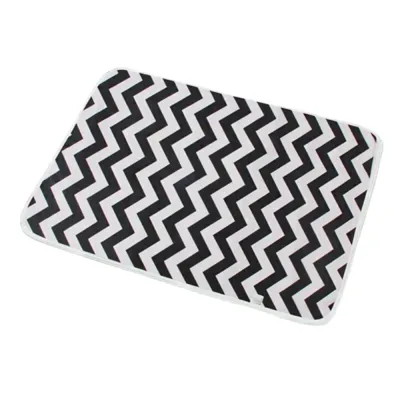
![[3 for $9.90] Waterproof Reusable Baby Diaper Changing Mats 50x70cm Pads For Nappy Change Sleep Travel Friendly](https://img.lazcdn.com/g/p/45fe80dd4dd5a3c3d9dd3dfc78ab64af.png_400x400q80.png_.webp)
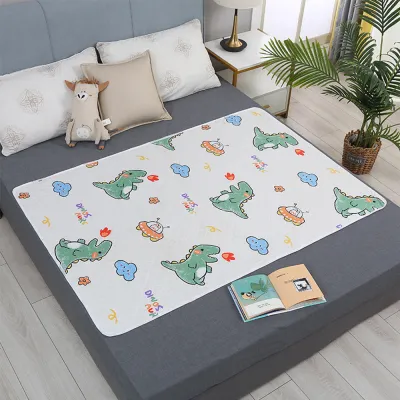
Prices are valid at publication and may change. Please refer to the product page for the latest price.
Using a dedicated waterproof mat establishes a clear, protective shield over your household furniture and mattresses. It ensures that all liquid messes remain contained on a surface designed specifically for rapid cleanup. This barrier is equally crucial when you are away from home. Public changing tables in shopping malls, parks, and community spaces are shared by hundreds of families daily. Having your own portable waterproof mat provides a clean, familiar, and hygienic barrier that protects your newborn’s delicate skin from contact with public surfaces.
Furthermore, Singapore’s tropical, high-humidity climate makes moisture management a top priority for infant health. When liquids seep into non-waterproof fabrics or cheap foam cores, the high relative humidity prevents rapid evaporation. This trapped moisture creates an ideal breeding ground for mold, mildew, and dust mites, which can trigger respiratory issues or skin allergies in sensitive infants. A high-quality waterproof changing mat prevents moisture absorption entirely, allowing the surface to dry rapidly after cleaning and maintaining a healthier nursery environment.
How to Choose a Safe and Durable Waterproof Mat
Waterproof Core Materials
The primary function of a changing mat is to block moisture, and this relies entirely on its waterproof layer. Historically, polyvinyl chloride (PVC) was the standard material used for waterproof baby gear due to its low cost and durability. However, PVC often contains phthalates—chemical plasticizers used to make the plastic flexible—which many parents prefer to avoid due to potential health concerns. Modern, high-quality changing mats typically utilize thermoplastic polyurethane (TPU) or premium polyurethane (PU) coatings as safer, more eco-friendly alternatives. TPU is highly flexible, durable, and provides excellent water resistance without releasing harmful volatile organic compounds (VOCs).

When evaluating product specifications, look for clear labels indicating that the mat is non-toxic, lead-free, BPA-free, and phthalate-free. Parents should prioritize products that carry reputable, independent safety certifications, such as Oeko-Tex Standard 100 or REACH compliance. These certifications verify that the materials have undergone rigorous testing to ensure they are free from harmful levels of toxic chemicals and are safe for direct contact with newborn skin.
Surface and Comfort
A newborn’s skin is incredibly thin and highly sensitive to friction and temperature changes. When choosing a mat, you must balance the convenience of the surface material with your baby’s comfort. Quick-wipe surfaces made of vegan leather or water-resistant polyester offer unmatched convenience because they can be sanitized in seconds with a baby wipe. However, these synthetic materials can sometimes feel cold or sticky against bare skin, particularly in air-conditioned rooms.
Conversely, mats featuring a soft, breathable top layer made of organic cotton, bamboo terry, or muslin—backed by a hidden TPU waterproof layer—provide superior tactile comfort. These natural fibers are gentle on delicate skin and help absorb minor moisture, reducing the risk of sweat rashes in Singapore’s warm weather. The trade-off is that fabric-faced mats require regular machine washing, whereas wipeable surfaces only need a quick manual wipe-down.
Safety and Stability
Physical safety features are paramount to prevent accidents during diaper changes. Look for changing mats equipped with a robust non-slip backing, such as silicone grip dots or a textured rubber base, which keeps the mat firmly in place on smooth wooden dressers or changing tables. Contoured mats with raised, curved outer edges are highly effective at keeping your newborn centered and preventing them from rolling side to side.
Some stationary models also include adjustable safety straps that anchor the mat directly to your changing furniture. It is critical to remember that these physical design features are helpful aids and never replace active caregiver supervision. Newborns can wiggle or roll unexpectedly, so you must maintain active, hands-on supervision at all times during a diaper change, regardless of the mat’s safety features.
Size and Portability
Because Singaporean homes often require space-efficient furniture solutions, measuring your available space before buying is essential. If you plan to use a stationary changing table, chest of drawers, or a cot-top changer, measure its top surface carefully to ensure the mat will fit securely without hanging over the edges. Standard stationary changing mats are typically around 50×70 cm or 45×80 cm.
For families who are frequently on the move, portability is the key factor. Portable mats should be lightweight and fold down compactly into a flat clutch or roll. This allows them to fit easily into standard diaper bags, backpack compartments, or stroller organizers without taking up valuable space needed for other essentials.
Which Type of Waterproof Mat Fits Your Lifestyle?
Categorizing the main types of changing mats helps you select the best format based on your daily routine, nursery layout, and lifestyle preferences.
Portable and Foldable Mats for On-the-Go Parents
For active families who frequently head out for walks, doctor visits, or trips to local shopping centers, a portable and foldable waterproof mat is an indispensable accessory. These mats are engineered to be lightweight, compact, and easy to operate. Many designs feature quick-deploy mechanisms, such as velcro tabs or magnetic closures, allowing you to unfold the mat smoothly with one hand while holding your baby with the other.
When shopping for a travel-friendly option, look for these key features:
- Padded Head Support: A built-in cushion or raised headrest protects your baby's head from hard wooden or plastic changing surfaces in public restrooms.
- Integrated Storage Pockets: Mesh pockets that hold two to three diapers, a travel pack of wipes, and diaper cream turn the mat into a self-contained changing station.
- Compact Fold: The mat should fold down to the size of a small clutch, making it easy to slip into a diaper bag or hang from a stroller handlebar.
These portable mats serve as a reliable, hygienic barrier when using public changing rooms in Singapore’s shopping malls, ensuring your baby never has to lie directly on shared surfaces.
Contoured Mats for Dedicated Changing Tables
If you have designated a specific area in your nursery for diaper changes, such as a traditional changing table or a flat chest of drawers, a stationary contoured mat is the ideal choice. These mats are designed to remain in place and feature a thick, supportive foam core—typically made of high-density polyurethane foam—that provides excellent orthopedic support for your newborn’s head, neck, and spine.
Key benefits and verification steps for contoured mats include:
- Raised Protective Edges: Two-sided or three-sided sloped walls gently cradle your baby, keeping them securely positioned in the center of the mat.
- Anchoring System: High-quality contoured mats feature safety straps on the underside that screw or strap directly into the back of your changing dresser, preventing the mat from sliding.
- Dimension Compatibility: Always verify that the length and width of the mat align perfectly with the safety rails of your changing table frame to avoid any dangerous gaps.
Wipeable and Machine-Washable Mats for Everyday Use
Choosing between a quick-wipe surface and a machine-washable fabric mat depends on your cleaning preferences and how much laundry you want to manage. Wipeable mats made from premium PU leather or water-resistant vegan leather are highly favored for their low-maintenance design. When a mess occurs, you simply wipe the surface clean with a damp cloth or a baby wipe, and the mat is immediately clean, dry, and ready for use.
Alternatively, fabric-faced mats with a laminated waterproof backing offer a cozy, natural feel against your baby’s skin. These mats are typically machine-washable, making it easy to maintain a high standard of hygiene. When washing these mats, it is crucial to follow the manufacturer’s care instructions to protect the waterproof lining:
- Gentle Cycle: Wash on a gentle cycle with a mild, baby-safe detergent.
- Avoid Fabric Softeners: Softeners can leave a chemical residue that reduces the water resistance and absorbency of the fabric.
- Air Dry: Air dry the mat out of direct, intense sunlight. Avoid high-heat tumble drying, as excessive heat can cause the waterproof TPU laminate to crack or peel over time.
Daily Safety and Maintenance for Changing Mats
Maintaining your changing mat properly ensures it remains safe, hygienic, and functional throughout your baby’s infancy.
Fall Prevention The most critical safety rule of diaper changing is fall prevention. Even newborns who cannot yet roll can wiggle, slide, or push themselves off surfaces unexpectedly. Always keep at least one hand on your baby at all times during a change. Before you lay your baby down, ensure that all necessary supplies—including clean diapers, wipes, diaper cream, and a change of clothes—are within arm’s reach. Never walk away from the changing table to retrieve an item, even if your mat has high contoured edges or a buckled safety strap.
Cleaning Protocols Regular cleaning is essential to prevent the buildup of bacteria and odors. For wipeable surfaces, wipe down the mat immediately after every diaper change. Use a mild soap and warm water solution or alcohol-free, fragrance-free baby wipes. Avoid using harsh household disinfectants, bleach, ammonia, or abrasive scrubbing pads. These strong chemicals and abrasive tools can degrade the protective waterproof coating, causing the material to crack, peel, or lose its water-repellent properties.
Humidity and Storage Singapore’s humid climate presents unique challenges for storing baby gear. Never fold or store a changing mat while it is damp. Trapped moisture can quickly lead to mold and mildew growth, particularly in the seams, folds, or underneath the mat where it rests on a wooden surface. After cleaning, allow the mat to air dry completely in a well-ventilated room. If you are using a fabric mat, ensure the inner foam core or waterproof backing is entirely dry before storing it in a closed drawer or wardrobe.
When to Replace Regularly inspect your changing mat for signs of wear and tear. You should replace the mat immediately if you notice any peeling or cracking in the waterproof layer, as these crevices can harbor bacteria and moisture that cannot be easily sanitized. Other signs that it is time for a replacement include deep, persistent stains that resist cleaning, torn seams, compromised non-slip backing, or a foam core that has lost its shape and support.
Frequently Asked Questions (FAQ)
Can I use a regular waterproof mattress protector as a changing mat?
While a waterproof mattress protector or a simple flat bed pad can serve as a temporary emergency backup, it is not designed to replace a dedicated changing mat for daily use. Mattress protectors are typically thin, flat sheets designed to cover large sleeping areas and lack the structural support, cushioning, and safety features of a dedicated mat.
A proper changing mat provides a cushioned surface to protect your newborn’s delicate head and spine from hard surfaces, along with critical safety features like contoured edges and a non-slip base to prevent sliding. Relying on a thin mattress protector on an elevated surface like a dresser increases the risk of the pad slipping or the baby rolling off. Keep mattress protectors on the bed and invest in a dedicated mat for diaper changes.
Are wipeable changing mats safe for a newborn's sensitive skin?
Yes, wipeable changing mats are safe for newborns, provided they are manufactured from high-quality, non-toxic materials. When selecting a wipeable mat, verify that it is certified free from harmful chemicals such as phthalates, BPA, lead, and formaldehyde. Many premium brands use food-grade silicone or polyurethane (PU) leather, which are inherently safe and hypoallergenic.
If you are concerned about the synthetic surface feeling cold or causing your baby to sweat in Singapore’s warm climate, a practical solution is to place a soft, breathable liner over the mat. Laying down a washable organic cotton liner, a soft muslin cloth, or a receiving blanket on top of the wipeable mat provides a cozy, gentle surface for your baby’s skin while retaining the benefit of the waterproof barrier underneath to catch any major leaks.

Community discussion
Share your experience or ask a question. Comments are reviewed before publication.