
Changing a diaper on a bed is a highly practical choice for many parents in Singapore, offering a spacious, comfortable surface without the need for bulky nursery furniture. However, protecting your mattress from unexpected leaks, spills, and diaper blowouts requires a reliable, high-quality waterproof mat for bed use. The ideal mat must balance absolute liquid protection with breathability, especially given Singapore’s tropical climate, while remaining easy to clean amidst a busy parenting schedule.
Why Use a Waterproof Mat on the Bed for Diaper Changes?
In Singapore, residential spaces like Housing & Development Board (HDB) flats and condominiums often require smart, space-saving furniture choices. A dedicated, standalone changing table can occupy significant floor space in a compact nursery or master bedroom. Utilizing your existing bed for diaper changes eliminates the need for extra furniture, keeping your living spaces open and clutter-free.
Nighttime diapering also becomes significantly more manageable when done directly on the bed. Instead of carrying a sleepy, fussing baby to another room or a cold changing station, you can perform quick, quiet changes right next to where you sleep. This minimizes sleep disruption for both you and your infant, allowing everyone to settle back down much faster.
Products mentioned in this guide
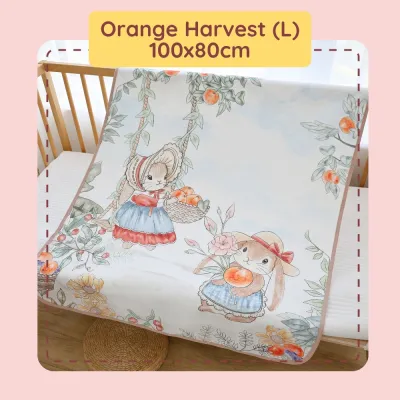
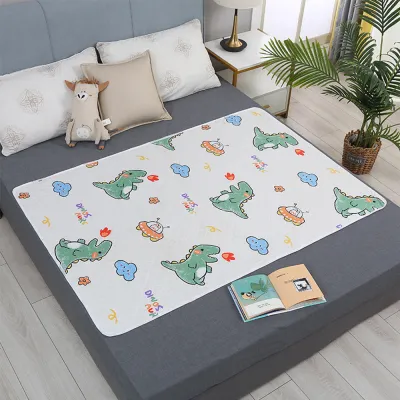
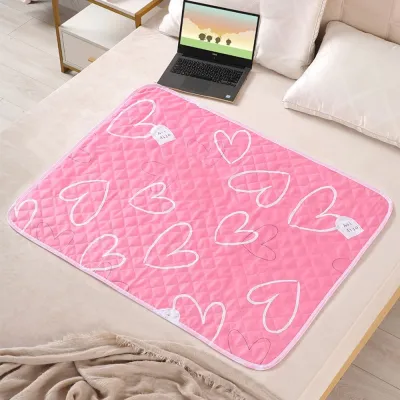
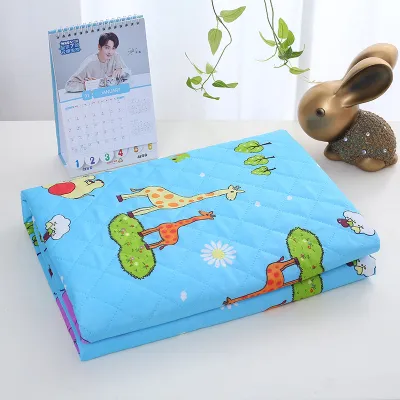
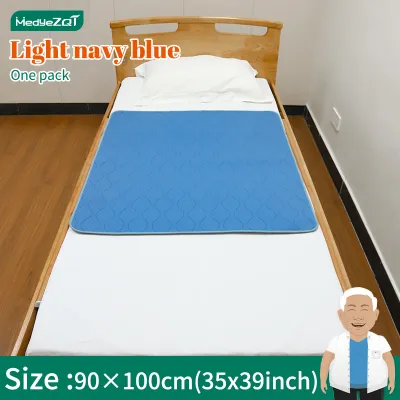
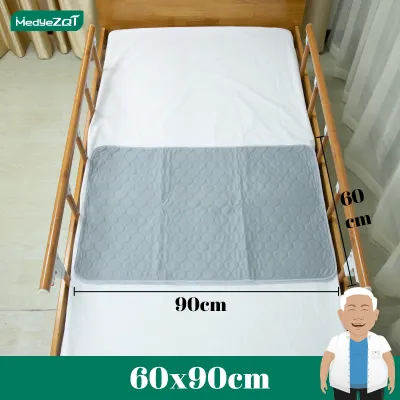
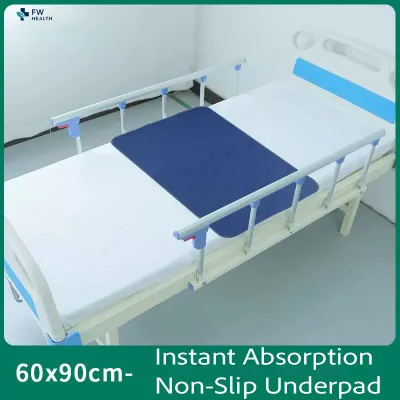
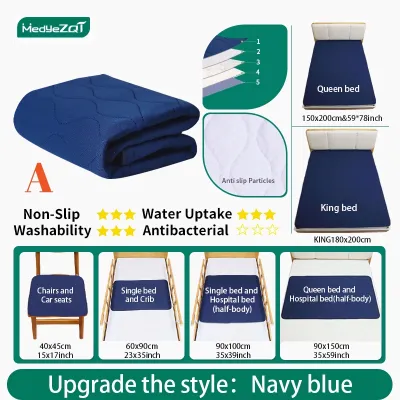
Prices are valid at publication and may change. Please refer to the product page for the latest price.
However, beds present a major risk: high-quality mattresses, particularly those made of pocket springs, memory foam, or natural latex, are substantial investments. Moisture, urine, and blowout stains can easily penetrate standard bedsheets, seeping deep into the mattress core where they cause permanent stains, unpleasant odors, and mold growth. A dedicated waterproof mat acts as an impenetrable shield, ensuring that even the most sudden diaper mishaps do not compromise your bedding or mattress hygiene.
Key Features to Evaluate When Choosing a Waterproof Mat
Material Safety and Certifications
Since your baby’s delicate skin will make direct contact with the mat, verifying material safety is paramount. Look for recognized independent certifications such as OEKO-TEX Standard 100, which ensures the fabric has been tested for harmful substances. Avoid mats containing polyvinyl chloride (PVC), phthalates, lead, or bisphenol A (BPA). Instead of relying solely on brand marketing, check the physical product labels or official manufacturer documentation to confirm these safety standards.

Absorbency vs. Waterproofing
A superior changing mat utilizes a multi-layered design. The top layer should be highly absorbent, quickly drawing minor moisture away from your baby’s skin to prevent pooling. The bottom layer must feature a completely waterproof, non-slip barrier—typically made of thermoplastic polyurethane (TPU) or polyurethane laminate (PUL)—to stop liquids from reaching your bedsheets. This combination prevents messy runoffs that can occur on purely non-absorbent plastic surfaces.
Breathability and Climate Suitability
Singapore’s year-round heat and high humidity make breathability a critical comfort factor. Synthetic, non-breathable plastics trap body heat and sweat, which can quickly irritate your baby’s skin and contribute to heat rash or diaper dermatitis. Opt for mats featuring breathable top layers made of natural fibers like organic cotton or bamboo rayon, which naturally regulate temperature and feel cool against the skin.
Size and Coverage
The mat must provide a generous changing zone that accommodates your growing baby while protecting a reasonable area of the bed. A mat that is too small leaves the surrounding bedsheets vulnerable when your baby wiggles or rolls. Conversely, an excessively large mat can be cumbersome to fold, wash, and store. Aim for a size that comfortably covers the central changing area without creating loose, bunched-up fabric that could pose a tripping or slipping hazard on the bed.
Ease of Cleaning
Consider your daily laundry routine when choosing between machine-washable fabric pads and wipe-clean surfaces. Machine-washable mats offer deep, hygienic cleaning but require drying time, meaning you will need a rotation of multiple pads. Wipe-clean mats, often coated with PU or TPU, allow you to sanitize the surface instantly with a baby wipe or damp cloth, making them highly convenient for consecutive changes but potentially less cozy for the baby.
Types of Waterproof Mats for Bed Use
Washable Waterproof Pads
Fabric-based washable pads are a popular choice for home bed changes due to their soft, quilted textures. Typically constructed with a cotton or bamboo top layer, a polyester fiberfill middle, and a waterproof TPU backing, they feel like a mini-blanket. These pads are highly eco-friendly and cost-effective over time, as they can withstand hundreds of wash cycles. However, because they must be laundered after major soils, you will need to purchase a pack of two or three to ensure you always have a clean one available while others are in the wash.
Wipeable PU or TPU Mats
These mats feature a smooth, water-resistant surface that does not absorb liquids. Instead, any mess pools on top, allowing you to wipe it clean instantly with a baby wipe or a damp cloth sprayed with a baby-safe sanitizer. They are incredibly durable and eliminate the need for immediate machine washing, making them highly efficient for busy parents. The primary trade-off is their lack of breathability; in humid Singapore homes without 24/7 air conditioning, these surfaces can feel sticky or warm against a baby’s bare back during longer changing sessions.
Disposable or Travel-Friendly Liners
Designed for maximum portability, these thin, lightweight liners often feature a soft non-woven top sheet and a plastic backing. They are ideal for travel, pediatric visits, or as emergency backups in your diaper bag. While they offer unmatched convenience because you can simply discard them after use, they are not recommended as a primary daily solution at home. The ongoing cost of purchasing disposables accumulates quickly, and the environmental impact of single-use plastics runs counter to sustainable living practices.
Top Waterproof Bed Mats for Diaper Changes in Singapore
Best Overall for Everyday Use: Quilted Bamboo Waterproof Changing Pad
This category of mat features a top layer made of ultra-soft bamboo rayon, a highly absorbent middle layer, and a silent, non-slip TPU waterproof backing. It offers the perfect balance of comfort, high absorbency, and reliable mattress protection.
- Key Features: Naturally hypoallergenic bamboo surface, highly absorbent inner core, and a completely silent waterproof backing that does not crinkle when the baby moves.
- Ideal User: Parents looking for a soft, highly breathable mat for daily bed changes that can be easily tossed into the washing machine.
- Limitations: Requires air-drying or low-heat tumble drying to protect the TPU layer, which extends the laundry turnaround time.
- Verification: Check local Singapore baby specialty stores or official online brand stores to verify current availability and specific dimensions.
Best Budget-Friendly Option: Multi-Pack Flannel Waterproof Liners
These liners typically come in packs of three or more, featuring a soft cotton flannel surface on both sides with a thin, waterproof inner layer. They are highly affordable, compact, and easy to swap out quickly after minor leaks.
- Key Features: Double-sided cotton flannel, lightweight design, and highly compact for easy storage in a bedside drawer.
- Ideal User: Budget-conscious families who want a simple, reliable backup system to place over their main changing area.
- Limitations: They are generally thinner and smaller than premium mats, offering a more localized protection zone that may not suffice for highly active, rolling babies.
- Verification: Look for multi-packs on major local ecommerce platforms or baby boutiques, ensuring you check the fabric composition before buying.
Best Premium or Organic Option: Organic Cotton Quilted Waterproof Mat
Crafted from certified organic cotton without any chemical dyes or synthetic top treatments, this premium option features a luxurious quilted texture. The waterproof barrier is typically made from food-grade polyurethane or a highly breathable, non-toxic membrane.
- Key Features: Certified organic cotton top layer, thick quilted cushioning, and a non-toxic, breathable waterproof barrier.
- Ideal User: Parents of newborns with highly sensitive skin, eczema, or allergies who prioritize organic, chemical-free materials.
- Limitations: Sits at a higher price point (often over S$50) and requires gentle, specialized laundering to maintain the organic fibers.
- Verification: Visit premium nursery boutiques in Singapore or official organic brand websites to confirm stock and organic certifications.
Best for Travel and On-the-Go: Foldable Clutch Changing Mat
This compact option folds up into a neat clutch, often featuring built-in pockets for wipes and diapers. The changing surface is made of a durable, wipe-clean, PVC-free material that unfolds quickly over any bed, public changing table, or car seat.
- Key Features: Ultra-portable folding design, integrated storage pockets, and an easy-to-sanitize wipe-clean surface.
- Ideal User: Active parents who frequently travel, visit family, or go on outings across Singapore and need a self-contained changing station.
- Limitations: The wipeable surface is less cushioned and less breathable than fabric pads, making it better suited for quick, temporary changes rather than extended home use.
- Verification: Check major baby gear retailers or official brand stores in Singapore to view the latest designs and folding mechanisms.
Cleaning and Maintenance Tips for Waterproof Mats
Routine Cleaning
To maintain the hygiene and performance of your waterproof mats, establish a consistent cleaning routine based on the material type. For wipeable PU or TPU mats, wipe the surface immediately after every use with a gentle, alcohol-free baby wipe or a clean cloth dampened with mild soapy water. For washable fabric pads, wash them in cold or warm water (not exceeding 40°C) using a mild, hypoallergenic baby detergent. Avoid using fabric softeners or chlorine bleach; fabric softeners leave a chemical residue that coats the fibers, drastically reducing the mat’s absorbency over time, while bleach can degrade the waterproof backing.
Stain and Odor Removal
Diaper blowouts can leave stubborn stains and persistent odors on fabric mats. Address these promptly by rinsing the soiled area under cold running water before washing. For tough stains, create a paste using baking soda and water, gently rub it into the spot, and let it sit for 15 to 30 minutes before running it through the wash cycle. Ensure the mat is rinsed thoroughly to remove all soap and baking soda residues, which could otherwise irritate your baby’s sensitive skin.
Drying Best Practices
Proper drying is crucial for preserving the integrity of the waterproof barrier. High heat is the primary enemy of TPU and polyurethane laminates, as it can cause the waterproof layer to melt, crack, or peel away from the fabric. Always line-dry your washable mats in a well-ventilated area, preferably in indirect sunlight. If you must use a tumble dryer, select the lowest heat or air-fluff setting, and remove the mat as soon as the cycle finishes.
When to Replace
Even the highest-quality waterproof mats have a finite lifespan. Inspect your mats regularly for signs of wear and tear. If you notice the waterproof backing peeling, cracking, or bubbling, the mat will no longer protect your bed effectively. Persistent odors that remain after a thorough wash, or a noticeable decrease in the top layer’s absorbency, are also clear indicators that it is time to replace the mat to maintain a hygienic diapering environment.
Frequently Asked Questions (FAQ)
Can I use a regular waterproof mattress protector instead of a changing mat?
While a full-bed waterproof mattress protector is excellent for overall bed protection, it is not a practical substitute for a dedicated changing mat. Mattress protectors are designed to sit under your fitted sheet, making them difficult to remove and wash quickly after a localized diaper mess. A dedicated changing mat is highly portable, designed for rapid cleanups, and often features an absorbent top layer that prevents liquids from pooling and running off onto your pillows or blankets. For the ultimate peace of mind, use both: a full mattress protector as your baseline defense and a portable changing mat for the actual diaper change.
How many waterproof mats should I buy for a newborn?
For a newborn, a practical baseline is to own three washable waterproof mats. This quantity ensures a seamless rotation: one mat is in active use on the bed, one is in the laundry basket or washing machine, and one is clean and ready in your nursery drawer. If you prefer wipe-clean PU or TPU mats, you may only need one primary mat for home use because it can be sanitized instantly, though having a secondary fabric pad or a compact travel liner as a backup is highly recommended for emergencies or outings.
Are waterproof mats safe for babies with sensitive skin or eczema?
Yes, waterproof mats are safe for babies with sensitive skin, provided you choose the right materials and maintain them properly. The waterproof barrier (such as TPU) is typically sandwiched in the middle or placed on the very bottom, meaning it does not make direct contact with your baby’s skin. The layer your baby lies on is usually made of soft, natural fibers like organic cotton or bamboo. To protect sensitive skin, always verify that the top layer is free from synthetic dyes and harsh chemical finishes, wash the mats with fragrance-free baby detergents, and consult your pediatrician if your baby experiences persistent skin irritation.

Community discussion
Share your experience or ask a question. Comments are reviewed before publication.