
Finding the right water tap extender kid accessory is one of the simplest ways to transform a daily bathroom routine from a stressful struggle into an empowering, independent experience for your child. In Singapore homes, where bathroom layouts vary from classic HDB flats with standard round spouts to modern condominium units featuring designer square faucets, selecting the correct extender requires matching the attachment mechanism to your specific tap shape. By bringing the water stream closer to small hands, these simple tools eliminate the need for dangerous overreaching, helping toddlers wash their hands and brush their teeth with ease.
The ideal choice balances secure attachment, child-safe materials, and ease of cleaning to withstand Singapore’s humid climate. While there is no single “one-size-fits-all” model, understanding how different designs interact with your existing fixtures ensures you select a safe, durable option. This guide breaks down the primary categories of tap extenders available in Singapore, helping you evaluate compatibility, material safety, and maintenance requirements to find the perfect fit for your home.
Why Toddlers Need a Water Tap Extender
Teaching young children healthy hygiene habits is a cornerstone of early developmental growth, particularly during the active toddler years of ages one to three. At this stage, toddlers are eager to perform tasks independently, yet standard bathroom sinks are physically designed for adult proportions. A water tap extender bridges this physical gap, extending the water flow forward so that small hands can reach the stream without straining or leaning precariously over the edge of the vanity. This simple adjustment fosters a sense of personal autonomy, encouraging children to wash their hands and brush their teeth willingly.
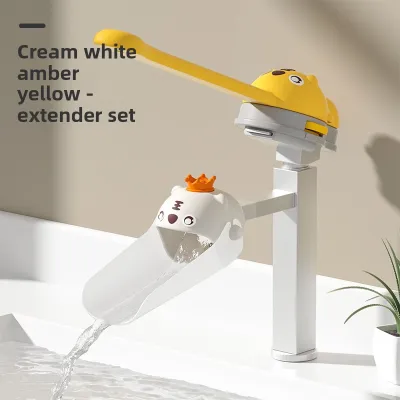
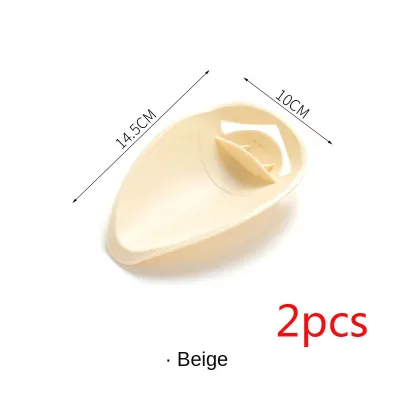
Products mentioned in this guide
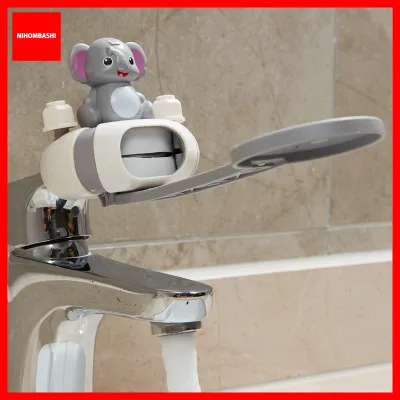
![[SG SELLER] [FREE SHIPPING] Children Kids Faucet Tap Extender Sink Wash Hands Guides Flow Of Water Nearer To Child](https://img.lazcdn.com/g/p/e087de8b9b1ded907e95266a02c5c5c0.jpg_400x400q80.jpg_.webp)
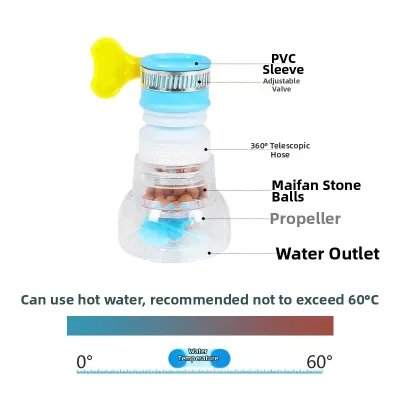
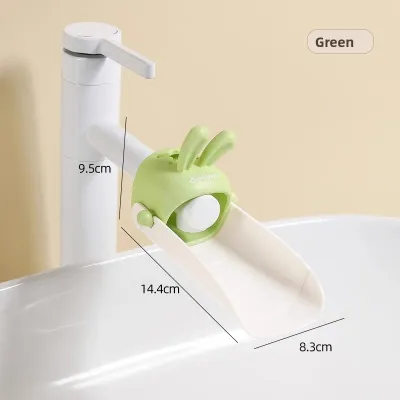
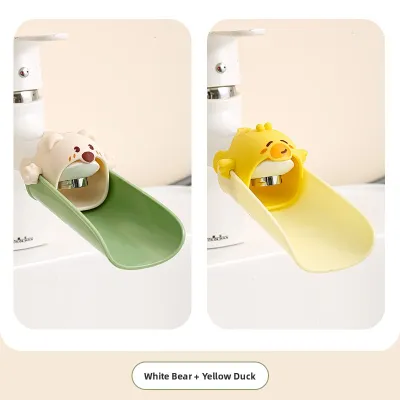
![[Kawaii Kiddy] Mickey Faucet Tap Extender](https://img.lazcdn.com/g/p/a4cc8f16ad43a82620e847f3c3eaf4be.png_400x400q80.png_.webp)
Prices are valid at publication and may change. Please refer to the product page for the latest price.
Safety is the most critical benefit when introducing a tap extender to your bathroom. Without an extender, toddlers often have to stand on their tiptoes on top of step stools, stretching their entire upper bodies over the sink basin to reach the water. This overreaching significantly increases the risk of slipping, losing balance, and suffering painful falls onto hard bathroom tiles. By channeling the water stream closer to the front edge of the basin, the extender allows your child to maintain a stable, upright posture on their step stool, dramatically reducing the likelihood of bathroom accidents.
From a practical household perspective, tap extenders are highly effective at minimizing daily mess and water damage. When a child struggles to reach a distant water stream, they often splash water onto the faucet base, the surrounding countertop, and their own clothing. This excess moisture quickly pools on the bathroom floor, creating a major slipping hazard for the entire family and potentially damaging wooden vanity cabinets over time. An extender directs the water flow in a controlled, predictable path, keeping the moisture contained within the sink basin and keeping your toddler’s clothes dry.
While a tap extender is an excellent tool for promoting self-reliance, it does not replace the necessity of active adult supervision. Toddlers lack the cognitive ability to assess water temperature risks and can easily turn on the hot water tap by mistake, leading to accidental scalds. Caregivers must always remain within arm’s reach during water use to monitor the temperature, ensure proper handwashing techniques, and assist with any physical adjustments. Integrating a tap extender into your home should be viewed as a supervised step toward independence rather than a license to leave a young child unattended in the bathroom.
Key Features to Look for in a Tap Extender
When shopping for a water tap extender kid accessory, prioritizing material safety is paramount because the water flowing through the device will directly contact your child’s skin and toothbrush. Parents should look for products made from high-quality, food-grade silicone or non-toxic plastics. It is vital to verify product packaging or manufacturer documentation for explicit BPA-free, phthalate-free, and PVC-free certifications. Simply relying on generic material names like “silicone” or “plastic” is not enough, as low-grade manufacturing processes can sometimes introduce chemical additives that are unsuitable for regular contact with young children.

Tap compatibility is another crucial factor that determines whether an extender will actually work in your Singapore home. Older HDB flats frequently feature simple, round utility taps, whereas newer BTO flats and private condominiums often install sleek, square faucets, wide waterfall spouts, or pull-out kitchen-style sprayers. Before making a purchase, examine the shape, width, and depth of your faucet spout. A clip-on model that relies on elastic stretching will not fit a wide, square modern faucet, while a screw-on model requires specific internal or external threads that are completely absent on standard round utility taps.
Water flow control is an often-overlooked feature that directly impacts how clean your bathroom stays. The best tap extenders are designed to channel water smoothly without restricting the flow or causing high-pressure spraying. Look for designs that incorporate wide, gently curved channels or built-in aerator adapters that soften the water stream. A well-designed flow control mechanism ensures that even if a child turns the tap on fully, the water flows in a gentle cascade rather than shooting forcefully over the edge of the sink, preventing unnecessary messes and keeping water usage efficient.
In Singapore’s hot and highly humid climate, bathroom accessories are exceptionally prone to rapid mold, mildew, and bacterial growth. Therefore, selecting an extender with an easy-to-clean, crevice-free design is essential for maintaining daily hygiene. Complicated shapes with deep folds, hollow internal chambers, or decorative cartoon crevices can trap stagnant water and soap scum, creating an ideal breeding ground for black mold. Opt for streamlined, open-channel designs that can be wiped down quickly and disassembled easily for thorough washing, ensuring that the water washing your child’s hands remains clean and sanitary.
Best Types of Water Tap Extenders for Toddlers
To help you navigate the diverse options available on the market, tap extenders can generally be categorized into three primary designs based on how they attach to your sink setup. Each type offers distinct advantages depending on your faucet’s shape, your household’s aesthetic preferences, and your tolerance for routine maintenance. Understanding these categories allows you to narrow down your choices to the most practical solution for your family’s specific bathroom configuration.
The following comparison table evaluates the three main extender designs across key operational dimensions, helping you make an informed decision based on your home setup:
| Extender Type | Best Tap Shape Compatibility | Installation Effort | Mold Risk | Toddler Friendliness |
|---|---|---|---|---|
| Silicone Clip-On | Standard round or slightly oval faucets | Extremely low (stretches on manually) | Moderate (requires regular removal to clean) | High (soft texture, simple design) |
| Suction Cup | Square, wide, or unconventional faucets | Low (attaches to sink basin surface) | High (water pools under suction cups) | Very High (often features playful shapes) |
| Adjustable Screw-On | Threaded modern faucets (internal/external) | Moderate (requires removing existing aerator) | Low (minimal hidden crevices, secure fit) | Moderate (looks like a standard fixture) |
Before making a final purchase, parents are highly encouraged to check specific manufacturer specifications and read user reviews on major online marketplaces or local baby product stores. Customer feedback often reveals how well a specific extender holds up under daily use, whether the material retains its shape over time, and if other parents with similar Singapore home layouts experienced compatibility issues.
Silicone Clip-On Extenders
Silicone clip-on extenders feature a highly flexible, elastic sleeve that manually stretches directly over the end of your faucet spout. Because the material is naturally pliable, it grips the metal body of the tap to hold the plastic directing ramp in place, channeling the water forward. This design is incredibly straightforward and relies entirely on the physical friction and elasticity of the silicone to maintain its position.
This type of extender is ideal for standard round or slightly oval taps, which are commonly found in older HDB bathrooms, utility yards, and traditional kitchen sinks. The stretchy opening accommodates minor variations in diameter, making it a highly versatile option for conventional, straight-nosed faucets that do not have complex geometric angles or wide decorative profiles.
The primary advantages of silicone clip-on extenders include their tool-free installation, ease of removal for quick rinsing, and general affordability. They can be slipped on or off in seconds, making them highly convenient for families who share a single bathroom and prefer to remove the extender when adults use the sink. Additionally, their soft, flexible construction means there are no sharp edges that could accidentally scratch a toddler.
However, silicone clip-on extenders come with notable limitations, as they are generally incompatible with square, oversized, or pull-out kitchen and bathroom taps. If forced onto an incompatible shape, the silicone can tear or slip off continuously during use. Over time, constant exposure to warm water and stretching can cause the silicone to lose its natural elasticity, leading to a loose fit that slides off the tap whenever the water pressure increases.
Suction Cup Splash Catchers
Suction cup splash catchers take a completely different approach by bypassing the faucet entirely and attaching directly to the flat surface of the sink basin. This design typically features a wide, ramp-like plastic slide that sits beneath the faucet spout, catching the falling water and directing it forward toward the front of the sink where a toddler can easily reach it.
This design is ideal for households with unconventional tap shapes, such as wide waterfall faucets, square modern spouts, or pull-out sprayers where traditional clip-on or screw-on extenders simply cannot attach. It is also highly effective for deep, recessed basins where the distance between the faucet and the front edge of the sink is exceptionally wide.
The main benefit of suction cup splash catchers is their universal tap compatibility, as they do not require any physical connection to the faucet itself. Because they do not block the faucet head, they often feature fun, toddler-friendly shapes and colorful designs that make handwashing feel like a playful activity. They are also easy to reposition as your child grows and their reach changes.
On the downside, these extenders require a perfectly smooth, non-porous ceramic or glass sink surface for the suction cups to maintain a secure hold. If your sink has a textured matte finish, minor surface scratches, or curved contours, the suction cups will struggle to stick. Furthermore, the suction grip can weaken rapidly over time due to temperature fluctuations from hot water use or the gradual buildup of soapy residue beneath the cups.
Adjustable Screw-On Extenders
Adjustable screw-on extenders represent the most secure and permanent attachment method available, screwing directly into the existing threads of your faucet’s aerator. These models often feature a dual-jointed or flexible metal and plastic neck, allowing you to swivel, tilt, or extend the water stream in multiple directions depending on who is using the sink.
This type of extender is ideal for modern condominium bathrooms, newer HDB BTO flats, or utility sinks equipped with standard internal (female) or external (male) aerator threading. If your faucet has a removable aerator tip, it can likely accommodate a screw-on extender, providing a seamless and highly integrated look that blends in with your existing bathroom fixtures.
The standout advantage of screw-on extenders is their incredibly secure fit, which completely eliminates the risk of the device slipping, sliding, or blowing off under high water pressure. Because they feature adjustable joints, they allow for precise control over the angle and distance of the water stream, and many models can be swiveled out of the way entirely when an adult needs to use the basin.
However, these extenders require matching thread sizes, meaning parents must carefully measure their faucet’s aerator threads and check the manufacturer’s adapter kit before purchasing. The installation process is more involved than other types, often requiring you to unscrew the existing aerator using a wrench or pliers and carefully install rubber washers to prevent leaks. Additionally, the metal and plastic joints can collect mineral scale over time, requiring periodic descaling to maintain smooth movement.
Installation and Hygiene Maintenance
Before installing any water tap extender kid accessory, performing thorough pre-installation checks is essential to ensure a secure fit and prevent structural damage. Begin by cleaning the faucet spout or the sink basin surface thoroughly with a mild detergent to remove any soap scum, mineral deposits, or oily residues. Dry the surface completely with a clean microfiber cloth; any remaining moisture or soap film will cause silicone sleeves to slip and suction cups to lose their grip immediately upon installation.
Establishing a routine cleaning schedule is vital to keep the extender hygienic and safe for daily contact with your child’s hands. At least once a week, remove the extender completely and wash it thoroughly using warm water and a mild, baby-safe dish soap. Avoid using harsh chemical cleaners, abrasive scrubbing pads, or concentrated bleach, as these substances can degrade food-grade silicone, weaken plastic components, and leave behind toxic chemical residues that could transfer to your child’s hands.
In Singapore’s highly humid bathroom environments, mold prevention must be a top priority for parents. Even if an extender is made from mold-resistant silicone, stagnant water can easily become trapped in the tight contact zone between the extender sleeve and the metal faucet spout. To prevent black mold from colonizing these hidden areas, make it a habit to remove the extender periodically, wipe both the inside of the sleeve and the outside of the faucet dry, and allow the components to air out completely before reattaching.
Parents should remain vigilant for clear replacement signals that indicate an extender has reached the end of its safe lifespan. If you observe persistent black mold spots embedded deep within the silicone that cannot be washed away, it is time to discard the product. Other warning signs include a noticeable loss of suction cup grip, visible tearing or cracking along the silicone seams, or a loose, slipping fit that causes the extender to fall off repeatedly during normal water use.
Finally, always respect the safety boundaries of your bathroom fixtures when using an extender. If you notice that the extender alters the water temperature mixing function, causes water to back up into the faucet body, or results in the tap leaking at its base, stop using the device immediately. These issues suggest that the extender is restricting flow or creating backpressure that your plumbing fixtures are not designed to handle; in such cases, consult the manufacturer’s customer service or a qualified professional plumber for advice.
Frequently Asked Questions (FAQ)
Are water tap extenders safe for drinking water?
While many high-quality tap extenders are manufactured using food-grade, BPA-free silicone and non-toxic plastics, they are primarily designed for handwashing and brushing teeth rather than regular oral consumption. The internal channels and connecting sleeves of these extenders can easily trap small amounts of stagnant water, soap residue, and airborne bacteria, which can multiply rapidly in humid bathrooms. Parents should always consult the manufacturer’s explicit product guidelines regarding drinking water safety. For drinking purposes, it is always safest to source water directly from an unfiltered or properly filtered tap without an auxiliary plastic or silicone extender attached.
How do I measure my tap for an extender?
To ensure a proper fit before purchasing, use a standard measuring tape or a set of calipers to measure the outer diameter of your faucet’s spout. If you are planning to purchase a silicone clip-on model, compare this measurement against the manufacturer’s specified stretch range to confirm the opening can accommodate your tap. For adjustable screw-on models, you must first unscrew your faucet’s existing aerator to determine if it has internal (female) or external (male) threads. Measure the thread diameter—common household sizes are typically 22mm or 24mm—and verify that the extender you are buying includes the corresponding adapter size to ensure a leak-free installation.
Community discussion
Share your experience or ask a question. Comments are reviewed before publication.