
To baby-proof a Singapore home effectively, the best wall plug covers must be specifically designed for the British standard Type G electrical socket. Because Singapore outlets feature three flat, rectangular pins and often include individual built-in switches, generic international safety covers will not fit securely. Choosing the right plug cover wall option depends entirely on how you use each outlet: completely unused sockets are best secured with heavy-duty, tool-removed plug-in caps; frequently accessed outlets benefit from auto-closing sliding faceplates; and active sockets with plugged-in appliances require lockable outlet box covers to prevent toddlers from pulling out live cords.
By focusing on physical compatibility, material safety, and your home’s daily layout, you can create a reliable barrier against electrical hazards. Below is a comprehensive guide to selecting, installing, and maintaining the safest wall plug covers for your household.
What to Look for When Baby-Proofing Singapore Type G Sockets
Singapore homes utilize the distinctive Type G electrical outlet, characterized by three rectangular slots arranged in a triangular pattern. This standard operates at a nominal voltage of 230V, which carries a significant risk of severe electrical shock if a child inserts conductive foreign objects into the live terminals. Unlike US or European sockets, which are often circular or flat-faced, the Type G socket possesses a unique mechanical safety shutter system. This shutter system is designed to open the live and neutral ports only when the longer ground pin is inserted. However, curious toddlers can sometimes bypass this mechanical shutter by pushing objects into the top ground slot while simultaneously poking thin items into the lower live slots. This makes physical plug cover wall solutions an essential secondary line of defense in childproofing.
Products mentioned in this guide


Prices are valid at publication and may change. Please refer to the product page for the latest price.
In Singapore, standard sockets are rated at 13 amperes and are governed by strict safety standards. These design specifications mean that exact physical compatibility with local Type G outlets is absolutely non-negotiable. Many mass-market safety products sold online are manufactured for US (Type A and B) or European (Type C and F) sockets. Attempting to force these mismatched covers into a Singapore socket can cause several dangerous issues. A loose-fitting cover can easily fall out or be pried away by a child, creating an immediate choking hazard. Furthermore, forcing an ill-fitting plastic prong into a socket can bend or damage the internal copper contact leaves, leading to poor electrical contact, localized overheating, and potential electrical arcing when a real appliance is later plugged in.
Another critical factor is the balance between child resistance and adult accessibility. A safety cover is only effective if adults actually use it consistently. If a cover is exceptionally difficult for an adult to remove or operate during daily chores, there is a high likelihood that it will be left off “just this once,” leaving the socket exposed to curious fingers. The ideal cover requires a level of finger strength, coordination, or a specific tool that exceeds a toddler’s developmental capabilities, yet remains straightforward for an adult to operate.
Finally, you must assess your home’s specific layout and socket usage patterns. Do not treat every outlet in your home the same way. Unused sockets located near floor level require semi-permanent blocking, while outlets used daily for vacuuming or phone charging need highly accessible, self-closing mechanisms. Sockets that power permanent appliances, such as refrigerators, air purifiers, or television consoles, present a different risk: children pulling on the cords. Identifying these distinct scenarios allows you to deploy a mix of different cover styles across your living room, kitchen, and bedrooms for maximum safety and convenience.
Comparing the Main Types of Wall Plug Covers
To build a comprehensive safety strategy, you need to understand the three primary designs of plug covers available in the Singapore market. Each type serves a distinct purpose, offering unique advantages and specific limitations depending on the socket’s location and usage frequency.

Plug-In Caps (Insert Protectors)
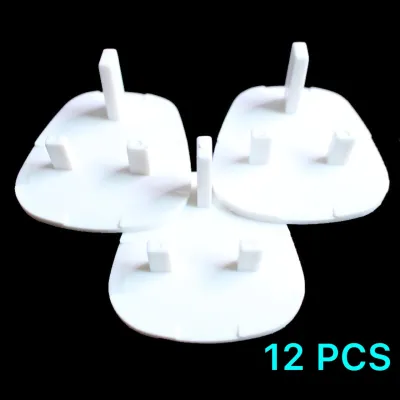
Plug-in caps, also known as socket inserts or outlet protectors, are individual plastic pieces featuring three dummy prongs that insert directly into the Type G socket slots. These are the most common and economical safety devices on the market.
- Ideal Scenarios: These caps are best suited for completely inactive sockets that are rarely or never used, such as those positioned along hallway baseboards, guest rooms, or hidden behind heavy furniture like wardrobes and bookshelves where appliances are not connected.
- Pros: They are highly cost-effective, allowing you to secure an entire home on a modest budget. They require no tools or complex DIY skills to install, and their lightweight design makes them excellent for travel, allowing you to baby-proof hotel rooms or family members' homes when visiting.
- Limitations: The primary risk associated with plug-in caps is that they can become a severe choking hazard if a child manages to pry them out of the wall. Because they are small and lightweight, a loose cap left on the floor is easily swallowed. Additionally, low-quality caps with thin plastic prongs can snap off inside the socket, blocking the port permanently and requiring a professional electrician to extract the broken piece.
- Pre-Purchase Check: When shopping for plug-in caps, avoid simple "pinch-and-pull" designs that a determined toddler can easily grip with their teeth or fingernails. Instead, opt for designs that feature a completely flush outer surface. These should require a specific plastic key (usually included in the pack) or a simultaneous two-handed mechanism to unlock and extract.
Sliding Socket Covers (Replacement Faceplates)
Sliding socket covers are integrated, semi-permanent faceplates that replace your existing outlet covers. They feature spring-loaded shutters over the pin entries that automatically slide closed the moment an appliance plug is withdrawn.
- Ideal Scenarios: These are perfect for high-traffic living areas, kitchens, and playrooms where sockets are frequently used for temporary appliances like vacuum cleaners, iron boxes, or phone chargers. They maintain a clean, uncluttered aesthetic that blends seamlessly with modern home decor.
- Pros: Because these covers are physically screwed into the wall as part of the faceplate, they eliminate loose parts entirely, removing any risk of choking hazards. The automatic closing mechanism ensures that the live ports are shielded instantly when a plug is removed, eliminating human error or the forgetfulness of leaving a loose cap off.
- Limitations: Installing sliding covers requires basic DIY skills, as you must unscrew and replace the existing wall plate. They are also more expensive than simple insert caps. Furthermore, because they replace the faceplate, they must match the exact dimensions, depth, and screw configurations of your existing wall junction boxes.
- Pre-Purchase Check: Before purchasing replacement sliding faceplates, measure your existing wall boxes. Singapore standard single and double gang boxes have specific dimensions and screw-hole spacings. Ensure the product is explicitly rated for Singapore/UK Type G dimensions and check if your existing wall plates are screwed from the front or clip-on, as this will affect compatibility.
Outlet Box Covers (Cord and Plug Protectors)
Outlet box covers are protective plastic enclosures that fit over the entire socket, housing both the plugged-in appliance head and the socket faceplate within a locked, transparent, or opaque dome.
- Ideal Scenarios: These are essential for outlets that must remain actively in use with permanently plugged-in appliances, such as floor lamps, air purifiers, baby monitors, Wi-Fi routers, or television entertainment units.
- Pros: They prevent a toddler from physically pulling an active plug out of the wall, which is a major hazard as it can expose the live metal pins of a half-withdrawn plug. They also protect the physical switches on Singapore sockets, preventing children from turning off critical appliances like refrigerators or baby monitors.
- Limitations: These box covers are physically bulky and protrude several centimeters from the wall, which may prevent you from pushing furniture flush against the wall. They also have physical limits on the size of the plugs they can accommodate; they may not fit oversized travel adapters, bulky smart plugs, or thick power bricks.
- Pre-Purchase Check: Carefully measure the depth and width of your largest active plug heads, including the bend radius of the power cord, and compare these to the internal dimensions of the box cover. Ensure the box features a child-resistant latching mechanism that requires adult hand span or dual-action pressure to open.
Safety Features and Packaging Checks Before You Buy
When shopping for a plug cover wall solution, relying solely on product titles or online ratings is insufficient. You must carefully evaluate the physical specifications, material composition, and safety certifications detailed on the product packaging or manufacturer listings.
First, evaluate choking hazard prevention by looking at the physical dimensions of the covers. Any plug-in cap must be large enough that it cannot fit entirely into a child’s mouth if removed. The physical pull-force required to extract the cover must exceed a toddler’s capabilities. Look for products that have been tested to withstand a high extraction force, or those that require a tool or key to remove. If a cover can be pulled out with a gentle tug, it is not safe for a child who has developed a strong pincer grasp.
Second, verify the material safety of the plastics used. Because these safety devices are in direct contact with electrical outlets, they must be made from high-quality, flame-retardant materials. Look for plastics such as polycarbonate (PC) or high-grade Acrylonitrile Butadiene Styrene (ABS). These materials are chosen for their excellent impact resistance and thermal stability, ensuring they will not melt, warp, or crack under the normal operating temperatures of an active electrical socket. Avoid cheap, brittle plastics that can shatter under impact, leaving sharp edges and exposing the metal contacts inside. Additionally, ensure the packaging states that the plastic is BPA-free and non-toxic, as toddlers frequently put found objects in their mouths.
Third, inspect the structural integrity of the design. High-quality plug covers should have smooth, rounded edges with no sharp molding lines that could scratch a child’s skin. If you are choosing sliding or box covers, examine the hinge and spring mechanisms. The springs in sliding covers must be robust enough to snap back quickly even after thousands of cycles, and the hinges on box covers must not have small pins or clips that can easily break off and become small-part choking hazards.
Finally, establish a clear verification step by cross-referencing the manufacturer’s stated age recommendations and warnings with your child’s current developmental stage. Children develop motor skills and problem-solving abilities at different rates. A simple plug-in cap that was highly effective when your baby was crawling at eight months may be easily bypassed or removed by a curious two-year-old who has learned to use their fingernails or toys as leverage tools. Always choose products designed to challenge the cognitive and physical limits of your child’s specific age group.
How to Install and Maintain Plug Covers Safely
Proper installation and rigorous ongoing maintenance are just as important as choosing the right safety product. Incorrectly installed covers can create a false sense of security while leaving your child exposed to hidden hazards.
For sliding socket covers that require replacing the faceplate, the most crucial safety step is to completely turn off the mains power at your home’s main distribution board (DB box) or consumer unit before beginning any work. Do not rely solely on the individual wall switch. Use a reliable voltage tester or plug in a working lamp to verify that the outlet is completely dead before unscrewing the faceplate. If you find complex wiring, loose connections, or damaged insulation inside the wall box, stop immediately and consult a licensed professional electrician. Once the new sliding faceplate is screwed in, verify that it sits flush against the wall with no visible gaps where dust, moisture, or small fingers could enter.
After installing any type of cover, perform a thorough installation verification. For sliding covers, test the sliding mechanism several times with an appliance plug to ensure it glides smoothly and snaps back instantly into the closed position when the plug is removed. For outlet box covers, ensure the lock clicks firmly into place and try to pull the cover open using moderate force to simulate a toddler’s tug. For plug-in caps, try to remove them using only your fingers; if you can easily pull them out without using the designated key or tool, the fit is too loose, and they must be replaced.
Establish a recurring routine to inspect your wall plug covers for wear and tear. Over time, exposure to humidity, ambient heat, and physical impact can degrade plastics. Inspect all covers monthly for micro-cracks, discolored plastic, degraded hinges, or weakened springs. Pay close attention to outlets located in high-moisture areas like kitchens or near balconies, as well as those exposed to direct sunlight, which can accelerate plastic embrittlement.
Finally, follow strict disposal and storage rules. If you detect any sign of material fatigue, cracking, or loose fit, immediately discard the damaged cover and replace it with a new one. When removing plug-in caps to use an outlet, never leave them lying on the floor, tables, or nearby countertops. Store all unused caps and removal keys in a secure, high cabinet or a locked drawer completely out of sight and reach of children.
Frequently Asked Questions (FAQ)
Are standard European or US plug covers safe for Singapore sockets?
No, standard European or US plug covers are not safe for Singapore sockets and should never be used. Singapore utilizes the Type G electrical standard, which features three thick, rectangular pins arranged in a specific triangular geometry. In contrast, US plugs (Type A and B) use flat parallel blades, and European plugs (Type C, E, and F) use round pins of varying diameters.
Because of these fundamental structural differences, US or European safety covers will not fit into a Singapore Type G outlet. Attempting to force them can damage the internal copper contacts of the socket, potentially leading to loose connections, overheating, and fire hazards. If they do manage to stay in place, they will fit extremely loosely, allowing a toddler to easily pull them out, which defeats the purpose of baby-proofing and turns the cover itself into a dangerous choking hazard. Always purchase covers explicitly designed for Type G outlets.
Can I use electrical tape as a temporary plug cover?
Using electrical tape as a temporary plug cover is highly discouraged and does not provide adequate safety for babies or toddlers. While electrical tape is designed to insulate wires, it is not a physical barrier. A determined toddler can easily peel off the tape, as their developing fine motor skills are highly suited to picking at loose edges. Once the tape is peeled off, the live socket ports are completely exposed.
Furthermore, electrical tape leaves a sticky adhesive residue on the faceplate of the socket. This residue attracts dust, hair, and dirt, which can accumulate inside the socket slots and create a fire hazard or interfere with the electrical contact of your plugs. Small pieces of peeled tape also present a choking hazard if swallowed by a child. For temporary safety, especially when traveling, it is far safer to use proper Type G travel-safe plug-in caps or block access to the outlet physically by placing heavy furniture in front of it until a permanent safety cover can be installed.
Disclaimer: While wall plug covers are highly effective safety aids, they are not a substitute for active adult supervision. Regularly educate older children about electrical safety and keep a close eye on toddlers in areas with active electrical outlets.
Safety Warning: Before installing sliding faceplates or performing any task that involves opening your wall sockets, always turn off the mains power at the main distribution board and consult the manufacturer’s instructions. If you are unsure about the wiring or suitability of a replacement cover, consult a qualified, licensed electrician in Singapore.
Care Instructions: Clean plastic plug covers only with a dry or slightly damp microfiber cloth while the power is switched off. Never use abrasive cleaners, chemical solvents, or excessive water, as moisture can seep into the electrical contacts and cause short circuits or corrosion.
Professional Consultation: If your home has older electrical installations, damaged sockets, or non-standard wall boxes, do not attempt to force modern safety covers. Contact a licensed electrical contractor to inspect and upgrade your home’s electrical system to ensure complete compliance with local safety regulations.
Storage and Handling: Keep all spare plug-in caps, keys, and installation screws in a secure, elevated container. Ensure they are kept away from heat sources and direct sunlight to prevent degradation of the protective plastic material.
Age and Development Check: Regularly assess your child’s physical strength and cognitive development. If your child learns how to bypass or remove a specific type of plug cover, immediately upgrade to a more secure, tool-required or box-style enclosure.
Warranty and Compatibility: Always check the warranty terms of your home’s electrical fittings before replacing faceplates. Ensure any replacement safety faceplate complies with Singapore safety standards and matches the specifications of your existing electrical installation.
Damaged Product Disposal: Dispose of cracked, warped, or loose plug covers immediately in accordance with local recycling guidelines. Do not attempt to repair broken plastic safety devices with glue or tape, as this compromises their structural integrity and safety.
General Safety Guidelines: Never plug high-power appliances (such as portable air conditioners, ovens, or washing machines) through adapters or extension cords that interfere with safety covers. Ensure all high-power outlets are professionally installed and kept out of reach of children.
Community discussion
Share your experience or ask a question. Comments are reviewed before publication.