
Managing space in modern Singaporean homes requires smart, functional furniture choices. For parents navigating the layout of a compact Build-To-Order (BTO) flat or a cozy condominium, traditional freestanding changing tables can quickly overcrowd a nursery or bedroom. Investing in a high-quality baby changing table wall mounted model offers an elegant, space-saving alternative that keeps floor space clear while providing a dedicated, secure station for diaper duties. This guide explores the most reliable models available in Singapore, key safety metrics to verify, and critical installation steps to ensure your nursery setup is both secure and highly functional.
Space-Saving Benefits of Wall-Mounted Changing Tables
In Singapore, where residential layouts often prioritize efficiency, floor space is at a premium. A wall-mounted changing table folds flat against the wall when not in use, instantly reclaiming valuable square footage. This is particularly advantageous in multi-purpose rooms, small nurseries, or compact bathrooms where a permanent piece of floor furniture would obstruct walkways or door swings. By utilizing vertical wall space, you preserve the natural flow of your home while retaining all the utility of a dedicated changing station.
Ergonomics play a vital role in caregiver comfort, especially during the frequent diaper changes required in a baby’s first year. Low, freestanding changing tables or temporary setups on beds often force parents to bend at awkward angles, leading to chronic lower back strain. A wall-mounted unit allows you to customize the installation height precisely to your own physical needs. Whether you are tall, petite, or sharing caregiving duties with family members of different heights, mounting the unit at an optimal ergonomic level minimizes repetitive bending and protects your posture.
Products mentioned in this guide
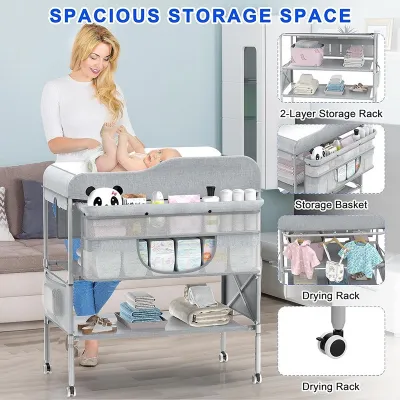
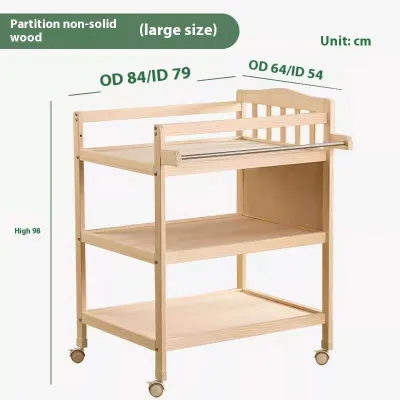
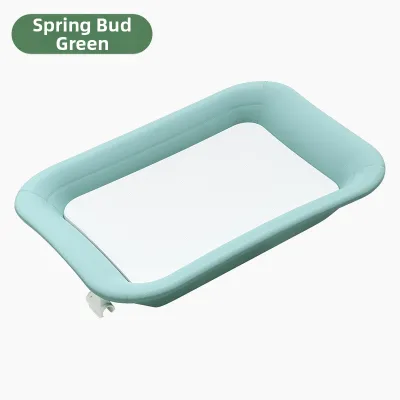
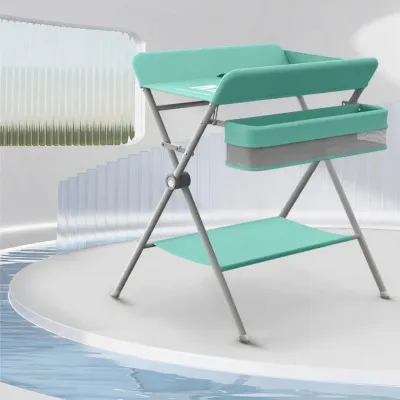
Prices are valid at publication and may change. Please refer to the product page for the latest price.
Maintaining high hygiene standards is another significant advantage of a wall-mounted setup. Diaper changes involve biological waste, making it highly desirable to isolate this zone from your baby’s primary sleeping, playing, or feeding areas. A wall-mounted table, particularly when installed in a well-ventilated bathroom or adjacent utility space, creates a clear physical boundary. This separation helps contain odors and simplifies sanitization, ensuring that high-traffic living areas remain clean, organized, and free from diaper-related clutter.
Safety and Design Features of a Baby Changing Table Wall Mounted Unit
Weight Capacity and Structural Integrity
Before purchasing any wall-mounted changing unit, you must verify its maximum weight capacity directly from the manufacturer’s official technical specifications. Do not rely on generic marketing descriptions. A safe weight rating must account not only for your baby’s current weight but also for their projected growth, the weight of essential supplies (such as heavy packs of wipes, creams, and spare diapers stored on the unit), and the downward dynamic force applied when your baby moves or wiggles during a change. Most reputable residential models are rated for up to 11 to 15 kilograms, while commercial-grade units can support significantly more, but always check the product manual to confirm the precise limits.

Restraint Systems and Protective Edges
Active babies can roll or shift unexpectedly in a matter of seconds. To mitigate the risk of falls, prioritize models equipped with secure, adjustable safety restraint straps featuring heavy-duty buckles. The changing platform itself should feature contoured, raised borders or deep side barriers. These physical barriers act as a secondary defense, preventing a rolling baby from sliding toward the edges. When evaluating a table, inspect the height of these protective barriers to ensure they remain effective even when a plush changing pad is placed inside.
Material Safety and Easy Sanitization
The materials used in a changing table must withstand frequent exposure to moisture, chemical disinfectants, and bodily fluids. Look for non-porous, moisture-resistant materials that are easy to wipe clean and sanitize. Since your baby’s sensitive skin will come into direct or indirect contact with these surfaces, it is crucial to verify material safety. Check the product packaging or official manufacturer documentation to confirm that the plastics, finishes, or engineered woods are free from harmful chemicals, such as bisphenol A (BPA), phthalates, and heavy metals. In Singapore’s humid climate, choosing materials that resist mold and mildew growth is highly recommended.
Folding Mechanisms and Latching Systems
For fold-down models, the mechanical hardware is a critical safety point. The hinges must operate smoothly without abrupt drops, and they should be designed to prevent finger-pinching for both the caregiver and curious toddlers. High-quality models often feature gas-pressurized shocks or dampening cylinders that control the opening speed, preventing the table from slamming down. Furthermore, check for a reliable, child-proof locking latch that keeps the table securely closed when folded up, ensuring it cannot be accidentally pulled down by a child playing nearby.
Top Wall-Mounted Baby Changing Tables to Consider in Singapore
When shopping for a wall-mounted changing table in Singapore, you will find options ranging from ultra-utilitarian commercial models to premium designer wooden units. Because availability can fluctuate across local baby boutiques and online marketplaces, always check current stock, shipping policies, and official safety certifications before finalizing your purchase. Below are the primary design categories and notable models to consider for your home.
Best Fold-Down Designs for Compact Bathrooms
For bathrooms or narrow hallways where space is exceptionally tight, an ultra-slim profile when closed is paramount.
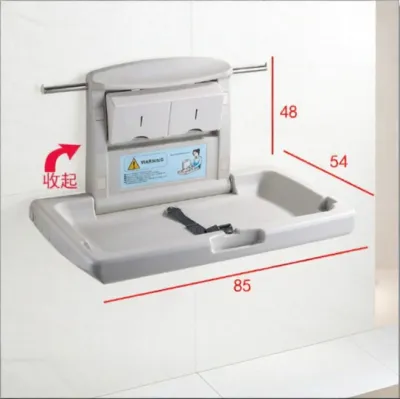
- Koala Kare KB200 Series: Widely recognized in commercial spaces, this heavy-duty, polypropylene unit is also an excellent high-durability option for residential bathrooms. It features a slim profile when closed, built-in dual cavity diaper dispensers, and a steel-on-steel hinge mechanism. Its non-porous material is highly resistant to moisture and extremely easy to sanitize.
- Badabulle Plouf Wall-Mounted Changing Table: This compact model is designed specifically for tight home spaces. It folds down easily and has an incredibly shallow depth when closed, making it ideal for installation behind doors or in compact HDB bathrooms. It typically includes a comfortable, easy-to-wipe changing mat.
- Verification Check: Always measure your bathroom door clearance and walk-space before purchasing a fold-down model to ensure it can open fully without hitting other fixtures.
Best Wall-Mounted Units with Built-In Storage
If you want to keep all diapering essentials within arm’s reach without needing an adjacent cart or shelf, a model with integrated storage is the ideal solution.
- Charlie Crane NOGA Changing Table: This premium, French-designed unit is a favorite in high-end Singaporean nurseries. Crafted from beautiful bent poplar or birch plywood, it opens to reveal a sleek, curved silhouette with integrated storage shelves for diapers, wipes, and lotions. When closed, it resembles a stylish, minimalist wall cabinet.
- Roba Wall-Mounted Changing Table: A highly practical wooden option that features built-in shelves to keep accessories organized. It provides a classic nursery aesthetic while offering robust fold-down functionality.
- Verification Check: When using models with built-in storage, ensure that items stored on the shelves do not exceed the manufacturer's recommended weight limits, as excess weight can strain the wall anchors.
Best Minimalist and Easy-to-Clean Options
Minimalist designs focus on seamless construction, waterproof materials, and modern aesthetics that blend effortlessly into contemporary home interiors.
- Bybo Design Nathi Changing Table: Designed by Bo Ekström, this iconic Scandinavian wooden changing table features clean, curved lines and a highly minimalist footprint. Made from molded beech wood, its lacquer finish is easy to clean and maintain. It uses a simple, reliable folding mechanism without complex mechanical parts that could trap dirt.
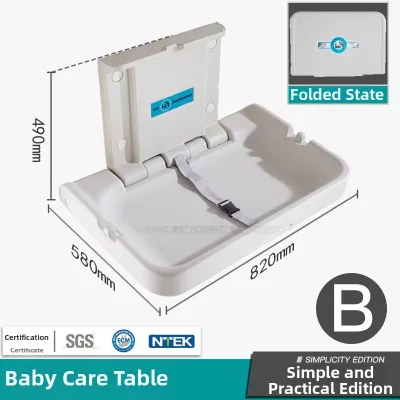
- Generic Commercial-Grade HDPE Tables: For parents prioritizing absolute utility and chemical resistance, high-density polyethylene (HDPE) horizontal tables offer a seamless, stain-resistant surface. These models lack crevices where moisture or bacteria can hide, making them exceptionally easy to scrub down and keep hygienic in Singapore's humid environment.
- Verification Check: Verify that any wooden finishes are certified non-toxic and water-resistant to prevent wood warping or mold development over time in high-humidity areas.
Safe Installation and Weight Limit Guidelines
Wall Type Compatibility
The safety of a wall-mounted changing table depends entirely on the structural integrity of the wall it is attached to. In Singapore, most HDB flats feature solid concrete structural walls or internal brick/block walls, which are highly secure and ideal for heavy-duty mounting. However, many modern condominiums and renovated flats utilize lightweight drywall partitions or hollow plasterboard walls to divide rooms. Never mount a baby changing table directly onto standard, unreinforced drywall. If you must install it on a partition wall, you must locate the internal wooden or metal studs and secure the mounting brackets directly into them, or reinforce the wall internally. Always consult a structural professional if you are unsure of your wall’s composition.
Hardware and Anchoring Systems
Do not rely on cheap, generic screws or plastic wall plugs. Always use the heavy-duty, manufacturer-approved mounting hardware supplied with the unit, or purchase high-grade concrete anchor bolts (such as sleeve anchors or Fischer plugs) rated for the specific weight requirements. Use the manufacturer’s provided drilling template to mark precise holes. Ensure that the drilling depth and hole diameter match the hardware specifications exactly. A loose anchor can lead to gradual structural failure under dynamic loads.
When to Hire a Professional Handyman
While DIY installation is possible for those with proper tools and experience, hiring a qualified, insured local handyman or contractor is highly recommended. Professional installers have the specialized rotary hammer drills required to penetrate tough HDB concrete walls cleanly without cracking the surrounding plaster. They can also use electronic stud finders and wall scanners to avoid drilling into hidden electrical wiring, water pipes, or structural reinforcement bars (rebar), which is critical for maintaining home safety and complying with HDB renovation guidelines.
Routine Safety Inspections
A wall-mounted changing table is subjected to repetitive stress every time it is opened, closed, and loaded with weight. Establish a routine monthly safety check. Inspect the mounting brackets and wall anchors for any signs of loosening, pulling away, or plaster cracking. Check the hinges, gas shocks, and locking latches for smooth operation, and tighten any screws that may have vibrated loose over time. If you notice any structural play, warping, or hairline fractures in the plastic or wood, suspend use immediately and consult the manufacturer or a professional technician.
Frequently Asked Questions (FAQ)
Can I install a wall-mounted changing table on a drywall partition?
Standard, unreinforced drywall partitions cannot safely support the dynamic weight of a wall-mounted changing table, a growing baby, and associated supplies. Mounting a unit directly to drywall without proper reinforcement poses a severe risk of structural failure and serious injury. If you must install the table on a partition wall, the mounting hardware must be anchored directly into the internal structural studs (wood or metal framing) behind the drywall, or the wall must be reinforced internally with solid timber blocking. Always defer to the manufacturer’s explicit wall-type requirements and guidelines before attempting installation.
What is the standard height for mounting a changing table?
There is no single mandatory mounting height, as the ideal position depends on the height of the primary caregivers. Generally, the changing platform should align with the caregiver’s hip or waist level—typically between 85 to 95 centimeters from the floor—to allow you to change your baby without bending your back or straining your shoulders. However, before finalizing the height, you must check the product’s instruction manual for any mandatory minimum clearances, folding clearances, or specific installation height requirements specified by the manufacturer.
When should I stop using a wall-mounted changing table?
You must stop using the changing table as soon as your baby reaches the manufacturer’s maximum weight limit, which is typically between 11 to 15 kilograms for residential models. Additionally, you should transition away from the table when your baby reaches developmental milestones that affect safety, such as when they begin rolling over aggressively, sitting up independently, or attempting to pull themselves up or climb. At these stages, the risk of a fall increases significantly, and diaper changes should be transitioned to a safe, low surface or the floor.

Community discussion
Share your experience or ask a question. Comments are reviewed before publication.