
When baby-proofing a home in Singapore, parents often search for a reliable wall bumper to protect their crawling, cruising, or walking infants from sharp edges. While the term “wall bumper” is frequently used, the actual products required for comprehensive home safety are specialized furniture edge guards, corner protectors, and foam bumper strips. These safety tools are designed to cushion accidental impacts against sharp corners, low TV consoles, and dining tables, transforming potentially hazardous areas into secure spaces for your child to explore.
Creating a safe environment is particularly important in Singaporean apartments, where compact layouts mean furniture is often placed close to main play areas and high-traffic walkways. As infants reach developmental milestones—such as pulling themselves up to stand or taking their first tentative steps—their heads are at the exact height of most coffee tables, sideboards, and cabinet corners. Investing in high-quality edge protection is a proactive step that gives parents peace of mind during these active developmental stages.
However, childproofing in a tropical climate presents unique challenges. The high relative humidity in Singapore can quickly compromise standard adhesives, causing safety guards to peel away prematurely and creating new hazards. Selecting the right materials, understanding how adhesives interact with different furniture surfaces, and executing a proper installation are all crucial factors in ensuring your baby-proofing efforts remain durable and effective over the long term.
Products mentioned in this guide
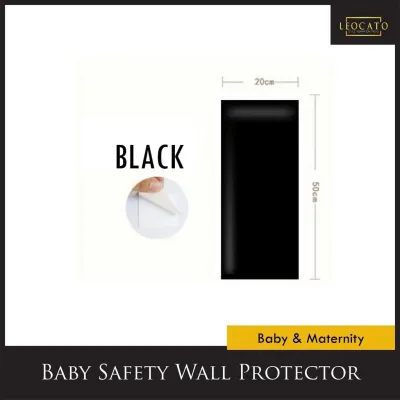
![[SG SELLER] Anti-Collision Wall Bumper/Cushion 3D Anti-collision Wall Stickers Childrens Room/Nursery PU Waterproof](https://img.lazcdn.com/g/p/636bcf71c76ac7ed0e251cc2af2da5ea.jpg_400x400q80.jpg_.webp)
Prices are valid at publication and may change. Please refer to the product page for the latest price.
Quick Guide to Baby-Proofing Furniture Edges
To begin childproofing your home effectively, it is helpful to clarify the terminology you will encounter. Although many parents search for a “wall bumper,” true wall bumpers are typically designed to prevent door handles from damaging drywall. For baby safety, your focus should be on corner guards, edge bumpers, and long foam rolls. These products are specifically engineered to absorb the kinetic energy of a falling child, reducing the risk of serious bruises, cuts, or lacerations.
The primary safety objective of any edge guard is twofold: providing adequate impact cushioning and maintaining a secure, long-lasting bond to the furniture. A bumper that peels off easily not only fails to protect your child from a sharp corner but also poses a severe choking hazard if a curious toddler decides to chew on the loose piece. Therefore, structural integrity and adhesive reliability are just as important as the softness of the bumper itself.
When shopping in Singapore, you will primarily find three material categories: clear PVC, thick silicone, and high-density foam. Each material has distinct characteristics, aesthetic qualities, and performance profiles. While clear PVC offers a discreet look that preserves the appearance of your furniture, high-density foam provides maximum impact absorption for high-risk areas. Understanding these differences allows you to choose the right product for each specific piece of furniture in your home.
While these safety accessories significantly lower the risk of injury, caregivers must remember that childproofing products are designed to assist, not replace, active adult supervision. No bumper can guarantee absolute safety in every scenario. Monitoring your child’s physical development, adjusting your safety measures as they grow stronger, and regularly inspecting your baby-proofing installations are essential practices for maintaining a secure home environment.
What to Look for in Effective Wall Bumpers and Edge Guards
Selecting the right edge protection requires evaluating several key technical and practical criteria. The first consideration is the material composition and its shock-absorbing capabilities. High-density foam, such as Nitrile Butadiene Rubber (NBR), is highly compressible and excellent at dispersing the force of a heavy impact. Silicone offers a firmer but highly durable cushion that resists tearing, while clear PVC provides a slim, low-profile barrier that is ideal for lighter impacts on sharp glass or acrylic edges.

Adhesive strength and surface compatibility are critical to the longevity of your edge guards. The adhesive must form a strong bond with the underlying material—whether it is finished wood, tempered glass, metal, or laminate—without chemically reacting with or damaging the furniture’s finish. In Singapore’s humid climate, cheap adhesives tend to soften and slide. Look for reputable, brand-name double-sided tapes (such as acrylic-based or silicone-based adhesives) that are specifically rated for high-temperature and high-humidity environments.
Thickness and physical coverage must match the specific hazard of the furniture piece. For sharp, 90-degree corners on heavy wooden dining tables or low TV consoles, thicker bumpers (typically 10mm to 15mm) are necessary to provide a sufficient safety buffer. Conversely, for rounded furniture edges or areas with tight clearances, a thinner, low-profile silicone guard (3mm to 5mm) is often sufficient to prevent scratches and minor bumps without interfering with the furniture’s functionality.
Choking hazard prevention is a paramount concern that is sometimes overlooked. Teething toddlers naturally explore their environment with their mouths and may attempt to bite or chew on soft furniture guards. It is vital to choose durable materials that resist tearing or peeling under moderate biting pressure. Additionally, parents should verify that the products are certified non-toxic, BPA-free, and phthalate-free by checking the manufacturer’s official documentation or product packaging before purchasing.
Finally, consider the ease of removal and the potential for furniture damage. While a strong adhesive is necessary to keep the bumper secure against a toddler’s pulling force, it should not permanently ruin your high-quality furniture when the time comes to remove it. High-quality childproofing brands design their adhesives to be strong yet removable with the application of gentle heat or specialized, surface-safe solvents, allowing you to restore your furniture to its original state once your child outgrows the need for edge protection.
Recommended Types of Wall Bumpers and Edge Guards for Every Home
Different areas of your home require different childproofing strategies depending on the furniture design, material, and how your family uses the space. By matching the right type of bumper to the specific furniture piece, you can achieve an optimal balance of safety, durability, and home aesthetics.
Clear PVC Edge Guards for Seamless Protection
Clear PVC edge guards are the preferred choice for modern Singaporean homes where preserving the visual aesthetic of the interior design is a priority. These transparent protectors are designed to blend seamlessly with your furniture, making them highly discreet. They are particularly well-suited for glass coffee tables, glossy wood surfaces, and minimalist metal frames, where a bulky, colored foam bumper would stand out and disrupt the room’s decor.
One of the main benefits of clear PVC is its low-profile design. Because these guards are relatively thin and transparent, they do not add visual bulk to your furniture, allowing the natural beauty of the wood grain or the clean lines of a glass table to remain visible. They are also highly resistant to dust accumulation and can be easily wiped clean with a damp cloth, making them a low-maintenance option for busy parents.
However, clear PVC does have some practical limitations. Over time, exposure to direct sunlight through windows can cause some PVC materials to yellow or become brittle. Additionally, because PVC is firmer than high-density foam or thick silicone, it offers slightly less shock absorption during high-velocity impacts. It is best used on furniture where the risk of a high-impact fall is lower, or on sharp glass edges where a slim, firm barrier is sufficient to prevent deep cuts.
Thick Silicone Corner Protectors for High-Impact Zones
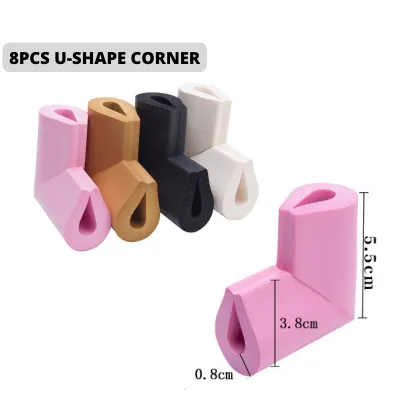
For high-impact zones where a toddler is most likely to fall or bump their head, thick silicone corner protectors offer an excellent combination of durability and cushioning. These protectors are commonly designed as spherical or L-shaped caps that fit snugly over the sharpest 90-degree corners of your furniture. They are ideal for low-lying hazards such as TV consoles, heavy wooden dining tables, and hard stone or marble counter edges.
Silicone is a highly resilient material that provides superior shock absorption compared to thin PVC. It is soft enough to cushion a significant blow, yet firm enough to prevent a child’s head from bottoming out against the hard furniture corner underneath. Furthermore, silicone is incredibly durable and highly resistant to tearing, making it virtually impervious to the biting and chewing of teething toddlers who may use the furniture edges to support themselves.
The primary trade-off with thick silicone protectors is their visual prominence. Because they are designed to be thick and protective, they are more noticeable than clear PVC options. While some manufacturers offer semi-transparent or color-matched silicone to help them blend in, they will still alter the clean lines of your furniture. However, for the most dangerous corners in your home, the safety benefits of high-impact silicone far outweigh these minor aesthetic drawbacks.
High-Density Foam Bumpers for Long Edges and Play Areas
When you need to cover extensive, continuous stretches of furniture or create safe borders in a dedicated play area, high-density foam bumpers are the most practical and cost-effective solution. Typically sold in long, flexible rolls that can be easily cut to custom lengths, these foam strips are perfect for long shelving units, low window sills, bed frames, and low-lying cabinet edges.
The standout benefit of high-density foam (such as NBR) is its exceptionally soft, pillowy texture. It offers the highest level of compressibility among the three main material types, making it incredibly gentle on impact. This makes it the ideal choice for playrooms or bedrooms where children are constantly running, jumping, and tumbling. Additionally, the ability to cut the foam to exact dimensions allows you to wrap complex shapes and irregular furniture profiles with ease.
Despite these benefits, high-density foam requires careful monitoring. Because the material is soft and porous, it is much easier for a determined toddler to bite, tear, or peel away if the adhesive begins to fail. This can create small foam pieces that present a serious choking hazard. To mitigate this risk, parents must ensure they use exceptionally strong, high-quality adhesive tape during installation and regularly inspect the foam for any signs of wear, damage, or loose edges.
How to Install and Remove Bumpers Without Damaging Furniture
Proper installation is key to ensuring your furniture bumpers stay securely in place, while safe removal techniques prevent unsightly damage to your valuable home decor. Following a systematic approach ensures both maximum safety for your child and long-term protection for your furniture surfaces.
To achieve a strong, durable bond, follow these detailed installation steps:
- Surface Preparation: Begin by thoroughly cleaning the furniture edge where the bumper will be applied. Use isopropyl alcohol and a clean microfiber cloth to remove all dust, grease, fingerprint oils, and polish residue. Avoid using household glass cleaners or soapy water, as these can leave a thin film that prevents the adhesive from bonding properly.
- Complete Drying: In Singapore's humid climate, moisture can easily get trapped under the adhesive. Allow the cleaned surface to air-dry completely for at least 15 to 20 minutes before proceeding to the next step.
- Adhesive Application: Measure and cut the bumper to the required length. Apply the double-sided adhesive tape to the inside of the bumper first, smoothing out any air bubbles. Peel off the backing paper, align the bumper precisely with the furniture edge, and press down firmly.
- Firm Pressure: Apply firm, continuous pressure along the entire length of the bumper for at least 30 to 60 seconds. Pay extra attention to the ends and corners, as these are the areas most prone to peeling.
- Curing Time: Allow the adhesive to cure undisturbed for at least 24 hours before allowing your child near the furniture. Restricting access during this initial bonding period is critical to ensuring the adhesive reaches its maximum holding strength.
When your child outgrows the need for edge guards, removing them safely requires patience and the right technique to avoid stripping paint, varnish, or wood veneer.
To remove the bumpers without damaging your furniture, follow these steps:
- Apply Gentle Heat: Use a household hairdryer on a low or medium-warm setting to gently heat the bumper and the underlying adhesive. Hold the hairdryer a few centimeters away and move it back and forth along the edge. The heat will soften the adhesive, making it pliable and easier to release.
- Peel Slowly at an Angle: Once the adhesive is warm, slowly and gently peel the bumper away from the furniture. Pull at a shallow 45-degree angle rather than pulling straight up, which minimizes the stress on the furniture's surface finish. If you feel resistance, apply more heat before continuing.
- Clean Leftover Residue: If any sticky residue remains on the furniture, avoid using harsh chemical solvents or abrasive scrubbing pads. Instead, apply a small amount of mild, non-toxic solvent, such as household cooking oil (olive or canola oil) or a specialized citrus-based adhesive remover. Let it sit for a few minutes to break down the adhesive, then gently wipe it clean with a soft cloth and soapy water.
- Consult Manufacturer Instructions: Always check your furniture's care and manufacturer instructions before applying adhesives or heat, especially on delicate antique pieces, raw wood, or specialized lacquer finishes.
Frequently Asked Questions (FAQ)
Are clear wall bumpers safe if my baby chews on them?
Clear wall bumpers and edge guards are safe only if they are manufactured from certified non-toxic, food-grade, and chemical-free materials. Because teething infants frequently chew on accessible surfaces, you must verify that the product documentation explicitly states it is free from BPA, phthalates, heavy metals, and toxic flame retardants. If you observe any bite marks, tearing, cracking, or missing pieces on a bumper, it poses an immediate choking hazard. In such cases, you must remove and replace the damaged guard immediately to ensure your child’s safety.
How often should I replace furniture edge guards?
There is no fixed timeline for replacing edge guards, as their lifespan depends on the material quality, environmental conditions, and how much wear and tear they experience. However, you should regularly inspect them for observable signs of degradation. Replace the guards immediately if you notice a loss of adhesion (edges peeling away), visible yellowing or brittleness in clear PVC, deep bite marks, or physical tearing in foam bumpers. In Singapore’s humid climate, adhesives may degrade faster, making routine monthly inspections highly recommended.
Can I use standard double-sided tape instead of the included adhesive?
Using standard household, craft, or stationary double-sided tape is highly discouraged for baby-proofing applications. Standard tapes lack the shear strength required to withstand the constant pulling, tugging, and bumping of an active toddler, leading to rapid failure. Furthermore, standard adhesives often dry out or liquefy over time, leaving a stubborn, gummy residue that can permanently ruin your furniture’s finish. For secure and safe installation, use only the specialized, heavy-duty acrylic mounting tapes provided by the childproofing manufacturer or purchase dedicated baby-safe replacement tapes designed specifically for this purpose.
Community discussion
Share your experience or ask a question. Comments are reviewed before publication.