
Finding the best value diaper changing table in Singapore requires balancing upfront costs with long-term utility, storage capacity, and the spatial constraints of local homes. Because every family has unique living arrangements and financial priorities, a single “best” brand does not exist. Instead, the true value of a changing table depends on how well its design aligns with your specific nursery goals and household budget.
A clear decision framework helps simplify this choice. For families seeking a straightforward, low-cost solution for the early months, budget-friendly brands like IKEA offer practical, lightweight utility. Parents who want to maximize storage in compact bedrooms often find the best value in mid-range dresser combos, such as those from Babyletto or local nursery specialists, which transition into permanent bedroom furniture. Meanwhile, those focusing on ergonomics and longevity can look to premium brands like Stokke or Leander, where higher upfront costs are offset by beautiful designs that convert into study desks or shelving units.
Before making a final purchase, always verify current stock, exact dimensions, and ongoing promotions directly on official brand websites or authorized online retailers. Taking this step ensures you secure the best available deal and confirm that the unit fits your physical space.
Products mentioned in this guide
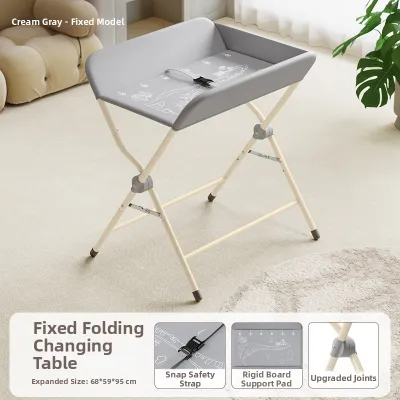
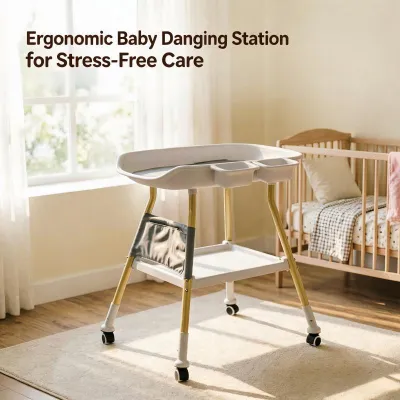
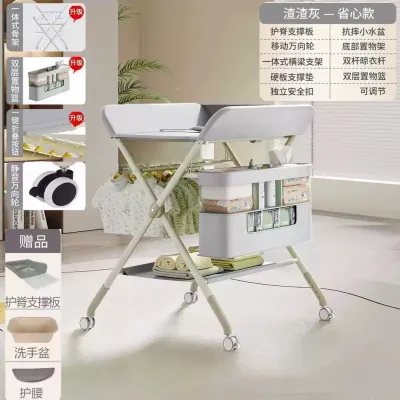
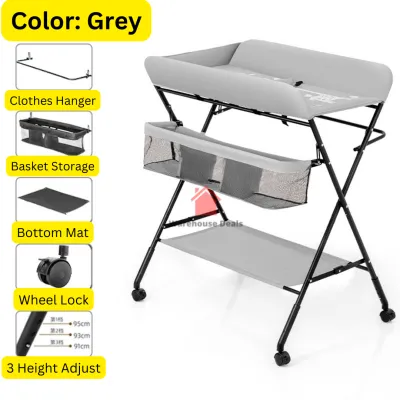
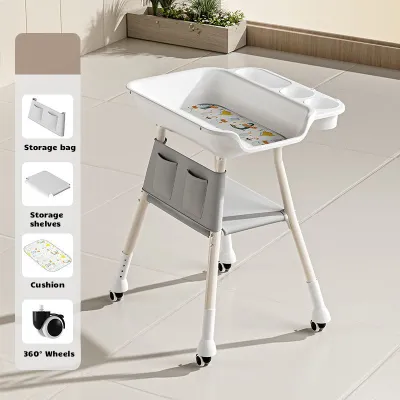
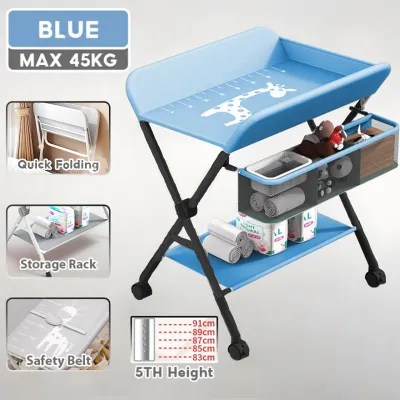
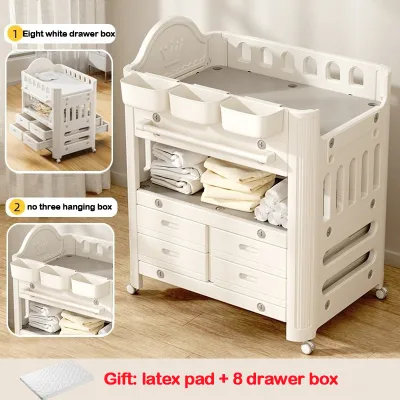
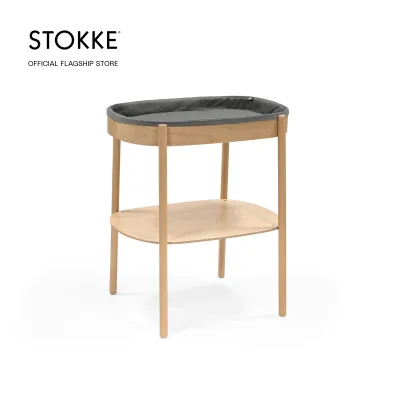
Prices are valid at publication and may change. Please refer to the product page for the latest price.
What Defines "Value" in a Diaper Changing Table?
Evaluating the value of nursery furniture requires looking far beyond the initial price tag. A cheap changing table that becomes obsolete after twelve months may ultimately cost more per use than a premium convertible unit that serves your child for a decade. To determine which option offers the best return on your investment, you must analyze several key performance and design dimensions.
Longevity and Convertibility The active diapering phase lasts roughly two to three years per child. If a changing table can only perform this single task, its utility drops sharply once toilet training is complete. Brands that design their tables to repurpose into standard chests of drawers, toy storage, or study desks offer exceptional long-term value. This convertibility effectively amortizes the initial purchase price over many years of continuous household use.
Storage Efficiency Diaper changes are frequent, fast-paced events that require your complete attention. To maintain safety, caregivers must keep diapering essentials—such as wipes, diapers, rash creams, and spare onesies—within arm’s reach at all times. A high-value changing table features smart storage configurations. This includes deep drawers to hide clutter, open shelving for instant access, or side accessory rails to hold frequently used items.
Space Footprint In Singapore, where many families reside in cozy HDB flats or condominiums, floor space is a precious commodity. The physical footprint of the changing table must be carefully balanced against the size of the room and the actual usable changing area on top. A unit that is too bulky will restrict traffic flow and make the nursery feel cramped, while a unit that is too small may not accommodate standard changing pads safely.
Build Quality and Ergonomics A changing table is subjected to daily physical stress, meaning structural integrity is vital. High-quality materials like solid timber or dense, moisture-resistant engineered wood ensure the frame remains stable over time. Furthermore, ergonomics play a massive role in caregiver physical health. Tables designed with comfortable heights or adjustable legs prevent repetitive bending strain, protecting your back during the thousands of diaper changes you will perform.
Comparing Brands by Price Tier and Long-Term Utility
To help you navigate the diverse options available in Singapore, it is helpful to categorize changing tables into three distinct price and utility tiers. Each tier serves a different family dynamic, balancing upfront affordability against extended functionality.

Budget-Friendly and Practical Options
Families looking to minimize initial expenses often gravitate toward entry-level brands or basic models from major retailers like IKEA. These options typically feature simple, open-frame designs made from lightweight wood or metal. They are highly functional, offering a dedicated, stable platform for diaper changes without any unnecessary design flourishes.
The appeal of this tier lies entirely in its low upfront cost and ease of assembly. Because these units are lightweight, they are easy to reposition within a room or move to a different part of the home as your daily routines change. They provide a straightforward solution for parents who prefer to allocate their nursery budget toward other high-priority baby gear.
However, budget models come with clear trade-offs that impact their long-term value. They generally have lower weight limits and offer very little built-in storage compared to heavier furniture. Furthermore, once your child outgrows diapers, these basic frames have virtually no conversion potential, meaning they must be sold, donated, or discarded.
If you select a budget-friendly table, always measure the top changing surface carefully before buying accessories. Many entry-level frames feature non-standard dimensions, which means you must verify that standard aftermarket changing pads will fit securely inside the safety barriers without overhanging the edges.
Mid-Range Storage and Dresser Combos
Mid-range options, often represented by brands like Babyletto or local Singaporean nursery specialists, offer a compelling balance of immediate utility and future storage. These units are designed as substantial three- or four-drawer dressers equipped with a removable changing topper. This dual-purpose design makes them incredibly popular for modern family homes.
The primary benefit of a dresser combo is storage integration. By housing your baby’s entire wardrobe, bed linens, and diapering supplies directly beneath the changing station, you create a highly efficient workspace. There is no need to buy separate storage chests, which saves both money and valuable floor space in smaller bedrooms. Once your child is potty-trained, you simply unscrew the changing topper to reveal a clean, standard dresser that fits naturally into an older child’s room.
The main trade-off of this category is the physical bulk and weight of the furniture. These units are constructed from heavier materials to support the drawer mechanisms and top-heavy load, making them difficult to move once assembled. They require careful spatial planning to ensure drawers can slide open fully without striking adjacent walls, doors, or the baby’s cot.
Premium Ergonomic and Convertible Designs
For parents willing to make a larger upfront investment, premium brands like Stokke and Leander offer exceptional value through advanced ergonomics and innovative design. These brands prioritize the physical comfort of the caregiver and the developmental safety of the child, utilizing high-grade, sustainable materials.
A standout feature of premium changing tables is their adjustable height settings. This allows parents of different heights to customize the table to a comfortable level, preventing chronic back strain. Additionally, many premium models feature curved, open silhouettes that allow you to stand directly facing your baby rather than from the side, encouraging eye contact and easier physical access.
The high price tag of these designer units is offset by their extraordinary lifespans. They are engineered to grow with your family, converting seamlessly into sturdy study desks, play tables, or elegant shelving units for teenagers. This means the furniture can remain a functional part of your household for decades rather than just a few years.
When purchasing a premium convertible table, it is important to verify the availability and cost of the required conversion kits. Some brands include the conversion components in the initial package, while others sell them separately. Factoring these extra parts into your initial budget ensures you can fully utilize the furniture’s long-term capabilities.
Matching the Form Factor to Your Home Layout
Selecting the right brand is only half the battle; you must also choose a form factor that fits the physical layout of your home. Singapore’s residential spaces require smart furniture placement to maintain a comfortable, safe living environment.
Freestanding Tables A freestanding changing table is a dedicated structure designed solely for diapering. These units are ideal for spacious, dedicated nurseries where you do not need to combine multiple furniture functions. They are generally more affordable than dresser combos and are lightweight enough to be moved easily during deep cleaning. However, because they rely on open shelves, they offer no hidden storage, which can make the nursery look cluttered if supplies are not neatly organized in baskets.
Dresser Combos Dresser combos are the ultimate space-savers for small HDB master bedrooms or compact nurseries. By utilizing vertical space for storage directly beneath the changing pad, they eliminate the need for an extra wardrobe. When placing a dresser combo, measure the room carefully. Ensure there is at least sixty to eighty centimeters of clear space in front of the dresser so you can stand comfortably and open the drawers fully without blocking walkways or bedroom doors.
Foldable or Wall-Mounted Options If you are working with an extremely tight layout, a multi-purpose guest room, or a small bathroom, foldable or wall-mounted changing tables offer a highly practical alternative. These units can be folded flat against the wall or tucked into a closet when not in use, keeping your floor space completely clear.
While highly convenient, these space-saving designs sacrifice almost all storage capacity, meaning you will need to rely on nearby shelving or a mobile utility cart for your diapering supplies. For wall-mounted models, structural safety is the single most important factor. You must strictly follow the manufacturer’s installation instructions and use heavy-duty wall anchors appropriate for your wall material—such as solid concrete anchors for HDB structural walls—to prevent any risk of the unit pulling away from the wall under load.
Essential Safety and Quality Checks Before You Buy
Regardless of the brand you choose or the price you pay, safety must be your absolute priority. Before purchasing any diaper changing table, you must verify that the product meets rigorous safety standards by checking the manufacturer’s official documentation, product labels, and user manuals.
Anti-Tip Restraints Any piece of furniture that is top-heavy or contains drawers poses a serious tip-over hazard, especially as babies grow into curious toddlers who attempt to climb. High-quality brands will include a dedicated wall-anchor kit in the box. You must verify the presence of this kit and commit to securing the furniture to a wall stud or solid concrete wall according to the manufacturer’s precise instructions before placing any weight on the unit.
Railing Height and Pad Fit To prevent accidental falls, a safe changing table must feature sturdy safety railings on at least three, and preferably all four, sides. When purchasing a changing pad to place on the table, verify that it fits snugly within the wooden barrier with no gaps along the sides. A loose pad can slide around during use, while a pad that is too thick will reduce the effective height of the safety railings, increasing the risk of an infant rolling over the edge.
Weight Limits Every changing table has a maximum weight limit specified by the manufacturer. This limit is determined by the structural strength of the joints and materials. It is vital to check this specification, particularly if you plan to use the table for a heavier toddler or if you store heavy items on the lower shelves. Always stop using the changing surface immediately once your child reaches the maximum weight or developmental stage indicated by the brand.
Material Safety Infants spend a significant amount of time in close contact with nursery furniture, making material safety a critical concern. Look for official manufacturer specifications that confirm the use of low VOC (volatile organic compound) finishes, lead-free paints, and non-toxic adhesives. Rather than relying on vague marketing claims, verify these details through independent safety certifications listed on the manufacturer’s official website. Additionally, read the care instructions to ensure you use appropriate, non-abrasive cleaning products that will not degrade the protective finishes over time.
Frequently Asked Questions (FAQ)
Is a dedicated diaper changing table really necessary?
While a dedicated changing table is highly convenient, it is not strictly necessary for every family. Many parents successfully diaper their babies by placing a secure, contoured changing pad on top of an existing, sturdy chest of drawers, which provides a similar ergonomic height and storage setup. Other families prefer using a portable changing mat on a bed or directly on the floor. Diapering on the floor completely eliminates the risk of falls, but it requires constant bending and kneeling, which can lead to significant physical strain for caregivers. Ultimately, you should weigh the physical comfort of a waist-height station against your household budget and available floor space.
Can I buy a second-hand changing table in Singapore?
Buying a pre-loved changing table is an excellent way to save money, but it requires careful safety evaluation. Second-hand furniture can carry hidden risks, such as missing assembly hardware, structural weaknesses from previous moves, or outdated safety designs that do not meet current standards. If you choose to buy second-hand, always inspect the unit in person before purchasing. Check the stability of the frame by gently shaking it, ensure all drawer tracks glide smoothly, and look for signs of peeling paint or splintering wood. Most importantly, verify that you can locate the original manufacturer’s instruction manual online so you can ensure the unit is assembled correctly and all safety brackets are intact.

Community discussion
Share your experience or ask a question. Comments are reviewed before publication.