
Choosing the right tummy wrap brand requires matching the support garment’s structural design to the precise physiological demands of each pregnancy stage. A support band that offers gentle, seamless compression for first-trimester bloating will not provide the heavy-duty pelvic lift needed to alleviate third-trimester pelvic girdle pain. By selecting brands that offer adjustable, breathable, and medically aligned designs, you can manage physical discomfort and maintain mobility throughout your pregnancy.
Understanding Your Changing Support Needs During Pregnancy
During pregnancy, your body undergoes profound anatomical and hormonal shifts that continuously alter your support needs. One of the primary physiological changes is the stretching of the round ligaments, which support the uterus. As the uterus expands, these ligaments are pulled taut, often causing sharp, sudden spasms in the lower abdomen or groin during sudden movements.
Simultaneously, your center of gravity shifts forward as the baby grows. To compensate and keep your balance, you naturally tilt your pelvis forward and arch your lower back, a posture that puts immense strain on the lumbar spine and surrounding paraspinal muscles. This postural shift can also lead to secondary muscle fatigue in your upper back and shoulders as your body works harder to maintain an upright position.
Products mentioned in this guide
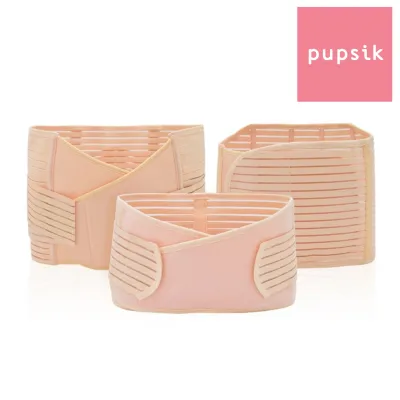
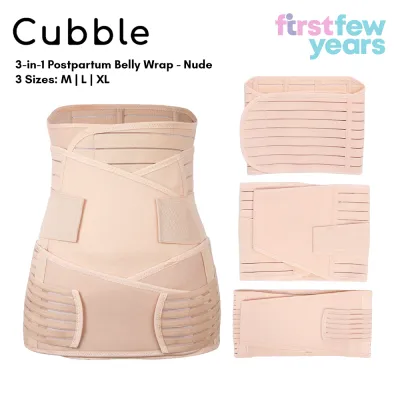
![[SG Stock] Postpartum Belly Wrap Belly Shrink Abdominal Belt Waist Girdle Shaping After C-section and Natural Birth](https://img.lazcdn.com/g/p/3644ab55af001075d9ec5bb10bc45a9d.jpg_400x400q80.jpg_.webp)
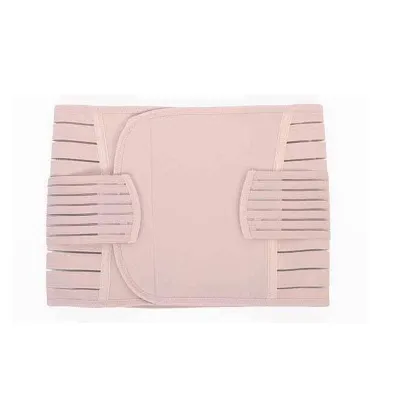
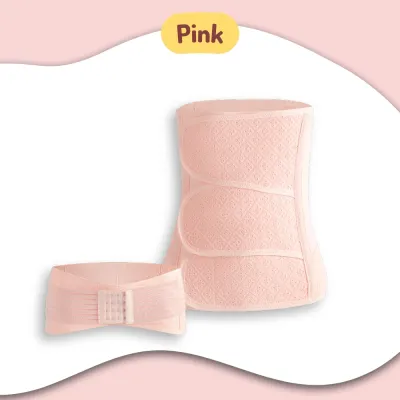
Prices are valid at publication and may change. Please refer to the product page for the latest price.
This mechanical stress is compounded by the hormone relaxin, which increases joint and ligament laxity to prepare the pelvis for birth. While essential for delivery, relaxin can lead to painful instability in the sacroiliac (SI) joints and the symphysis pubis joint, making everyday movements like walking or climbing stairs uncomfortable.
Furthermore, the growing weight of the uterus places continuous downward pressure on your pelvic floor muscles. Over time, this pressure can weaken the pelvic floor, leading to a feeling of heaviness and increasing the risk of stress incontinence.
Because of these progressive changes, a single, non-adjustable maternity support garment cannot serve you effectively from conception to delivery. The light, flexible compression needed to soothe bloating and mild ligament sensitivity in the early weeks is vastly different from the high-tensile, structured lift required to stabilize the pelvis near full term.
To maintain comfort and structural alignment, you should expect to evaluate different brand specialties or transition between adjustable product lines as your pregnancy progresses. Investing in a brand that offers a range of options—from lightweight, seamless bands to highly structured, multi-strap orthotic belts—ensures you have the correct level of mechanical assistance at every stage.
Core Criteria for Selecting a Maternity Support Brand
When evaluating tummy wrap brands, several foundational criteria should guide your selection before you focus on stage-specific features. In Singapore’s hot and humid tropical climate, material suitability is the most critical factor for daily comfort. Non-breathable synthetic fabrics trap heat and perspiration against the skin, rapidly leading to friction, heat rash, or contact dermatitis under the heavy fold of the bump.

Prioritize brands that utilize highly breathable, moisture-wicking materials such as bamboo-derived viscose, premium nylon-spandex blends, or integrated open-weave mesh panels that allow continuous airflow. These technical fabrics help regulate your skin temperature and keep you dry, which is essential for preventing skin breakdown during daily wear.
Adjustability and elastic recovery are equally vital for ensuring both safety and longevity. A high-quality tummy wrap must expand continuously to accommodate rapid abdominal growth while maintaining its structural integrity and tension. Look for brands that feature multi-panel fasteners, double-pull elastic tension straps, or high-recovery textiles that do not stretch out permanently after a few wears or washes.
High-quality brands typically use double-wrapped elastane or Lycra fibers that resist degradation from body heat, sweat, and frequent washing. Cheaply manufactured bands often lose their elasticity quickly, failing to provide consistent support and requiring premature replacement.
Additionally, pay close attention to sizing accuracy. Rather than assuming your pre-pregnancy dress size dictates your maternity belt size, look for brands that provide detailed measurement charts based on your current hip or lower abdominal circumference. Accurate sizing ensures the garment fits securely without slipping or causing localized pressure points.
Finally, look for brands that design their garments in consultation with medical professionals, such as obstetricians, gynecologists, or pelvic floor physiotherapists. These brands structure their products to support the pelvis and lower back without compressing the major blood vessels or placing downward pressure on the uterus. Always verify these medical design claims by reviewing the technical specifications, sizing guides, and professional endorsements on the brand’s official website rather than relying solely on promotional marketing copy.
Ideal Tummy Wrap Features for Each Pregnancy Trimester
First Trimester: Light Compression and Comfort
During the first trimester, your pregnancy bump is not yet prominent, but hormonal fluctuations can cause significant abdominal bloating, water retention, and early round ligament sensitivity. At this stage, heavy-duty support belts with rigid structures or thick straps are unnecessary and can feel overly restrictive. Instead, look for brands that specialize in seamless, pull-on belly bands or lightweight, tube-style wraps.
These lightweight bands provide gentle, uniform compression across the entire abdomen, which can help manage the discomfort of early pregnancy bloating and provide a reassuring sense of security. The mild compression acts as a gentle external support system, stabilizing the abdominal wall without restricting deep diaphragmatic breathing or digestion.
From a psychological perspective, many expectant mothers find that the gentle, continuous hug of a soft belly band helps reduce anxiety and increases physical comfort during the early weeks of transition. It also protects highly sensitive skin from the friction of regular clothing seams.
When selecting an early-stage band, pay close attention to the construction of the edges. Look for brands that offer flat-stitched, heat-bonded, or entirely seamless edges that will not roll up, dig into your hips, or cause chafing when you are seated for long periods at work or during your daily commute.
Additionally, these seamless bands serve a highly practical wardrobe function during this transitional phase. By layering a soft belly band over your unzipped regular trousers or skirts, you can securely hold your pre-pregnancy clothes in place, allowing you to transition into maternity wear gradually and comfortably.
Second Trimester: Adaptable Support for a Growing Bump
As you enter the second trimester, typically between weeks 13 and 27, your abdomen expands rapidly as the uterus rises out of the pelvic cavity. This phase of rapid growth requires highly adaptable, scalable support solutions that can be adjusted week by week. Look for brands that feature dual-layer designs or wide, adjustable side panels that allow you to customize the tension as your body changes.
The primary goal during the second trimester is to provide a moderate lift that helps distribute the increasing weight of the uterus. A well-designed second-trimester wrap cups the lower curve of the abdomen, lifting the weight upward and backward toward your spine to reduce the shear forces acting on your lower back. This mechanical lift helps prevent the exaggerated lower-back arching that often leads to chronic lumbar strain.
Furthermore, look for brands that incorporate a wide back panel into their design. A wider panel helps distribute the supportive tension across a larger surface area of your lower back, preventing localized muscle fatigue and improving your overall posture.
To ensure the wrap remains effective throughout active days, evaluate the quality of the fastening mechanisms. High-quality brands utilize medical-grade hook-and-loop fasteners with micro-hooks that grip securely without slipping under tension. These advanced fasteners are designed to remain flat, preventing them from snagging on your maternity clothing or collecting lint and losing their grip over time.
Additionally, look for designs that allow you to adjust the tension while standing or sitting, as your support needs will change depending on your posture. A band that feels comfortable while walking may require loosening when you sit down to prevent localized pressure on your lower abdomen.
Third Trimester: Maximum Lift and Pelvic Relief
The third trimester places the greatest physical demands on your body, as the sheer weight of the baby, amniotic fluid, and placenta reaches its peak. This heavy load exerts intense downward pressure on your pelvic floor, hips, and pubic symphysis, frequently causing severe pelvic girdle pain or sacroiliac joint instability. To manage this discomfort, look for brands that offer highly structured, multi-piece pelvic belts combined with an upper abdominal cradle.
These advanced, multi-strap systems work by compressing and stabilizing the pelvic ring while simultaneously lifting the heavy abdominal load off your pelvic floor. By mimicking the natural stabilizing function of your deep core muscles, these structured belts can significantly alleviate symptoms of Symphysis Pubis Dysfunction (SPD) and severe round ligament pain, allowing you to stand and walk with greater comfort.
Typically, these systems consist of a firm, non-elastic lower pelvic strap that stabilizes the SI joints, combined with an elastic abdominal band that cradles the bump, and an optional upper strap that prevents the belt from slipping down without compressing the baby. This multi-piece design allows you to customize the level of support based on your daily pain levels and activity.
However, it is important to remember that these heavy-duty support garments are symptom-management tools rather than medical cures. They should be used to facilitate mobility and reduce acute pain, but they do not replace the need for targeted pelvic floor and core rehabilitation exercises.
Proper fitting and positioning are absolutely critical during the third trimester to avoid placing upward or backward pressure on the uterus. The main supportive strap must sit low on your hips, running entirely underneath your bump to cradle it upward, while the upper stabilizing bands should be adjusted gently to secure the garment without restricting fetal movement. Always carefully review the manufacturer’s official fitting guides and instructional videos to ensure safe application.
Comparison Guide: Evaluating Tummy Wrap Brands
When shopping on official brand stores or online marketplaces, comparing the technical specifications of different garments is essential for finding the right fit. Use this quick-reference guide to evaluate key features and understand what to look for in product descriptions.
| Feature Dimension | Why It Matters | What to Look For in Product Specs |
|---|---|---|
| Breathability | Prevents sweat accumulation, heat rash, and skin chafing in Singapore's humid climate. | Look for open-weave mesh panels, perforated neoprene, or moisture-wicking bamboo-derived fabrics. |
| Lift Mechanism | Directly relieves lower back strain and pelvic pressure by redistributing abdominal weight. | Look for dual-pull elastic tension straps, reinforced lower cradles, or multi-piece structural belts. |
| Ease of Use | Essential for independent wear during late pregnancy when mobility and flexibility are limited. | Look for front-fastening hook-and-loop panels or simple wrap-around designs that do not require twisting. |
| Washability | Ensures long-term hygiene and maintains the elastic recovery of the technical fabrics. | Check for machine-washable labels (preferably using a laundry bag) and high-recovery spandex or nylon blends. |
Safety Boundaries and When to Consult Your Doctor
While maternity support garments offer exceptional relief, establishing clear safety boundaries is essential to prevent misuse and protect both your health and your baby’s development. First, observe strict usage limits; tummy wraps and pelvic belts should not be worn continuously throughout the day. Overusing an external support garment can lead to muscle deconditioning, where your deep core and pelvic floor muscles rely on the belt for stability and gradually weaken from disuse.
Limit wear to 2 to 3 hours at a time, primarily during periods of prolonged standing, walking, or physical activity, and follow the specific daily wear guidelines provided by the manufacturer. To ensure the band is not too tight, perform a simple “two-finger test” after putting it on: you should be able to slide two fingers comfortably between the band and your skin without feeling restricted.
Second, remain highly vigilant for warning signs that indicate the garment is fitted incorrectly or is unsuitable for your body. Immediately remove the wrap if you experience shortness of breath, dizziness, skin irritation, red pressure marks, localized numbness, or an increase in pelvic or abdominal pain. Furthermore, if you notice any restriction or change in fetal movement while wearing the band, remove it immediately and seek medical evaluation.
Additionally, avoid repurposing pregnancy wraps as postpartum binders unless the product is specifically designed as a multi-functional system. The compression vectors required for postpartum recovery—which focus on abdominal wall binding and visceral support—are entirely different from the lifting vectors needed during pregnancy.
Finally, always consult your obstetrician, gynecologist, or a specialized women’s health physiotherapist before purchasing a heavy-duty pelvic or maternity belt. This is particularly crucial if you have a history of high blood pressure, preeclampsia, pelvic floor dysfunction, or specific orthopedic conditions. A qualified professional can assess your physical alignment, confirm that a support garment is safe for your unique pregnancy profile, and guide you on the correct positioning and tension settings.
Frequently Asked Questions (FAQ)
Can I wear a tummy wrap while sleeping?
Most standard tummy wraps, structured maternity belts, and moderate-to-high compression bands are designed strictly for daytime, upright use and should be removed before going to sleep. Wearing a supportive belt while lying down can restrict blood circulation, cause digestive discomfort, and place unnecessary pressure on your abdomen as your body shifts positions. While some brands offer ultra-soft, seamless, low-compression sleep bands designed purely to keep a growing bump cozy, you must verify the manufacturer’s label to ensure the product is explicitly rated for overnight use.
Will wearing a tummy wrap weaken my core muscles?
Using a tummy wrap does not inherently weaken your core muscles if it is used correctly as a temporary, supplementary aid rather than a permanent crutch. To prevent muscle laziness or deconditioning, avoid wearing the wrap 24/7 and ensure you are actively engaging your core throughout the day. It is highly recommended to pair the use of maternity support garments with gentle, pregnancy-safe core and pelvic floor exercises, such as pelvic tilts and Kegels, under the guidance of a certified pre-natal fitness specialist or physiotherapist.
Community discussion
Share your experience or ask a question. Comments are reviewed before publication.