
Quick Guide to Choosing a Travel Potty Seat
When planning outings or regional trips with a potty-training toddler, finding a reliable travel potty seat is often the key to maintaining consistency and preventing accidents. The ideal option for your family depends heavily on your specific travel style—whether you are navigating long flights, taking road trips, or simply hopping between urban shopping malls in Singapore. Selecting the right gear involves balancing three primary priorities: portability, hygiene, and stability.
Before purchasing any model, it is essential to verify your toddler’s current weight against the manufacturer’s specified weight limits. While product packaging often lists general age ranges, these are merely rough guidelines. Physical size, developmental readiness, and weight capacity are the true measures of safety and comfort. Always consult the product’s official manual to ensure your child falls safely within the recommended limits before use, and ensure caregiver supervision is provided at all times during use.
Types of Travel Potty Seats for Different Trips
Understanding the distinct designs of travel potty seats allows you to choose a model that aligns with your daily routine and travel destinations. Each style offers unique structural benefits and trade-offs that affect how quickly you can set it up in an emergency.
Products mentioned in this guide
![[SG] Kids Travel Foldable Toilet Seat/ Baby Foldable Travel Potty Seat/ Kids Folding Toilet Training Seat Cover](https://img.lazcdn.com/g/p/d0f64ba2678c26156c57f25b7d66c912.jpg_400x400q80.jpg_.webp)
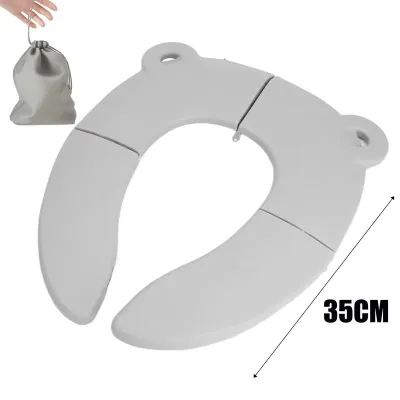
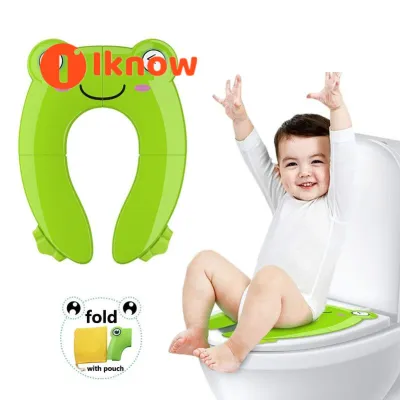
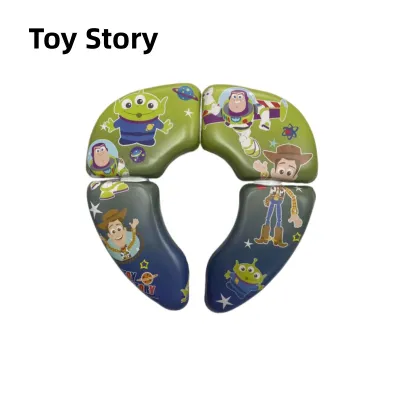
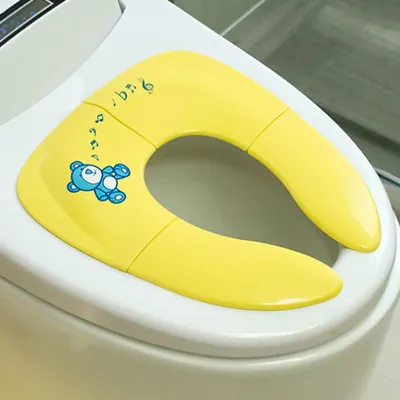
Prices are valid at publication and may change. Please refer to the product page for the latest price.

Foldable Standalone Potties
Foldable standalone potties are self-contained units featuring legs that fold flat for compact storage. When expanded, these legs support a seat frame that holds either a removable silicone bowl or a disposable plastic liner bag. This design is highly beneficial for outdoor excursions, such as family picnics at East Coast Park, visits to nature reserves, or trips to playgrounds where public restrooms are distant or unavailable.
When selecting a foldable standalone model, carefully check the folded dimensions to ensure it fits comfortably within your diaper bag, backpack, or stroller basket. Because these units do not rely on existing plumbing, they offer complete independence from public facilities, though they require you to manage waste disposal manually. Always verify the manufacturer’s instructions regarding the maximum weight capacity for these freestanding structures to ensure they remain stable under your child’s weight.
Travel Toilet Seat Reducers
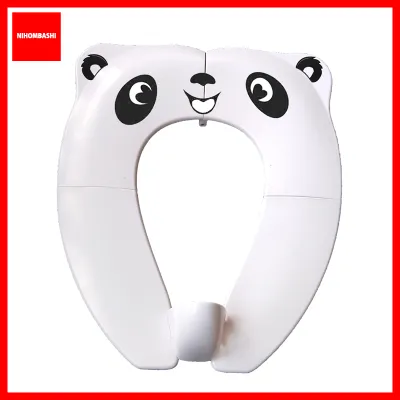
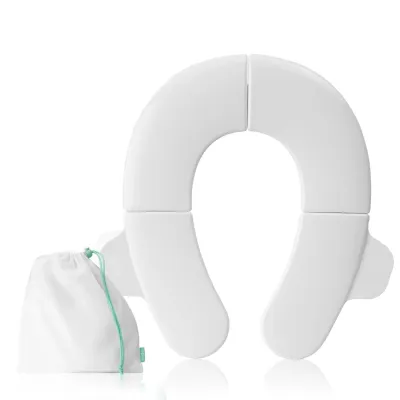
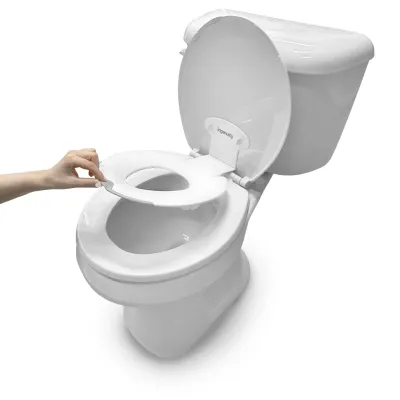
Travel toilet seat reducers are specialized rings designed to sit directly on top of standard adult toilet seats. Their primary function is to reduce the size of the opening, making public toilets less intimidating and physically safer for small children who fear falling in. These reducers are highly suited for urban transit, shopping mall outings, and airport terminals.
When evaluating a seat reducer, look closely at the underside design. High-quality models feature rubberized grips, silicone anti-slip pads, or adjustable brackets to prevent the seat from shifting while your child is seated. Since public toilet seats vary widely in shape and size, choosing a reducer with robust stability features is crucial for your child’s confidence. Always supervise your child closely to ensure the reducer does not slide out of place during use.
Disposable or Bag-Lined Potties
Disposable or bag-lined potties rely on a lightweight, ultra-compact frame that supports a single-use, leak-proof plastic bag. The bags typically contain an absorbent, biodegradable pad designed to solidify liquid waste quickly and minimize odors. This category is exceptionally convenient for sudden emergencies, long car journeys, or situations where immediate cleaning is impossible.
While these potties offer unmatched convenience and require zero scrubbing, they carry ongoing operational costs. Parents must continuously purchase compatible replacement liners. Additionally, relying solely on single-use plastic bags presents environmental trade-offs that may not appeal to eco-conscious families. Always ensure the liner bags are stored out of reach of children to prevent suffocation hazards.
Essential Features to Evaluate Before Buying
To find a travel potty seat that fits your lifestyle, you must look beyond aesthetic designs and evaluate specific structural features. Always read the manufacturer’s label and product manual for exact safety thresholds rather than relying on generic retail descriptions.
- Portability and Weight: A travel potty must be easy to transport without adding unnecessary bulk to your gear. Consider the overall weight of the seat and whether it includes a hygienic carry bag to keep it isolated from other items in your diaper bag. If you frequently use a compact stroller, verify whether the folded potty fits easily into the under-seat basket or can be clipped securely to the frame.
- Hygiene and Cleaning: On-the-go sanitation is a vital consideration. Examine how easy the seat is to dismantle, wipe down, and sanitize. Smooth surfaces with minimal crevices prevent waste from becoming trapped. Ensure the materials are compatible with standard, baby-safe disinfectant wipes or mild sanitizing sprays without degrading the plastic or silicone over time.
- Stability and Safety: A slipping potty seat can frighten a toddler and set back potty training progress. Look for designs that incorporate wide, stable bases, locking leg mechanisms, and high-friction contact pads. For parents of boys, a built-in, integrated splash guard is a critical feature to prevent accidental spills and keep public restroom floors clean.
- Age and Size Suitability: Never assume a potty seat is suitable based on the age recommendation on the box. Toddlers grow at vastly different rates, making physical dimensions and weight limits the only reliable metrics. Measure the width of the seat against your child's build to ensure they can sit comfortably and securely without sliding off or feeling pinched.
Top Travel Potty Seat Recommendations by Scenario
To help you narrow down the choices, we have analyzed several popular travel potty seats available through local baby specialty stores and official online marketplaces in Singapore. These recommendations are categorized by common travel scenarios to match your specific needs.
Best for Flights and Airport Transits
The Potette Plus 2-in-1 Travel Potty and Trainer Seat is an exceptional choice for air travel and airport transits. This highly versatile model functions as both a standalone potty when the legs are locked downwards and a flat toilet seat reducer when the legs are folded completely outward.
- Key Features: Dual-function design, rubberized non-slip feet, folding legs, and compatibility with disposable liners or a reusable silicone liner.
- Pros: Extremely lightweight, folds flat to fit easily into standard carry-on luggage, and can be quickly sanitized with standard baby wipes.
- Cons: The locking mechanism on the legs requires some physical strength to snap securely into place, which can be challenging during a sudden toddler emergency.
- Where to Buy: Available at major local baby specialty stores and official brand stores on online marketplaces.
Best for Road Trips and Outdoor Outings
The OXO Tot 2-in-1 Go Potty is built for durability and stability, making it the ideal companion for road trips, outdoor park visits, and beach days where public facilities are scarce.
- Key Features: Smooth, easy-to-clean surfaces, legs that open quickly with a simple button mechanism, and a soft, flexible splash guard.
- Pros: Highly stable on uneven outdoor ground, features secure clips that hold disposable bags firmly in place, and folds down to a compact size.
- Cons: Slightly bulkier and heavier than basic plastic folding seats, which may take up more space in smaller diaper bags.
- Where to Buy: Distributed widely through local department stores, physical baby boutiques, and official online distributors.
Best for Public Restrooms and Shopping Malls
The Gimars Folding Travel Potty Seat is specifically designed for urban families who frequently visit shopping malls, restaurants, and public play areas. It functions strictly as a toilet seat reducer, folding down into a compact square.
- Key Features: Multi-fold design, large silicone non-slip pads on the underside, and an integrated splash guard.
- Pros: Folds down to a very small size that fits into a compact diaper bag, prevents direct contact with public toilet seats, and is highly budget-friendly.
- Cons: Cannot be used as a standalone potty; it requires an existing adult toilet to function, making it unsuitable for outdoor areas without restrooms.
- Where to Buy: Readily available via major online marketplaces and select local nursery retailers.
Hygiene and Maintenance Tips on the Go
Maintaining strict hygiene while traveling requires preparation and the right cleaning routine. Before applying any disinfectant or cleaning agent, always check the product’s label and the potty seat manufacturer’s instructions. If instructions conflict, or if the material compatibility is unidentified, stop and consult the manufacturer or a qualified professional to avoid damaging the plastic, silicone, or rubber components.
To handle sanitary needs efficiently, assemble a dedicated travel potty kit in a waterproof wet bag. This kit should include:
- Travel-sized, alcohol-free disinfectant wipes
- Biodegradable waste disposal bags
- A small bottle of hand sanitizer
- A compact, washable changing mat to place under the potty on public floors
When using a standalone potty with disposable liners, ensure the bag is securely fastened around the seat frame before your child sits down. After use, tie the bag tightly to seal in odors and moisture. Always dispose of used liners in designated public waste bins. Never flush disposable liners or wipes down any toilet, even if they are labeled as flushable, as they can cause severe blockages in commercial plumbing systems. If the plastic frame becomes soiled, wipe it down immediately with a baby-safe disinfectant wipe and allow it to air dry completely before folding it back into its storage bag.
Frequently Asked Questions (FAQ)
At what age should I introduce a travel potty seat?
Introducing a travel potty seat depends entirely on your child’s developmental readiness and progress with standard potty training, rather than a specific age. Most toddlers begin showing signs of readiness between 18 and 24 months. It is highly recommended to introduce the travel potty at home first, allowing your child to become familiar and comfortable with it before attempting to use it in unfamiliar public settings. If your child shows signs of distress, resistance, or physical discomfort during use, stop using the seat immediately and consult a pediatrician or a qualified child development professional.
Can I use a travel potty seat on an airplane toilet?
While some compact travel toilet seat reducers can physically rest on airplane toilet seats, the effectiveness varies due to the unique, narrow shapes of aircraft lavatories and the loud, powerful vacuum flush mechanism which can startle toddlers. For flights, many parents find it more practical to use a standalone potty with a disposable liner inside the airplane restroom cabin, or to encourage their child to use the more spacious airport terminal restrooms immediately before boarding and right after landing.
How do I prevent odors when using a bag-lined travel potty?
To control odors effectively, always use high-quality, leak-proof disposable liners that feature built-in absorbent pads or gelling agents designed to solidify liquid waste. Once your child is finished, tie the liner bag tightly with a double knot to seal in odors. In Singapore’s warm, humid climate, dispose of the sealed bag in an outdoor waste bin as quickly as possible. Avoid leaving used bags inside stroller baskets, car trunks, or enclosed diaper bags for extended periods.
Community discussion
Share your experience or ask a question. Comments are reviewed before publication.