
Potty training is a major milestone, but maintaining consistency while traveling can feel like a high-stakes challenge. Whether you are planning a weekend road trip across the Causeway, taking a flight from Changi Airport, or spending an afternoon at East Coast Park, having a reliable travel potty for kids ensures your child stays on track without the stress of hunting for public toilets. The ideal option is not a one-size-fits-all product; instead, it depends heavily on your specific travel environment, storage constraints, and how you plan to manage waste on the move.
Selecting the wrong style can lead to bulky baggage, leak emergencies, or a child who refuses to use an uncomfortable setup. By understanding the distinct categories of travel potties—foldable, inflatable, and disposable systems—you can make an informed choice that keeps your outings smooth and hygienic. Let us look at how different travel scenarios dictate your potty choice and how to evaluate the top options available.
Quick Matching Guide: Pick the Right Potty for Your Trip
To help you make an immediate decision, this quick reference guide maps common travel scenarios to the most practical potty types based on setup speed, waste management, and portability.
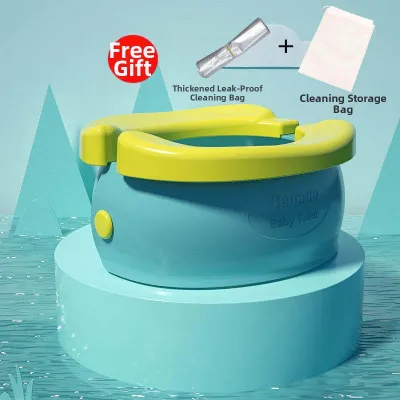
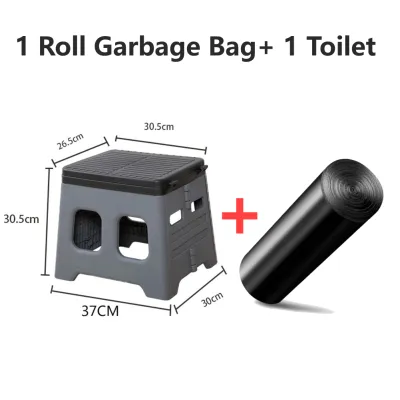
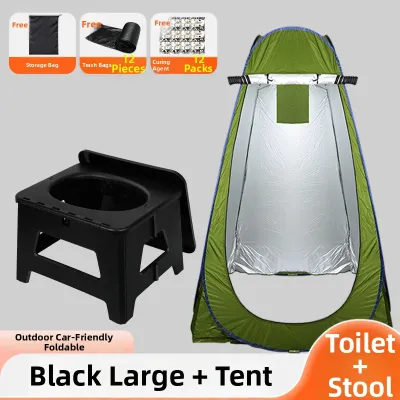
Products mentioned in this guide
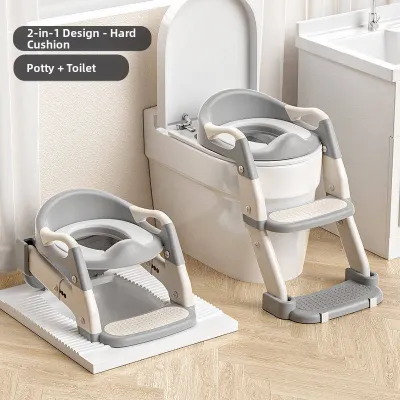
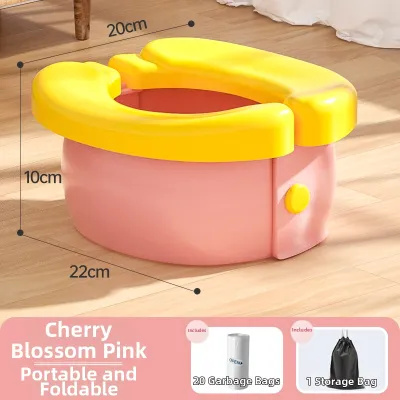
![[SG Stock] Baby Foldable Travel Potty Seat Kids Fodling Toilet Training Seat 12M+](https://img.lazcdn.com/g/p/b7242f67fbb9b3f1ec1e2753750fe534.jpg_400x400q80.jpg_.webp)
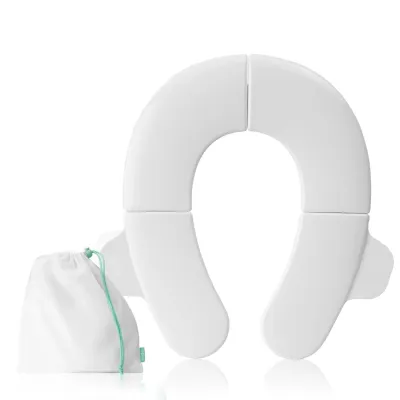
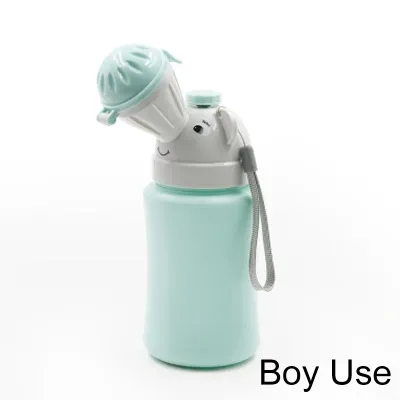
Prices are valid at publication and may change. Please refer to the product page for the latest price.
| Travel Scenario | Recommended Potty Type | Key Benefits | Primary Trade-Off |
|---|---|---|---|
| Car Rides & Road Trips | Foldable Travel Potty | High stability, quick setup in the boot or backseat, uses disposable liners. | Requires some physical storage space in the vehicle. |
| Flights & Air Travel | Ultra-compact Foldable or Inflatable | Fits easily into carry-on bags, lightweight, discreet for narrow airplane lavatories. | Inflatables require manual inflation time; foldable seats need a flat surface. |
| Outdoor Outings & Parks | Foldable Potty or Disposable Liners | Works on uneven ground, highly portable, easy to pack in a stroller basket. | Requires carrying waste bags until a proper bin is found. |
Every child has unique comfort preferences, so treat this table as a starting framework. A highly sensitive toddler might refuse a thin disposable option, while an active child might require the absolute sturdiest frame. Always weigh these scenario-based recommendations against your child’s current potty training stage and physical comfort.
How Travel Scenarios Dictate Your Potty Choice
The physical environment of your trip dictates your potty needs more than any other factor. What works perfectly in a spacious car boot can become an operational nightmare in a cramped airplane cabin or on a muddy hiking trail.

Car Rides and Road Trips
Road trips present unique challenges, especially when traffic jams occur or public restrooms are miles apart. When traveling by car, you have the luxury of a dedicated storage area, meaning you do not have to compromise on stability or structure. A sturdy potty that can be set up in the boot or on a flat backseat floor is ideal.
Ease of cleaning is paramount when you are on the road for hours. Look for a model that accommodates secure waste-liner bags so you can tie up the waste and dispose of it at the next rest stop without needing to rinse a bowl. Before setting off, check your vehicle’s trunk dimensions and seat configurations to ensure you have a flat, safe area to place the potty when parked.
Flights and Air Travel
Air travel demands extreme space efficiency and absolute discretion. Airplane lavatories are notoriously narrow, and turbulent flights make navigating public restrooms with a toddler highly stressful. For flights, your travel potty for kids must be lightweight and compact enough to slide into a standard diaper bag or carry-on luggage without exceeding airline cabin limits.
Waste disposal in an airplane cabin requires leak-proof security. Many parents prefer compact folding seats that rest directly on top of the regular airplane toilet seat, reducing the child’s fear of the large opening while keeping them elevated from public surfaces. If you choose a standalone potty for the cabin, ensure you have highly absorbent, leak-proof liners that can be sealed tightly and disposed of according to airline crew instructions.
Outdoor Outings and Camping
Outdoor excursions, such as family picnics at Singapore Botanic Gardens or camping trips, introduce uneven terrain and a lack of modern plumbing. In these environments, durability and structural integrity are your top priorities. A travel potty must be stable enough to sit on grass, sand, or gravel without tipping over when your child shifts weight.
Because you will not have access to running water for easy rinsing, your outdoor potty must work seamlessly with biodegradable waste bags or standard disposal liners. Always verify the ground stability before letting your child sit down, and keep a dedicated wet bag in your stroller to carry used liners until you find a designated waste bin.
Comparing Travel Potty Types: Pros, Cons, and Best Uses
Understanding the structural differences between travel potty categories allows you to weigh practical trade-offs against your family’s specific travel habits.
Foldable Travel Potties
Foldable travel potties are the most popular choice for parents seeking a balance between a traditional home potty and a portable solution. These models feature rigid plastic legs or sides that fold flat for storage and lock securely into place for use. Many foldable designs are dual-purpose: they can stand alone with a disposable liner bag or fold open completely to serve as a toilet trainer seat on top of a standard adult toilet.
- Pros: Exceptional stability, rigid support that mimics a home toilet, dual-use functionality, and highly durable hinges.
- Cons: Can be relatively bulky compared to other types, and the folding hinges require regular inspection to ensure no dirt or sand is blocking the locking mechanism.
- Best For: Road trips, daily stroller outings, and transition phases where the child still fears adult-sized toilets. Always check the manufacturer-stated weight capacity and material safety certifications on the product label before use.
Inflatable Travel Potties
Inflatable potties offer a soft, cushioned seating experience and fold down to the size of a small book when deflated. They are typically made of heavy-duty plastic or vinyl and feature a hollow center that holds a disposable liner.
- Pros: Extremely lightweight, highly packable for carry-on luggage, and comfortable for toddlers who dislike hard plastic seats.
- Cons: Requires manual inflation which can be stressful during an urgent "potty emergency," and there is always a risk of punctures from sharp objects or rough ground.
- Best For: Air travel, hotel stays, and light packing scenarios where every gram of luggage counts. When purchasing, verify whether an air pump is included, check the seam quality, and look for models that include a puncture repair kit.
Disposable Potty Liners
Disposable liners are not potties themselves, but they are the critical engine behind most portable systems. These single-use plastic bags fit inside foldable or inflatable frames and feature an absorbent pad in the bottom to solidify liquid waste, preventing splashes and leaks.
- Pros: Eliminates the need for washing or sanitizing a potty bowl on the go, highly hygienic, and easily packable.
- Cons: Ongoing cost of purchasing replacement liners, environmental impact of single-use plastics, and the necessity of finding a proper trash receptacle immediately after use.
- Best For: Quick public stops, busy outdoor parks, and emergency car use. Before buying, verify the bag thickness and leak-proof claims against the manufacturer's specifications, and ensure you comply with local waste disposal regulations wherever you travel.
Practical Tips for Using a Travel Potty On the Go
Using a travel potty for kids successfully requires preparation and a clear routine. Before embarking on any major trip, introduce the new travel potty to your child at home. Let them practice sitting on it in a familiar environment so they are not intimidated by a strange object when they urgently need to go in public.
Always pack a dedicated “potty kit” in your diaper bag or car boot. This kit should include the travel potty, a generous supply of compatible liner bags, flushable wet wipes, hand sanitizer, and a spare change of clothes in a waterproof wet bag.
For safety and hygiene, prioritize the following boundaries during every use:
- Constant Supervision: Always supervise your child closely while they are using the potty, especially on uneven outdoor ground or elevated surfaces.
- Stability Check: Ensure the potty legs are fully locked and the unit is placed on a flat, non-slip surface before your child sits down.
- Stop If Damaged: Regularly inspect the plastic hinges, seams, or inflatable chambers. If you notice cracks, air leaks, or structural instability, stop use immediately to prevent tipping or pinching.
- Manufacturer Guidelines: Always consult the product label for specific age limits, weight restrictions, and approved cleaning solutions. Do not rely on home-brewed cleaning mixtures that might degrade the plastic or irritate your child's skin.
Cross-Scenario Compatibility: Can One Potty Fit Multiple Trips?
Many parents wonder if they can buy a single travel potty that excels in every possible scenario. The reality is that every portable potty design involves a compromise between structural stability and packed size. A heavy-duty foldable potty that offers excellent stability on a windy beach may feel far too cumbersome to carry through airport security, while an ultra-light inflatable seat might feel too unstable for a toddler on a bumpy camping site.
If your family enjoys a mix of road trips, flights, and outdoor park visits, a hybrid approach is often the most practical solution. Investing in a compact, 2-in-1 foldable potty that functions both as a standalone unit (with disposable liners) and as a toilet trainer seat (for hotel or public restrooms) offers the highest level of versatility.
By prioritizing your most frequent travel method when making your purchase, you can manage expectations and ensure your child has a comfortable, reliable setup where it matters most.
Frequently Asked Questions (FAQ)
What age or weight is appropriate for a travel potty?
The appropriate age and weight for a travel potty depend entirely on the specific model’s engineering and your child’s developmental readiness. Most manufacturers design toddler-sized travel potties for children aged 15 months up to 3 or 4 years, with weight limits typically ranging from 15 kg to 25 kg. However, you must always check the product documentation or packaging to verify the exact limits for your specific model. Regardless of the child’s age or weight, constant adult supervision is mandatory during use, and you should stop using the potty immediately if your child shows signs of physical discomfort or if the potty bends under their weight.
How do I clean and maintain a travel potty after use?
Proper maintenance extends the lifespan of your travel potty and ensures a sanitary environment for your child. After each use, empty any waste safely into a toilet, rinse the bowl with clean water, and wipe it down with a mild disinfectant. To clean the frame thoroughly, follow the manufacturer’s care instructions regarding approved cleaning agents, as harsh chemicals like bleach can degrade certain plastics or silicone parts over time. Inspect the structural hinges and seams regularly for signs of wear, persistent odors, or cracks. If you observe any material degradation, discontinue use immediately and replace the unit to ensure your child’s safety.
Community discussion
Share your experience or ask a question. Comments are reviewed before publication.