
A travel pee bag is a compact, highly absorbent, and leak-proof portable container designed to collect and solidify liquid waste during baby outings when access to a clean public restroom or nursing room is limited. For parents navigating the busy streets, transit lines, and parks of Singapore, this simple accessory serves as an indispensable emergency backup. It ensures that sudden diaper changes or unexpected urination do not turn into stressful, unhygienic situations, keeping your baby comfortable and dry while protecting public spaces and your personal gear from accidental spills.
When managing an infant or toddler on the go, timing is everything. A sudden urge to go or an unexpected diaper leak can happen anywhere, from a crowded commuter train to an outdoor nature trail. By keeping a dedicated travel pee bag in your diaper bag, you gain peace of mind and a practical, immediate solution to sanitation challenges, allowing you to focus on enjoying your day out with your little one.
Why a Travel Pee Bag is Essential for Singapore Outings
Singapore is highly regarded for its family-friendly infrastructure, but parents frequently encounter situations where finding a clean, vacant nursing room quickly is a significant challenge. During peak weekend hours, popular shopping malls along Orchard Road or family hubs like VivoCity and Jewel Changi Airport experience heavy foot traffic. This often results in long queues at diaper-changing stations, leaving parents with fussy babies waiting in high-stress environments.
Products mentioned in this guide
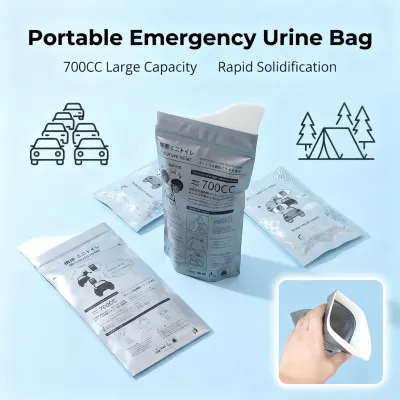
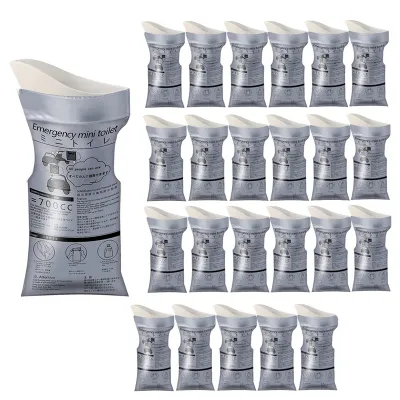
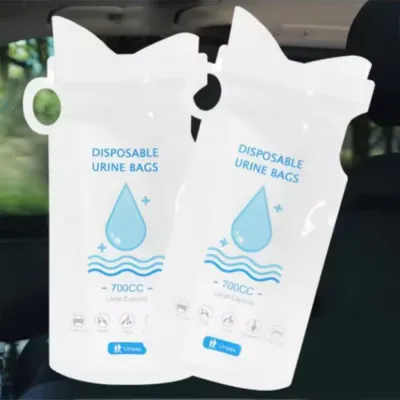
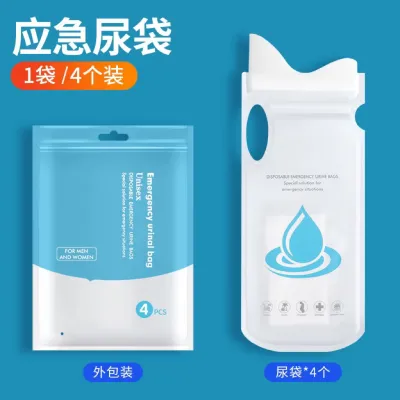
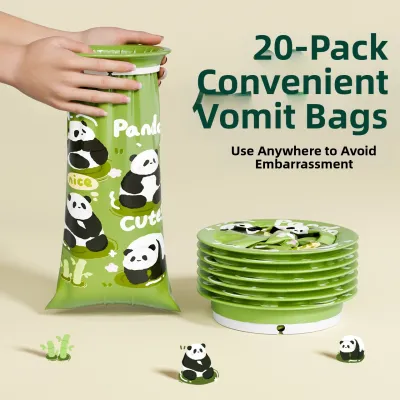
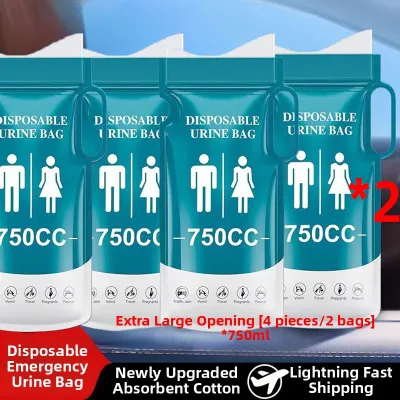
Prices are valid at publication and may change. Please refer to the product page for the latest price.
In outdoor spaces such as East Coast Park, Gardens by the Bay, or the Singapore Botanic Gardens, public restrooms can be spaced far apart, requiring a lengthy walk under the hot sun. Navigating the Mass Rapid Transit (MRT) system during rush hour presents another hurdle, as boarding and disembarking to find a station toilet can disrupt your travel schedule and increase stress. In these moments, a sudden diaper leak or an unexpected stream of urine during an outdoor diaper change can quickly soil your baby’s clothing, your stroller, or your own outfit.
Furthermore, Singapore’s tropical climate, characterized by high heat and humidity, exacerbates the discomfort of a wet baby. Dampness against a baby’s sensitive skin in a warm environment accelerates the risk of diaper rash and skin irritation. A travel pee bag acts as a reliable, hygienic buffer that allows caregivers to address emergencies immediately, without having to rush through crowds or search frantically for facilities. By capturing liquid waste instantly, these bags protect public changing tables from contamination and ensure that your baby remains clean, dry, and comfortable throughout the outing.
What to Look for When Buying a Baby Travel Pee Bag
Selecting the right travel pee bag requires looking beyond basic packaging designs to evaluate key functional features. Because these items are used in unpredictable public settings, their performance directly impacts your convenience and hygiene. Focusing on specific material and structural criteria will ensure you choose a product that performs reliably under pressure.

Absorbency and Leak-Proof Design
The most critical component of a high-quality travel pee bag is its ability to solidify liquid instantly. Look for products that utilize Super Absorbent Polymers (SAP). These specialized polymers are designed to absorb many times their weight in liquid, rapidly transforming urine into a spill-proof, stable gel within seconds. This rapid solidification is essential for preventing leaks, especially when you are moving around, pushing a stroller, or boarding public transport where sudden movements could cause unsolidified liquid to spill.
Odor Control
In enclosed, air-conditioned public spaces like SBS Transit or SMRT buses, MRT carriages, and indoor play areas, containing odors is a matter of basic courtesy and personal comfort. High-quality travel pee bags feature reliable sealing mechanisms, such as heavy-duty double-zip locks, adhesive strips, or secure press-and-seal closures. Additionally, some brands incorporate active odor-neutralizing agents or charcoal-infused layers into the bag material to trap and eliminate unpleasant smells before they can escape into the surrounding air.
Portability and Compactness
Space inside a standard diaper bag is always at a premium, as caregivers must carry bottles, spare clothes, wipes, and toys. A travel pee bag must be lightweight, thin, and highly compressible. Look for designs that fold completely flat or are packaged in ultra-slim dispenser rolls, allowing you to slip several units into the side pockets of your diaper bag or stroller organizer without adding unnecessary bulk or weight.
Anatomical Fit and Gender Suitability
To prevent spills during use, the opening of the travel pee bag must align comfortably and securely with your baby’s body. Many products feature flexible, contoured rims made of soft foam or silicone that shape gently to the baby’s anatomy, creating a temporary seal against the skin. When shopping, check product labels to determine if the design is unisex or gender-specific; some options feature higher front guards designed specifically for baby boys to redirect upward spraying, while others offer wider, flatter rims suitable for baby girls.
Capacity and Manufacturer Specifications
Before finalizing your purchase, always check the manufacturer’s stated fluid capacity and recommended age or weight limits printed on the product packaging. A bag designed for infants may not hold the volume of urine produced by an older toddler. Ensuring the product matches your child’s developmental stage prevents overflow issues and guarantees a secure, leak-free fit during use.
Types of Travel Pee Bags and Their Best Use Cases
Travel pee solutions come in several distinct structural designs, each tailored to different scenarios, age groups, and parent preferences. Understanding these categories allows you to select the most practical format for your family’s specific routine.
Disposable Absorbent Pouches
Disposable absorbent pouches are single-use, lightweight bags pre-filled with super absorbent polymer powder or a built-in absorbent pad. They are designed for maximum convenience, allowing you to open the bag, position it, collect the waste, seal it, and discard it immediately.
These pouches are highly recommended for high-stress travel scenarios, such as long flights out of Changi Airport, road trips, or full-day excursions where washing reusable items is highly impractical. Because they are discarded after a single use, they offer the highest level of convenience, though parents should check the product packaging for biodegradable materials or eco-friendly certifications if reducing environmental impact is a priority.
Reusable Silicone or Fabric Urinals
Reusable travel urinals are contoured, bottle-like receptacles or waterproof fabric bags designed to be emptied, washed, and used repeatedly. Typically made from medical-grade, flexible silicone or durable plastic, these products feature ergonomic funnels that fit snugly against the child’s body to prevent spills.
This option is highly cost-effective and environmentally friendly, making it ideal for older babies and toddlers who are actively transitioning to potty training. Because they can be washed and reused, they eliminate single-use plastic waste; however, they require caregivers to carry a dedicated, waterproof wet bag or sealed container to safely store the soiled urinal after use until it can be thoroughly sanitized at home.
Integrated Diaper Liners with Pee Guards
Integrated diaper liners with built-in pee guards are hybrid solutions that serve as an extra layer of protection during standard diaper changes. These disposable or washable liners feature a highly absorbent central zone paired with raised outer barriers or flexible guards designed to catch unexpected streams of urine before they can spray outward.
This design is best suited for routine diaper changes on public changing tables in shopping malls or community spaces. It provides a clean, hygienic surface for your baby to lie on while simultaneously acting as a shield against sudden, mid-change accidents, protecting both the caregiver and the surrounding environment from messes.
Step-by-Step Guide to Using and Disposing of Pee Bags Safely
Using a travel pee bag correctly is essential for maintaining hygiene and preventing accidental spills in public spaces. Following a structured, step-by-step process ensures that you manage diaper emergencies safely and responsibly.
- Preparation: Before laying your baby down or opening their diaper, retrieve the travel pee bag from your diaper bag. Fully unfold the bag and gently expand the opening. If the product features a flexible foam or silicone rim, press it slightly to ensure it is shaped correctly and ready to conform to your baby's body.
- Positioning: Gently place the contoured opening of the bag over your baby's diaper area. Ensure the rim makes direct, gentle contact with the skin to create a continuous seal. If you are using a gender-specific bag with a raised guard, verify that the guard is positioned at the front to catch any upward spray. Keep one hand securely holding the bag in place while you unfasten and slide away the soiled diaper.
- Securing and Sealing: Once your baby has finished urinating, carefully tilt the bag upward to ensure all liquid flows down into the absorbent core. Allow a few seconds for the super absorbent polymers to fully engage and solidify the liquid into a gel. Once the contents are stabilized, use the built-in zip-lock, adhesive strip, or drawstring to seal the bag completely. Double-check that the seal is tight and there are no gaps where air or moisture could escape.
- Proper Disposal: Carry the sealed bag to the nearest designated public waste bin. Never flush any part of a travel pee bag, absorbent pad, or disposable liner down public toilets. These materials do not dissolve in water and will cause severe plumbing blockages and system damage in public facilities. If no waste bin is immediately available, place the sealed bag inside a dedicated wet bag until you locate a proper disposal point.
- Caregiver Hygiene: After disposing of the bag, immediately clean your hands. If a sink with running water and soap is not nearby, use a high-quality hand sanitizer or sanitizing wipe to thoroughly clean your hands before handling your baby, stroller, or personal belongings again. Wash your hands with soap and warm water at the next available opportunity.
Complete Your Travel Kit with a Portable Changing Mat
While a travel pee bag is highly effective at managing liquid waste, it works best when integrated into a complete, portable changing system. Pairing your pee bag with a high-quality portable changing mat creates a comprehensive, hygienic barrier that protects your baby from unhygienic surfaces while ensuring you can manage sudden diaper emergencies quickly and efficiently.
When choosing a portable changing mat to complement your travel kit, prioritize waterproof and easily sanitizable materials. Mats lined with PEVA or polyurethane laminate (PUL) are excellent choices because they can be wiped clean instantly with a baby wipe or sanitizing spray. Look for compact folding designs that feature integrated storage pockets; these pockets are perfect for organizing your travel pee bags, wet wipes, and spare diapers together, ensuring you can deploy your entire changing station in a single, swift motion during an emergency.
Additionally, consider the comfort of your baby during outdoor changes. Mats with built-in foam head cushions provide essential support when laying your baby down on hard public changing tables or outdoor park benches.
Because Singapore experiences high relative humidity throughout the year, moisture can easily become trapped within the folds of a packed changing mat, creating an environment ripe for mold, mildew, and bacteria. To prevent this, always check the manufacturer’s care instructions for cleaning and drying. Make it a habit to wipe down the mat after each use, allow it to air-dry completely in a well-ventilated space before folding it away, and wash it regularly according to the product guidelines to maintain a safe, hygienic surface for your baby.
Frequently Asked Questions (FAQ)
Can I use regular plastic bags instead of specialized travel pee bags?
Regular plastic bags are not a safe or hygienic substitute for specialized travel pee bags. Standard plastic bags lack the super absorbent polymers (SAP) required to solidify liquid waste, meaning urine will remain in a liquid state and slosh around inside the bag. This significantly increases the risk of leaks, tears, and spills during transport. Furthermore, regular plastic bags do not offer odor-locking seals or neutralizing features, allowing unpleasant smells to escape into public or enclosed spaces.
At what age should I stop using travel pee bags for my baby?
The use of travel pee bags typically tapers off as your child transitions through toddlerhood and achieves reliable daytime bladder control, usually between the ages of 18 months and 3 years. However, there is no fixed age to stop using them. Many parents find it practical to keep a few emergency bags in their travel kits well into the preschool years to manage sudden potty emergencies during long transit rides or outdoor excursions. Always monitor your child’s individual developmental needs and check the size and weight limits of your specific product.
How do I clean a reusable travel pee bag while outdoors?
To clean a reusable travel pee bag or urinal while away from home, first empty the collected liquid directly into a public toilet. If you have access to clean water, rinse the interior of the receptacle thoroughly, pouring the rinse water into the toilet as well. Shake off any excess moisture, seal the urinal securely inside a waterproof wet bag, and store it in your diaper bag. Once you return home, wash the item thoroughly with hot, soapy water or follow the manufacturer’s specific sanitizing instructions before allowing it to air-dry completely.
Community discussion
Share your experience or ask a question. Comments are reviewed before publication.