
Setting up a nursery in Singapore requires balancing limited floor space with high humidity and strict safety standards. Finding the right toy organizer storage is essential to keep your baby’s room orderly, hygienic, and safe. The ideal storage system must adapt to your child’s developmental milestones while fitting seamlessly into typical local apartment layouts. This guide analyzes key selection criteria—including space optimization, tropical climate durability, and safety certifications—to help you select the most reliable storage solutions for your home.
How to Choose the Right Toy Organizer for Your Nursery
Space constraints in Singapore apartments Typical HDB flats and condominiums feature compact room layouts that demand smart spatial planning. To maximize floor space, prioritize vertical storage systems, modular units, or multi-functional furniture that can serve dual purposes. Modular systems allow you to stack or expand compartments as your child’s toy collection grows, preventing the nursery from feeling cramped. Choosing a unit with a compact footprint ensures there is still ample room for safe floor play and larger developmental toys.
Material selection for a tropical climate Singapore’s high relative humidity, which regularly exceeds 80 percent, creates a prime environment for mold, mildew, and dust mite proliferation. When evaluating materials, check the manufacturer’s labels for moisture resistance, breathability, and ease of cleaning. Solid wood treated with water-based, non-toxic sealants resists warping better than untreated engineered wood. If choosing fabric bins, look for breathable cotton canvas or washable polyester, and avoid cheap, non-woven materials that trap moisture and are difficult to sanitize. Polypropylene (PP) plastic bins are highly recommended for local nurseries because they are entirely moisture-proof, washable, and do not harbor mold.
Products mentioned in this guide
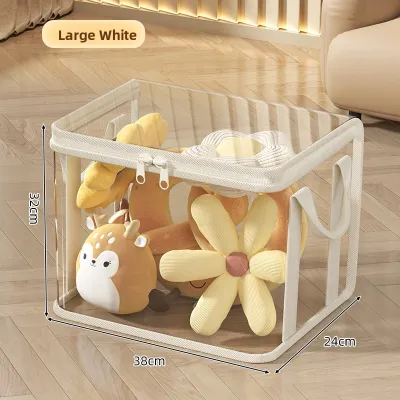
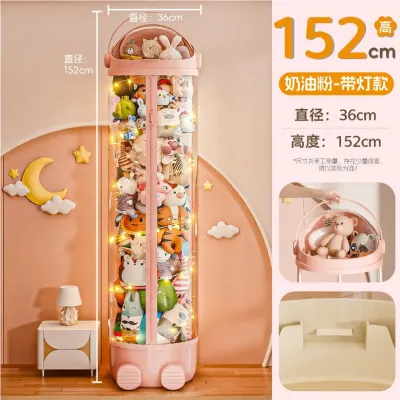
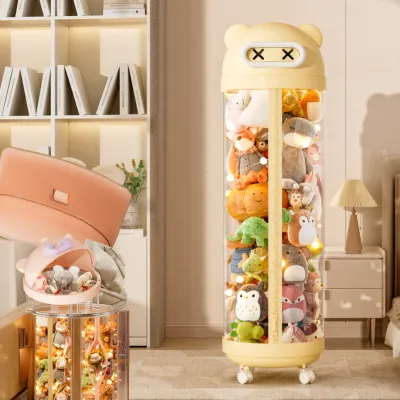
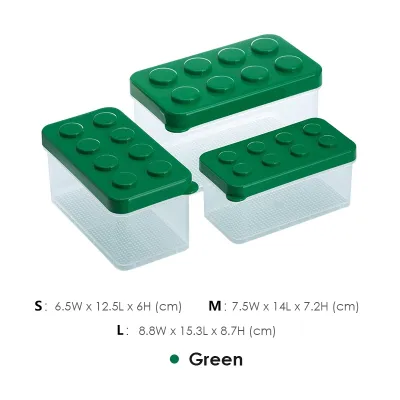
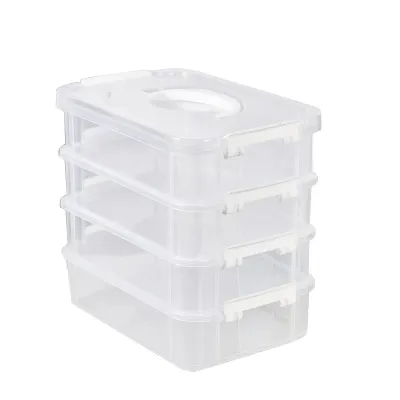
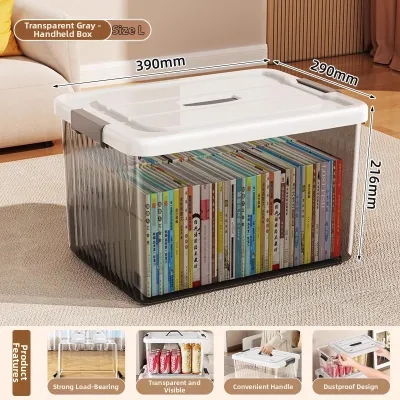
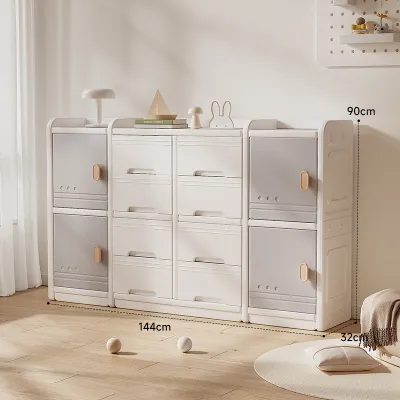
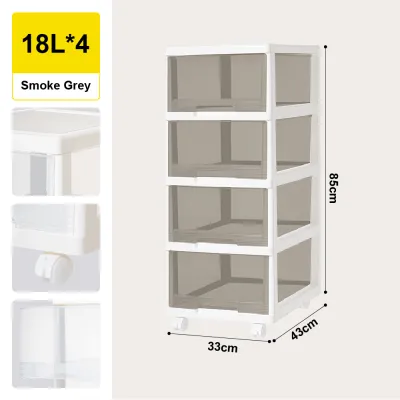
Prices are valid at publication and may change. Please refer to the product page for the latest price.
Essential safety features Safety must be the primary consideration for any nursery furniture. Always check product specifications for the inclusion of anti-tip kits, which are mandatory for securing tall or top-heavy units to the wall. Look for organizers with rounded corners and smooth edges to prevent impact injuries as your baby learns to pull up and walk. If a storage unit features a lid, verify that it uses soft-close safety hinges or safety dampers to prevent the lid from slamming on small fingers. Ensure all finishes, paints, and glues are certified non-toxic, checking for compliance with recognized safety standards such as EN 71-3 or ASTM F963.
Accessibility and child development A well-designed organizer supports your child’s growing independence and motor skills. Low-height, open-bin designs allow infants and toddlers to see, reach, and retrieve their toys without adult assistance. This accessibility encourages self-directed play and makes the post-play cleanup routine a natural part of their learning process. As your baby transitions into a toddler, open bins make sorting and categorizing toys straightforward, reducing frustration for both caregiver and child.
Top Toy Organizer Picks for Different Nursery Needs
Selecting the right organizer depends on your specific nursery layout, toy collection, and safety priorities. Below are three highly practical storage types and configurations widely available through reputable local retailers and online marketplaces in Singapore.

Best for Small Spaces and Compact Nurseries
A slim, three-tier rolling utility cart is an excellent space-saving solution for smaller nurseries or shared bedrooms. These carts typically feature a compact footprint of approximately 35 centimeters by 45 centimeters, allowing them to tuck easily into tight corners, beside changing tables, or inside built-in wardrobes. The vertical alignment of the three baskets maximizes storage capacity without consuming valuable floor space, making it ideal for daily essentials like rattles, soft toys, and board books.
When selecting a rolling cart, safety verification is critical. Ensure the unit features high-quality, lockable caster wheels—typically, at least two of the four wheels must have active braking mechanisms to keep the cart stationary during use. Check the manufacturer’s weight capacity limits, which generally range between 6 kilograms and 10 kilograms per basket. To prevent tipping hazards, always load heavier items in the bottom basket and lighter items on top, and never allow children to pull, climb, or hang on the cart.
Best for Heavy Wooden Toys and Bulk Storage
For heavier items such as solid wooden blocks, train tracks, and bulky plastic toys, a low-profile, modular wooden frame with removable plastic bins is the most stable option. A classic example is the stepped or low-rectangular storage combination (such as the IKEA Trofast system). The low center of gravity inherent in these designs significantly reduces the risk of accidental tipping compared to tall, narrow shelving units.
These systems utilize durable polypropylene (PP) plastic bins that slide smoothly into built-in grooves within the wooden frame. The plastic bins are lightweight, making it easy for toddlers to pull them out completely and carry them to their play mat. Verify the manufacturer’s frame weight limits, which often support up to 20 kilograms of distributed load. Regardless of the unit’s low height, always install the included anti-tip wall anchors to secure the frame firmly to your nursery wall, as toddlers frequently attempt to climb open shelves or empty bin slots.
Best for Displaying Books and Soft Toys
A front-facing wooden sling bookshelf is highly recommended for displaying early-development books and soft plush toys. Unlike traditional bookshelves that show only the spine, front-facing displays keep the colorful covers of books fully visible to infants and toddlers. This visual stimulation plays a vital role in early literacy, encouraging young children to recognize their favorite stories and independently select books.
Sling bookshelves typically feature a low-slung wooden frame supporting deep fabric pockets made of cotton canvas or polyester. When purchasing, check the product label to ensure the fabric slings are removable and machine-washable, as they easily accumulate dust and grime. Verify the load-bearing capacity of each sling pocket, which is usually limited to 2 to 3 kilograms. Ensure the wooden frame is finished with baby-safe, non-toxic lacquers that comply with international safety standards, protecting your child from harmful chemical off-gassing.
Quick Comparison of Recommended Nursery Storage Solutions
To help you decide which storage configuration fits your home, the table below summarizes the key features, safety considerations, and maintenance needs of each recommended product type based on manufacturer specifications.
| Product/Type | Best For | Key Safety Feature | Maintenance/Cleaning |
|---|---|---|---|
| 3-Tier Rolling Utility Cart | Small spaces, compact nurseries, and daily baby essentials | Lockable caster wheels (brakes on at least two wheels) | Wipe down steel or plastic baskets with a damp cloth |
| Modular Wooden Frame with PP Bins | Heavy wooden toys, blocks, and high-volume bulk storage | Low center of gravity; mandatory wall-anchoring hardware included | Wash removable PP plastic bins with warm, soapy water |
| Front-Facing Sling Bookshelf | Displaying early-development books and soft plush toys | Low-slung frame design; certified non-toxic wood finishes | Remove and machine-wash fabric sling pockets according to care label |
Safety and Maintenance Tips for Nursery Toy Organizer Storage
Securing and anchoring furniture Wall anchoring is the single most effective way to prevent tip-over accidents in the nursery. In Singapore, most residential walls are made of solid concrete, structural precast panels, or drywall partition boards. You must use wall plugs and screws specifically designed for your wall type; standard drywall anchors will not hold securely in concrete. If you are unsure of your wall material or do not possess a hammer drill, consult a qualified professional handyman to complete the installation safely. Never rely on double-sided adhesive tapes or temporary tension rods to secure heavy furniture.
Lid and hinge safety checks Traditional toy chests with heavy, free-swinging wooden lids pose a severe risk of finger trapping, head injury, or suffocation. If your storage unit has a lid, it must be equipped with a certified counterbalanced safety hinge or soft-close damper that holds the lid open at any angle. If the unit does not have these safety features, it is safest to remove the lid entirely. For infants and toddlers, open-top storage bins without lids are always the preferred and safest choice.
Routine cleaning and hygiene Regular cleaning prevents the accumulation of dust, allergens, and mold in your baby’s sleeping and playing environment. Wipe down wooden and plastic surfaces weekly using a damp microfiber cloth and a mild, baby-safe, fragrance-free detergent. Avoid harsh chemical disinfectants, bleach, or abrasive scrubs that can degrade non-toxic finishes. Removable fabric bins should be vacuumed regularly and washed according to their specific care labels; ensure they are completely dry before returning them to the nursery to prevent musty odors.
Periodic structural inspections Perform a thorough safety inspection of all nursery storage units at least once a month. Tighten any loose screws, bolts, or cam locks that may have vibrated loose during daily use. Check wooden frames for signs of splintering, cracking, or peeling paint, and inspect fabric seams for fraying or loose threads that could present a choking or wrapping hazard. If you discover any structural damage, stop using the organizer immediately until it can be repaired with manufacturer-approved parts or replaced.
Frequently Asked Questions (FAQ)
At what age should I transition my child to a toy organizer?
You can introduce a low-height, open-bin toy organizer when your baby is around 6 to 9 months old, which typically coincides with milestones like sitting independently and crawling. At this stage, placing a few safe toys in low, easily accessible bins encourages visual tracking and reaching. By 12 to 18 months, as toddlers begin walking and developing fine motor skills, they can actively participate in simple, supervised cleanup routines. Always keep heavy, complex, or lidded storage units completely out of reach or managed solely by adults until your child is older and understands safety boundaries.
How do I prevent mold on fabric toy bins in a humid climate?
Preventing mold in Singapore’s humid climate requires active moisture management and proper storage habits. Always ensure that both the toys and the fabric bins are completely dry before placing them back on the shelf, especially after cleaning or if your baby has drooled on them. Improve air circulation in the nursery by opening windows during dry days, running a ceiling fan, or using a dehumidifier to keep indoor humidity levels below 60 percent. Check the manufacturer’s care labels to wash fabric bins periodically, and avoid using unverified chemical anti-mold sprays, which can leave harmful residues near baby items.
Community discussion
Share your experience or ask a question. Comments are reviewed before publication.