
Selecting the right toy cabinet for a nursery involves balancing immediate storage needs with long-term safety and child development. The ideal nursery storage solution keeps toys organized, remains highly stable under daily use, and allows your child to safely access their belongings as they grow. Because nurseries house everything from tiny infant rattles to bulky toddler playsets, the best cabinets offer a mix of open accessibility and secure containment, all while adhering to strict physical safety standards.
When planning your nursery layout, especially in compact urban homes where space is at a premium, choosing furniture that serves multiple purposes can make a significant difference. A well-designed toy cabinet does more than just hide clutter; it acts as a tool for early learning, helping your child develop spatial awareness, sorting skills, and independence. By focusing on structural integrity, child-safe materials, and accessible designs, you can create a secure environment that encourages self-directed play and simplifies your daily cleanup routine.
Key Selection Criteria for Nursery Toy Cabinets
Evaluating nursery furniture requires a different set of priorities than choosing storage for other areas of the home. The primary concern must always be physical safety, followed closely by developmental suitability and material durability. Before purchasing any cabinet, it is essential to understand how your child will interact with the piece as they transition from crawling to walking and climbing.
Products mentioned in this guide
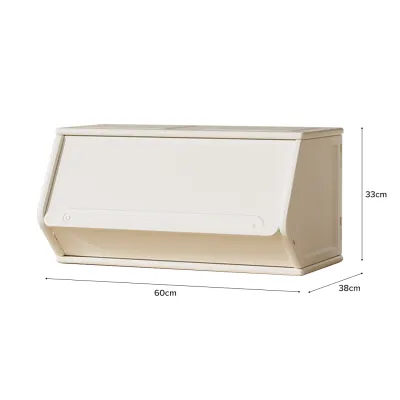
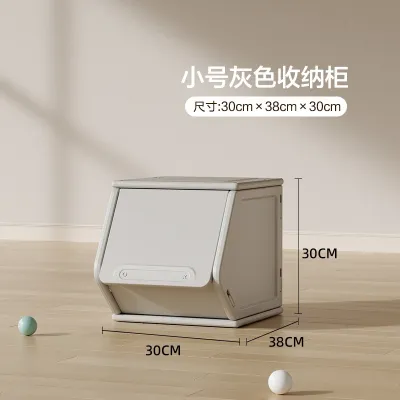
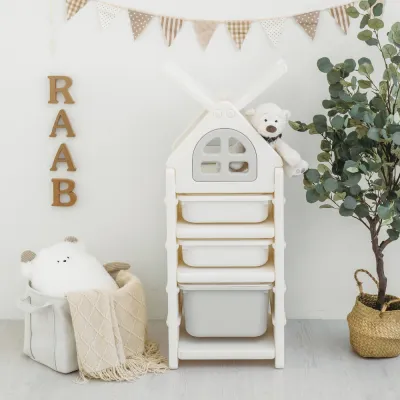
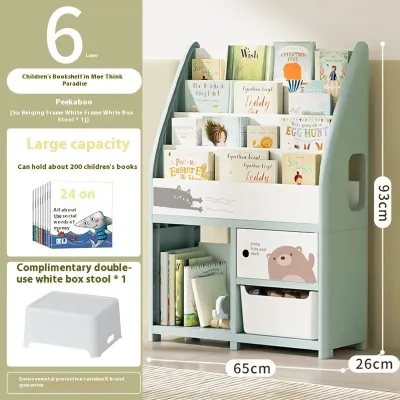
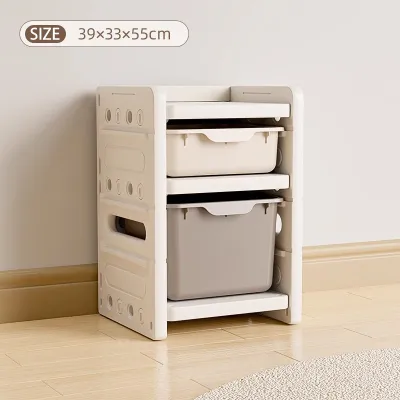
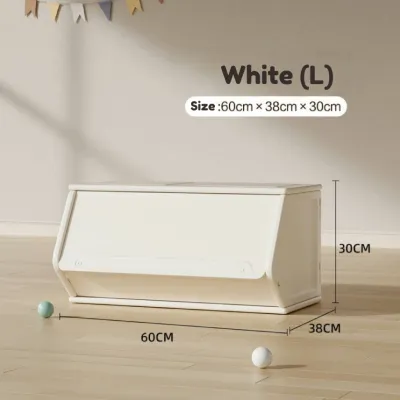
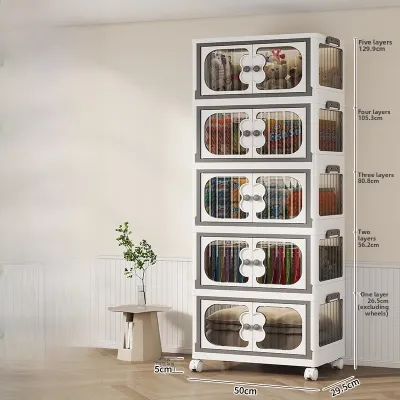
Prices are valid at publication and may change. Please refer to the product page for the latest price.
Stability is the most critical factor when selecting a nursery toy cabinet. Young children frequently use furniture to pull themselves up to a standing position, and toddlers may attempt to climb shelves to reach desired items. To mitigate tipping risks, always verify that the manufacturer includes dedicated anti-tip hardware with the cabinet. If the product documentation does not explicitly mention wall-anchoring kits, you must plan to purchase compatible, heavy-duty safety straps separately before installation.
Child-friendly dimensions are equally important for fostering independence while maintaining safety. Look for low-profile cabinets with a maximum height that aligns with your child’s reach. For infants and young toddlers, storage units should ideally stand no higher than 60 to 80 centimeters. This height limit allows children to see and reach their toys without needing to stretch, climb, or pull on the structure, reducing the risk of accidental falls or tip-overs.
Material safety and ease of maintenance should guide your choice of finishes and construction. Children often touch, lean on, and occasionally mouth nursery furniture, making non-toxic materials non-negotiable. Check manufacturer labels to ensure the cabinet uses lead-free, water-based finishes and low-emission engineered wood or solid wood. Additionally, select surfaces that are smooth and easy to wipe down, as nursery storage is regularly subjected to spills, sticky fingers, and dust.
Top Toy Cabinet Styles for Nursery Organization
Different cabinet configurations offer distinct advantages depending on your storage goals, the age of your child, and the size of your nursery. Understanding the practical benefits and limitations of each style allows you to select a unit that fits seamlessly into your daily routine and adapts to your child’s changing play habits.

Open Cubby Storage Cabinets
Open cubby storage cabinets feature a grid of open compartments that keep toys fully visible and easily accessible. This style is highly effective for older toddlers who are beginning to develop sorting skills, as they can quickly identify where each toy belongs without having to open doors or drawers. The visual nature of cubbies also makes it easier for children to choose what they want to play with, reducing the likelihood of them dumping out entire bins to find a single item.
However, open cubbies require frequent tidying to prevent the nursery from looking chaotic, as all stored items remain on display. When selecting an open cubby unit, check the shelf depth to ensure it can accommodate standard-sized toys without them overhanging. It is also wise to look for designs with a slight front lip or angled shelves, which help prevent round toys, balls, and rolling vehicles from falling off onto the floor.
Low-Profile Drawer Cabinets
Low-profile drawer cabinets utilize wide, shallow drawers positioned close to the ground to conceal clutter and secure smaller items. This style is ideal for storing loose parts, craft supplies, or small building blocks that can easily look messy on open shelves. By keeping these items tucked away, you can maintain a clean, minimalist aesthetic in the nursery while keeping potentially hazardous small parts out of sight of younger infants.
When choosing a drawer-based system, safety mechanisms are paramount to prevent physical injuries. Verify that the drawers are equipped with built-in drawer stoppers to prevent them from being pulled completely out of the frame onto a child. Additionally, look for smooth-glide metal tracks and soft-close dampers that prevent drawers from slamming quickly, which helps protect small fingers from getting pinched during independent use.
Combination Bookshelf and Toy Bins
Combination units feature a hybrid design, typically offering book display shelves on the upper portion and open toy bins or cubbies on the bottom. This configuration is excellent for maximizing vertical space in smaller nurseries, allowing you to store a complete reading library and a variety of toys within a single, compact footprint. It also helps establish a clear visual distinction between quiet reading time and active play.
Because these units utilize vertical height, you must take extra precautions to ensure they do not become top-heavy. Always place heavier wooden toys and large items in the bottom bins, reserving the upper shelves for lightweight picture books. Ensure the upper shelves are either completely out of the child’s reach or that the entire unit is securely anchored to the wall to prevent any movement when a child reaches for a book.
Modular Shelving with Fabric Bins
Modular shelving systems consist of a lightweight outer frame designed to hold removable fabric or canvas bins. This style offers exceptional flexibility, allowing you to easily pull out entire bins of toys for playtime and slide them back in when cleaning up. Fabric bins are also incredibly lightweight and soft, making them a very safe option for young babies who are still developing their coordination.
While modular systems are highly convenient for implementing a toy rotation system, they do require careful quality checks. Inspect the stability of the outer frame, as lightweight modular units can tip more easily than solid wood furniture if they are not properly weighted or anchored. Additionally, verify the durability of the bin handles and stitching, as they will experience repeated pulling and dragging across the shelves over time.
Essential Safety and Installation Checks
Once you have selected the right style of toy cabinet, proper installation and regular maintenance are vital to ensuring the nursery remains a safe environment. Even the most stable-looking furniture can become a hazard if it is not installed correctly or if its weight limits are ignored.
Mandatory wall anchoring is the single most important step in setting up any nursery cabinet. Regardless of the cabinet’s base weight, height, or low-profile design, you must secure it directly to the wall studs using manufacturer-provided or approved anti-tip kits. In homes with concrete or brick walls, ensure you use the correct wall plugs and masonry screws rather than standard drywall anchors to guarantee a secure hold that can withstand significant pulling force.
Before placing any toys inside the cabinet, conduct a thorough physical inspection of the entire unit. Run your hands along all edges, corners, and joints to check for sharp points, rough wood splinters, or exposed hardware. Inspect all hinges, drawer glides, and magnetic catches to ensure they operate smoothly without creating pinch points, and verify that any decorative knobs or small parts are tightly secured so they cannot become choking hazards.
Finally, always adhere to the manufacturer’s specified weight limits for each individual shelf, drawer, or bin. Overloading a cabinet can cause shelves to sag, drawers to malfunction, or the entire frame to warp over time. To maintain a safe center of gravity, always store your heaviest items—such as wooden blocks, heavy board books, and activity centers—on the lowest shelves, keeping the upper compartments reserved for lighter toys and plush items.
Strategies for Efficient Nursery Organization
An organized nursery not only looks pleasant but also supports your child’s cognitive development by creating a predictable, structured environment. Implementing simple, consistent storage strategies can help you maintain order and teach your child valuable cleanup habits from an early age.
Implementing a toy rotation system is a highly effective way to prevent visual overwhelm and keep your child engaged with their playthings. Instead of keeping every toy out at once, display only a curated selection of five to ten items on the cabinet shelves, storing the rest in a closet or secondary storage area. Every few weeks, swap the active toys with the stored ones to renew your child’s interest and encourage deeper, more focused play sessions.
Using visual labels or picture tags on bins and cubbies is an excellent method for encouraging early sorting habits, even before your child learns to read. Attach a simple drawing, photograph, or icon representing the contents of each bin—such as a picture of a car for the vehicle bin or a book for the reading shelf. This visual cue helps toddlers understand exactly where each item belongs, making the cleanup routine a collaborative and educational activity.
When organizing the cabinet, group items by play type or physical size rather than trying to enforce strict, complex categories. For example, keep all building materials in one large bin, soft toys in another, and musical instruments on a single open shelf. This intuitive grouping matches the way children naturally play and ensures that setting up and putting away toys remains straightforward and stress-free for both you and your child.
Frequently Asked Questions (FAQ)
At what age can a child safely access a toy cabinet independently?
Children can typically begin accessing low-profile, open storage units independently around 12 to 18 months of age, as they develop the motor skills to stand steadily and reach for items. However, independent access must always be paired with close caregiver supervision and a thoroughly child-proofed environment. Ensure that any cabinet accessible to a young child is securely anchored to the wall, and keep all heavy, fragile, or potentially hazardous items stored in higher, locked compartments completely out of their reach.
Are doors or open shelves better for a nursery toy cabinet?
Both options offer distinct practical trade-offs depending on your nursery’s needs. Open shelves are generally superior for promoting independence and simplifying cleanup, as children can easily see and return their toys without navigating physical barriers. Doors are excellent for reducing visual clutter and keeping dust off stored items, but they introduce the risk of pinched fingers and trapped hands. If you choose a cabinet with doors, ensure they are equipped with soft-close hinges or tension dampers to prevent them from slamming shut.
Community discussion
Share your experience or ask a question. Comments are reviewed before publication.