
Parents in Singapore who love taking their little ones to outdoor spaces like the Singapore Botanic Gardens, East Coast Park, or local HDB community areas face a common dilemma. They need a playmat that offers enough cushioning to protect a developing baby from hard, unforgiving surfaces, yet is light and compact enough to transport easily. Standard outdoor picnic mats or thin travel blankets often fall short, as they provide virtually no shock absorption for infants who are learning to sit, crawl, or stand.
To achieve adequate impact protection on hard outdoor surfaces, a playmat thickness of 1.5cm to 2cm is generally considered the ideal range. This thickness provides a reliable buffer for a baby’s joints and head during accidental tumbles. However, thicker mats require more foam material, which naturally increases the overall weight and bulk of the gear. This creates a direct trade-off: higher density and thickness provide superior safety but make the folding mechanism, carrying accessories, and overall weight critical factors for portability.
When choosing a portable thick playmat, you must balance your primary transport method with your child’s current developmental stage. Families who travel mostly by car can accommodate larger, heavier mats in the boot, whereas those navigating public transport or using strollers need a highly compact, multi-folding design. Younger infants practicing tummy time or sitting up require maximum cushioning, while older, active toddlers may prioritize a lighter, more rugged mat that is easy to pack up quickly.
Products mentioned in this guide
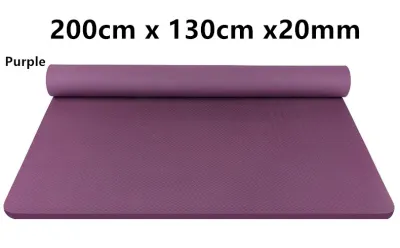

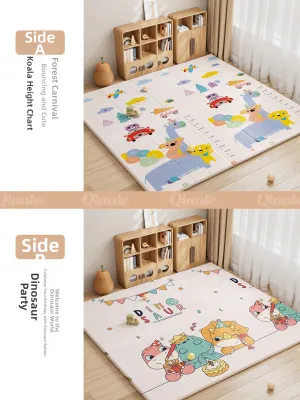
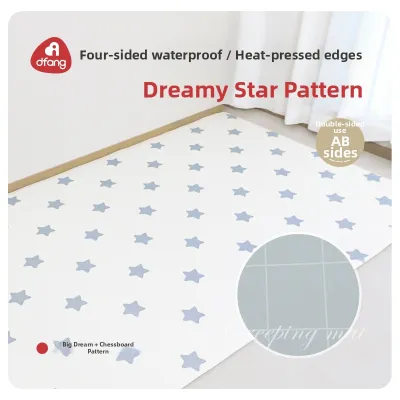
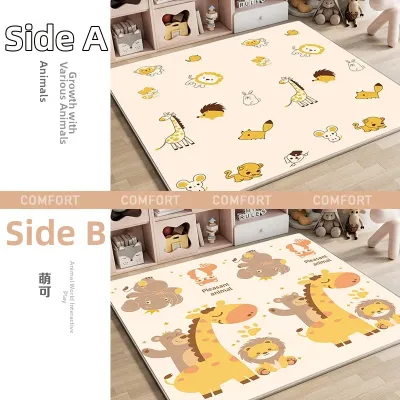
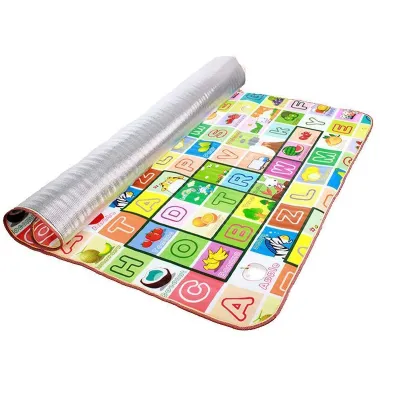
Prices are valid at publication and may change. Please refer to the product page for the latest price.
Must-Have Features for Singapore's Parks and HDB Spaces
Using a thick playmat outdoors in Singapore requires careful consideration of the local environment. The combination of intense tropical heat, high relative humidity, sudden rain showers, and varied ground surfaces means that a standard indoor playmat is not suitable for outdoor excursions. To ensure safety, hygiene, and durability, several key material and design features must be evaluated.
Weather and Moisture Resistance
Singapore’s high humidity and frequent tropical downpours demand a playmat with outstanding weather and moisture resistance. The outer cover must be fully waterproof, utilizing high-quality materials such as Thermoplastic Polyurethane (TPU) or high-grade Polyethylene (PE). These materials prevent dampness from wet grass, morning dew, or spilled drinks from seeping into the inner foam core, which would otherwise ruin the mat.
Beyond the outer material, the construction of the seams and closures is critical. Look for mats with heat-sealed seams and hidden or water-resistant zippers rather than standard stitched seams. Exposed stitching and traditional zippers can allow humid air and moisture to penetrate the interior, trapping dampness inside the foam and rapidly leading to the growth of mold, mildew, and foul odors.
Additionally, a quick-dry surface texture is highly beneficial for outdoor use. When a sudden rain shower occurs, or when cleaning up spills, you should be able to wipe the surface completely dry with a simple microfiber cloth. This allows you to pack the mat away quickly without worrying about trapping moisture inside the folded panels.
Surface Grip and Terrain Adaptability
Outdoor play areas in Singapore range from sandy beaches at Sentosa to grassy fields in regional parks and polished tiles in HDB void decks. A portable playmat must be adaptable enough to remain stable and secure across all of these different terrains. Without proper stability, a shifting mat can cause a baby to lose their balance and fall.
To prevent the mat from sliding on smooth, polished tiles or concrete surfaces, look for designs that feature a non-slip base or a highly textured underside. Specialized anti-slip silicone dot patterns or deep cross-hatch textures help grip the ground, ensuring the mat stays firmly in place even when an active toddler is crawling or jumping on it.
While thicker, high-density mats naturally anchor themselves better on uneven grass or sandy ground compared to lightweight, ultra-thin travel sheets, they still require anti-slip properties to perform well on hard surfaces. The extra weight of a thick mat helps prevent the wind from lifting the edges, but a textured underside remains essential for complete safety on hard ground.
Before placing any playmat on the ground, always perform a thorough visual sweep of the area. Remove any sharp twigs, small stones, dry leaves, or hidden debris that could puncture the outer cover. Even the most durable waterproof coatings can be compromised by sharp objects, which can lead to moisture penetration and damage to the inner foam.
UV and Heat Management
The intense equatorial sun in Singapore can rapidly degrade synthetic materials if they are not properly protected. Prolonged exposure to ultraviolet (UV) radiation can cause cheap plastics and foams to become brittle, crack, fade, or even release unpleasant chemical odors.
When selecting a thick playmat for outdoor use, check the manufacturer’s specifications for UV-resistant outer coatings. These protective layers help maintain the structural integrity of the TPU or PE cover, ensuring the mat remains soft, flexible, and safe for your baby over years of outdoor use.
Color selection also plays a significant role in heat management. Dark colors, such as black, deep navy, or dark grey, absorb and retain solar heat quickly, making the surface uncomfortably hot for a baby’s sensitive skin. Opt instead for light, reflective colors, pastel shades, or cream-colored patterns that stay cooler under direct sunlight.
It is important to remember that no playmat, regardless of its material or heat-resistant properties, replaces the need for proper shade. Always position the mat under a natural tree canopy, a park pavilion, or a portable sunshade. Regularly check the surface temperature of the mat with your hand to ensure it remains cool and comfortable for your child.
What to Expect from Leading Portable Playmat Brands
The market for portable thick playmats is diverse, featuring a range of brands that cater to different family lifestyles, budgets, and transport preferences. Understanding how to evaluate these brands helps you make an informed decision without relying on unverified claims of “the best” or “most popular” options.

Generally, the market can be divided into premium brands and practical, travel-focused brands. Premium brands typically invest heavily in advanced folding technology, high-density cross-linked polyethylene (XPE) or polyurethane (PU) foam, and rigorous safety testing. These mats offer superior shock absorption and durability but tend to be heavier and more expensive. Practical travel-focused brands prioritize lightweight materials, highly compressible designs, and compact folded dimensions, making them easier to carry on public transport, though they may offer slightly less cushioning.
When evaluating any brand, it is essential to verify the material safety certifications listed on the product label or official brand website. Look for recognized international standards such as SGS, CE, or South Korea’s KC (Korea Certification) marks. These certifications confirm that the playmat has undergone testing to ensure it is free from harmful levels of heavy metals, formamide, formaldehyde, and phthalates, which is crucial since babies have direct skin contact with the surface.
Brand innovations often focus on making thick mats more user-friendly for outdoor excursions. For example, some premium brands feature seamless folding hinges. Traditional folding mats have deep crevices between panels that easily trap sand, dirt, and food crumbs, making them difficult to clean. Seamless hinges eliminate these gaps, providing a flat surface that is easy to wipe down while still allowing the mat to fold compactly.
Other valuable innovations include reinforced carrying handles and custom-designed travel bags. Because a thick, high-density mat can weigh several kilograms, standard plastic handles can tear easily. High-quality brands provide heavy-duty, double-stitched handles or dedicated canvas carrying bags with wide shoulder straps to distribute the weight comfortably.
When researching different brands, look for real-world user feedback regarding the long-term durability of the folding creases and zippers. Over months of repeated unfolding and packing, cheap outer coatings can begin to crack along the crease lines, which compromises the waterproof barrier. High-quality brands design their creases to withstand thousands of folds without degrading, ensuring the mat remains hygienic and functional for multiple children.
Foldable vs. Rollable: Which Format Fits Your Travel Style?
The physical format of a playmat is one of the most important factors determining its portability and ease of use. The two primary designs available—foldable and rollable—each offer distinct advantages and trade-offs that affect how you transport, set up, and maintain your outdoor gear.
Foldable Playmats (Z-Fold or Multi-Fold)
Foldable playmats, often referred to as Z-fold or multi-fold mats, are the industry standard for thick portable cushioning. Because these mats are typically 1.5cm to 2cm thick, rolling them would create an incredibly bulky, wide cylinder. Instead, foldable designs use pre-set creases that allow the panels to stack flat on top of one another, compressing the mat into a neat, rectangular block.
This flat, rectangular shape is highly convenient for transport and storage in Singapore’s urban environment. A folded mat slides easily into most car boots, fits flat under large stroller baskets, or stands upright in tight HDB storage cupboards. The structured panels also allow for a very quick setup; you simply unfold the sections like an accordion, and the mat lies flat instantly without curling at the edges.
However, foldable mats require diligent maintenance. The crease lines where the panels fold together form natural channels that can trap outdoor dirt, sand, grass, and moisture. When cleaning the mat after an outing, you must pay close attention to these joints, wiping them thoroughly to prevent dirt buildup and potential mold growth.
Rollable Playmats
Rollable playmats offer a completely seamless play surface with no creases, joints, or folding lines. This continuous surface is highly hygienic and exceptionally easy to clean. If you are using the mat in sandy environments like Sentosa or muddy park areas, you can wipe the entire surface clean in seconds without worrying about debris getting trapped in crevices.
The main limitation of rollable mats is their bulkiness when made with thick foam. To remain portable when rolled, these mats are typically thinner, often measuring under 1cm. If a manufacturer attempts to make a 1.5cm or 2cm high-density foam mat in a rollable format, the resulting roll becomes extremely wide and heavy, making it highly impractical to carry on public transport or pack into a standard car boot.
Rollable formats are best suited for families who prioritize a seamless, easy-to-clean surface and are comfortable carrying the mat over the shoulder using dedicated straps or a carrying bag. They are ideal for quick trips where maximum impact cushioning is not the primary requirement, but a clean, continuous barrier from the ground is desired.
Setup and Care: Keeping Your Outdoor Playmat Clean and Safe
To ensure your thick playmat remains safe, hygienic, and durable for years of outdoor adventures, establish a consistent routine for setup, cleaning, and storage. Proper maintenance protects the foam core and preserves the waterproof and UV-resistant outer coatings.
Pre-Setup Inspection Before unfolding or unrolling your playmat, take a few moments to inspect the ground carefully. Clear away any sharp twigs, stones, dry leaves, or hidden debris that could puncture the outer cover. Check the area for active ant nests, damp mud patches, or animal waste. If you are setting up on rough or highly abrasive surfaces, consider laying down a cheap, lightweight ground tarp first; this acts as a protective barrier, shielding your expensive thick playmat from friction, dirt, and direct moisture.
Post-Outing Cleaning Once you return home from your outing, clean the playmat as soon as possible. Wipe down both sides of the mat using a soft cloth or sponge and a mild, baby-safe soap solution. Avoid using harsh household detergents, bleach, alcohol-based sanitizers, or abrasive scrubbing brushes. These harsh chemicals and tools can strip away the protective UV coatings and degrade the waterproof TPU or PE surface, making the material brittle and prone to cracking over time.
Drying and Storage The most critical step in maintaining a thick playmat is ensuring it is completely dry before storage. After wiping it down, allow the mat to air-dry thoroughly in a shaded, well-ventilated indoor area. Never store a damp mat in its carrying bag or a closed cupboard. Trapping moisture within the folds of a thick foam mat will rapidly lead to internal mold and mildew growth, creating persistent musty odors and ruining the inner cushioning. Always verify that all creases, seams, and zipper areas are bone-dry before folding the mat for long-term storage.
Frequently Asked Questions (FAQ)
Can I use an indoor thick playmat outdoors?
Standard indoor playmats are generally not suitable for outdoor use. Many indoor mats feature fabric covers, soft cotton blends, or open-cell foam structures that are highly absorbent. When placed on damp grass or exposed to Singapore’s high humidity, these materials will quickly absorb moisture, dirt, and outdoor allergens, leading to rapid mold growth and deep stains that are difficult to remove. For outdoor excursions, always use mats specifically designed with fully waterproof, wipeable outer covers (such as TPU or high-grade PE) and sealed edges to maintain hygiene and protect the mat’s structural integrity.
What is the minimum thickness needed to protect babies on hard outdoor tiles?
When using a playmat on hard, unyielding surfaces like HDB void deck tiles, concrete pavilions, or paved park paths, a minimum thickness of 1.5cm to 2cm is highly recommended. This thickness provides the necessary shock absorption to protect an infant’s joints, knees, and head during key developmental stages, such as learning to sit, crawl, or stand. However, thickness alone is not the only factor; parents should also check the manufacturer’s specifications for material density and impact absorption to ensure the foam is supportive enough to prevent bottoming out on hard ground.
How do I carry a thick playmat on public transport in Singapore?
Navigating Singapore’s MRT stations and buses with bulky baby gear requires a highly portable and compact setup. If you rely on public transport, choose a multi-fold playmat that compresses into a neat, square package rather than a wide, rollable design. This compact shape is much easier to guide through MRT gantries, hold on crowded buses, or place under a stroller. Additionally, invest in a high-quality travel bag equipped with wide, padded shoulder straps; this keeps your hands free to safely manage your child, push your stroller, and tap your travel card during your journey.
Community discussion
Share your experience or ask a question. Comments are reviewed before publication.