
When your little one transitions from crawling to pulling themselves up, your home suddenly transforms from a cozy sanctuary into a landscape of sharp corners and hard edges. In Singapore, where space-saving furniture and open-plan layouts are common in HDB flats and condominiums, table edges are often at the exact height of a toddler’s forehead or eyes. Baby-proofing these high-traffic areas is one of the most immediate steps you can take to create a safer environment for your child to explore.
Finding the right table bumper guard requires balancing impact protection, material safety, and adhesive durability. The tropical climate in Singapore, characterized by high humidity and warm temperatures, presents a unique challenge for adhesive-backed safety products, which can peel or slip if not chosen carefully. By understanding the key differences in materials, shapes, and installation methods, you can secure your living space effectively without damaging your valuable furniture.
This guide walks you through the essential factors to consider when selecting edge and corner protectors, matching them to your specific furniture types, and installing them to withstand curious little hands.
Products mentioned in this guide
![[ Singapore Ready Stock] 2M Baby Safety Table Edge 2 Types Stripes Baby Bumper Table Corner Guards with 3M Tape](https://img.lazcdn.com/g/p/4d16cd9edb626520e34a2fe6b631d19e.png_400x400q80.png_.webp)
Prices are valid at publication and may change. Please refer to the product page for the latest price.
What to Look for in a Reliable Table Bumper Guard
Selecting a table bumper guard involves evaluating how well the product can absorb sudden impacts while remaining securely attached to your furniture. The primary materials available on the market are foam and silicone, each offering distinct physical properties. Foam guards, typically made from Nitrile Butadiene Rubber (NBR), are highly compressible and provide excellent shock absorption for high-impact zones. When evaluating foam, look for high-density options, as low-density foam can easily bottom out under pressure, offering minimal protection during a fall.
Silicone bumper guards offer a slimmer, more discreet profile that blends easily with modern home decor. While silicone is generally firmer than NBR foam, it is highly durable, resistant to tearing, and less tempting for teething babies to bite through. To assess the protective capability of any guard, check the manufacturer’s specifications for thickness. A thickness of at least 0.8 centimeters is generally recommended for high-impact areas, though slimmer profiles may suffice for low-profile coffee tables or glass shelves.
The adhesive backing is the critical link that keeps the bumper guard in place. Many products come with pre-applied double-sided tape, while others require you to apply the adhesive strip manually during installation. Look for reputable adhesive brands specified on the packaging, and verify whether the manufacturer claims residue-free removal. High-quality acrylic adhesives are often preferred for their strong initial bond and clean removal, whereas lower-grade adhesives may degrade quickly in humid conditions or leave a stubborn, gummy residue that can ruin wood finishes.
Safety certifications are paramount when choosing items that your baby will inevitably touch, lean on, or attempt to chew. Because infant safety standards vary globally, look for products that explicitly state compliance with recognized safety regulations, such as European Union (EN) standards or ASTM International guidelines. Ensure the packaging confirms the materials are non-toxic, BPA-free, phthalate-free, and flame-retardant. Additionally, pay close attention to the physical design of corner guards; small, poorly adhered corner pieces can easily become detached, posing a severe choking hazard to young children.
How to Match Bumper Guards to Your Furniture
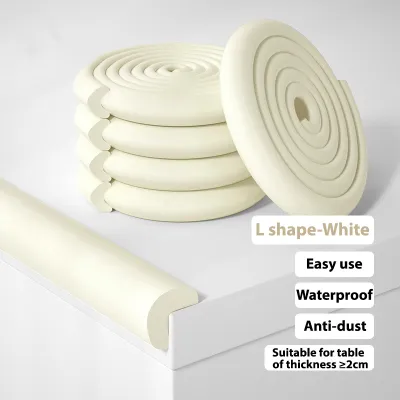
Not all furniture edges are created equal, and matching the right bumper shape to your specific table profile is essential for both safety and aesthetics. Bumper guards generally come in three primary profiles: L-shaped, U-shaped, and individual corner balls. L-shaped guards are the most versatile, designed to wrap over a standard 90-degree edge, protecting both the top surface and the sharp vertical corner. These work exceptionally well on dining tables, TV consoles, and wooden desks with flat, square edges.

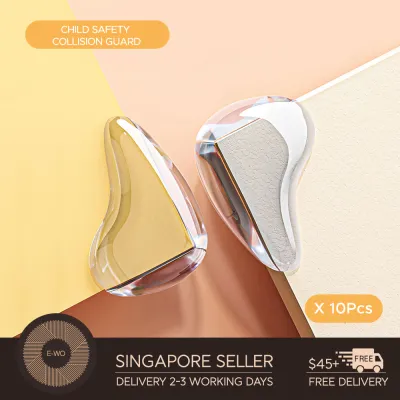
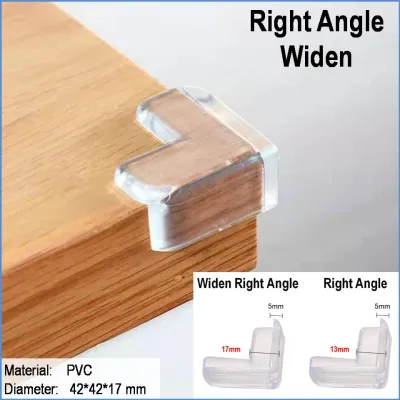
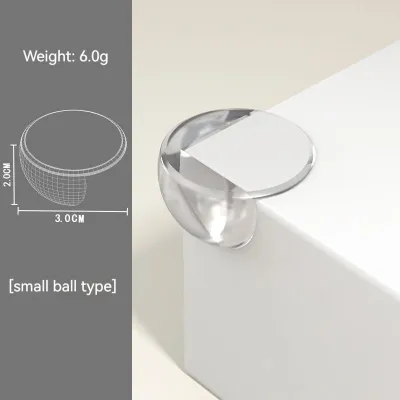
U-shaped guards are specifically designed for thin surfaces, wrapping around the top, edge, and bottom of the table. This profile is ideal for glass-topped tables, metal frames, or thin shelving units where an L-shaped guard would leave the underside exposed or fail to adhere properly. For isolated sharp points rather than long edges, individual corner ball designs—often made of clear silicone—provide targeted protection. These spherical or semi-spherical guards fit snugly over the corners of coffee tables and side tables, minimizing the visual impact on your furniture while cushioning the sharpest points.
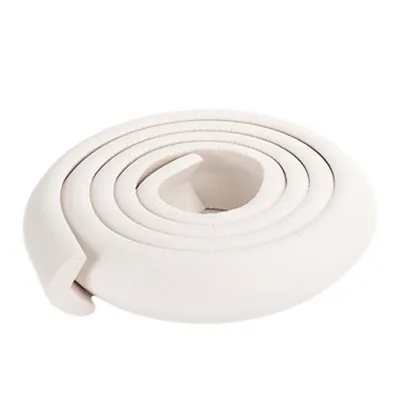
Different furniture materials require distinct approaches to baby-proofing. Glass tables, for instance, benefit greatly from clear silicone guards that maintain visibility while providing a secure grip on the smooth, non-porous surface. Wooden furniture, particularly pieces with rounded edges or intricate carvings, can be more challenging. Standard L-shaped guards may not sit flush on rounded wooden edges, leading to air gaps that weaken the adhesive bond. In these cases, flexible, roll-form foam guards that can be trimmed and molded to irregular shapes are often the most practical solution.
Before purchasing, take precise measurements of all the furniture edges you plan to cover. Use a flexible measuring tape to record the length of each straight edge and count the number of individual corners. It is highly recommended to add a 10% buffer to your total length calculation to account for cutting errors and overlapping joints at the corners. Purchasing multi-packs or bulk rolls of edge guards is often more cost-effective and ensures you have consistent materials to secure an entire room or play area at once.
How to Install and Remove Bumper Guards Safely
Proper installation is the key to ensuring your table bumper guards remain securely in place despite the constant pulling, leaning, and bumping from an active toddler. The first and most crucial step is surface preparation. Dust, oils, and household polish will severely compromise the adhesive bond, causing the guard to peel off within days. Clean the furniture surface thoroughly using a mild dish soap solution or rubbing alcohol, ensuring the area is completely dry before proceeding. Avoid using heavy chemical cleaners or furniture wax, as these leave a slick residue that prevents proper adhesion.
When applying the bumper guard, measure and cut the material to the exact length required using sharp utility shears. If you are using a roll of foam, cut the ends at a 45-degree angle for corner joints to create a neat, seamless fit that leaves no exposed sharp edges. Peel a small section of the adhesive backing at a time, aligning the guard carefully with the edge of the table. Press down firmly along the entire length of the guard, applying consistent pressure for at least 30 seconds to activate the pressure-sensitive adhesive. To ensure a maximum bond, allow the adhesive to cure undisturbed for 24 hours before allowing your child near the area.
Removing bumper guards when they are no longer needed requires patience to avoid damaging your furniture’s finish, particularly on veneered or varnished wood. To safely loosen the adhesive, use a hair dryer on a low-medium heat setting to gently warm the guard and soften the glue. Slowly peel the guard back at a shallow angle, applying heat continuously just ahead of the peeling point. Never rip the guard off quickly, as this can tear away wood fibers, paint, or lacquer.
If any sticky residue remains on the surface after removal, avoid using abrasive scrubbing pads that can scratch the furniture. Instead, apply a small amount of vegetable oil, baby oil, or a dedicated adhesive remover to a soft microfiber cloth and gently rub the residue in a circular motion. Once the adhesive has softened and lifted, clean the area with a damp cloth and mild soap to restore the furniture’s original appearance.
Building Your Shortlist: What to Check Before Buying
When browsing e-commerce platforms or visiting physical baby specialty stores in Singapore, having a structured checklist will help you filter out low-quality products and find reliable options. Start by verifying the authenticity of the seller and the brand. Look for listings with high ratings and read recent user reviews carefully. Pay close attention to feedback mentioning premature adhesive failure, material tearing, or a strong chemical odor upon opening, as these are common indicators of substandard manufacturing.
Inspect the product images and descriptions for potential safety hazards. Ensure that individual corner guards do not feature small, easily detachable parts that a baby could pull off and swallow. If you are purchasing online, check if the seller provides clear dimensions, material compositions, and installation instructions. It is also wise to verify if the product meets local consumer safety guidelines for children’s products, which help ensure the materials are free from harmful heavy metals and chemical plasticizers.
Finally, compare the value of different options by calculating the S$ price per meter rather than simply looking at the upfront cost of the package. A cheap roll of bumper guard may seem attractive, but if it lacks sufficient thickness or requires you to purchase separate adhesive tape, the total cost can quickly add up. Multi-packs that include both long edge rolls and matching corner protectors often provide the best value and ensure a cohesive look across your home. Investing in a slightly higher-quality, certified non-toxic product will give you peace of mind and protect your child effectively throughout their early developmental years.
Frequently Asked Questions (FAQ)
How often should I replace table bumper guards?
You should inspect your table bumper guards weekly for visible signs of wear and tear. Replace them immediately if you notice any tearing, thinning, or bite marks, as damaged foam or silicone loses its ability to absorb impacts and can become a choking hazard if pieces are torn off. Additionally, the high humidity in Singapore can gradually weaken adhesives over time. If you observe the edges lifting, peeling, or sliding out of place, it is time to remove the guard, clean the surface, and apply fresh adhesive or install a new protector.
Are foam or silicone bumper guards safer for teething babies?
Teething babies often chew on accessible surfaces, making material safety and durability a primary concern. High-density silicone bumper guards are generally more tear-resistant than soft NBR foam, making it much harder for a child to bite off small, swallowable pieces. Always check the manufacturer’s age guidelines and ensure the product is certified non-toxic and free from harmful chemicals. If you suspect your child has bitten off and ingested any piece of a bumper guard, monitor them closely and consult a pediatric professional immediately for medical advice.
Can I use table bumper guards on outdoor or patio furniture?
Standard indoor table bumper guards are not designed to withstand outdoor environmental conditions. Exposure to direct sunlight, rain, and fluctuating temperatures will rapidly degrade standard adhesives and cause foam materials to crumble or discolor. If you need to baby-proof outdoor furniture, look for specialized guards that explicitly state UV resistance and waterproof properties on the product label. Alternatively, consider temporary safety measures, such as moving sharp-edged patio furniture out of your child’s play area or using heavy-duty, weather-resistant outdoor mounting tapes.

Community discussion
Share your experience or ask a question. Comments are reviewed before publication.