
In Singapore’s year-round tropical warmth, introducing your baby to the water is a cherished rite of passage. Whether you are splashing in a private condominium pool, visiting an ActiveSG public swimming complex, or enrolling your little one in a structured infant swim class, having the right gear is essential. Among the most critical items you will need is a reliable swim nappy. Standard diapers are entirely unsuitable for the water, leaving parents to navigate a wide array of disposable and reusable swim-specific alternatives. Finding the option that offers the best leak protection, comfort, and financial value requires understanding how these products function and how they fit your family’s swimming routine.
Quick Answer: How to Choose the Best Swim Nappy for Your Needs
Selecting the ideal swim nappy depends primarily on your swimming frequency, convenience preferences, and local pool regulations. There is no single brand that fits every family perfectly, but you can easily narrow down your choice using a practical, condition-based framework.
Choose disposable swim nappies if you swim only occasionally, are planning a beach holiday, or prioritize maximum convenience. Disposables are designed for single-use and feature tear-away sides that make cleanup quick and hygienic, especially when away from home. They require zero washing and can be discarded immediately after use.
Products mentioned in this guide
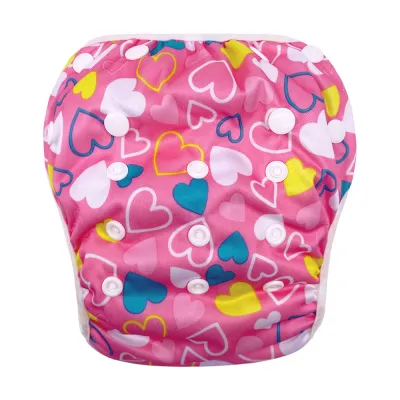
![[SG Seller] Disposable Baby Swimming Diapers Trunk / 5 Packets / Infant Swim Diaper Pants / Cloth Waterproof](https://img.lazcdn.com/g/p/f2015285678421d34766d9a4b41caaab.jpg_400x400q80.jpg_.webp)
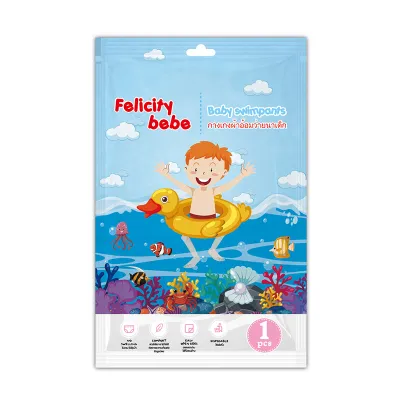
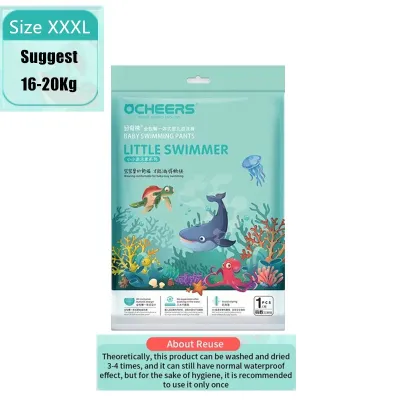
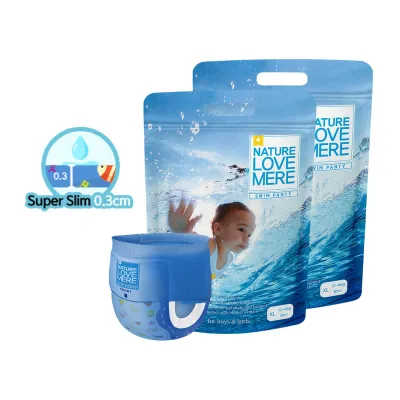
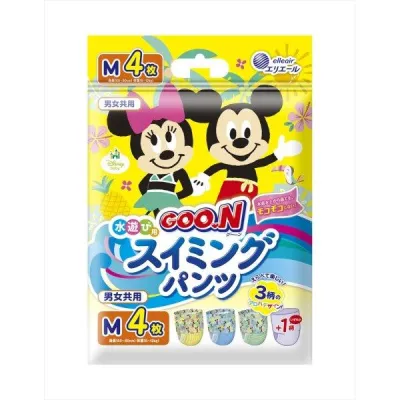
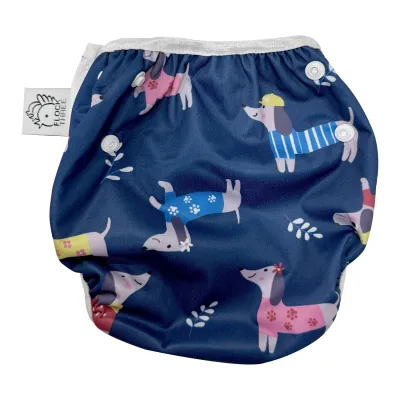
Prices are valid at publication and may change. Please refer to the product page for the latest price.
Choose reusable swim nappies if your baby swims regularly, such as in weekly parent-and-baby swim classes, or if you want to save money over several months. Reusables are also excellent for babies with sensitive skin, as they are typically made from soft, chemical-free cloth materials that reduce the risk of friction rashes. They feature adjustable snaps or hook-and-loop fasteners to accommodate your growing baby.
Verify first if your chosen swim school, public pool, or condominium in Singapore enforces a “double nappy system.” This hygiene policy typically requires babies to wear a base layer (either a disposable or a reusable swim nappy) underneath a snug-fitting, neoprene swim pant. Knowing this requirement beforehand ensures you buy compatible products and avoid being turned away from your swim session.
Understanding Swim Nappies: What They Can and Cannot Do
To avoid unexpected accidents and pool closures, it is vital to understand the engineering behind swim nappies. Unlike standard daily diapers, swim nappies are designed exclusively to contain solid waste. They do not absorb liquids. If a swim nappy were designed to absorb urine, it would also absorb the surrounding pool water instantly, rendering the diaper useless and creating a safety hazard. Consequently, urine will pass directly through the fabric or lining of any swim nappy and into the pool. For this reason, you should only dress your baby in a swim nappy right before they enter the water, rather than during the car or stroller ride to the pool.

Using a regular daily diaper in a swimming pool is a common mistake that poses significant risks. Regular diapers contain superabsorbent polymers that swell rapidly when exposed to water. Within minutes, a standard diaper will balloon to several times its original size, becoming incredibly heavy. This added weight sags heavily between the baby’s legs, restricting their movement and pulling them downward in the water. Furthermore, the waterlogged diaper is highly likely to burst, releasing slimy absorbent gel beads into the pool. This gel can clog expensive pool filtration systems and create an unsanitary environment for all swimmers.
Before planning your swim day, always verify the specific hygiene regulations of the facility you plan to visit. Public pools managed by ActiveSG, private condominium managements, and commercial swim schools across Singapore enforce strict rules regarding infant pool hygiene. Many facilities mandate that all non-potty-trained infants wear approved swim nappies. Some high-standard swim schools strictly require a double-layer system to minimize the risk of fecal contamination, which can cause costly pool closures and extensive disinfection procedures.
Key Features to Compare When Evaluating Swim Nappy Brands
When shopping for swim nappies in Singapore, whether browsing the aisles of local supermarkets or searching online marketplaces, you will encounter various brands claiming superior performance. To make an informed decision, you must evaluate these products across three primary performance dimensions: containment, comfort, and ease of use.
Solid Containment and Leak Protection
The primary purpose of any swim nappy is to prevent solid waste from escaping into the water. The effectiveness of this containment relies almost entirely on the design of the elasticated leg cuffs and the waistband. When comparing brands, look for products that feature deep, double-elasticated leg guards. These guards should fit snugly around your baby’s thighs without leaving red marks, creating a secure physical barrier.
To evaluate containment before purchasing, inspect the product packaging for terms like “snug fit,” “leak-guard technology,” or “double leg cuffs.” Because real-world performance can vary, it is highly beneficial to read user reviews on parenting forums or online marketplaces. Pay close attention to feedback regarding “code brown” incidents. Parents frequently share which brands have reliable elasticity and which ones tend to gap when the baby kicks or splashes, as physical movement is the ultimate test of a nappy’s seal.
Comfort, Material, and Water Mobility
A baby’s skin is exceptionally delicate, and the combination of water, movement, and friction can easily lead to painful chafing. The materials used in a swim nappy play a massive role in preventing this discomfort. High-quality disposable brands utilize soft, non-woven fabrics that feel gentle against the skin, whereas lower-grade options may use stiffer, plastic-like backings that rub harshly against the thighs and waist. For reusable options, look for soft interior linings, such as brushed polyester or mesh, which keep solids contained without irritating wet skin.
Water mobility is another critical factor. A well-designed swim nappy should remain lightweight and streamlined throughout the swim session. It should not retain excess water or sag heavily. When a nappy waterlogs, it restricts your baby’s natural kicking motions and can make water play exhausting and frustrating for them. Look for brands that explicitly claim a lightweight, non-absorbent core. This ensures the nappy only holds onto solids while letting water drain freely, allowing your baby to move naturally and develop their water confidence.
Ease of Use and Removal
The true test of a swim nappy often happens after the swim is over, particularly if your baby has soiled the nappy. For disposable swim nappies, having reliable tear-away sides is an absolute necessity. Trying to pull a wet, heavy, and potentially soiled nappy down over your baby’s legs is highly unhygienic and incredibly difficult, often resulting in a messy cleanup on the changing mat.
When evaluating disposable options, verify that the side seams are designed to rip open smoothly. Some budget-friendly brands use tough, poorly perforated side seams that are difficult to tear with wet hands, forcing you to struggle while managing a squirming baby. For reusable swim nappies, look for designs with side-opening snaps or adjustable hook-and-loop tabs. These fasteners allow you to open the nappy flat, making it simple to roll away any waste and clean your baby without spreading the mess.
Disposable vs. Reusable: Which Offers Better Value for Your Family?
Deciding between disposable and reusable swim nappies is a matter of balancing your budget, how often you visit the pool, and your lifestyle preferences. Both options have distinct advantages and trade-offs that determine their overall value for your family.
Disposable swim nappies are highly practical for occasional swimmers or families planning a holiday. In Singapore, a pack of disposable swim nappies typically costs between S$12 and S$22, depending on the brand and pack size, translating to roughly S$1.50 to S$2.50 per individual nappy. If your baby only swims during occasional staycations or holiday trips, disposables are highly cost-effective because you only buy what you need. They also offer unmatched convenience: once the swim is finished, you simply tear the sides, roll up the nappy, and discard it in the nearest bin. However, this convenience comes with an environmental cost, as single-use nappies contribute directly to landfill waste, which is a growing concern for eco-conscious parents.
Reusable swim nappies, on the other hand, represent a superior long-term financial investment for frequent swimmers. A single high-quality reusable swim nappy generally costs between S$20 and S$40. While the upfront cost is higher, a reusable nappy can be washed and worn dozens of times. If your baby attends a weekly infant swim class in Singapore, you will break even on your investment within just two to three months of regular use. Additionally, many reusable brands feature adjustable snap systems, allowing the nappy to expand as your baby grows, often lasting from infancy through toddlerhood. This adjustability eliminates the need to buy new packs of diapers every time your baby goes through a growth spurt.
The primary trade-off with reusables is the maintenance required. After a swim, you must rinse the nappy, store it in a wet bag, and wash it according to the manufacturer’s care instructions. Usually, this involves a cold machine wash and line drying. In Singapore’s sunny and humid climate, line drying is highly efficient, though you must avoid using high-temperature dryers, which can melt the waterproof polyurethane laminate (PUL) layer. Furthermore, some reusable brands require a separate washable or flushable liner to make solid cleanup easier, which is an additional factor to consider when calculating the total cost and effort involved.
A Practical Checklist for Buying and Using Swim Nappies
To ensure a stress-free and hygienic swimming experience with your baby, follow this step-by-step checklist before heading to the pool.
- Step 1: Confirm the Venue's Pool Rules
Before packing your swim bag, check the specific rules of the pool you are visiting. If you are swimming at an ActiveSG public pool, a private condominium, or a commercial swim school in Singapore, find out if they require a standard swim nappy or a strict double nappy system. If a double nappy is required, ensure you have a snug neoprene outer cover to wear over your base swim nappy. - Step 2: Determine Your Swimming Frequency
Assess how often your baby will realistically be in the water. If you plan to swim once a week or more, invest in two or three reusable swim nappies to rotate. If you only swim during holidays or occasional weekends, a single pack of disposable swim nappies will likely suffice and save you storage space. - Step 3: Verify Sizing by Weight, Not Age
When buying swim nappies, always refer to the weight guidelines printed on the product packaging rather than your baby's age or clothing size. Swim nappies must fit tightly around the thighs and waist to prevent leaks. If you choose a size that is too large "to allow room for growth," you risk gaps that will fail to contain solid waste. - Step 4: Inspect Key Design Features
For disposable purchases, check that the packaging specifies tear-away sides for easy removal. For reusable purchases, look for adjustable snaps or high-quality hook-and-loop fasteners that allow you to customize the fit around your baby's waist and legs as they grow. - Step 5: Practice Safe Post-Swim Care
As soon as your baby leaves the water, remove the swim nappy immediately. Leaving a wet swim nappy on your baby for extended periods can trap moisture, leading to skin irritation or diaper rash. Rinse your baby thoroughly with fresh water to remove chlorine or salt, pat their skin dry, and apply a gentle barrier cream if their skin is prone to redness or irritation.
Frequently Asked Questions (FAQ)
Do swim nappies hold pee?
No, swim nappies do not hold pee. They are designed with porous, non-swelling materials that allow water and urine to pass through freely. Their sole purpose is to capture and contain solid waste to maintain pool hygiene. Attempting to make a swim nappy absorb urine would cause it to absorb pool water, making it heavy and unsafe for your baby.
Can I use a regular diaper for swimming?
No, you should never use a regular diaper for swimming. Regular diapers are packed with superabsorbent gelling materials designed to lock in moisture. When submerged in a pool, they will immediately absorb water, swelling into a heavy, waterlogged mass that sags and restricts your baby’s movement. There is also a high risk that the diaper will burst, releasing messy absorbent gel beads that can damage pool filtration systems.
What size swim nappy should I buy?
You should buy a swim nappy based strictly on your baby’s current weight rather than their age or clothing size. Check the manufacturer’s weight chart on the packaging to find the correct size. A proper swim nappy must fit very snugly around your baby’s waist and thighs to create a secure seal; if it is too loose, solid waste can easily escape into the water.
Community discussion
Share your experience or ask a question. Comments are reviewed before publication.