
Plush toys bring immense comfort and joy to a child’s early years, but managing a rapidly growing collection in a nursery can quickly become overwhelming. Finding the right soft toy storage in Singapore requires balancing easy access for your little one with effective protection against the city-state’s persistent tropical humidity. The ideal solution keeps your child’s favorite companions clean, safe, and within reach while maximizing the footprint of your home.
Selecting nursery furniture is not just about aesthetics; it is about creating a functional, healthy environment where your child can play and grow. For parents navigating the unique spatial and environmental conditions of local homes, choosing storage involves evaluating materials, ventilation, and structural safety. By understanding the distinct benefits of different storage types, you can establish an organized system that simplifies daily cleanup and protects your investment in your child’s toys.
How to Choose the Right Soft Toy Storage for Your Nursery
Space Efficiency in Compact Homes
Floor space is at a premium in Singaporean apartments, particularly in modern HDB flats and condominiums where nursery rooms often serve multiple purposes. Bulky, single-use toy chests can quickly crowd a room, leaving little space for floor play or tummy time. To maximize your available square footage, prioritize storage solutions that utilize vertical space, such as wall-mounted units, corner organizers, or multi-functional furniture that doubles as seating.
Products mentioned in this guide
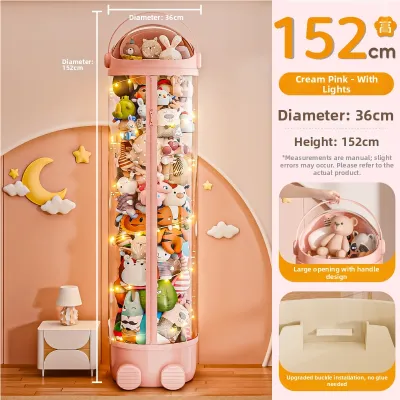
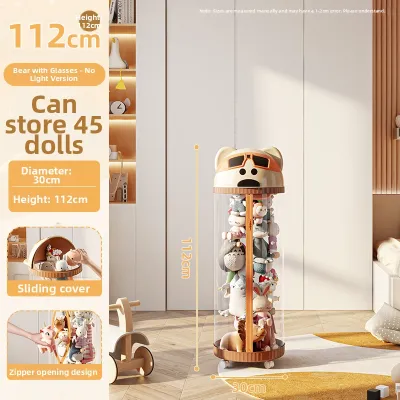
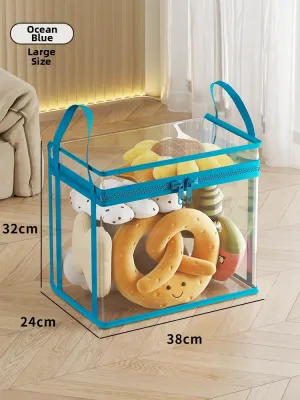
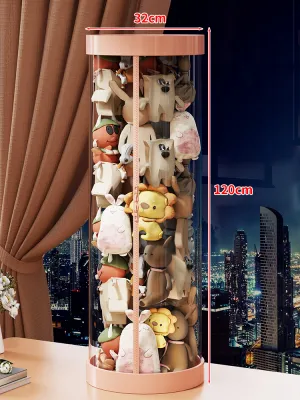
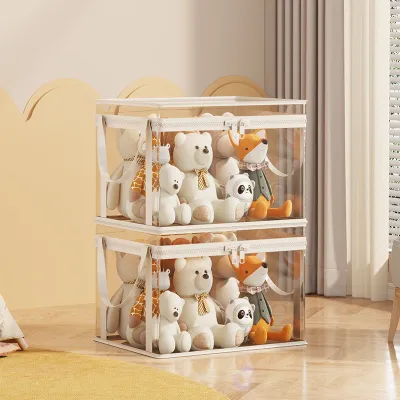
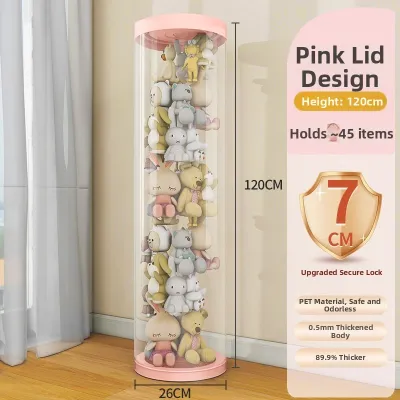
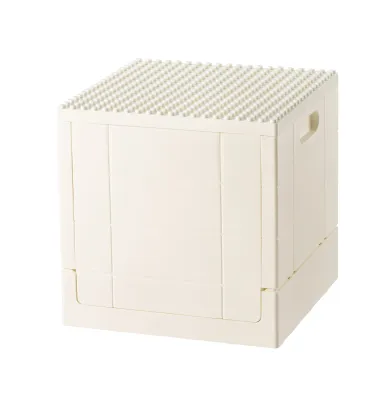
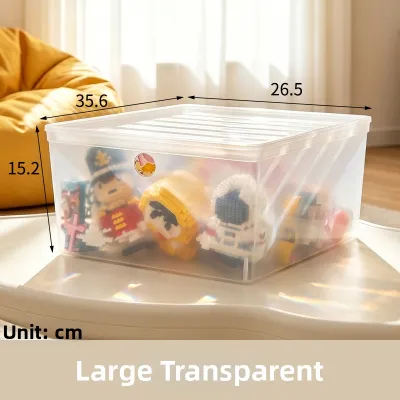
Prices are valid at publication and may change. Please refer to the product page for the latest price.
Using vertical space not only keeps the floor clear but also helps define different zones within the nursery. For instance, keeping the floor open for active play while dedicating wall corners to storage creates a more structured and calmer environment. When evaluating storage options, always measure your nursery’s layout and consider how the unit will fit alongside essential items like the crib, changing table, and nursing chair.
Accessibility vs. Containment
An effective nursery storage system must balance two competing needs: your child’s desire for independence and your need for a tidy, dust-free room. For toddlers and older infants, having their favorite plushies within arm’s reach encourages self-directed play and helps them learn to tidy up after themselves. Open, low-level bins or baskets are excellent for promoting this sense of autonomy.
Conversely, keeping every soft toy permanently exposed can lead to rapid dust accumulation and visual clutter, which may make the nursery feel chaotic. A hybrid approach is often the most practical solution. Keep a small, curated selection of daily favorites in accessible, low-level bins, while storing the rest of the collection in closed or elevated storage units that can be rotated periodically.
Breathability and Singapore's Humid Climate
Singapore’s tropical climate, characterized by high relative humidity levels that frequently exceed 80 percent, presents a unique challenge for storing fabric items. Soft toys are highly susceptible to absorbing moisture from the air, creating an ideal breeding ground for mold, mildew, and dust mites. Storing plushies in airtight, non-breathable plastic containers can trap ambient moisture inside, leading to musty odors and potential fabric damage.
To prevent these issues, prioritize storage options made from breathable materials that encourage continuous airflow. Natural fibers like cotton canvas, open-weave baskets, and mesh fabrics allow moisture to evaporate naturally rather than settling into the plush toys. If you must use enclosed storage for long-term preservation, ensure the environment is well-ventilated or utilize moisture-absorbing packets to protect the fabrics.
Safety Baselines for Nursery Environments
Safety is the most critical factor when introducing any new item into a nursery. Children are naturally curious and will often pull, climb, or lean on furniture as they learn to stand and walk. Any storage unit you select must be structurally stable, free of sharp edges, and finished with non-toxic, child-safe paints or sealants.
Before purchasing any storage unit, check the manufacturer’s safety ratings and assembly guidelines. Tall or top-heavy units must be securely anchored to the wall to prevent tipping hazards. Additionally, look for designs that feature rounded corners and smooth surfaces to minimize the risk of bumps and scrapes during active play.
Best Soft Toy Storage Types for Nurseries
Mesh and Canvas Storage Bins
Mesh and canvas storage bins are lightweight, highly versatile options that fit seamlessly into almost any nursery layout. These bins are typically designed to sit directly on the floor or slide into modular shelving units, making them incredibly accessible for young children who are learning to fetch and put away their own toys.

- Use Case: These bins are best suited for frequently used soft toys that your child plays with on a daily basis, allowing for quick retrieval and hassle-free cleanup.
- Pros: The open-top design and lightweight materials make them exceptionally easy for small hands to navigate. Mesh panels offer excellent airflow, which is crucial for preventing moisture buildup in humid environments, and many canvas options can be folded flat when not in use.
- Cons: Because they are open to the air, toys stored in these bins can accumulate dust over time if they are not played with regularly. Additionally, lightweight bins lack the structural rigidity needed to hold heavy items, meaning they may sag or tip over if overloaded.
- Buying Checkpoints: Always inspect the product details to verify that the carrying handles are double-stitched or reinforced to withstand pulling. Ensure the mesh fabric is tightly woven and durable, preventing tiny fingers or toy parts from getting snagged in the holes.
Corner Toy Hammocks
Corner toy hammocks are an excellent way to reclaim underutilized wall space in smaller nurseries. Suspended high above the floor, these net-style organizers stretch across the corner of a room, creating an attractive and highly visible display for a large number of plush toys.
- Use Case: This option is ideal for storing medium-to-large plushies that do not need to be accessed daily, keeping them off the floor and out of the way while still keeping them visible.
- Pros: Hammocks utilize empty corner space that would otherwise go unused, freeing up valuable floor space for other activities. They are highly affordable, easy to install, and allow children to see their entire collection at a glance.
- Cons: Installing a hammock requires drilling hooks into your nursery walls, which may not be ideal for rental properties. Because they are mounted high up, toddlers cannot reach the toys independently, and they have a strict weight limit that must not be exceeded.
- Buying Checkpoints: Check the manufacturer's specified maximum weight capacity before purchasing. Ensure the included mounting hardware and wall anchors are suitable for your specific wall type, whether you are mounting into concrete, brick, or drywall partition walls.
Wooden Storage Benches with Safety Hinges
Wooden storage benches offer a classic, structured look that adds both elegance and utility to a nursery. These dual-purpose furniture pieces provide deep, concealed storage space inside while serving as a sturdy bench where parents can sit during storytime or where children can sit as they grow older.
- Use Case: Excellent for storing a large volume of mixed toys, including oversized plushies, while keeping the nursery looking neat, organized, and free of visual clutter.
- Pros: These benches completely hide toys from view, instantly making the room look tidy. They are highly durable, stable, and serve as a long-term furniture investment that can transition into a toddler or teen bedroom.
- Cons: Wooden benches are heavy, difficult to move around the room, and represent a higher financial investment. Without proper safety hardware, the heavy wooden lid poses a serious finger-trapping hazard for young children.
- Buying Checkpoints: The lid of the bench must be equipped with slow-close safety hinges or gas struts that prevent it from slamming shut. Verify that the product includes anti-tip hardware to secure it to the wall, and check the product label to ensure it uses non-toxic, lead-free paints or water-based sealants.
Zippered Canvas or Clear Storage Bags
For long-term storage or toy rotation, zippered canvas or clear storage bags are highly practical. These bags are designed to be packed tightly and stored away in closets, under the crib, or on high shelves, protecting their contents from dust, pests, and ambient moisture.
- Use Case: Best for storing seasonal plushies, heirloom toys, or items that your child has temporarily outgrown but you wish to keep for the future.
- Pros: These bags provide excellent protection against dust and environmental wear. Clear plastic panels allow you to quickly identify what is inside without needing to unzip and unpack the entire bag.
- Cons: They do not support independent play, as children cannot open or access them without adult assistance. If left out in the open nursery, they can look untidy and disrupt the room's aesthetic.
- Buying Checkpoints: Look for bags made from thick, tear-resistant fabrics with heavy-duty, rust-resistant zippers. If you plan to store toys for several months at a time, look for canvas bags that offer a balance of dust protection and slight fabric breathability, or plan to place silica gel packets inside.
Safety and Maintenance Checklist for Toy Storage
To keep your nursery safe and hygienic, establish a regular inspection and maintenance routine. Singapore’s humid climate and the natural wear and tear of daily play mean that storage units require periodic attention to remain in top condition. Use the following checklist to guide your monthly maintenance routine.
Anchoring and Stability
Any storage unit that is taller than it is wide, or any piece of furniture that a child might attempt to climb, must be securely anchored to the wall. Toddlers often use shelves as ladders, which can cause unanchored furniture to tip forward with dangerous force.
- Action Step: Check that all tall shelves, bookcases, and heavy storage benches are secured using high-quality anti-tip kits. Always follow the manufacturer's exact installation instructions, ensuring you use the correct wall plugs and screws for your specific wall material.
Hardware and Edge Checks
Daily use can cause screws to loosen and materials to wear down. A quick monthly physical check of your nursery furniture can prevent minor issues from becoming safety hazards.
- Action Step: Run your hands along the edges of wooden and plastic storage units to check for splinters, sharp corners, or peeling paint. Tighten any loose screws, bolts, or hinges immediately, and inspect fabric bins for fraying seams or loose threads that could present a choking or wrapping hazard.
Hygiene and Climate Management
Dust and moisture can accumulate quickly in a nursery, affecting both the storage units and the soft toys inside. Regular cleaning helps maintain a healthy breathing environment for your child.
- Action Step: Wash fabric storage bins and canvas bags periodically according to their care labels. For wooden, plastic, or metal units, wipe down the surfaces with a damp cloth and a mild, child-safe sanitizer, allowing them to dry completely before replacing the toys. To manage humidity, ensure the nursery is well-ventilated, use a dehumidifier if the room feels damp, and place silica gel packets inside closed storage compartments, ensuring they are kept completely out of your child's reach.
Toy Rotation Strategy
Keeping too many toys in the nursery at once can overwhelm your child and make cleanup difficult. Implementing a toy rotation strategy keeps the play environment fresh and manageable.
- Action Step: Divide your child's soft toy collection into three or four groups. Keep one group in the accessible, low-level bins for active play, and store the remaining groups in zippered canvas bags in a closet. Every two to three weeks, swap the active toys with a stored set; this maintains your child's interest in their toys and significantly reduces the daily cleanup effort.
Frequently Asked Questions (FAQ)
How do I prevent mold on soft toys in a humid climate?
Preventing mold on soft toys in Singapore’s humid climate requires consistent air circulation and moisture control. Avoid storing daily-use plushies in airtight plastic containers, as these trap ambient humidity and create a microclimate where mold spores thrive. Instead, opt for open-weave baskets, mesh bins, or breathable canvas organizers that allow air to flow freely around the fabrics.
Before placing any soft toys into medium- or long-term storage, ensure they are completely clean and dry. If a toy has been washed or exposed to drool, dry it thoroughly using a dryer on a low heat setting or let it air-dry in direct sunlight for several hours. When packing toys away in closets or storage bags, place a few moisture-absorbing packets (such as silica gel or activated charcoal) inside the storage container, and inspect them every few months to replace them when they become saturated.
Are toy hammocks safe for toddlers?
Toy hammocks are a safe and highly effective storage solution, provided they are installed correctly and kept out of reach of young children. Because hammocks consist of netting and cords, they can pose a strangulation or entanglement hazard if suspended too low. To ensure safety, always mount the hammock high up on the wall, well out of reach of a standing toddler or a child standing in a crib.
Additionally, never install a toy hammock directly above a crib, changing table, or play area where a falling toy or a loose hook could land on your child. Strictly adhere to the manufacturer’s weight limits to prevent the netting from sagging too low or pulling the mounting hooks out of the wall. Regularly inspect the wall anchors and the tension of the hammock to ensure it remains securely attached to the wall structure.
Community discussion
Share your experience or ask a question. Comments are reviewed before publication.