
Finding the ideal soft toy storage for your nursery is a balancing act between safety, convenience, and space management. Plush toys are a staple of early childhood, providing comfort and sensory stimulation, but their bulky shapes can quickly overwhelm a room. The best storage solutions keep these beloved items organized and clean while ensuring they remain safe and accessible. In compact living environments, such as Singapore’s HDB flats or condominiums, choosing the right storage also means maximizing limited floor space without cluttering the room.
To create a functional nursery, parents often need a combination of different storage formats. From floor-level canvas baskets that encourage independence to vertical wall organizers and corner hammocks that utilize empty wall space, the right setup adapts to your child’s developmental stage. When selecting these products, it is vital to prioritize stable construction, non-toxic materials, and breathable designs. This guide breaks down the essential safety checks, evaluates the most popular storage formats, and helps you choose the best system to keep your nursery tidy and safe.
Essential Safety and Design Checks Before You Buy
Before purchasing any soft toy storage solution, establishing strict safety and practical standards is essential. A baby’s nursery is an active environment where curiosity often outpaces physical coordination. What seems like a simple, convenient organizer can present hidden hazards if it is not designed or installed correctly. By focusing on stability, physical design, breathability, and material safety, you can ensure your storage choices support a safe play space. Always check the specific product documentation for age recommendations, weight limits, and manufacturer warnings before installing or using any storage solution. Ensure caregiver supervision is maintained during play, and immediately discontinue use of any storage unit that shows signs of wear, loose parts, or structural instability.
Products mentioned in this guide
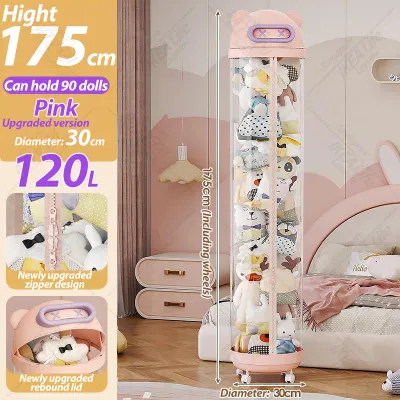
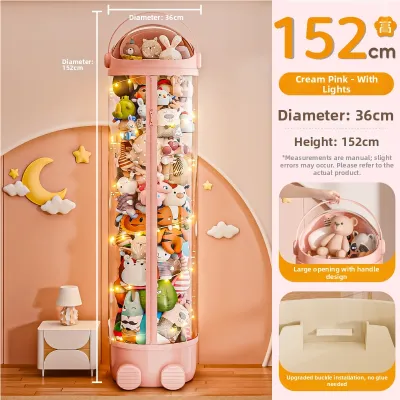
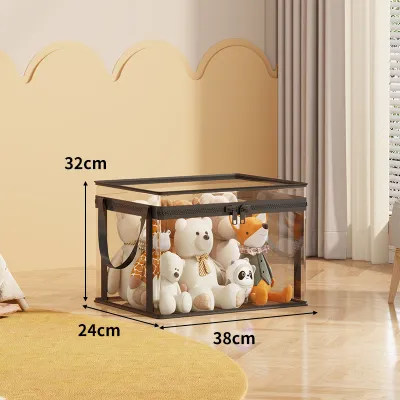
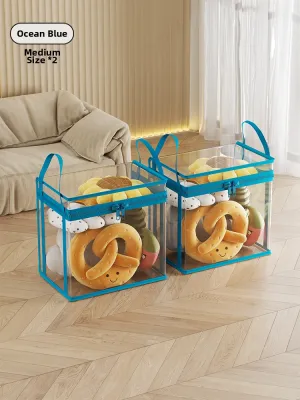
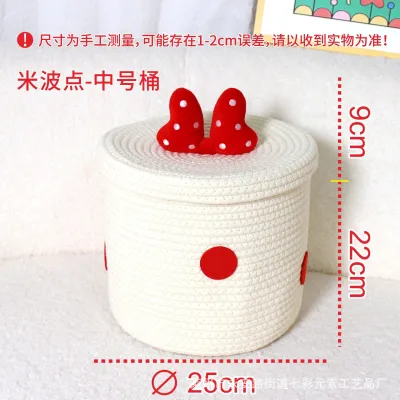
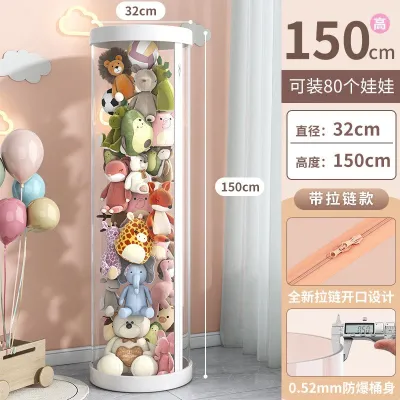
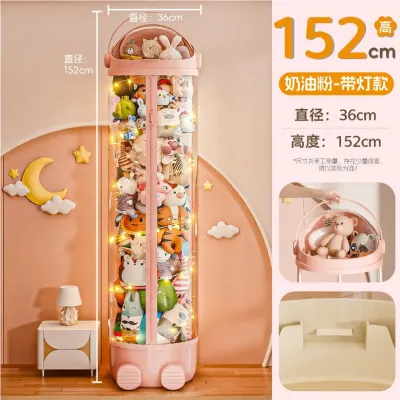
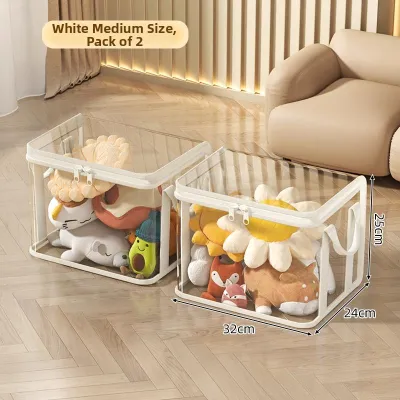
Prices are valid at publication and may change. Please refer to the product page for the latest price.
Anti-Tip and Stability Checks
Freestanding furniture and tall organizers pose severe tip-over risks. As infants transition into toddlers, they naturally use furniture to pull themselves up or climb shelves to reach a desired plush toy. If a storage unit’s center of gravity is too high or its base is too narrow, the entire structure can topple under a child’s weight.
Consequently, any freestanding shelving unit or tall bookcase must be permanently anchored to the wall. Look for products that include certified anti-tip kits, such as heavy-duty straps or L-brackets, and secure them directly into wall studs or solid masonry. If you use lightweight plastic drawer units, keep the heaviest items at the bottom to lower the center of gravity and place them where they cannot be easily pulled over.
Choking and Entanglement Hazards
Pay close attention to small details that could pose choking or entanglement risks. Many decorative baskets and fabric bins feature embellishments like loose buttons, plastic beads, metal eyelets, or long tassels. A curious baby can chew on or pull at these elements, detaching them and creating a choking hazard.
Additionally, avoid storage solutions with long drawstrings, cords, or hanging ropes. Cords longer than 18 cm can pose a serious strangulation risk. If you choose hanging wall pockets or door organizers, keep all mounting cords completely out of reach, and select open-top bins or zippered fabric boxes with secure, recessed zipper tabs instead of drawstring bags.
Breathability and Entrapment Prevention
Children love to play hide-and-seek, and large storage containers can look like the perfect hiding spot. Traditional wooden toy chests with heavy, airtight lids pose two severe dangers: sudden lid closure that can crush fingers or trap a child, and a lack of ventilation that can lead to suffocation if a child climbs inside.
To prevent these risks, prioritize open-topped bins, wire mesh baskets, or breathable fabric organizers. If you use a lidded chest, verify it is equipped with certified safety ventilation holes and a soft-close lid support mechanism. This hardware must hold the lid open at any angle, preventing it from slamming down on a child’s hands or head.
Material and Finish Safety
Teething babies frequently chew on the edges of baskets, bins, or shelves, making the chemical safety of all materials and finishes non-negotiable. Look for products that explicitly state they use non-toxic, lead-free, and phthalate-free materials.
For plastic bins, ensure they are made from food-grade, BPA-free plastics. If you prefer wooden shelving or rattan baskets, verify that they are finished with water-based, low-VOC (volatile organic compound) or zero-VOC paints and sealants. Additionally, run your hands over every surface of the product before placing it in the nursery to ensure there are no rough splinters, sharp plastic flashing, or exposed metal staples.
Top Soft Toy Storage Formats and Their Best Uses
Plush toy collections vary in size, volume, and usage. While some soft toys are daily companions, others are sentimental keepsakes or seasonal items. To manage this variety, different storage formats offer unique advantages depending on your space, budget, and routine. Understanding the strengths and limitations of each format allows you to design a highly functional system.

Toy Hammocks and Corner Nets
Toy hammocks and corner nets are popular vertical storage solutions designed to hold lightweight plushies. Made of flexible mesh or woven netting, these hammocks stretch across the corner of a room, transforming unused wall space into a dedicated display area.
- Best Use Cases: These nets are ideal for maximizing vertical space in smaller nurseries. They keep a large volume of lightweight plush toys off the floor while keeping them visible. This is particularly useful for displaying decorative plushies, holiday-themed toys, or sentimental keepsakes that do not need daily access.
- Limitations and Capacity: Toy hammocks have strict weight limits. Because they rely on wall anchors and tension, they are entirely unsuitable for heavy or oversized plush toys, wooden blocks, or hard toys. Overloading a hammock can cause the net to sag, pull the anchors out of the wall, or tear, creating a falling hazard.
- Safety and Installation: Proper installation is critical. The hammock must be mounted high enough so that a standing toddler, or a child climbing on a crib or changing table, cannot reach or pull on the net. Always secure the mounting hooks into wall studs or solid masonry using heavy-duty wall anchors. Avoid temporary adhesive hooks, which easily fail under constant tension.
Canvas Bins, Baskets, and Soft Bins
Freestanding canvas bins, woven cotton rope baskets, and soft fabric cubes are versatile and popular options for nursery storage. These lightweight containers sit directly on the floor or fit neatly into low shelving units, providing easy access for young children.
- Best Use Cases: Soft bins are perfect for floor-level storage and encouraging toddler independence. Because they are open and easy to reach, toddlers can easily grab their favorite plush toy during playtime and assist in putting them back when cleanup time arrives.
- Design Benefits: The primary advantage of soft bins is their lack of sharp edges or hard corners. If a toddler trips and falls onto a canvas basket, the material simply gives way, preventing bumps and bruises. They are also incredibly lightweight, meaning a small child can safely drag a basket of soft toys across the room without damaging the floor.
- Buying Checklist: Look for options with a reinforced, sturdy base or an internal wire frame that prevents the bin from collapsing when empty. Handles should be double-stitched or reinforced with metal rivets to withstand regular pulling. Additionally, prioritize materials that are machine-washable or feature a wipe-clean interior lining to make managing dust and spills simple.
Open Shelving Units with Removable Bins
Open shelving units, particularly modular cube storage systems, offer a structured and highly adaptable way to organize a growing collection of soft toys. These systems allow you to combine open display space with concealed, categorized storage.
- Best Use Cases: This format is excellent for keeping a nursery organized and visually clean. You can use the upper shelves to display delicate keepsakes, books, or photos out of your child's reach, while utilizing the lower shelves with removable fabric bins to house the bulk of the everyday soft toy collection.
- Adaptability: The key benefit of modular shelving is its long-term versatility. As your child grows and their toy preferences shift from plushies to books, craft supplies, or school items, the shelving unit can be easily reconfigured. You can swap out toy bins for book organizers, ensuring the furniture remains useful for years.
- Safety and Compatibility: Because shelving units are freestanding, they must be securely anchored to the wall to prevent tip-over accidents. When buying bins separately for a cube organizer, always measure the internal dimensions of the cubes carefully. Bins that are too large will overhang, while bins that are too snug will be difficult for a young child to slide in and out safely.
Hanging Door and Wall Organizers
Hanging organizers utilize vertical surfaces such as the back of a nursery door or empty wall segments. Featuring multiple pockets made of clear plastic, mesh, or canvas, these organizers are highly effective for storing small-to-medium-sized plush toys.
- Best Use Cases: This format is a lifesaver for very small nurseries where floor space is at a premium. By utilizing the back of a closet or entry door, you can store dozens of small plushies without taking up any floor space. The clear pockets also make it easy for children to see exactly where each toy is located.
- Structural Checks: Before installing an over-door organizer, check the clearance between the top of the door and the frame to ensure the door closes smoothly without scraping. Additionally, verify that the door hinges are sturdy and properly aligned to support the added weight of a fully loaded organizer.
- Safety Considerations: Ensure that the over-door brackets fit snugly and do not slide around when the door is opened or closed. If you choose to mount a pocket organizer directly onto the wall, install it at a height where the child cannot pull down on the pockets or attempt to use them as a stepping stool to reach higher items.
Matching Storage Solutions to Your Nursery Space and Routine
Selecting the right soft toy storage is about finding a solution that fits your specific nursery layout, aesthetic preferences, and daily parenting routines. By analyzing your space constraints and how you interact with your child in the room, you can design an efficient, clutter-free environment.
Strategies for Small Nurseries
In compact living spaces, such as typical HDB flats or condominiums in Singapore, floor space is a premium resource. The key to successful organization in a small nursery is prioritizing vertical space and multi-functional storage. Hanging door organizers and high-mounted corner hammocks are excellent for keeping lightweight soft toys off the floor entirely.
Another highly effective strategy is utilizing the space underneath the crib. Shallow canvas storage bins with lids or low-profile rolling plastic containers can easily slide under a standard crib. This space is perfect for storing out-of-season plushies or larger soft toys that are not part of the daily play rotation.
Organizing Large Nurseries
If you have a larger nursery, your challenge is less about saving space and more about defining zones and preventing a large room from feeling chaotic. Large nurseries benefit from modular shelving systems that can double as subtle room dividers, separating the sleeping area from the active play zone.
You can also place large, decorative woven cotton baskets in various corners of the room. This creates convenient “drop zones” for quick cleanups. Instead of carrying toys across the room to a single storage unit, you or your child can simply toss them into the nearest basket, keeping the floor clear.
Supporting Child Accessibility and Independence
A well-designed nursery supports your child’s developmental milestones. For infants and young toddlers, storage should be designed around their physical reach. Keep a small selection of their favorite, safest plush toys in low, open canvas baskets or soft bins on the floor. This allows them to practice crawling over, selecting a toy, and engaging in independent play.
Conversely, toys that are heavy, have small parts, or are delicate keepsakes must be kept strictly out of reach. Use high wall shelves, floating ledges, or the upper compartments of anchored shelving units for these items, ensuring your child can play safely without constant adult intervention.
Aesthetic Integration and Material Choices
Your nursery’s storage should complement the overall design theme without compromising safety or functionality. Natural materials like woven cotton rope, canvas, and light-colored woods (such as birch, pine, or rubberwood) are popular for creating a warm, calming atmosphere. They blend seamlessly with Scandinavian, bohemian, or minimalist nursery designs.
If you choose woven rattan or wicker baskets, always inspect the interior surfaces. Rough fibers can snag the delicate fabric or stitching of soft toys, and sharp wicker ends can scratch a child’s hands. To prevent this, opt for woven baskets that feature a soft, removable fabric liner, which protects the toys and can be easily washed.
Keeping Stored Soft Toys Clean and Organized Over Time
Once you have established your nursery storage system, maintaining hygiene and managing the volume of toys over time are the next steps to a clean, healthy space. Soft toys collect dust, pet dander, and allergens, while storage containers require regular cleaning to prevent mold and musty odors.
Cleaning Routines for Storage Units
Different storage materials require specific cleaning methods. Fabric and canvas bins should be vacuumed regularly using an upholstery brush attachment to remove dust and lint. For spot-cleaning, use a damp cloth with a mild, baby-safe detergent, and allow the bin to dry completely in a well-ventilated area.
Plastic bins and wooden shelves should be wiped down weekly with a non-toxic, baby-safe disinfectant or mild soap and warm water. Always check the manufacturer’s care instructions for both the storage units and the soft toys. Before washing any plush toy, read its care label carefully; some can be machine-washed in a mesh laundry bag, while others are hand-wash only.
Dust, Humidity, and Pest Prevention
In humid tropical climates like Singapore’s, moisture control is critical. High humidity can quickly lead to mold growth and musty smells on plush fabrics. To protect stored soft toys, avoid airtight plastic bins for everyday storage, as they trap residual moisture and create a breeding ground for mildew.
For long-term storage of keepsake plushies or toys out of rotation, use breathable fabric storage boxes with zippered closures. Ensure all toys are clean and completely dry before packing them away. Store these boxes in a well-ventilated wardrobe or on high shelves, keeping them away from damp external walls or direct sunlight.
Implementing a Toy Rotation System
An excess of toys can overwhelm a child, leading to shorter attention spans and constant clutter. Implementing a simple toy rotation system is an effective way to manage the volume of soft toys while keeping your child engaged.
Start by sorting the plush toy collection into three or four groups. Keep only one group of five to ten toys in the active, low-level floor baskets for daily play. Store the remaining groups out of sight in opaque storage bins or in a closet. Every two to three weeks, swap the active toys with one of the stored groups. This rotation makes the toys feel fresh and exciting again, while drastically reducing daily cleanup.
Frequently Asked Questions (FAQ)
Are traditional toy chests with heavy lids safe for a nursery?
Traditional wooden toy chests with heavy, unsupported lids are not recommended for a nursery due to the significant risk of finger pinching, limb crushing, or accidental entrapment. If a child climbs inside and the lid slams shut, it can lead to severe injury or suffocation. If you choose to use a lidded wooden chest, it must be equipped with certified safety torsion hinges that prevent the lid from slamming and hold it open securely at any angle. For a safer, more accessible, and lightweight alternative, opt for open-top canvas bins, soft fabric cubes, or woven cotton baskets.
How can I prevent musty smells or mold on stored plush toys?
To prevent musty odors and mold, especially in humid climates like Singapore, always ensure that plush toys are completely dry before placing them in storage. Avoid using airtight, non-breathable plastic containers for everyday storage, as they trap moisture and encourage mildew growth. Instead, choose breathable storage materials such as cotton canvas, woven rope, or open mesh. Keep your storage units positioned away from damp exterior walls, maintain good air circulation in the nursery, and periodically place stored toys in a well-ventilated, sunny spot to air out.
Community discussion
Share your experience or ask a question. Comments are reviewed before publication.