
Plush toys are often the very first gifts a newborn receives, bringing warmth, comfort, and a sense of security to the nursery. However, as family members and friends continue to gift these adorable companions, the collection can quickly grow from a few cherished items into an overwhelming pile of clutter. Managing this influx requires a practical, safe, and organized approach to soft toys storage.
Choosing the right storage system is not merely about hiding clutter; it is about creating a safe, hygienic environment where your baby can grow, play, and explore. In a nursery, every item must be evaluated through the lens of child safety, accessibility, and cleanliness. Because soft toys easily collect dust, pet dander, and allergens, your storage choices directly impact the indoor air quality of your baby’s sleeping space.
Furthermore, the physical layout of your home plays a crucial role. For families living in Singapore, where urban apartments, HDB flats, and condominiums often feature cozy nursery rooms, maximizing floor space is a constant priority. The ideal storage solution must fit your room’s dimensions, match your aesthetic preferences, and adapt to your child’s developmental stages. By selecting the right combination of baskets, hammocks, bins, and shelving, you can maintain a beautifully organized nursery that promotes independent play and keeps safety at the forefront.
Products mentioned in this guide
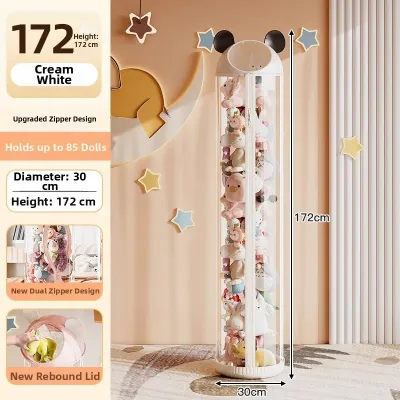
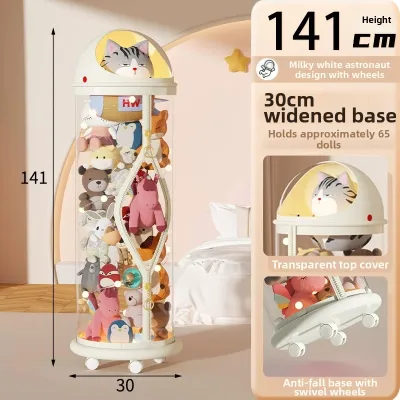
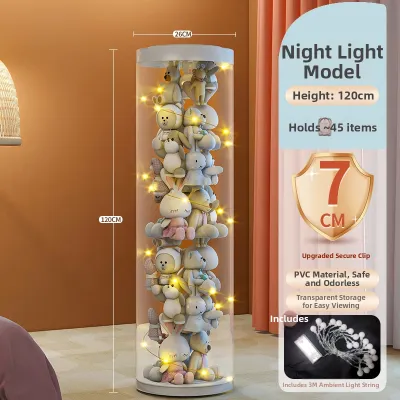
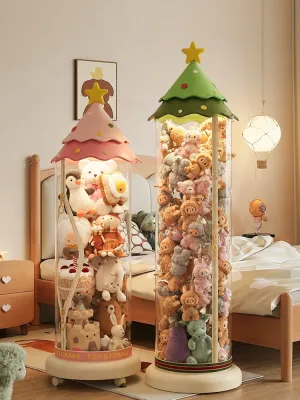
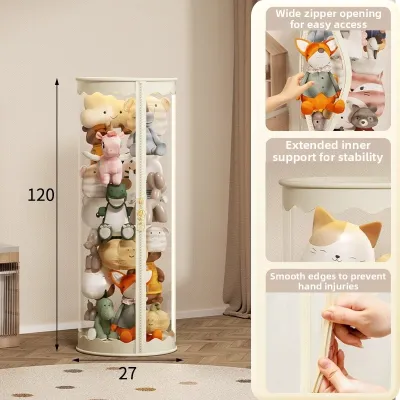
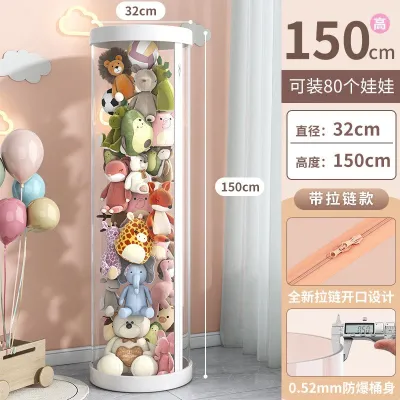
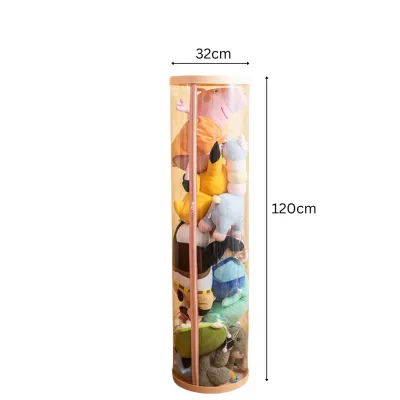
Prices are valid at publication and may change. Please refer to the product page for the latest price.
How to Choose the Right Soft Toy Storage for Your Nursery
Before purchasing any storage product, it is essential to establish clear criteria based on your family’s daily routines, your child’s age, and the physical constraints of the nursery. Not all storage solutions are created equal, and some options that work well in a living room or adult bedroom may pose hidden hazards in a baby’s room.
Safety First
In any nursery setup, safety is the absolute priority. When evaluating soft toys storage, caregivers must carefully inspect the physical construction of each unit. Ensure there are no sharp edges, exposed metal brackets, or splintered wood surfaces that could scratch a curious baby. Small detachable hardware, such as plastic caps, decorative buttons, or loose screws, must be avoided entirely as they present severe choking hazards.
Additionally, pay close attention to any cords, drawstrings, or long ribbons attached to storage bags or baskets. These elements pose a significant risk of strangulation and should be removed or kept completely out of reach. If you are considering hanging organizers, verify that the mounting hardware is robust and that the unit itself cannot be pulled down by a child who is learning to stand or climb.
Toddler Accessibility
A successful nursery storage system supports your child’s developmental milestones. For younger infants, storage is primarily a parental task. However, as babies transition into toddlers, they begin to explore their environment independently and want to choose their own toys.
Low-profile storage options, such as open-top fabric bins or shallow floor baskets, are ideal for encouraging this independence. They allow toddlers to see, reach, and retrieve their favorite plushies safely without needing help. This accessibility also lays the foundation for teaching early tidying habits, as toddlers can easily drop their toys back into an open container at the end of the day. Avoid storage chests with heavy, free-falling lids that could trap small hands or pinch fingers.
Capacity & Scalability
It is easy to underestimate how quickly a plush toy collection can expand. A single basket may suffice during the first few months, but birthdays, holidays, and developmental milestones will inevitably bring more soft companions into the home.
When planning your storage, look for scalable solutions that can grow alongside your child’s collection. Modular systems, stackable bins, or combinations of different storage types allow you to expand your capacity without needing to completely redesign the nursery. Selecting a system that accommodates current inventory while leaving room for future additions prevents your storage from overflowing and becoming a source of frustration.
Aesthetics & Space Planning
The nursery should be a calming, peaceful sanctuary for both you and your baby. Cluttered floors and mismatched, overflowing bins can create a chaotic atmosphere that disrupts rest. When choosing storage, select colors, textures, and designs that harmonize with your nursery’s overall style, whether you prefer a clean, minimalist Scandinavian look or a vibrant, playful theme.
Space planning is especially critical in compact urban homes. If floor space is limited, look upward and utilize vertical wall space with secure shelves or hanging organizers. If you have a larger room, a combination of low floor baskets and a central toy library shelf can define different play zones. Always measure your available floor and wall space before making a purchase to ensure the storage units do not block walkways, doorways, or access to the crib and changing table.
Top Soft Toy Storage Solutions for Every Nursery Style
To help you navigate the wide variety of options available, we have categorized the most popular and effective soft toys storage solutions. Each type offers unique benefits depending on your nursery layout, aesthetic preferences, and your child’s developmental stage.

Canvas, Woven, and Fabric Baskets
- Best For: Daily floor-level storage, soft nursery aesthetics, and safe, independent toddler access.
- Key Features to Look For: When choosing fabric baskets, look for options with structured bases or reinforced sides. This ensures the basket maintains its shape and does not collapse into a messy heap when empty. Sturdy, double-stitched handles are also essential, allowing you to easily transport the basket from the nursery to the living room during playtime.
- Limitations & Checks: While fabric baskets are highly practical, they do have limitations. Because they are open to the air, they can accumulate dust and pet dander over time. Caregivers must verify the manufacturer's care instructions before purchasing; look for machine-washable cotton rope baskets or canvas bins with wipe-clean linings. If a basket cannot be cleaned easily, it may become a harbor for allergens that can irritate your baby's sensitive respiratory system.
Hanging Nets and Toy Hammocks
- Best For: Maximizing vertical wall space, displaying collectible plushies, and keeping bedroom floors completely clear.
- Key Features to Look For: High-quality toy hammocks typically feature expandable mesh or durable woven netting that can stretch to hold a surprising volume of toys. When selecting a hammock, look for options with reinforced corner loops and heavy-duty mounting hardware.
- Limitations & Checks: Proper installation is critical to prevent accidents. You must never rely on simple adhesive hooks or suction cups, as these can easily detach under the weight of the toys, creating a falling hazard. Instead, anchor the mounting hooks securely into wall studs or use appropriate heavy-duty drywall anchors. Most importantly, install the hammock high enough on the wall so that it is completely out of reach of your baby. Never hang a toy hammock directly above or adjacent to a crib, changing table, or playpen, as a climbing toddler could attempt to reach the net, leading to dangerous falls or entanglement risks.
Clear Zippered Bags and Stackable Bins
- Best For: Long-term storage, seasonal toy rotation, and protecting delicate or sentimental plushies from dust and pests.
- Key Features to Look For: Look for designs that feature clear plastic viewing panels. This allows you to quickly identify which toys are inside without having to open and rummage through multiple bins. Sturdy, smooth-gliding zippers and reinforced carry handles make these bins easy to retrieve from closets or under-crib storage areas.
- Limitations & Checks: In Singapore's warm and highly humid tropical climate, storing fabric items requires extra care. Completely airtight plastic bags or vacuum-sealed storage pouches can trap ambient humidity inside. Over time, this trapped moisture can lead to the growth of mold, mildew, and unpleasant musty odors, which can ruin soft toys and pose health risks to your baby. To prevent this, ensure all plush toys are completely dry before storing them. Choose storage bags made from breathable fabrics with clear windows, or place silica gel desiccant packs inside plastic bins to absorb excess moisture. Regularly open stored bins on dry, air-conditioned days to let the contents air out.
Rolling Carts and Modular Shelving
- Best For: Creating a flexible nursery layout, organizing multi-category toys, and providing structured storage that grows with your child.
- Key Features to Look For: If you choose a rolling cart, look for models made from sturdy materials with a wide, stable base and a low center of gravity to prevent tipping. The cart must feature locking casters so you can secure it firmly in place when it is not being moved by an adult. For modular shelving, look for adjustable shelves that allow you to customize the compartment sizes as your child's toys change from small rattles to larger stuffed animals.
- Limitations & Checks: The most critical consideration for any shelving unit or furniture piece in a nursery is stability. Toddlers who are learning to stand or walk will naturally use shelves to pull themselves up, creating a severe tipping hazard. You must strictly secure all shelving units to the wall using heavy-duty anti-tip wall anchors and safety straps. Always verify the manufacturer's maximum weight capacity for each shelf, and place the heaviest items on the lowest shelves to maintain a stable base.
Quick Comparison of Nursery Toy Storage Types
To help you quickly identify the best solution for your home, the table below summarizes the key characteristics, ideal use cases, and safety checks for each of the four primary storage categories.
| Storage Type | Best Use Case | Toddler Accessibility | Dust Protection | Key Safety Check |
|---|---|---|---|---|
| Canvas & Fabric Baskets | Daily floor-level storage and easy access | High | Low | Check for washable materials and ensure no loose threads or unraveling seams. |
| Hanging Nets & Hammocks | Displaying toys and saving precious floor space | Low | Low | Anchor securely into wall studs; install completely out of reach of cribs. |
| Clear Zippered Bags & Bins | Long-term storage, seasonal rotation, and protection | Low | High | Avoid airtight plastic in humid climates; ensure toys are completely dry. |
| Rolling Carts & Shelving | Multi-toy organization and structured layouts | Medium | Low | Install heavy-duty anti-tip wall anchors; use locking casters on carts. |
Safety and Maintenance Tips for Nursery Storage
Implementing a beautiful storage system is only the first step; maintaining it safely and hygienically is crucial for your baby’s ongoing health and well-being. Soft toys and their storage units require regular attention to ensure they remain safe, clean, and free from hidden hazards.
Preventing Anchoring and Tipping Hazards
Unsecured furniture is one of the most common yet preventable hazards in a child’s bedroom. Even a relatively lightweight plastic or wooden shelving unit can tip over if a toddler pulls on a shelf or attempts to climb it to reach a favorite stuffed animal.
Always use the anti-tip safety hardware provided by the manufacturer, or purchase heavy-duty safety straps designed specifically for childproofing. Secure these brackets directly into wall studs rather than relying solely on drywall. Make it a habit to place the largest and heaviest plush toys, books, or storage baskets on the very bottom shelves to keep the unit’s center of gravity as low as possible.
Mitigating Choking and Strangulation Risks
Children’s products undergo rigorous safety testing, but wear and tear can introduce new risks over time. Perform a quick safety audit of your nursery storage solutions at least once a month.
Check wooden shelves for splinters or peeling paint, and inspect plastic bins for sharp cracked edges. Examine fabric baskets for loose threads, fraying handles, or unraveling seams, as these can easily wrap around a baby’s fingers or toes, cutting off circulation. Ensure that any storage bins you use do not feature decorative drawstrings, long ribbons, or small plastic embellishments that could be pulled off and swallowed.
Hygiene, Dust Mites, and Mold Prevention
Because soft toys are made of fabric, they act like magnets for dust, pet dander, and airborne allergens. If left unmanaged, these particles can trigger respiratory issues or allergies in sensitive babies.
To maintain a healthy sleeping environment, consider the following hygiene practices:
- Implement Toy Rotation: Keep only a small selection of soft toys (around three to five) out in the nursery play area. Store the remaining toys in closed, breathable containers inside a closet. Every two to three weeks, swap the active toys with the stored ones. This keeps playtime exciting for your toddler while drastically reducing the number of toys exposed to daily dust.
- Wash Fabric Storage Regularly: Fabric baskets and canvas bins should be washed periodically. Follow the manufacturer's care label—many cotton rope baskets can be placed in a mesh laundry bag and machine-washed on a gentle cycle. For non-washable bins, vacuum the interior regularly using a brush attachment.
- Clean the Plush Toys: Before washing any soft toy, always check the care label attached to the toy itself. Many plushies can be safely laundered in a washing machine on a delicate, cold-water cycle inside a pillowcase, followed by thorough air drying. For toys that cannot be washed, a gentle vacuuming or a quick wipe down with a damp cloth can help keep dust levels low.
- Promote Airflow: In Singapore's humid climate, avoid pushing storage units flush against the wall. Leave a gap of at least five centimeters to allow air to circulate freely, reducing the risk of mold and mildew developing behind the furniture or inside fabric baskets.
Frequently Asked Questions (FAQ)
How do I stop soft toys from getting dusty in the nursery?
The most effective way to prevent dust accumulation is to limit the number of plush toys left out in the open. Use a toy rotation strategy, keeping only a few favorites accessible on low shelves or in open baskets while storing the rest in closed, breathable fabric storage bags or clear zippered bins. Additionally, regular nursery maintenance—such as vacuuming with a HEPA-filter vacuum, dusting open shelves, and running a high-quality air purifier—will significantly reduce the volume of airborne dust and allergens that settle on your child’s soft toys.
Are toy hammocks safe for a baby's room?
Yes, toy hammocks can be safe, but their safety depends entirely on correct installation and strategic placement. They must be mounted high up in a wall corner, completely out of reach of infants and toddlers. You must never hang a toy hammock directly above or near a crib, changing table, or playpen, as a child could climb the furniture to reach the net, leading to falls, entanglement, or strangulation. Always secure the mounting hooks into wall studs or heavy-duty drywall anchors, and strictly adhere to the manufacturer’s recommended weight limits.
Community discussion
Share your experience or ask a question. Comments are reviewed before publication.