
Choosing the right tools to clean your baby’s feeding gear is one of the most frequent tasks you will face as a parent. A high-quality silicone brush cleaner is an excellent, hygienic alternative to traditional sponge or nylon brushes, but its performance is not uniform across all bottle types. Because baby bottles are manufactured from vastly different materials—including borosilicate glass, lightweight plastics like polypropylene (PP) and polyphenylsulfone (PPSU), and flexible medical-grade silicone—a single brush design cannot perform perfectly in every scenario. Finding the ideal match requires understanding how brush design interacts with these specific materials.
To clean your bottles effectively without causing premature wear, you must match the physical characteristics of the bottle to the structural design of the brush. Glass bottles are highly durable but require firmer bristles or hybrid designs to lift stubborn, dried milk film, combined with a cushioned brush tip to prevent accidental impact damage. Plastic bottles (PP and PPSU) are lightweight and shatterproof but extremely susceptible to micro-scratches, meaning they require ultra-soft, high-density silicone bristles that glide over surfaces without leaving microscopic grooves where bacteria can multiply. Flexible silicone bottles, which naturally attract oils and retain odors, demand a highly pliable, textured silicone brush that can contour to soft walls and generate enough surface friction to strip away stubborn milk lipids.
By selecting a silicone brush cleaner tailored to your specific bottle collection, you can ensure optimal hygiene, preserve the lifespan of your feeding gear, and protect your baby’s health. This guide breaks down the physical properties of each bottle material, evaluates the essential engineering features of modern silicone brushes, and provides a clear decision framework to help you choose the best cleaning companion for your daily routine.
Products mentioned in this guide
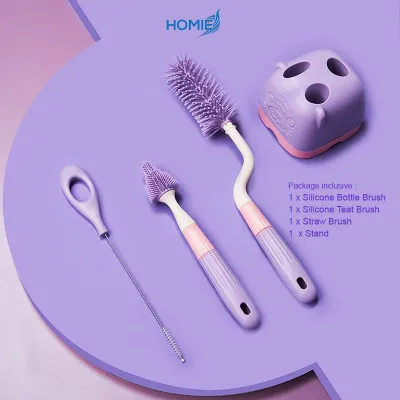
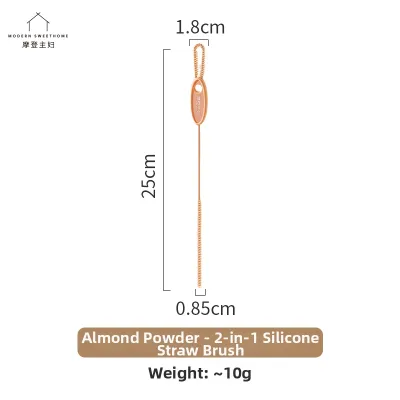
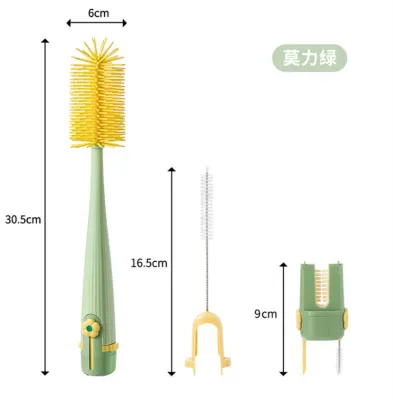
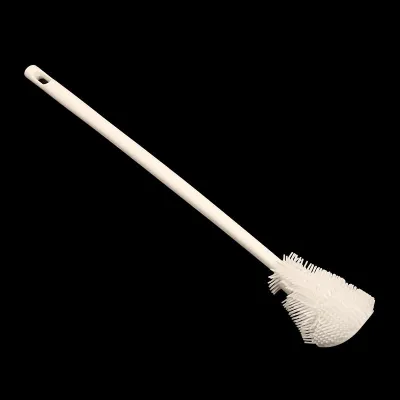
Prices are valid at publication and may change. Please refer to the product page for the latest price.
Why Bottle Material Dictates Your Brush Choice
Every baby bottle material has a unique molecular structure that determines how it reacts to physical scrubbing, chemical detergents, and heat sterilization. Understanding these material properties is the first step in recognizing why a one-size-fits-all cleaning approach often falls short.
Glass Bottles
Glass bottles, typically made from thermal-shock-resistant borosilicate glass, are favored by many parents for their exceptional durability, non-porous surface, and chemical inertness. They do not absorb odors, discolor over time, or leach chemicals, and they can withstand extreme temperatures during sterilization. However, glass has two main cleaning vulnerabilities: milk film adhesion and impact sensitivity.
Because glass is incredibly smooth, breast milk and formula fats can form a highly stubborn, thin lipid film that clings to the surface, especially when left to sit. Furthermore, minerals in tap water can combine with milk residue to create hard water spots that cloud the glass. While you can scrub glass vigorously without worrying about scratches, the material remains fragile under physical impact. If a bottle brush with a hard plastic or metal core strikes the inner bottom of a glass bottle with too much force, it can create micro-fractures. Over time, these tiny fractures weaken the structural integrity of the glass, eventually leading to sudden cracking or shattering during high-heat sterilization.
Plastic Bottles (PP and PPSU)
Plastic baby bottles are highly popular due to their lightweight, shatterproof nature, making them convenient for travel and self-feeding stages. The two most common plastics used are Polypropylene (PP) and Polyphenylsulfone (PPSU). PP is a budget-friendly, slightly cloudy plastic with a lower heat tolerance, while PPSU is a premium, medical-grade plastic distinguished by its natural honey-colored tint and high thermal resistance.
Despite their durability against drops, both PP and PPSU are physically soft materials compared to glass. They are highly vulnerable to physical abrasion. Traditional nylon bristle brushes, stiff low-grade silicone brushes, or abrasive scouring pads easily create microscopic scratches on the inner walls of plastic bottles. These micro-scratches ruin the clarity of the bottle, making it look permanently cloudy and worn. More critically, these microscopic grooves act as safe havens for bacterial biofilms. Once bacteria settle inside a micro-scratch, they are shielded from standard washing and can be incredibly difficult to eliminate, even with standard sterilization methods. Protecting the smooth inner surface of plastic bottles is therefore paramount to maintaining a sterile feeding environment.
Silicone Bottles
Silicone baby bottles are soft, squeezable, and designed to mimic the natural feel of breastfeeding. Made from food-grade or medical-grade silicone, these bottles are highly durable, shatterproof, and free from common plasticizers. However, silicone possesses unique material properties that make cleaning a distinct challenge: it is highly hydrophobic and lipophilic.
Because silicone naturally repels water but attracts lipids, breast milk and formula fats bind tightly to the inner walls of the bottle. If not thoroughly scrubbed, this lipid layer leaves a greasy, sticky residue that is highly resistant to simple rinsing. Additionally, silicone is a semi-porous material that easily absorbs volatile organic compounds, meaning it can trap sour milk odors and food smells if residues are left to fester. Furthermore, because the bottle walls are flexible and collapsible, a standard rigid brush cannot maintain consistent contact with the surface. When you push a rigid brush inside, the silicone bottle simply deforms, leaving pockets of uncleaned residue along the curved shoulders and base. Cleaning silicone requires a brush that can flex alongside the bottle while providing enough surface friction to shear away clinging fats.
Key Design Features of a Quality Silicone Brush Cleaner
When shopping for a silicone brush cleaner, it is easy to assume that all silicone models perform identically. In reality, subtle engineering choices—ranging from bristle geometry to handle mechanics—profoundly affect how well a brush cleans and how long it lasts.

Bristle Firmness, Shape, and Density
The cleaning action of a silicone brush relies entirely on the design of its bristles. Unlike nylon bristles, which are thin, highly flexible, and absorb water, silicone bristles are solid, non-porous, and do not absorb moisture. This makes silicone inherently more hygienic, but it also means the bristles behave differently under pressure.
High-quality silicone brushes feature food-grade silicone bristles with varying degrees of firmness and density. Fine, high-density bristles are excellent for creating lather and ensuring complete surface coverage on delicate materials. Because they are soft and pack closely together, they hold soapy water through capillary action, allowing you to wash the bottle with minimal friction damage. Conversely, thicker, wider, or sparser bristles offer more structural rigidity. These firmer bristles are highly effective at scraping away dried-on formula or stubborn milk film, but they do not lather as well and can be too harsh for softer plastics. Some advanced brushes feature multi-tiered bristle lengths or specialized blade-like shapes that scrape and sweep simultaneously, optimizing the balance between gentle washing and heavy-duty scrubbing.
Hybrid and Textured Designs
To overcome the fact that pure silicone does not lather as easily as traditional sponge or nylon, some manufacturers offer hybrid brush designs. These hybrids often combine a silicone bristle body with a small sponge insert or a core of nylon bristles at the tip. While these hybrid models excel at creating a rich, soapy lather and scrubbing the very bottom of the bottle, they introduce significant hygiene trade-offs.
Sponges and nylon fibers retain moisture, dry slowly, and easily trap organic matter, defeating the primary hygienic benefit of switching to a silicone brush cleaner. In Singapore’s highly humid tropical climate, a damp hybrid brush can quickly become a breeding ground for mold and environmental bacteria. For a truly hygienic option, look for 100% silicone brush heads that utilize textured nodules, ribbed patterns, or varying bristle shapes to maximize friction and cleaning efficiency without relying on porous secondary materials.
Handle and Tip Engineering
The mechanics of the brush handle dictate both user comfort and cleaning safety. One of the most valuable features to look for is a 360-degree rotating handle. This design allows you to insert the brush into the bottle and simply spin the handle grip, causing the brush head to rotate rapidly against the inner walls. This mechanical action reduces wrist strain and ensures a highly consistent, thorough clean along the entire circumference of the bottle.
Additionally, pay close attention to the neck and tip of the brush. The neck must have the right balance of flexibility and rigidity; it needs to bend slightly to navigate the curved shoulders of wide-neck bottles, but remain stiff enough to allow you to apply downward pressure. Crucially, the tip of the brush head must be completely encapsulated in thick, soft silicone. Many lower-quality brushes have a rigid plastic or metal structural rod running down the center that terminates very close to the tip. If the silicone cushioning at the tip is too thin or poorly attached, this hard core can easily punch through during vigorous scrubbing, scratching plastic bottles or cracking the base of glass bottles.
Integrated Accessories and Storage
A complete bottle cleaning routine involves more than just washing the main bottle cavity. Teats, collar rings, cap covers, and internal ventilation straws all require specialized cleaning tools. Most premium silicone brush cleaner sets feature integrated or detachable accessories to handle these delicate components.
Look for sets that include a dedicated, small silicone nipple brush. This tool should be molded to match the exact internal contour of standard or wide-neck bottle teats, allowing you to clean away milk residue without stretching, tearing, or damaging the delicate silicone or blocking the anti-colic vent valves. For bottles with complex internal venting systems or transition straw cups, a micro-thin, flexible straw brush with fine bristles is indispensable. Finally, consider how the brush set is stored. Brushes that feature a built-in suction cup base or come with a dedicated, ventilated drying stand help keep the cleaning tools upright and off wet, contaminated kitchen countertops, facilitating rapid air-drying.
The Decision Framework: Choosing by Bottle Material
To help you select the ideal silicone brush cleaner for your specific bottle collection, we have structured a clear decision framework based on the unique cleaning requirements of glass, plastic, and silicone materials.
| Bottle Material | Recommended Brush Type | Key Design Features to Look For | Primary Benefit |
|---|---|---|---|
| Glass | Firmer or Hybrid Silicone | Cushioned tip, firm bristles, long rigid handle | Removes stubborn milk film without risk of impact cracking |
| Plastic (PP / PPSU) | 100% Soft, High-Density Silicone | Ultra-soft bristles, no nylon/sponge, flexible neck | Prevents micro-scratches that harbor bacterial biofilms |
| Silicone | Textured, Highly Flexible Silicone | Nodules/ridges, highly pliable head, high-friction design | Strips away clinging milk lipids and eliminates sour odors |
For Glass Bottles
When cleaning glass bottles, your primary objective is to remove the persistent, dried-on milk film and mineral deposits that accumulate on the smooth, rigid surface, while completely eliminating the risk of physical impact damage.
Because glass is highly scratch-resistant, you do not need to worry about using ultra-soft bristles. Instead, opt for a silicone brush cleaner with firmer, thicker silicone bristles or a high-quality hybrid design that provides the structural rigidity needed to scrape away dried formula and stubborn breast milk fats. The brush should have a long, sturdy handle that allows you to apply steady downward pressure to reach the very bottom corners of the bottle.
However, you must safeguard against glass breakage. Ensure the brush you choose features a thick, fully encapsulated silicone tip at the end of the head. This cushioning acts as a shock absorber, preventing the hard internal core of the brush handle from striking and cracking the delicate glass base during vigorous cleaning.
- Decision Rule: Choose a firm, long-handled silicone brush with a heavily cushioned, fully encapsulated tip if your primary bottle collection consists of glass. This ensures you can scrub away stubborn residues with confidence, without risking costly impact damage.
For Plastic (PP and PPSU) Bottles
Cleaning plastic bottles requires a gentle, non-abrasive approach designed to preserve the smooth, unblemished surface of the inner walls, thereby preventing the formation of micro-scratches that harbor bacteria.
If you use PP or PPSU bottles, you must avoid any cleaning tools that utilize stiff nylon bristles, abrasive sponge elements, or exposed hard plastic parts. Instead, select a brush made from 100% food-grade silicone featuring ultra-soft, highly flexible, high-density bristles. These fine bristles bend easily under light pressure, sliding smoothly over the plastic surface to sweep away milk residue without causing physical wear.
To ensure thorough cleaning without excessive force, look for a brush with a highly flexible neck and a 360-degree rotating handle. The rotating action allows the soft bristles to glide continuously along the inner walls, utilizing gentle mechanical action rather than harsh friction to lift away residues. This preserves the optical clarity of your PPSU bottles and extends the overall lifespan of your PP feeding gear.
- Decision Rule: Choose a 100% soft silicone brush with dense, highly flexible bristles and a rotating handle if you use PP or PPSU bottles. This configuration protects the soft plastic from micro-abrasions, keeping the bottles hygienic, clear, and safe for long-term use.
For Silicone Bottles
Silicone bottles require a specialized cleaning tool that can overcome the material’s natural tendency to attract grease, absorb odors, and deform under physical pressure.
To clean a pliable silicone bottle, a standard smooth-bristled brush is highly inefficient, as it will simply slide over the greasy lipid film. You need a silicone brush cleaner specifically engineered with textured nodules, raised ridges, or scraping fins. These textured elements create the necessary surface friction to grip the soft inner walls, shearing away clinging breast milk fats and formula oils that cause sticky residues and sour smells.
Furthermore, the brush head must be highly flexible. It needs to easily compress to pass through narrow bottle necks and then expand to conform to the wide, pliable body of the silicone bottle. A brush with a flexible silicone neck allows you to guide the head into the curved, soft corners of the bottle, ensuring no greasy pockets are left behind.
- Decision Rule: Choose a highly flexible silicone brush featuring textured nodules, ridges, or scraping fins if your primary feeding setup consists of silicone bottles. This design provides the necessary friction and adaptability to thoroughly degrease pliable walls and eliminate lingering odors.
Caring for and Replacing Your Silicone Brush
To ensure your silicone brush cleaner remains a safe, hygienic tool for preparing your baby’s feeding equipment, you must establish a proper routine for daily maintenance, sterilization, and timely replacement.
Daily Cleaning and Drying
Although silicone is naturally non-porous and highly resistant to mold and bacterial growth compared to traditional sponges, it is not self-cleaning. After every use, rinse the brush thoroughly under warm running water, spreading the bristles with your fingers to ensure no soap bubbles, milk fats, or organic residues remain trapped at the base of the head.
Once clean, shake off excess water vigorously. Store the brush upright in a well-ventilated area, ideally on a dedicated drying stand or using a built-in suction cup to keep the brush head suspended in the air. In Singapore’s humid tropical climate, proper ventilation is critical. Storing a damp brush inside a closed cupboard or resting it flat on a wet countertop slows down evaporation, allowing environmental bacteria to colonize the handle and stand. Fast air-drying is your best defense against microbial buildup.
Sterilization Limits and Material Safety
One of the primary benefits of high-quality food-grade silicone is its exceptional thermal resistance, often withstanding temperatures up to 220°C. However, you must never assume that the entire brush assembly is safe for high-heat sterilization.
While the silicone bristles themselves can easily tolerate boiling water, steam sterilization, or dishwashers, the surrounding components may not. Brush handles are frequently made from polypropylene (PP) or other plastics that can warp or melt at lower temperatures, and internal structural rods may be prone to rusting or degradation if exposed to prolonged moisture and heat. Furthermore, UV sterilizers can accelerate the aging and yellowing of certain plastics and low-grade silicones over time, making them brittle.
Before placing any bottle brush into an electric steam sterilizer, UV sterilizer, or dishwasher, always consult the manufacturer’s care instructions to verify the maximum temperature limits and approved sanitizing methods for every part of the tool. If the instructions are unclear or if you are using a hybrid brush with non-silicone parts, stick to hand-washing the brush with warm, soapy water and air-drying.
Replacement Signals
Silicone bottle brushes are highly durable and typically outlast traditional sponge or nylon brushes by several months. However, they are subjected to constant mechanical stress and chemical exposure, meaning they will eventually wear out. You should inspect your brush monthly for visible signs of degradation.
Replace your silicone brush cleaner immediately if you observe any of the following warning signs:
- Damaged or Missing Bristles: Torn, clumping, or shedding bristles reduce cleaning efficiency and can leave debris behind.
- Structural Separation: A loose brush head, cracks in the plastic handle, or an exposed internal metal or plastic core pose a scratching hazard to bottles and a safety risk to you.
- Texture Changes: If the silicone surface becomes sticky, gummy, or unusually stiff, it indicates that the polymer has degraded from heat or chemical exposure.
- Lingering Odors: A persistent, sour, or musty smell that remains even after thorough washing and sanitizing indicates that deep-seated bacterial biofilms or mold have formed on the handle joints or within the brush assembly.
By staying vigilant and maintaining a disciplined cleaning routine, you can ensure that your silicone brush cleaner remains a highly effective, hygienic tool that keeps your baby’s bottles pristine and safe for every feed.
Frequently Asked Questions (FAQ)
Can I use a regular sponge brush on silicone baby bottles?
While a traditional sponge brush is soft and will not scratch silicone, it is highly inefficient at removing oily milk residues. Silicone is a hydrophobic material that naturally binds to fats; a sponge tends to slide over these oils rather than lifting them. Furthermore, sponges are highly porous, dry slowly, and degrade rapidly, making them prone to harboring harmful bacteria. A textured silicone brush is far more effective, durable, and hygienic for cleaning silicone bottles.
How often should I replace a silicone bottle brush?
Unlike traditional sponge brushes that require replacement every 4 to 6 weeks due to rapid bacterial colonization and physical wear, a high-quality silicone brush can safely last for several months with proper care. Rather than relying on a strict calendar schedule, inspect the brush monthly. Replace it immediately if you notice torn or missing bristles, a loose or cracked handle, a sticky texture, or a persistent sour odor that cannot be washed out.
Are all silicone bottle brushes safe for electric sterilizers?
No, they are not universally safe for all electric sterilizers. While pure food-grade silicone has a high heat tolerance, the other components of the brush—such as the plastic handle, internal structural rods, or adhesive joints—often have much lower temperature limits. Exposing these parts to high-heat steam or UV sterilization can cause warping, melting, or accelerated material degradation. Always verify the manufacturer’s specific guidelines regarding temperature limits and sterilizer compatibility before sanitizing your brush.
Community discussion
Share your experience or ask a question. Comments are reviewed before publication.