
When babies transition from crawling to pulling themselves up, cruising along furniture, and taking their first steps, the home environment suddenly presents new hazards. In Singapore’s compact apartments, where space-saving furniture is common, sharp corners on low-lying coffee tables, TV consoles, and dining tables pose a significant risk of head, eye, and facial injuries. Finding a reliable sharp corner protector is a crucial step in creating a safer environment for your child. While no physical barrier can replace active adult supervision, these safety accessories cushion impacts and prevent serious lacerations.
Navigating the options in Singapore requires understanding how different materials, adhesive qualities, and brand designs perform under local conditions, such as high tropical humidity. This guide helps parents evaluate the market, understand material specifications, and choose the most effective solutions for their specific furniture types.
Selecting the Best Sharp Corner Protector for Your Home's Specific Needs
Every home features a unique mix of furniture materials, layouts, and high-traffic zones. Choosing the right protector requires balancing aesthetic preferences with the physical safety requirements of your child’s developmental stage.
Products mentioned in this guide
![[SG Stock] Corner Protector❤️Table Furniture Sharp Edge Safety Guard Silicone Bumper Baby Kids Children Protection](https://img.lazcdn.com/g/p/9b72f18b7a5af8ec7a091b97a2a1b5fc.jpg_400x400q80.jpg_.webp)
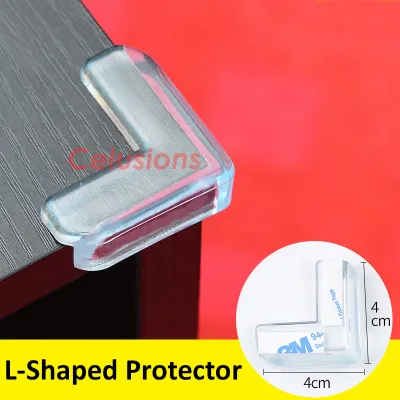
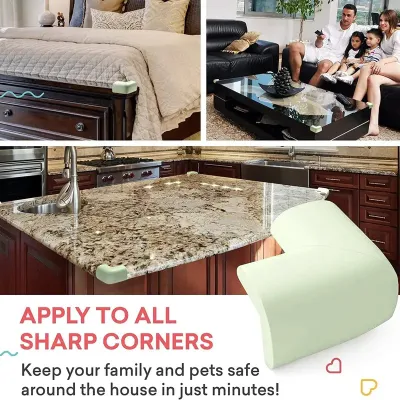
![[SG SELLER] [FREE SHIPPING] Baby Safety Corner Protectors Bumper Guard Furniture Cupboard Window Edge Cover Child Safe](https://img.lazcdn.com/g/p/6b7619c5a39c03a0089278ee49cdc8e3.jpg_400x400q80.jpg_.webp)
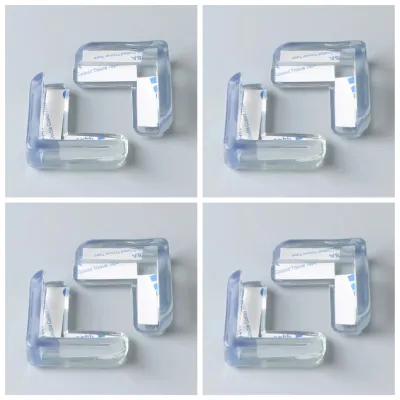
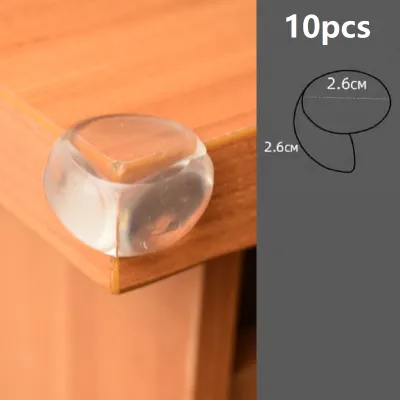
Prices are valid at publication and may change. Please refer to the product page for the latest price.
Material Comparison
Parents generally choose between two primary material categories: clear silicone/PVC and high-density foam.
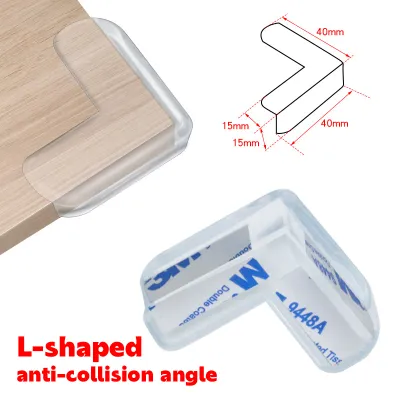
- Clear Silicone and PVC: These protectors are highly discreet and preserve the visual appeal of modern furniture. They are durable, resistant to biting, and blend seamlessly into glass, metal, or light wood surfaces. However, they offer firmer, less compressible cushioning compared to foam, making them better suited for moderate-impact protection rather than heavy-impact falls.
- High-Density Foam (NBR or EVA): Often made from nitrile rubber (NBR) or ethylene-vinyl acetate (EVA), these guards offer superior shock absorption by compressing deeply under impact. They are ideal for heavy, solid wood or stone furniture where a fall could cause severe bruising. The trade-off is their bulky, opaque appearance, which can disrupt home decor and attract the attention of curious toddlers.
Adhesive Quality and Singapore's Climate
Singapore’s high relative humidity can cause poor-quality adhesives to melt, slide, or peel away prematurely. When selecting corner protectors, look for heavy-duty acrylic gel tapes or specialized double-sided adhesives from reputable manufacturers. The adhesive must hold up against a toddler’s persistent pulling and biting while remaining stable under warm, humid conditions.
Cheap, generic double-sided tapes often dry out or lose their grip quickly, leading to detached protectors that pose a secondary choking hazard. High-quality acrylic adhesives form a stronger, pressure-sensitive bond over time, ensuring the guard stays firmly in place.
Thickness and Coverage
Before purchasing, measure the corner radius and edge profile of your furniture. Standard protectors are designed for sharp 90-degree angles, but some furniture has rounded, beveled, or irregular edges.
The protector must match this geometry to prevent gaps where a child’s skin could still catch. Ensure the thickness of the guard is proportional to the weight and height of the furniture; low, heavy coffee tables require thicker, more robust cushioning than lightweight dining chairs.
Surface Compatibility
Adhesives interact differently with various furniture finishes, including untreated wood, veneer, glass, laminate, and high-gloss paint. Applying a strong adhesive to delicate wood veneers or cheap laminate can lead to permanent damage when it is time to remove the guard.
Always check your furniture manufacturer’s care instructions before selecting an adhesive type. If you are dealing with antique, highly valuable, or delicate finishes, consider alternative baby-proofing methods or look for specialized, gentle-removal adhesives.
Reliable Corner Protector Brands Available in Singapore
Parents in Singapore can source corner protectors from local baby specialty boutiques, department stores, and major online marketplaces. Rather than relying on unverified claims of the “best” overall brand, it is more practical to evaluate brands based on their design strengths and material properties.

Best for Discreet Protection (Clear Silicone and PVC)
For parents who want to maintain their home’s aesthetic without compromising basic safety, brands like Safety 1st and Skyla offer excellent clear silicone and PVC options.
These brands design low-profile, transparent guards that are difficult for toddlers to spot, reducing the urge to peel them off. Because they are transparent, they allow the natural grain of wood or the clean lines of glass tables to show through.
However, clear silicone is firmer than foam. While it prevents lacerations from sharp edges, it does not absorb impact as deeply as thick rubber. These are highly recommended for dining table corners, desk edges, and modern glass furniture where a bulky foam guard would be visually intrusive and easily targeted by a curious child.
Best for Maximum Shock Absorption (Thick Foam and Dense Rubber)
When heavy-duty cushioning is required for low-lying, high-risk areas, brands like Dreambaby and specialized edge-guard manufacturers provide thick, high-density foam options.
These guards are typically made from dense, non-toxic nitrile rubber (NBR) that provides a soft, pillowy barrier. They are highly effective for low TV consoles, heavy marble coffee tables, and stone hearths where a falling child is likely to land with significant force.
While these foam guards offer superior impact dispersion, they are visually prominent and can look worn over time if scratched or chewed. Additionally, their bulkier profile gives older toddlers a convenient handhold, making it easier for them to grip and peel the protector off the furniture if the adhesive is not perfectly cured.
Best Value and Multi-Room Packs
Baby-proofing an entire home often requires dozens of corner and edge guards, which can quickly become expensive if purchasing premium individual packs. Many parents opt for bulk multi-packs available on local e-commerce platforms and in the baby aisles of major supermarkets.
When evaluating these budget-friendly options, it is vital to verify that the materials are explicitly labeled as non-toxic, BPA-free, and lead-free. Read recent buyer reviews closely, focusing specifically on adhesive longevity under Singapore’s humid conditions.
Budget brands often use cheaper double-sided tapes that fail within weeks. If you purchase a budget-friendly pack, consider upgrading the adhesive tape to a high-quality, brand-name acrylic gel tape to ensure a secure, long-lasting bond.
How to Install and Remove Protectors Without Damaging Furniture
Proper application and removal techniques are just as important as choosing the right product. Incorrect installation leads to loose protectors, while careless removal can ruin expensive furniture finishes.
Installation Steps for a Secure Bond
To ensure your corner protectors stay in place and withstand the daily tugging of a toddler, follow these systematic steps:
- Clean the Surface: Wipe the furniture corner thoroughly with rubbing alcohol to remove grease, dust, and fingerprint oils. Avoid using household glass cleaners or multi-purpose sprays, as they often leave a microscopic residue that prevents the adhesive from bonding securely.
- Dry Completely: Allow the cleaned area to air-dry completely before proceeding.
- Apply the Adhesive: Apply the double-sided tape to the inside of the protector, ensuring even coverage without air bubbles.
- Position and Press: Align the protector precisely with the furniture corner. Press down firmly on all sides for at least 30 seconds to activate the pressure-sensitive bond.
- Allow to Cure: Check the manufacturer's instructions for specific curing times. Most high-quality adhesives require leaving the protector undisturbed for 24 hours before allowing a child near the furniture or subjecting it to any physical stress.
Safe Removal Techniques for Wood and Painted Surfaces
When your child outgrows the need for corner guards, removing them carefully prevents damage to your furniture’s finish.
- Apply Gentle Heat: Use a hairdryer on a warm (not hot) setting to gently heat the corner protector. This softens the adhesive, making it pliable.
- Peel Slowly: Gently peel the protector back, pulling it parallel to the furniture surface rather than pulling straight up. Pulling upward can tear wood fibers or lift paint.
- Clean the Residue: If any adhesive residue remains, use a mild adhesive remover, a drop of vegetable oil, or warm soapy water on a soft microfiber cloth. Always test a small, hidden area of the furniture first to ensure the cleaning agent does not discolor or damage the finish.
Important Safety and Care Warning: Always check your furniture manufacturer’s care instructions before applying heat or solvents. If instructions conflict, the material is unidentified, or the use is not covered, stop immediately and consult a furniture restoration professional.
When to Remove Corner Protectors as Your Baby Grows
Baby-proofing is a temporary phase of parenting. Knowing when to transition away from corner protectors depends on your child’s physical development and coordination rather than a rigid age milestone.
Most children develop steady walking skills, improved balance, and basic spatial awareness between the ages of two and three. Once your child can navigate rooms without frequent stumbles and understands verbal safety boundaries, the risk of high-impact falls onto furniture corners decreases significantly.
However, highly active children or those prone to rough indoor play may still benefit from protection on low, hard edges. Consider a gradual transition: start by removing protectors from higher surfaces, such as dining tables and desks, while keeping them on low, high-risk items like coffee tables and TV consoles until you are confident in your child’s stability. Always supervise active indoor play to minimize risks.
Frequently Asked Questions (FAQ)
Are clear silicone corner protectors safe if my baby chews on them?
When purchasing, verify that the product packaging explicitly states the material is non-toxic, BPA-free, and phthalate-free. Teething babies often explore their environment with their mouths, making material safety critical. However, even non-toxic materials pose a severe risk if damaged. Any corner protector that shows signs of tearing, bite marks, or peeling adhesive must be removed and replaced immediately to prevent a choking hazard. Always supervise teething infants around baby-proofed furniture.
Can I use adhesive corner protectors on glass tables?
Yes, but standard foam adhesives may struggle to bond securely to smooth, non-porous glass surfaces, or they may leave unsightly residue visible through the glass. For glass tables, look for brands that specifically list glass compatibility or utilize specialized clear acrylic gel adhesives. These adhesives provide a strong, clean bond on glass and can often be removed cleanly without leaving a cloudy film.
Do I need corner protectors for rounded or beveled edges?
While rounded or beveled edges significantly reduce the risk of deep lacerations compared to sharp 90-degree corners, they can still cause painful bruising, swelling, or mild concussions upon impact. If the furniture is made of a particularly hard material—such as solid wood, metal, or stone—and sits at your child’s head height, applying a thin, low-profile silicone guard can provide valuable peace of mind during the early cruising and walking stages.
Community discussion
Share your experience or ask a question. Comments are reviewed before publication.