
When setting up a nursery in Singapore, selecting a hygienic, easy-to-clean surface for diaper changes is one of the most practical decisions you will make. A high-quality baby changing mat rubber option has become a preferred choice for modern parents, offering a durable, water-resistant alternative to traditional fabric or plastic-wrapped foam pads. Unlike fabric covers that require constant laundering, a rubber-based mat can be wiped clean and sanitized in seconds, significantly reducing your daily chores.
In Singapore’s warm and highly humid tropical climate, keeping nursery items dry and free from musty odors is a constant challenge. Fabric changing pad covers easily trap moisture, sweat, and spilled liquids, creating an ideal breeding ground for mold, mildew, and dust mites. A non-porous rubber changing surface solves this environmental issue by preventing any liquids from soaking into the core, ensuring a cleaner and more sanitary environment for your infant.
Investing in a premium rubber mat also provides long-term cost benefits. While cheap foam mats covered in thin vinyl often split at the seams or crack within a few months of heavy use, solid rubber or high-density elastomeric mats are built to last through multiple developmental stages and even subsequent children. This guide will help you navigate the key features, designs, and safety considerations to find the perfect rubber changing mat for your home.
Products mentioned in this guide
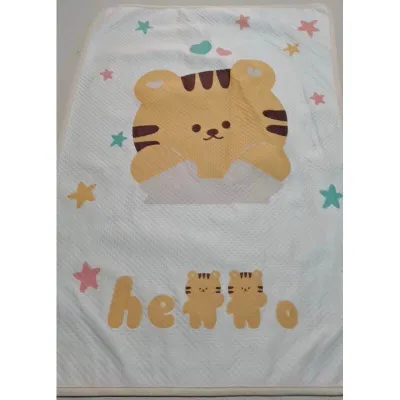
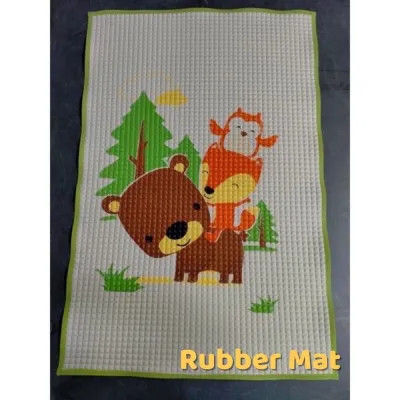
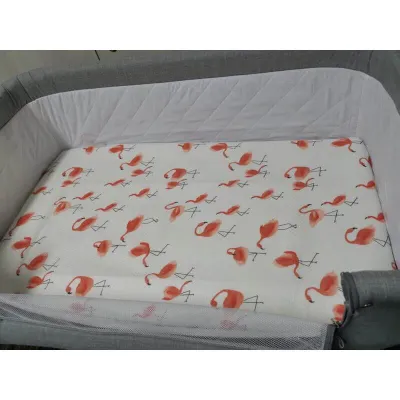
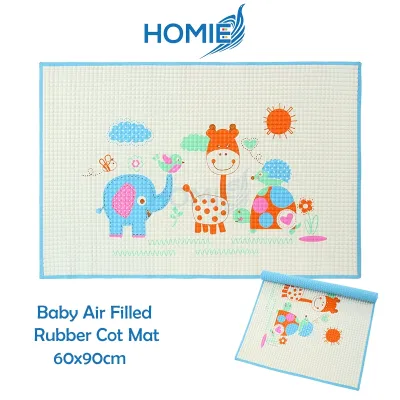
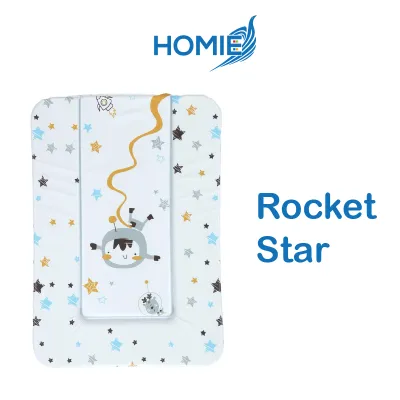
Prices are valid at publication and may change. Please refer to the product page for the latest price.
The Practical Benefits of Rubber Changing Mats
The primary appeal of a rubber changing mat lies in its exceptional wipe-clean nature. Diaper changes are a frequent occurrence, often happening ten to twelve times a day during the newborn stage. When using a rubber mat, any accidental spills, leaks, or blowouts can be instantly wiped away with a damp cloth or a baby-safe sanitizing wipe. This eliminates the endless cycle of stripping off fabric covers, running wash loads, and waiting for items to dry in Singapore’s humid air.
Durability is another standout feature that sets rubber apart from alternative materials. Traditional foam changing pads are typically encased in thin plastic sleeves that easily puncture, tear, or degrade when exposed to cleaning agents. Once the outer layer is compromised, moisture penetrates the inner foam, leading to internal mold growth that is impossible to clean. Rubber mats, whether made from natural rubber or high-grade synthetic elastomers, maintain their structural integrity over years of daily use, resisting both physical wear and unsightly staining.
From an ergonomic standpoint, rubber provides a firm yet supportive surface that is ideal for a baby’s developing body. While excessively soft foam pads can sag under a baby’s weight—making it difficult to keep them positioned correctly—a rubber mat offers a stable, flat base that supports the spine. This firmness is particularly helpful when dealing with an active, wriggling baby, as it provides a solid foundation for your hands-on adjustments during diaper changes.
It is important to keep material expectations grounded in general physical properties rather than marketing hype. While many brands advertise their mats as naturally antibacterial or hypoallergenic, these terms can sometimes be misleading. The hygienic superiority of a rubber mat comes simply from its non-porous, waterproof surface, which prevents moisture and organic matter from penetrating the material. By eliminating the damp environment where bacteria thrive, you naturally maintain a cleaner surface without relying on unverified chemical additives.
Key Factors When Choosing a Baby Changing Mat Rubber Surface
Dimensions and Fit
Before purchasing a rubber changing mat, it is essential to measure the exact top surface of your changing table, dresser, or chest of drawers. Many Singaporean families opt for compact, multi-functional chests of drawers to maximize floor space in HDB flats or apartments. You must ensure that the changing mat fits entirely within the flat boundaries of your furniture top. Any overhang, even by a few centimeters, creates a severe tipping hazard if weight is applied to the unsupported edge of the mat.

Safety Edges
When evaluating different rubber mats, pay close attention to the design of the side barriers. Look for mats with contoured, raised edges that slope upward to create a secure barrier. These raised sides are designed to help keep a rolling baby centered on the mat. However, parents must always remember that physical barriers are merely supportive aids. Raised edges can never replace active, hands-on caregiver supervision, as a determined infant can easily wiggle over a sloped side.
Base Grip
A changing mat that slides across a wooden or laminate dresser top poses a significant safety risk. Look for rubber mats that feature a textured, non-slip pattern on the underside, or those equipped with heavy-duty rubber feet that grip smooth surfaces. Some premium dresser-top models also include safety straps that screw directly into the back of your wooden furniture, anchoring the mat firmly in place to prevent any sliding or shifting during active diaper changes.
Material Verification
Not all products marketed as “rubber” share the same chemical composition. Some are crafted from natural tree rubber, while others utilize advanced synthetic elastomers, such as thermoplastic polyurethane (TPU) or dense polyurethane foam with a protective skin. It is crucial to physically check the product packaging or the manufacturer’s official specifications to verify safety claims. Ensure the mat is explicitly labeled as BPA-free, phthalate-free, and PVC-free, as these certifications confirm the material is safe for direct contact with your baby’s sensitive skin.
Choosing the Right Design for Your Nursery Space
Contoured vs. Flat Rubber Mats
Contoured rubber mats feature distinct, sloped sides that create a shallow cradle for your baby. This design is highly beneficial for newborns and younger infants who are not yet rolling, as the curved shape helps them feel secure and snug during changes. The raised sides also provide a helpful physical boundary that assists in keeping the baby centered, allowing you to focus on the task at hand. Many parents find this cradling effect particularly reassuring during the first few months of parenthood.
Flat rubber mats, conversely, offer a completely level, uniform surface across the entire pad. This design provides a larger usable surface area, making it highly preferred for older, more active babies and toddlers who need extra room to stretch and move their legs. Flat mats are also highly versatile, as they can easily double as a comfortable floor mat for tummy time or sensory play. However, because flat mats lack physical side barriers, they require even stricter adherence to safety protocols to prevent falls.
Key Comparison Points:
- Newborn Suitability: Contoured mats provide a cradling effect that helps calm younger infants.
- Longevity: Flat mats accommodate growing toddlers more comfortably due to the unrestricted surface area.
- Safety Boundaries: Contoured mats offer physical side barriers, whereas flat mats rely entirely on the caregiver's physical control.
- Versatility: Flat mats can be easily repurposed for floor play or travel, while contoured mats are generally restricted to diapering.
Dresser-Top vs. Portable Rubber Mats
Dresser-top rubber mats are substantial, heavy-duty units designed to remain permanently on a dedicated nursery changing table or chest of drawers. These mats prioritize maximum stability and comfort, often featuring weighted bases, thick cushioning, and integrated safety straps that anchor the unit to your furniture. They are ideal for parents who have a dedicated nursery space and want a highly secure, stationary changing station that remains ready for use at all times.
Portable or foldable rubber mats are lightweight, flexible alternatives designed for space-saving convenience. In a typical Singaporean home where rooms are multi-functional, a portable mat can be rolled up, folded, and tucked away into a drawer, wardrobe, or diaper bag when not in use. These mats are excellent for travel, visits to grandparents’ homes, or quick diaper changes on the living room floor. When choosing a portable design, always verify the manufacturer’s specified weight limits and age recommendations, as lightweight mats may not support older, heavier toddlers as securely as stationary models.
Design Selection Checklist:
- Space Availability: Choose a dresser-top mat if you have a dedicated nursery, or a portable mat if you need to conserve floor and furniture space.
- Weight and Portability: Verify if the mat can be easily rolled or folded without causing the rubber to crease or crack.
- Installation Needs: Determine if your chosen dresser-top model requires drilling or strapping into your existing furniture for secure placement.
- Manufacturer Limits: Always check the product documentation for the maximum weight capacity, especially when looking at lightweight portable options.
Safe Setup and Daily Care for Rubber Mats
The One-Hand Rule
Regardless of the safety features built into your rubber changing mat—such as high contoured walls, safety straps, or non-slip bases—active caregiver supervision is the single most critical safety factor. You must always maintain physical contact with your baby by keeping at least one hand securely on them at all times during a diaper change. Babies can roll, wiggle, or push themselves upward in a fraction of a second, and a fall from dresser height can cause serious injury.
Secure Installation
If your rubber changing mat includes safety straps or anchoring brackets, take the time to install them properly according to the manufacturer’s instruction manual. Secure the straps tightly to the underlying dresser or changing table, ensuring there is no slack that could allow the mat to slide forward or tip sideways. If you are using a non-slip base without straps, regularly check that the underside of the mat and the top of the furniture are free from dust and oils, which can cause the mat to lose its grip.
Cleaning Routine
To keep your rubber changing mat hygienic and looking like new, establish a simple daily cleaning routine. After each diaper change, wipe down the surface with a clean, damp microfiber cloth and a mild, baby-safe soap. This effectively removes skin oils, moisture, and organic residues without leaving harsh chemical film behind. For quick cleanups during the night, baby wipes are highly convenient, but ensure they do not contain heavy oils or moisturizing lotions that can leave a slippery residue on the mat.
Material Preservation
To prolong the lifespan of your rubber mat, avoid using harsh chemical cleaners, bleach, alcohol-based sanitizing sprays, or abrasive scrubbing pads. These aggressive agents can break down the protective outer skin of the rubber or synthetic elastomer, leading to micro-cracks, discoloration, or a sticky, degraded surface that is difficult to sanitize. If a deeper disinfection is required, check the manufacturer’s care instructions for approved sanitizing solutions that will not compromise the material’s integrity.
Environmental Care
Singapore’s tropical climate presents unique environmental challenges for nursery gear. Avoid positioning your changing station directly next to a window where it will be exposed to prolonged, direct sunlight. Ultraviolet (UV) rays and high ambient heat can dry out both natural and synthetic rubber, causing the material to warp, crack, fade, or lose its non-slip properties. Keep the mat in a well-ventilated, shaded area of the room, away from direct air-conditioning drafts that can cause localized dry cracking over time.
Frequently Asked Questions (FAQ)
Do rubber changing mats need an additional fabric cover?
Rubber changing mats are specifically designed to be used without any fabric covers to maximize their waterproof, wipe-clean advantages. Adding a fabric cover defeats the primary purpose of the easy-wipe surface, as you would have to wash the cover after every minor spill or diaper blowout. However, if you feel the rubber surface is too cold or sticky for your baby’s skin, you can place a thin, washable cotton liner or a small muslin cloth directly under the baby’s upper body. If you choose to do this, ensure the liner is thin, lies completely flat, does not slide around, and does not compromise the mat’s non-slip properties or create a suffocation hazard.
How do I know when it is time to replace a rubber changing mat?
While rubber changing mats are exceptionally durable, they do not last forever. You should perform regular visual and tactile checks on your mat to ensure it remains safe and hygienic. Look for signs of physical degradation, such as deep scratches, cracking, peeling of the outer skin, or a sticky texture on the surface. A sticky or tacky surface indicates that the polymer chains in the rubber are breaking down, which can harbor bacteria and compromise hygiene. Additionally, if the non-slip base loses its grip on your furniture, or if the raised safety edges become misshapen and no longer provide a secure boundary, it is time to replace the mat to ensure your baby’s safety.

Community discussion
Share your experience or ask a question. Comments are reviewed before publication.