
Commuting around Singapore during pregnancy—whether you are navigating the morning rush hour on the Pan Island Expressway (PIE) or riding in a private hire vehicle—presents unique physical challenges. As your body changes, standard vehicle safety systems that were designed for average adult proportions can begin to feel restrictive, uncomfortable, and potentially unsafe. A pregnancy seat belt adjuster solves this critical issue by redirecting the vehicle’s lap belt away from your sensitive abdomen, ensuring that both you and your developing baby remain properly protected throughout your journey.
Selecting the right adjuster requires understanding how these devices interact with your vehicle’s seats, your daily travel habits, and the specific stage of your pregnancy. Because safety is the absolute priority, it is essential to look past simple marketing claims and evaluate the mechanical design, material quality, and installation steps of any device you bring into your car. This guide details the safety dynamics of standard seat belts during pregnancy, outlines key factors to evaluate before purchasing, compares the primary types of adjusters available on Singapore’s e-commerce platforms, and explains how to verify a safe fit on every single trip.
Why Standard Seat Belts Become Unsafe and Uncomfortable
The standard three-point seat belt is one of the most effective safety innovations in automotive history, but its design assumes a standard adult anatomy where the lap belt rests firmly across the rigid pelvic bones. As a pregnancy progresses and the abdomen expands, the lap belt naturally rides upward, resting directly across the middle of the sensitive, soft pregnant bump. This shift in positioning completely changes how crash forces are distributed during a sudden stop or a collision.
Products mentioned in this guide
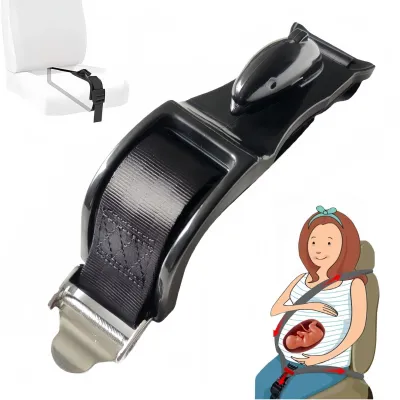
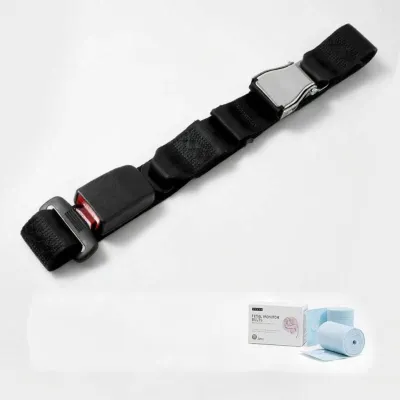
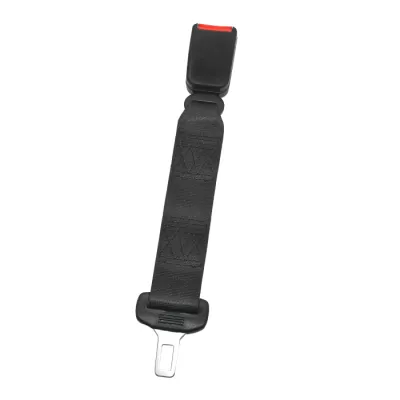
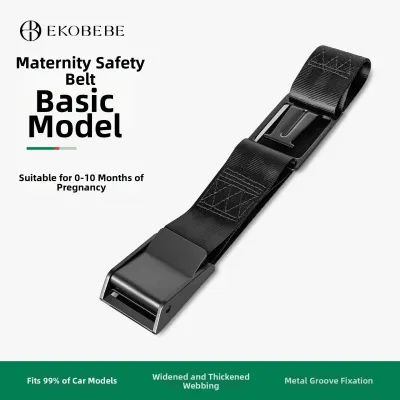
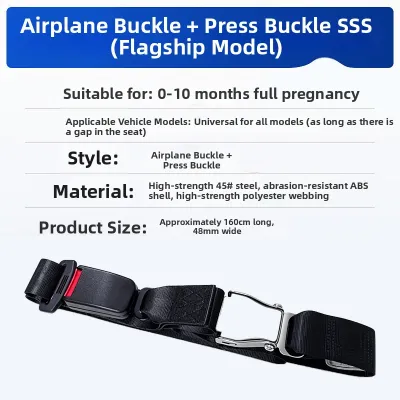

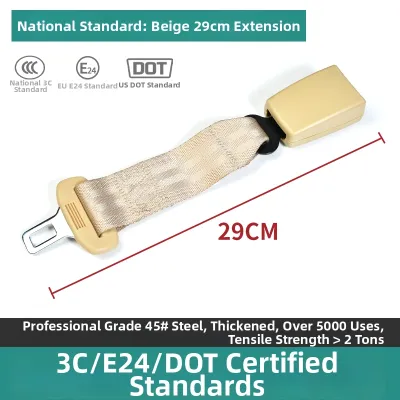
Prices are valid at publication and may change. Please refer to the product page for the latest price.
In the event of sudden braking or an accident, a lap belt that is positioned over the abdomen can transfer massive deceleration forces directly onto the uterus, placenta, and developing fetus. This localized pressure can lead to severe complications, such as placental abruption, uterine trauma, or direct injury to the baby, even in relatively low-speed collisions. To minimize these risks, the lap belt must be kept low, flat, and anchored securely against the strong, structural bones of the pelvis and the upper thighs.
A high-quality pregnancy seat belt adjuster serves this exact purpose by physically routing the lap belt downward so that it cannot ride up onto the soft tissues of the belly. By keeping the belt positioned over the pelvis, the adjuster ensures that any impact forces are absorbed by the skeletal system rather than the vulnerable abdomen. This simple mechanical redirection significantly lowers the risk of abdominal trauma while maintaining the seat belt’s primary restraining function.
Beyond the critical safety benefits, an adjuster also addresses the daily physical discomfort of commuting. In Singapore’s dense traffic, frequent stop-and-go driving can cause a standard seat belt to rub, press, or chafe against a sensitive abdomen, which can exacerbate pregnancy symptoms like nausea, pelvic pressure, and general fatigue. By removing this constant pressure, an adjuster makes daily commutes far more comfortable, allowing you to focus on the road or rest during your journey.
What to Check Before Buying an Adjuster for Your Car
Before purchasing a pregnancy seat belt adjuster from an online marketplace or maternity store, it is vital to evaluate how the product will perform in your specific vehicle and daily routine. Not every adjuster is universally compatible or suitable for every driver.

Vehicle Seat Compatibility First, examine the design of your vehicle’s seats. Many modern cars in Singapore, including popular Japanese and continental models, feature highly contoured bucket seats, integrated side airbags, or seat belts that emerge directly from the seat shoulder rather than the car pillar. You must verify how the adjuster anchors to the seat. Most adjusters require a heavy-duty strap to wrap entirely around the seat cushion, which means there must be a clear gap between the seat backrest and the seat base for the strap to pass through. If your vehicle has fully enclosed seats, electronic control panels on the seat base, or integrated under-seat storage drawers, a standard strap-based adjuster may not fit or could damage the seat’s internal wiring.
Safety Standards and Labels Do not rely on generic “crash-tested” or “doctor-recommended” marketing claims on product pages. Instead, look for verifiable details regarding safety testing and standards compliance. Check if the manufacturer provides documentation showing compliance with recognized automotive safety regulations, such as ECE R16 (the European standard for seat belt assemblies) or equivalent international standards. Since safety certifications and product designs can change, always verify the latest specifications directly from the manufacturer’s official documentation or user manuals rather than relying solely on product listings.
Ease of Installation and Transfer Consider who else will be using the vehicle. If you share your car with your partner, family members, or colleagues, you will need an adjuster that does not permanently alter the seat belt system or make it uncomfortable for non-pregnant passengers to sit. Some adjusters are designed to lie flat when not in use, allowing other drivers to sit comfortably on top of them without removal. Additionally, if you frequently commute via taxis, rental cars, or private hire vehicles, you should prioritize highly portable, lightweight adjusters that can be installed and removed in under a minute without requiring complex strap configurations.
Material and Climate Suitability Singapore’s tropical climate creates a demanding environment for in-car accessories. Cars parked in open-air HDB or commercial parking lots can reach extremely high internal temperatures, which can cause low-quality plastics to warp, crack, or release chemical odors over time. Ensure the adjuster utilizes robust materials, such as high-tensile steel hooks, heavy-duty thermoplastic buckles, and industrial-grade nylon webbing that can withstand intense heat and UV exposure without degrading. Furthermore, any fabric components or seat pads should be made of breathable, moisture-wicking materials that are easy to remove and wash, preventing sweat buildup and skin irritation during humid commutes.
Comparing the Main Types of Adjusters on the Market
Pregnancy seat belt adjusters generally fall into three design categories, each offering distinct mechanical advantages and trade-offs. Understanding these differences will help you select the style that best matches your daily routine, vehicle type, and comfort preferences.
Clip-Style Adjusters (Belt Positioning Clips)
Clip-style adjusters feature a rigid, heavy-duty hook or clip that sits between your thighs. This hook is anchored by a strong strap that wraps securely around the base of the car seat. When you sit down, you fasten your standard seat belt as usual, and then pull the lap portion downward, securing it inside the hook. This keeps the lap belt pulled low across your thighs and prevents it from riding up onto your abdomen.
The primary advantage of clip-style adjusters is their compact, low-profile design. They do not add extra height to your seat, which is highly beneficial for shorter drivers who need to maintain their precise driving position and clear visibility of the road. They are also highly portable and relatively easy to transfer between different vehicles, making them a practical choice for those who frequently use taxis or rental cars.
However, clip-style adjusters require you to manually thread the lap belt into the hook every single time you enter the vehicle, which can become slightly tedious during quick multi-stop trips. It is also critical to ensure that the hook is positioned correctly and does not interfere with the vehicle’s original seat belt buckle or the emergency locking retractor mechanism.
This style is best suited for expectant mothers in their first or second trimesters, active drivers who want to maintain their exact seating height, and passengers who frequently switch between different cars and need a portable solution.
Cushion-Style Adjusters (Wedge or Pad Designs)
Cushion-style adjusters consist of a padded seat cushion or wedge that rests directly on your car seat. These cushions are equipped with built-in fabric guides, loops, or a central flap that secures the lap belt low across your thighs and hips. The cushion itself is anchored to the seat backrest using adjustable straps to prevent it from sliding.
The main benefit of cushion-style adjusters is the immediate, noticeable comfort they provide. The extra padding helps absorb road vibrations and can relieve pressure on your tailbone and lower back, which is especially helpful if you suffer from pregnancy-related pelvic girdle pain or sciatica. By slightly elevating your hips, a wedge cushion can also help improve your driving posture and reduce fatigue during longer commutes.
On the downside, cushion-style adjusters are bulkier and much heavier than clip-style options, making them highly impractical to carry around or transfer between different vehicles. Because they add physical height to the seat, they will alter your driving position, which may require you to adjust your car’s steering wheel height, side mirrors, and seat distance to ensure you can still safely and comfortably reach the pedals.
This style is highly recommended for the late second and third trimesters, drivers who experience significant back or pelvic discomfort, and those who primarily commute in a single, dedicated family vehicle.
Harness-Style or Guide-Loop Adjusters
Harness-style or guide-loop adjusters use auxiliary fabric straps or rigid loops that anchor to the seat frame or seat backrest to manage the path of both the lap belt and the shoulder belt. Rather than pulling the lap belt down from a single central point between the legs, these systems often use dual side loops or a secondary harness to guide the belt flat across the lap and away from the neck.
The primary advantage of this design is its comprehensive management of the seat belt’s entire path. As your posture and center of gravity change during pregnancy, the standard shoulder belt can often ride up against your neck, causing irritation and distraction. A harness-style adjuster can help keep the shoulder belt centered across your chest while simultaneously keeping the lap belt securely positioned over your pelvic bones.
However, these systems tend to be the most complex to install correctly. They require precise adjustment of multiple straps to ensure they do not introduce dangerous slack into the seat belt system. Users must strictly verify that the secondary straps are made of high-quality, non-stretch materials and that they do not fray or snap under daily wear.
This style is most suitable for drivers and passengers who find standard shoulder belts highly irritating near their neck and collarbone, and who have a dedicated vehicle where the adjuster can be installed permanently and checked regularly for wear.
How to Install and Verify a Safe Fit Every Time
No matter which type of pregnancy seat belt adjuster you choose, its effectiveness depends entirely on correct installation and proper use. An incorrectly installed adjuster can introduce dangerous slack or interfere with the seat belt’s safety mechanisms, putting you at higher risk. Follow these essential safety checks every time you travel.
The Pelvis and Thigh Check After fastening, physically check the position of the lap belt. It must rest flat and snug across your hip bones and upper thighs. It should never touch or cross the soft, rounded part of your pregnant belly. If you feel the belt shifting upward when you breathe or move, stop the vehicle immediately and readjust the device.
The Shoulder Belt Check Ensure the diagonal shoulder belt remains positioned across the center of your chest and over the midpoint of your collarbone. The adjuster must not pull the shoulder belt so low that it slips off your shoulder, nor should it allow the belt to ride up against your neck or chin. Never tuck the shoulder belt under your arm or behind your back, as this completely eliminates upper-body restraint during a collision.
The Slack and Retraction Test This is a critical safety check that must be performed regularly. Once you are buckled in and the adjuster is secured, pull the shoulder belt sharply upward. The seat belt should immediately lock, and the adjuster must not prevent this locking mechanism from engaging. Additionally, when you unbuckle, the seat belt must retract smoothly back into its housing. If the adjuster causes the belt to sag, bunch up, or fail to retract, it is introducing dangerous slack that could lead to severe injury in an accident. Stop using the device and verify if it is installed correctly according to the manufacturer’s instructions.
Trimester Re-evaluation As your pregnancy progresses and your body shape changes, you must regularly re-evaluate the fit and comfort of your adjuster. A device that worked perfectly in the second trimester may become restrictive or uncomfortable in the third trimester. If your adjuster begins to restrict your breathing, cause abdominal discomfort, limit your leg movement, or interfere with your ability to safely control the steering wheel and reach the pedals, stop using it immediately and explore alternative options.
Professional and Manual Verification Before installing any aftermarket accessory on your vehicle’s seats, always consult your vehicle’s owner manual. Many car manufacturers provide specific guidelines, warnings, or dedicated instructions regarding seat belt usage for pregnant occupants. Furthermore, if you have a high-risk pregnancy, are expecting multiples, or have specific medical conditions, consult your obstetrician before using any pregnancy seat belt adjuster to ensure it is safe for your individual health needs.
Frequently Asked Questions (FAQ)
Is it legally required to use a pregnancy seat belt adjuster in Singapore?
No, using a pregnancy seat belt adjuster is not a legal requirement in Singapore. Under Singapore’s Road Traffic Act, wearing a standard three-point seat belt is strictly mandatory for all drivers and passengers, including pregnant women. While using an aftermarket adjuster is entirely optional, any device you choose must not compromise, disable, or alter the original seat belt’s locking and tensioning systems, as doing so could violate vehicle safety regulations and compromise your safety in a collision.
Can I just tuck the lap belt under my belly instead of buying an adjuster?
Absolutely not. Tucking the lap belt under your belly, placing it behind your back, or routing it under your arm is highly dangerous and should never be done. In a sudden stop or collision, the lack of proper pelvic anchoring can cause you to slide forward (submarining), leading to severe internal injuries, placental abruption, or even partial ejection from the vehicle. The lap belt must always cross the hard, structural bones of your pelvis to protect both you and your baby.
At what stage of pregnancy should I start using a seat belt adjuster?
Most expectant mothers find it beneficial to start using an adjuster when their standard lap belt begins to ride up onto the lower abdomen or causes noticeable pressure and discomfort. This typically happens around the end of the first trimester or early in the second trimester (around 12 to 16 weeks). However, because body shapes and bump sizes vary, you can begin using one as soon as you feel the standard belt setup is no longer resting comfortably and securely across your pelvic bones.
Community discussion
Share your experience or ask a question. Comments are reviewed before publication.