
Finding the right pregnancy belly belt—often referred to as a maternity support band—is a crucial decision for expectant mothers in Singapore seeking relief from pelvic girdle pain, lower back aches, and round ligament discomfort. The ideal support belt distributes weight evenly across your hips and abdomen, accommodating your changing body while remaining comfortable in Singapore’s tropical climate. To make an informed purchase, you must look beyond aesthetic designs and focus on structural integrity, material breathability, and ergonomic certification.
How to Evaluate Pregnancy Belly Belt Brands
When searching for a reliable maternity support brand, the first step is to assess the manufacturer’s specialized expertise in pelvic and obstetric care. Trusted brands often collaborate with physiotherapists, midwives, or obstetricians to design their products. A brand that primarily manufactures general fashion wear may not offer the same anatomical support as a company dedicated strictly to maternal wellness and orthopedic braces. Look for brands that clearly document their design philosophy, focusing on pelvic stabilization rather than simple aesthetic compression.
Transparent material sourcing and clear sizing guidance are critical indicators of a high-quality brand. Because your body changes rapidly across the second and third trimesters, a single static size is rarely sufficient. Reputable brands provide highly detailed sizing charts that require you to measure your current hip or lower belly circumference rather than relying on your pre-pregnancy clothing size. They will also offer clear instructions on how to scale up if you are between sizes or expecting multiples, ensuring the band provides continuous support without constricting blood flow.
Products mentioned in this guide
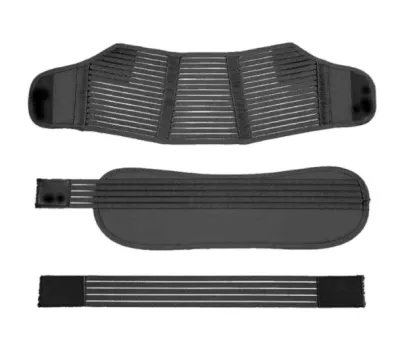
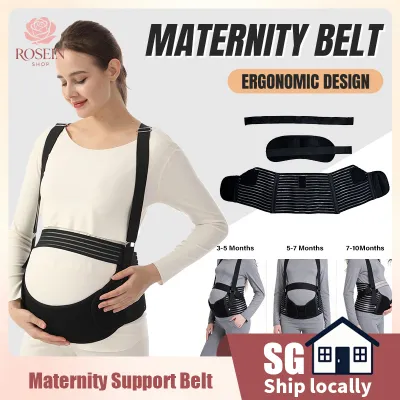
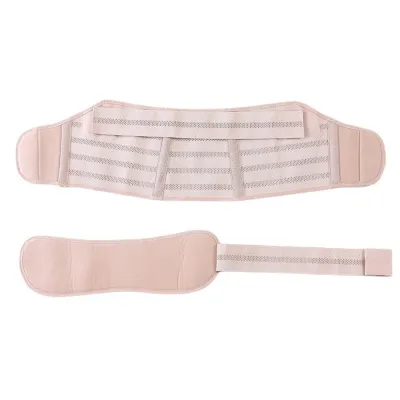
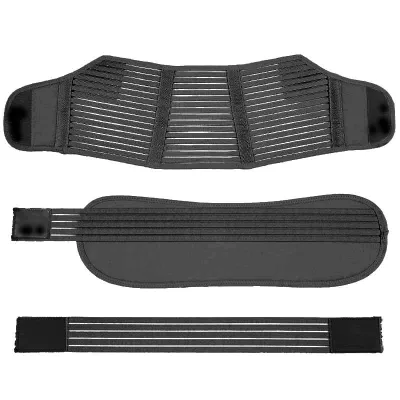
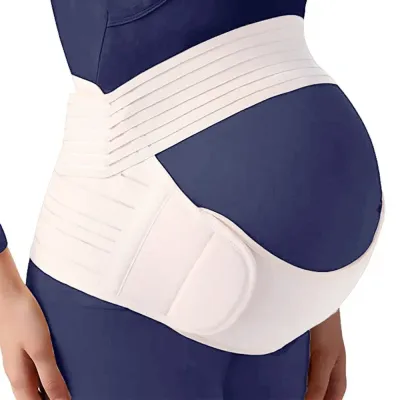
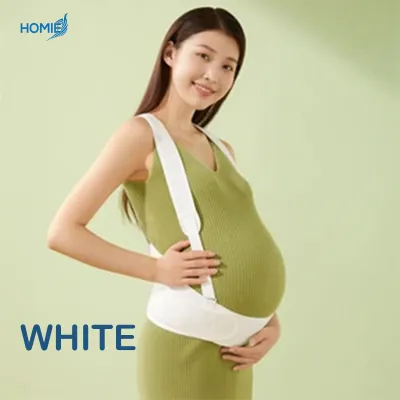
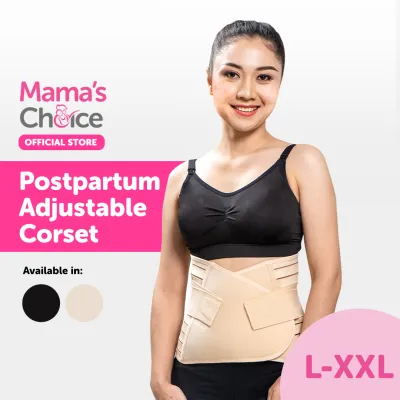
Prices are valid at publication and may change. Please refer to the product page for the latest price.
Textile safety and manufacturing quality directly impact both your comfort and your budget. Since the belt sits close to your skin, prioritize brands that verify their fabrics are free from harmful chemicals and allergens. Look for certifications such as the OEKO-TEX Standard 100 on product labels. Additionally, examine the structural stitching of the band. High-quality brands utilize reinforced, flatlock seams and double-stitched borders to prevent the edges from rolling, folding, or fraying under the constant tension of daily stretching and repeated washing cycles.
Finally, analyze verified user reviews with a focus on long-term durability and structural relief rather than immediate cosmetic appeal. Seek out feedback from mothers who have worn the belt during long hours of standing or walking. Pay close attention to reviews mentioning whether the elastic fibers retain their tension after several months of use, and whether the fastening mechanisms remain secure. Reviews that highlight a reduction in pelvic pressure or lower back fatigue provide much better guidance than those that simply praise the product’s color or packaging.
Essential Features to Look for in Maternity Support
Selecting the right pregnancy belly belt requires an understanding of how different structural designs and materials interact with your body. A belt that works well for mild lower back strain might not provide enough support for severe pelvic girdle pain.

Adjustability and Targeted Compression
The physical design of a maternity support belt determines how effectively it redistributes the weight of your growing baby bump.
- Single-Band Designs: These consist of a single elastic strap that wraps around the lower back and fastens under the belly. They are highly discreet, easy to put on, and ideal for mild support during the early stages of the second trimester.
- Dual-Layer and Multi-Strap Designs: These models feature a primary lower band to support the pelvis, combined with secondary tension straps that pull from the back to customize the level of compression. Some even include an upper strap that sits above the bump to keep the belt securely anchored. These are highly recommended for severe back pain or late-stage pregnancy.
The quality of the fastening mechanism is paramount for daily usability. Look for belts equipped with durable, medical-grade hook-and-loop fasteners (often referred to as micro-hook Velcro). Standard Velcro can degrade quickly, lose its grip under tension, or snag your delicate maternity clothing. Micro-hook fasteners provide a secure grip that allows for millimeter-level adjustments throughout the day as you transition between sitting, standing, and walking.
Targeted compression must always lift the abdomen from below rather than pressing it flat against your spine. High-quality belts are anatomically curved to cradle the lower curve of your bump, mimicking the natural upward support of your abdominal muscles. This upward lift relieves pressure on your bladder and pelvic floor while stabilizing the sacroiliac joints in your lower back.
Breathability and Skin-Friendly Materials
Singapore’s hot and humid climate makes fabric selection one of the most critical factors in your purchasing decision. A thick, non-breathable belt can trap heat and sweat, quickly leading to friction, heat rash, or contact dermatitis.
- Porous Mesh and Perforated Fabrics: Opt for belts that incorporate open-weave mesh panels or perforated neoprene. These designs facilitate continuous airflow, allowing heat to escape and moisture to evaporate quickly during outdoor commutes.
- Bamboo and Cotton Blends: Inner linings made from bamboo rayon or organic cotton are exceptionally soft against sensitive skin. Bamboo fibers possess natural moisture-wicking properties, keeping your skin dry and comfortable even during humid afternoons.
- Latex-Free and Hypoallergenic Materials: Pregnancy hormones can make your skin highly sensitive and prone to itching. Selecting a latex-free, hypoallergenic belt minimizes the risk of allergic reactions and skin irritation along the friction points of your hips and waist.
To maintain hygiene, your belly belt will require frequent washing. Always check the care labels before buying. Premium brands design their belts to withstand regular hand washing or gentle machine cycles inside a mesh laundry bag. Ensure the materials are engineered to retain their elasticity and shape without stretching out or warping after exposure to water and mild detergents.
Where to Buy Trusted Maternity Brands in Singapore
Acquiring a genuine, high-quality maternity support belt in Singapore involves choosing the right retail channel to ensure product authenticity, correct sizing, and reliable customer support.
Specialty Maternity Boutiques and Retailers
Visiting physical maternity and baby specialty stores, such as Mothercare or local maternity boutiques in central shopping districts, offers distinct advantages. These brick-and-mortar locations allow you to physically handle the products, evaluate the thickness and softness of the fabrics, and test the strength of the elastic bands. Many specialty retailers employ trained staff who can assist you in measuring your bump, recommend the appropriate size, and demonstrate how to position the belt correctly for optimal pelvic support.
Pharmacy Chains and Wellness Stores
Major local pharmacy chains, including Guardian, Watsons, and Unity, frequently stock medically reviewed or orthopedic-grade maternity bands. These products are typically located in the healthcare, rehabilitation, or personal care sections rather than the standard baby aisles. Buying from established pharmacies ensures that the brands carried have undergone basic quality and safety checks, making them a highly reliable option if you require immediate, structurally sound support for severe pelvic discomfort.
Official Online Storefronts
If you prefer the convenience of home delivery, purchase directly from the official websites of established maternity brands or their verified flagship stores on major e-commerce platforms. Shopping through official channels protects you from purchasing low-quality counterfeit products that look identical online but lack the necessary structural support, medical-grade elastic, or non-toxic dyes. Official storefronts also provide direct access to the brand’s complete sizing inventory and manufacturer warranties.
Purchasing Safeguards
Before finalizing any purchase, thoroughly review the seller’s ratings, customer feedback, and return policies. It is important to note that due to strict personal hygiene regulations, many retailers do not accept returns or exchanges on maternity support garments once the packaging has been opened or the item has been worn. Always double-check your current physical measurements against the brand’s specific size guide immediately before ordering, rather than relying on measurements taken earlier in your pregnancy.
Safe Usage, Fit Checks, and Medical Boundaries
While a pregnancy belly belt is an excellent tool for relieving physical discomfort, it must be used correctly to ensure the safety of both mother and baby. Understanding the physical boundaries of maternity support prevents improper usage and muscle dependency.
Proper Positioning
To position the belt correctly, wrap it low around your hips and pelvis, securing it snugly underneath your baby bump. The front panel should act as a supportive hammock, lifting the abdomen upward. The back panel should sit flat across your lower back and upper sacrum to distribute the weight evenly. Never position the main band directly across the center of your stomach or over the top of your uterus, as this applies downward pressure on your pelvic floor and can compress major blood vessels.
Wear Time Limits
A maternity support belt is designed to assist your muscles, not replace them. Limit your wear time to a maximum of two to three hours at a time, focusing on periods of physical exertion such as walking, standing, or performing household chores. Avoid wearing the belt continuously throughout the day or while sleeping. Overusing the belt can lead to muscle laziness, where your core and lower back muscles become dependent on the external support, ultimately weakening your natural physical stability.
Warning Signs
Always pay close attention to how your body responds to the belt. Remove the support band immediately if you experience any of the following warning signs:
- Numbness, tingling, or a pins-and-needles sensation in your legs, hips, or pelvic area.
- Shortness of breath or a feeling of constriction around your ribs and abdomen.
- Sudden skin irritation, red marks, or deep indentations left by the seams of the belt.
- Any noticeable decrease or sudden change in your baby's movement patterns.
These symptoms indicate that the belt is wrapped too tightly, positioned incorrectly, or obstructing your blood circulation.
Medical Consultation
Before purchasing or using a pregnancy belly belt, consult your obstetrician, gynecologist, or a specialized women’s health physiotherapist. This consultation is especially critical if you are experiencing a high-risk pregnancy, have a history of preterm labor, suffer from high blood pressure or preeclampsia, or if your baby is in a breech position. A medical professional can evaluate your physical condition, confirm whether pelvic compression is safe for you, and guide you on the exact level of support your body requires.
Frequently Asked Questions (FAQ)
How tight should a pregnancy belly belt be?
A pregnancy belly belt should feel snug and supportive, similar to a firm, reassuring hug around your hips and lower abdomen. It should never feel tight, restrictive, or painful. A practical way to verify the fit is the two-finger test: you should be able to comfortably slide two fingers flat between the belt and your skin. If you find yourself holding your breath, feeling restricted when sitting, or noticing deep red marks on your skin after removal, the belt is too tight and must be loosened immediately.
Can I wear a maternity support belt while sleeping or driving?
You should not wear a maternity support belt while sleeping, as your body needs to move naturally during rest, and prolonged compression while lying down can restrict blood circulation. When driving, you may wear a support belt to stabilize your pelvis against vehicle vibrations, but you must ensure the car’s safety seatbelt is positioned correctly. The lap belt of the car seatbelt must sit low across your hip bones and under your pregnancy bump, completely separate from the support belt, while the shoulder strap runs safely across your chest.
When is the best time to start using a belly belt during pregnancy?
Most expectant mothers begin using a pregnancy belly belt during the second trimester, typically between weeks 16 and 24, as the baby bump grows rapidly and shifts your center of gravity. However, the best time to start is when you begin experiencing physical symptoms of pelvic heaviness, round ligament pain, or lower back strain. If you are carrying multiples or have pre-existing lower back issues, your physiotherapist or obstetrician may recommend introducing a lightweight support band earlier in your pregnancy.
Community discussion
Share your experience or ask a question. Comments are reviewed before publication.