
Pregnancy brings a sequence of profound physical changes, many of which can introduce unfamiliar physical strains. As your body adapts to support a growing baby, your center of gravity shifts forward, placing additional stress on your lower back, pelvis, and supporting ligaments. For many expectant mothers in Singapore, finding relief from this daily physical strain is essential to maintaining mobility and comfort throughout the second and third trimesters. A pregnancy belly band serves as a highly effective, non-invasive support tool designed to distribute weight more evenly and stabilize the pelvic region during daily activities.
To find the right belly band in Singapore, you need to look beyond brand names and evaluate specific structural features, material breathability, and adjustability. The ideal support band must accommodate Singapore’s warm, humid climate while providing the precise level of compression your body requires. Whether you are experiencing mild lower back fatigue or more pronounced pelvic girdle discomfort, understanding how to select, wear, and safely adjust a maternity support belt will ensure you get the maximum benefit without compromising your safety or comfort.
Why You Might Need a Pregnancy Belly Band
During pregnancy, your body undergoes rapid anatomical adjustments to accommodate your developing baby. As your uterus expands, your abdominal muscles stretch and temporarily lose some of their ability to support your torso. This shift forces your lower back muscles to work much harder to keep you upright, which frequently leads to lumbar strain and muscle fatigue. Additionally, the release of the hormone relaxin softens your ligaments, particularly around the pelvis, allowing the joints to become more flexible in preparation for birth but often causing instability and localized pain.
Products mentioned in this guide
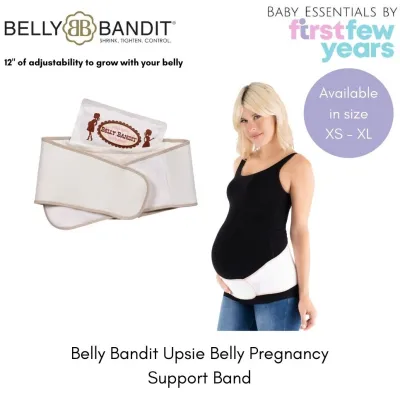
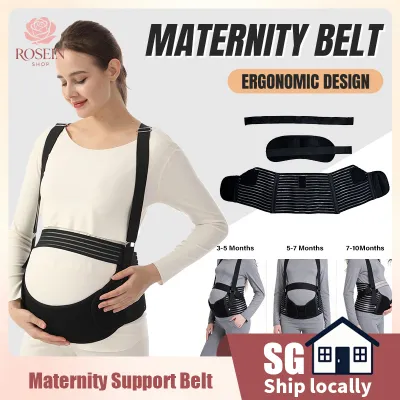
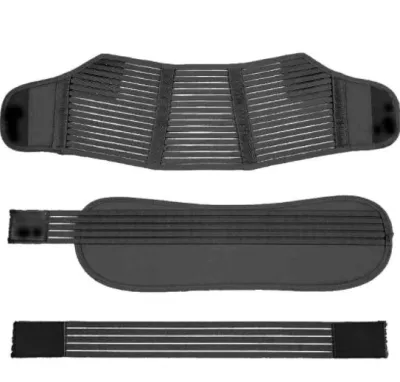
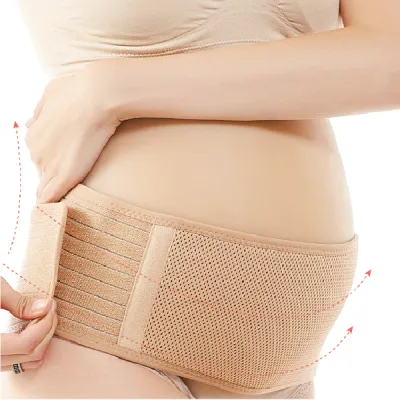
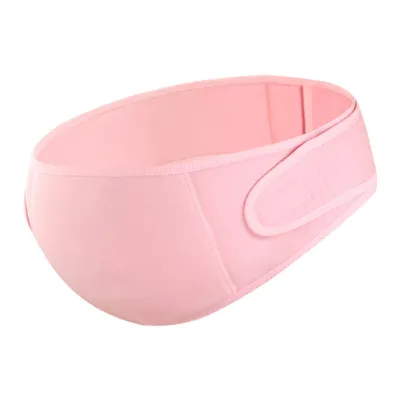
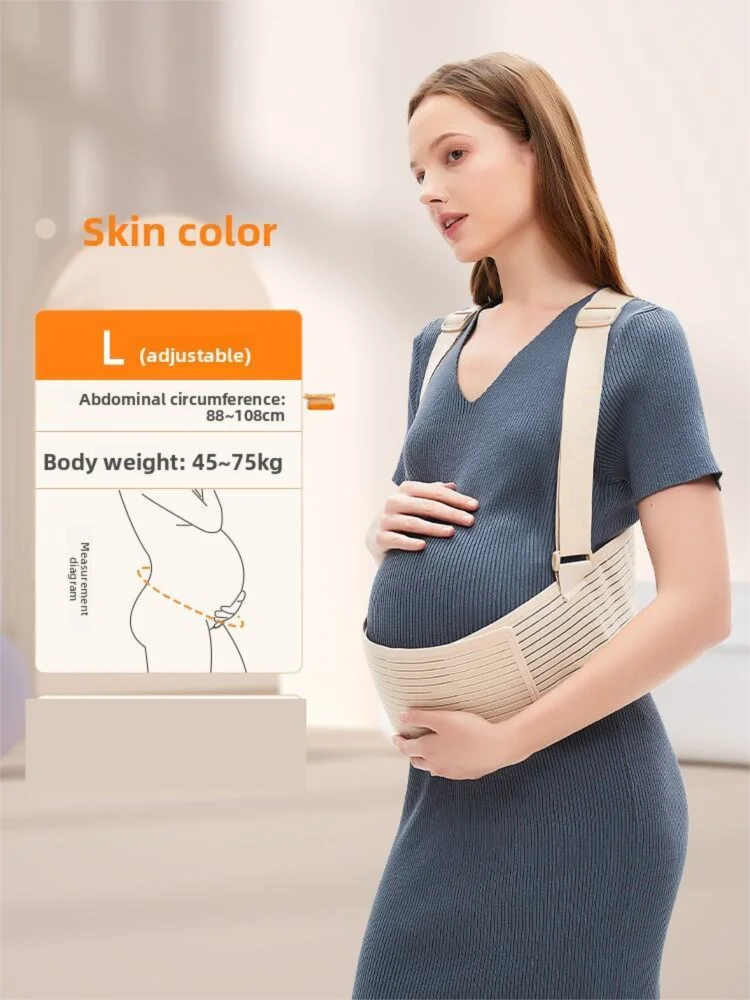

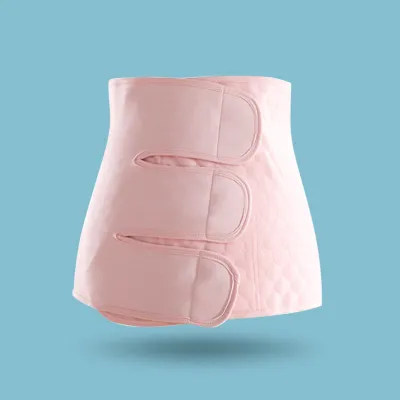
Prices are valid at publication and may change. Please refer to the product page for the latest price.
A pregnancy belly band works by providing external mechanical support to counteract these physical pressures. By gently lifting the lower abdomen, the band redistributes the weight of the baby bump across your hips and lower back. This lifting action reduces the downward pressure on your pelvic floor and minimizes the forward pull on your lumbar spine. It also helps stabilize the sacroiliac (SI) joints and the symphysis pubis, which can significantly reduce the sharp, shooting pains often associated with walking, standing, or changing positions.
It is crucial to understand that a pregnancy belly band is a supportive comfort tool rather than a medical cure. While it can temporarily alleviate discomfort and make daily movements more manageable, it does not resolve the underlying physical changes or structural imbalances of pregnancy. It acts as an assistive aid to help you stay active, but it should be used in conjunction with safe prenatal movement and proper posture rather than as a standalone solution for chronic pain.
Most expectant mothers find that abdominal support becomes most beneficial during the second and third trimesters. This is the period when the baby bump grows most rapidly, and the sudden increase in anterior weight can catch your core muscles off guard. If your daily routine involves prolonged standing, walking, or physical tasks, introducing a supportive band during these stages can help manage fatigue and prevent the cumulative strain that often builds up by the end of the day.
Key Features to Evaluate for Effective Support
Selecting the right maternity support requires a clear understanding of the different designs available and how they align with your specific physical needs. Not all belly bands are created equal, and choosing the wrong type can lead to inadequate support or physical discomfort.

Support Level & Structure
Maternity supports generally fall into two distinct categories: simple tubular bands and structured support belts.
- Tubular Bands: These are seamless, highly elastic fabric tubes that slip over your head or hips. They offer light, generalized compression and are ideal for early pregnancy, holding up unbuttoned pre-pregnancy pants, or keeping your bump covered under shorter tops. They do not provide targeted orthopedic support for severe back or pelvic pain.
- Structured Belts: These feature more rigid construction, often utilizing non-stretch back panels, adjustable tension straps, and secondary pelvic bands. They are designed to provide targeted, firm support to the lower back and pelvic girdle, making them suitable for managing moderate to severe discomfort during the later stages of pregnancy.
Material & Breathability
Singapore’s tropical climate presents a unique challenge for maternity wear. High humidity and consistent heat mean that wearing thick, synthetic, or non-breathable materials close to your skin can quickly cause overheating, excessive sweating, and skin irritation.
- When evaluating materials, prioritize lightweight, moisture-wicking fabrics such as high-performance mesh, perforated neoprene, or breathable cotton blends.
- Look for designs that incorporate open-weave structures or ventilation panels to allow heat to escape, keeping your skin dry and comfortable even during outdoor activities.
Adjustability & Fit
Your body will change continuously throughout your pregnancy, meaning a fixed-size band will quickly become obsolete or uncomfortable.
- Look for support belts that feature strong, high-quality Velcro closures that allow you to fine-tune the tension as your bump grows.
- Expandable front panels are essential, as they should cradle the underside of your belly without applying direct, restrictive pressure.
- Double-pull side straps are highly beneficial, as they allow you to adjust the level of compression on either side of your pelvis independently, ensuring a balanced and secure fit.
Skin Sensitivity & Edges
Because the skin on your abdomen stretches and becomes increasingly sensitive during pregnancy, the physical finish of the band is a critical comfort factor.
- Seek out bands with hypoallergenic materials and seamless or flat-locked stitching to minimize friction.
- Pay close attention to the edges of the belt; soft, rolled, or padded borders prevent the material from digging into your skin, hips, or ribs when you transition from standing to sitting.
- If you have highly sensitive skin, plan to wear the band over a thin layer of clothing rather than directly against your skin to minimize any risk of chafing.
Where to Find Reliable Maternity Support Brands in Singapore
Finding a high-quality belly band in Singapore involves knowing where to shop to ensure you receive an authentic, well-designed product that offers genuine physical support.
Physical Maternity & Baby Stores
One of the most reliable ways to select a belly band is to visit physical maternity boutiques and specialized baby stores located across Singapore. Visiting a brick-and-mortar store allows you to feel the weight and texture of the materials, inspect the strength of the Velcro, and physically try on different styles. Many dedicated maternity stores employ trained staff who can assist you with sizing measurements and demonstrate the correct way to position and adjust the band. Trying a product in person eliminates the guesswork of online sizing charts and helps you immediately identify which style feels most supportive for your unique body shape.
Pharmacies & Health Clinics
For expectant mothers experiencing more severe pelvic girdle pain or lower back instability, visiting major pharmacy chains or specialized women’s health physiotherapy clinics in Singapore is highly recommended. These locations often stock medically designed, orthopedic-grade maternity support belts. These products are typically constructed with more rigid support panels and medical-grade compression materials designed specifically to stabilize the pelvis. Consulting a physiotherapist at a clinic can also provide you with a professional recommendation tailored to your specific physical symptoms.
Official Brand Stores on E-commerce Platforms
If you prefer the convenience of online shopping, it is vital to purchase exclusively from official brand flagship stores or authorized distributors on major e-commerce platforms. Avoid third-party sellers offering unbranded or unusually cheap alternatives, as these products often lack the structural integrity, proper elasticity, and safety testing of established brands. Purchasing from official online storefronts ensures you receive an authentic product, protects you under the manufacturer’s warranty, and typically grants you access to clearer return or exchange policies if you encounter sizing issues.
Label & Specification Checks
Before finalizing any purchase, take the time to thoroughly check the manufacturer’s specifications and sizing guides. Do not rely on your pre-pregnancy clothing size or standard dress sizes; instead, use a soft measuring tape to measure the circumference around your lower back and just under your baby bump, as well as around the widest part of your hips. Compare these physical measurements against the brand’s specific size chart. Additionally, review the care label to understand the washing requirements, as some high-support bands require hand-washing to preserve their structural components.
How to Wear and Adjust Your Belly Band Safely
Using a pregnancy belly band correctly is essential to ensure you receive the intended support while avoiding unnecessary pressure on your abdomen or pelvic organs. Proper placement and adjustment protect both your comfort and physical well-being.
Correct Positioning
A common mistake is placing the support band too high up on the abdomen, which can apply direct pressure to the baby bump. The correct position for a structured maternity belt is low down, cradling the underside of your belly. The front panel should sit just above your pubic bone, while the back of the belt should rest flat against your lower back and across the top of your hips or pelvic bone. This positioning allows the band to act as an external shelf, lifting the weight of the bump upward and backward toward your spine, rather than compressing the abdomen inward.
The Tightness Check
While you want the band to feel secure and supportive, it should never feel restrictive or tight. Once you have fastened the band, perform a simple tightness check: you should be able to comfortably slide two fingers flat between the band and your skin or clothing. If you cannot do this, or if you feel a sensation of squeezing, restricted breathing, or localized pressure, loosen the straps immediately. The band is designed to provide gentle, reassuring lift and pelvic stabilization, not high-level compression.
Duration & Breaks
A belly band is an assistive tool and should not be worn continuously throughout the day. Relying on external support for too many consecutive hours can cause your core and back muscles to relax, potentially leading to muscle weakness over time.
- Limit your wearing time to a maximum of two to three hours at a time, or reserve use for specific periods of physical activity, such as walking, grocery shopping, or standing tasks.
- Take regular breaks by removing the band when you are sitting down for extended periods, resting, or driving, as your muscles do not require the same level of external stabilization when your body is fully supported by a chair.
Layering
To maximize comfort and protect your skin, consider wearing your belly band over a thin, breathable layer of clothing rather than directly against your bare skin. A lightweight cotton camisole, a seamless maternity tank top, or high-waisted maternity briefs provide an excellent barrier. This layering helps absorb sweat in Singapore’s humid climate, prevents the edges of the band or the Velcro from rubbing against your skin, and reduces the frequency with which you need to wash the band itself, thereby extending its lifespan.
Safety Boundaries: When to Stop and Seek Professional Advice
While pregnancy belly bands are generally safe and highly beneficial for managing everyday discomfort, they are not suitable for everyone or every situation. Recognizing the physical boundaries of safe use is essential for protecting your health and your pregnancy.
Immediate Removal Signals
You must pay close attention to how your body responds while wearing a support band. Remove the band immediately if you experience any of the following warning signs:
- Numbness, tingling, or a "pins and needles" sensation in your legs, hips, or pelvic region, which can indicate nerve compression.
- Any restriction in your normal breathing or a sudden feeling of dizziness or lightheadedness.
- A noticeable decrease in your baby's movements.
- An increase in localized pain, cramping, or physical discomfort after putting the band on.
Pre-Use Consultation
It is highly recommended to consult your obstetrician, midwife, or a qualified women’s health physiotherapist before using a maternity support belt, especially if you have a high-risk pregnancy. Specific conditions require medical clearance prior to introducing external abdominal compression. These include, but are not limited to, placenta previa, a history of preterm labor, preeclampsia, or any underlying circulatory or cardiovascular issues. Your healthcare provider can determine whether a support band is safe for your specific situation and advise on the appropriate level of support.
Professional Fitting
If you are experiencing severe, debilitating pain in your pelvic joints—often referred to as pelvic girdle pain (PGP) or symphysis pubis dysfunction (SPD)—a standard, over-the-counter belly band may not provide the precise stabilization your joints require. In these cases, a generic band can sometimes apply pressure in the wrong areas, worsening the instability. A women’s health physiotherapist can perform a comprehensive assessment, recommend a specialized, medical-grade pelvic joint stabilizer, and physically guide you through a professional fitting to ensure your pelvis is supported safely and effectively.
Frequently Asked Questions (FAQ)
Can I wear a belly band while sleeping?
It is generally recommended to remove your pregnancy belly band before going to sleep. When you are lying down, gravity is no longer pulling your baby bump downward, which naturally relieves the strain on your lower back and pelvis. Wearing a compression band while sleeping can restrict your blood circulation, limit your natural movement during the night, and prevent your abdominal and back muscles from fully relaxing and recovering. Unless a qualified healthcare provider has specifically instructed you to wear a support belt during sleep to manage a diagnosed medical condition, always remove the band before going to bed.
Will wearing a belly band weaken my core muscles?
Wearing a belly band will not cause muscle weakness or atrophy if it is used correctly as a temporary, supportive tool. The key is to avoid wearing the band continuously all day long. When you limit its use to two to three hours at a time during physical activities, your core and back muscles continue to engage and support your body during your rest periods. To maintain and strengthen your core throughout pregnancy, combine the use of a support band with safe, gentle prenatal exercises, such as pelvic floor strengthening (Kegels) and doctor-approved transverse abdominis engagement.
How do I wash and maintain my maternity support belt?
To preserve the elasticity of the stretch fabrics and maintain the holding power of the Velcro, you should care for your maternity support belt according to the manufacturer’s specific care label. Generally, hand-washing the belt in cool water with a mild, hypoallergenic detergent is the safest method. If you choose to use a washing machine, secure all Velcro straps completely to prevent them from snagging, place the belt inside a mesh laundry bag, and use a gentle, cold-water cycle. Always air-dry the band flat in a shaded area; avoid using a tumble dryer, harsh bleach, or direct heat, as high temperatures will degrade the elastic fibers and warp the supportive structures.
Community discussion
Share your experience or ask a question. Comments are reviewed before publication.