
As your pregnancy progresses, the physical transformation of your body can bring welcome excitement alongside noticeable physical strain. Carrying a growing baby shifts your center of gravity, placing extra load on your lower back, pelvis, and abdominal muscles.
A high-quality pregnancy belly band can offer targeted compression and structural lift to relieve these common discomforts. However, finding the right maternity support in Singapore requires balancing structural efficacy with breathability, especially given the year-round heat and humidity.
Selecting the ideal brand involves understanding your body’s specific anatomical needs, comparing key material features, and knowing how to wear the support safely. This guide outlines how to evaluate your needs and find the right support for your pregnancy journey.
Products mentioned in this guide
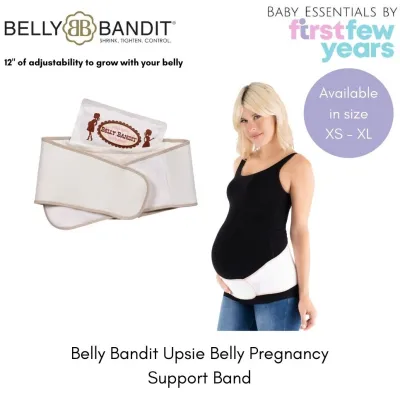
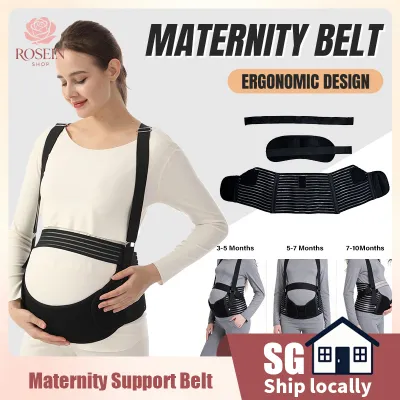
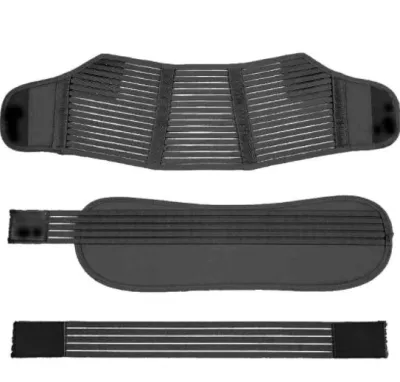
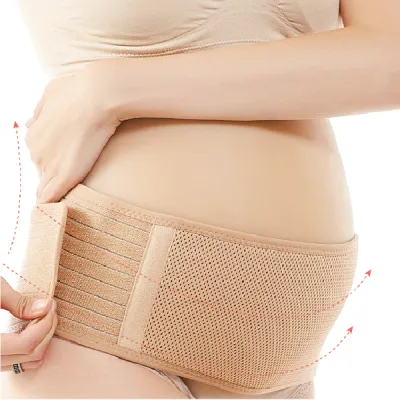
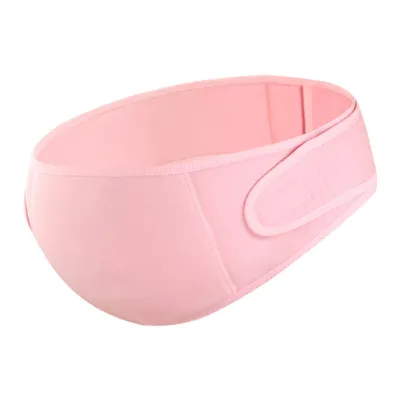
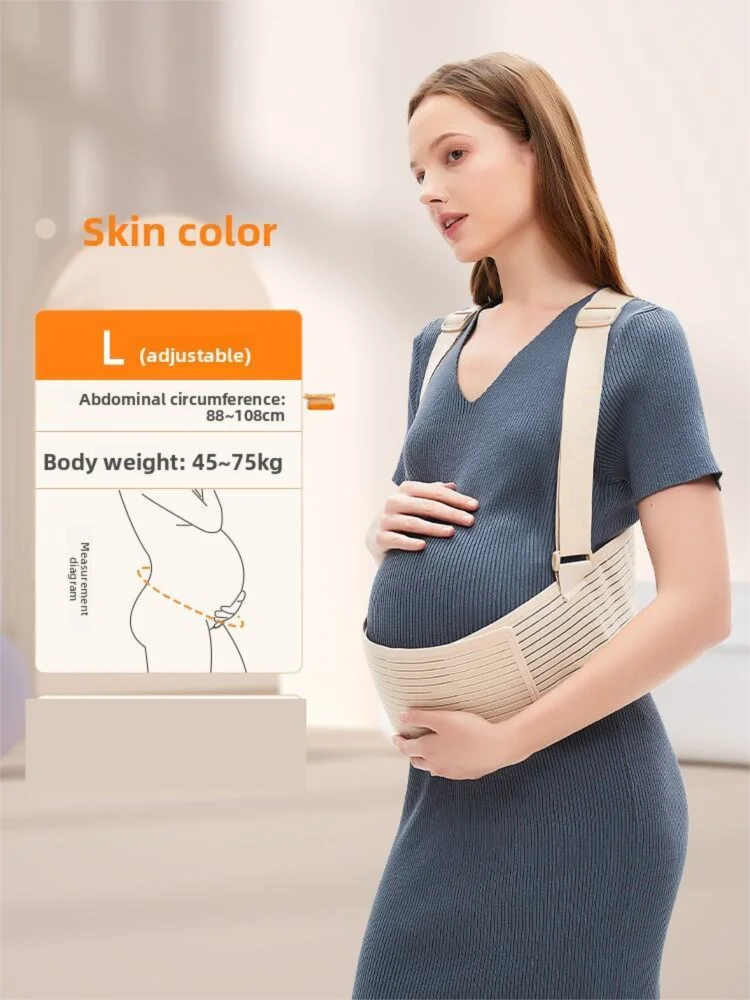
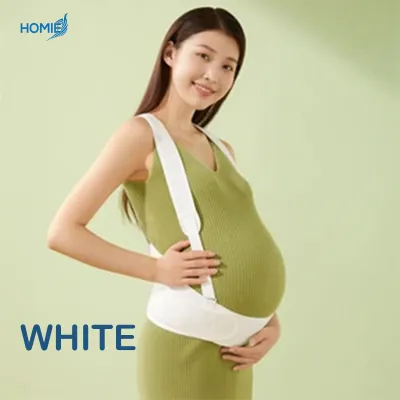
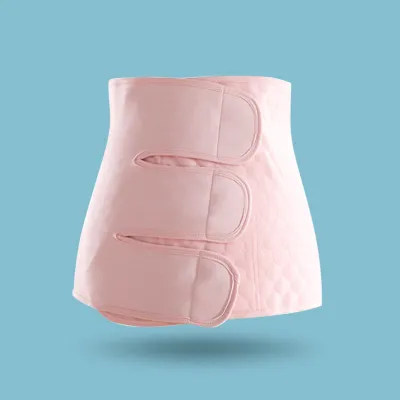
Prices are valid at publication and may change. Please refer to the product page for the latest price.
Identifying Your Specific Maternity Support Needs
Before exploring different brands, it is essential to pinpoint the exact nature of your physical discomfort. Pregnancy alters your posture as your uterus expands, causing the lower spine to curve forward—a condition known as lumbar lordosis. This postural shift frequently leads to lower back aches, as the surrounding muscles work overtime to keep you upright.
Additionally, the pregnancy hormone relaxin softens your ligaments, which can result in pelvic girdle pain (PGP) or symphysis pubis dysfunction (SPD). These conditions present as sharp or dull pains around the pelvic joint, hips, or groin, making daily activities like walking or climbing stairs challenging.
Your support requirements will naturally evolve as you move from the second trimester into the third. During the early second trimester, you might only experience mild abdominal heaviness or a gentle pulling sensation as your uterus rises. At this stage, a light, stretchy band is often sufficient to provide sensory comfort and gentle support.
By the third trimester, the sheer weight of the baby bump increases the mechanical load on your musculoskeletal system. This phase often demands structured, firm support to stabilize the pelvis and lift the lower abdomen, reducing the downward pressure on your pelvic floor.
While belly bands are highly effective for managing everyday discomfort, they are not a universal solution. If you are experiencing severe, localized pain, have a high-risk pregnancy, or are carrying multiples, it is crucial to consult your obstetrician, gynecologist, or a specialized women’s health physiotherapist before purchasing a firm, medical-grade support belt. A professional can help diagnose the underlying cause of your pain and recommend the precise level of stabilization required.
Key Features to Compare Across Belly Band Brands
When evaluating different maternity support brands available in Singapore, looking past marketing claims to analyze the physical specifications of each product is key. A well-designed band should offer a balance of comfort, durability, and functional support.

Material and Breathability Singapore’s tropical climate, characterized by high temperatures and relative humidity levels that frequently exceed 80%, makes fabric selection a primary consideration. Heavy, non-porous fabrics can trap sweat against your skin, leading to heat rash (miliaria), chafing, or contact dermatitis. Look for brands that utilize lightweight, moisture-wicking materials, such as bamboo-derived viscose, high-grade cotton blends, or engineered mesh panels. These fabrics facilitate airflow and help regulate your skin temperature, allowing you to wear the support comfortably during outdoor commutes or daily errands.
Adjustability and Fasteners Your body will continue to change rapidly throughout your pregnancy, meaning a support band must be highly adjustable to remain useful. Examine the quality of the hook-and-loop (Velcro) fasteners or adjustable straps. High-quality fasteners should grip firmly without slipping during movement, yet remain easy to peel apart when you need to adjust the tension. Look for brands that feature multi-panel adjustment systems, which allow you to tighten or loosen specific zones of the band independently to match the changing contours of your bump. Avoid cheap fasteners that fray quickly or have sharp, exposed edges that can scratch your skin or snag your clothing.
Support Mechanism Maternity bands generally fall into two categories based on their support mechanism: light compression and structured support. Light compression bands rely on the natural elasticity of the fabric to wrap around the abdomen, providing gentle upward lift and proprioceptive feedback (sensory awareness that helps you maintain better posture). In contrast, structured support bands feature reinforced panels, built-in plastic or flexible steel stays, or secondary tension straps. These elements physically distribute the weight of the bump away from your lower back and pelvic floor, transferring the load more evenly to your hips and upper pelvis.
Ease of Use A support band is only beneficial if you can put it on and adjust it without physical strain. As your bump grows, bending over or reaching awkwardly behind your back becomes increasingly difficult. Opt for designs that allow for straightforward, front-fastening adjustments. You should be able to put on, secure, and remove the band independently while standing or sitting comfortably. Slip-on tube styles are highly convenient for early pregnancy, while multi-strap heavy-duty belts should have clear, intuitive fastening sequences that do not require complex twisting.
Matching Band Types to Your Pregnancy Symptoms
To narrow down your choices, it helps to categorize maternity support products into three primary types, each tailored to address specific physical symptoms and activity levels.
Everyday Comfort and Light Compression Bands
These bands are typically designed as seamless elastic tubes that slide over your abdomen or fasten with minimal hardware. They are constructed from soft, highly stretchable fabrics like nylon-spandex or microfiber blends.
- Primary Function: Providing mild, all-over compression and a gentle lifting sensation for a growing bump.
- Best For: Mild abdominal fatigue, preventing skin-on-skin chafing under maternity dresses, and smoothing out clothing lines. They also serve as excellent extenders for your pre-pregnancy pants, helping to hold unzipped jeans securely in place during the transitional first and second trimesters.
- Limitations: They do not provide enough structural stabilization for moderate-to-severe pelvic girdle pain or significant lower back strain.
Firm Support and Pelvic Stability Belts
These are heavy-duty, multi-piece or highly structured belts engineered to address significant musculoskeletal pain. They frequently combine a wide back panel with narrower, adjustable side straps and non-slip silicone grips along the inner lining to prevent the belt from riding up.
- Primary Function: Stabilizing the pelvic ring and unloading weight from the pubic symphysis and sacroiliac joints.
- Best For: Managing diagnosed conditions such as symphysis pubis dysfunction (SPD), severe sacroiliac joint pain, or intense lower back aches during prolonged standing or walking.
- Limitations: Due to their rigid structure, they can feel bulky under tight-fitting clothing and may restrict deep sitting postures. They should be adjusted carefully to avoid excessive pressure on the pelvic floor.
Active Wear and Exercise Support Bands
Designed specifically for pregnant individuals who maintain an active lifestyle, these bands are optimized for movement, prenatal fitness, and outdoor activities.
- Primary Function: Minimizing "bump bounce" and stabilizing the core during dynamic movements without restricting breathing or circulation.
- Best For: Prenatal yoga, brisk walking, light jogging, or low-impact gym workouts. They are made from high-performance, sweat-resistant, and quick-drying fabrics that maintain their elasticity even when wet.
- Limitations: While excellent for dynamic support, they may not offer the targeted, rigid immobilization needed for severe pelvic joint instability during resting periods.
Trusted Purchasing Channels in Singapore
Sourcing your maternity support belt from reputable, authorized channels in Singapore ensures you receive an authentic product made from safe, non-toxic materials with reliable build quality.
Physical Maternity Boutiques and Baby Stores Visiting specialized physical retail stores in Singapore is highly recommended, especially if you are purchasing a support band for the first time. Maternity boutiques and large baby specialty department stores allow you to physically feel the weight and texture of the fabrics, which is crucial for assessing breathability. More importantly, many of these stores have trained staff who can assist you with sizing, demonstrate how to adjust the straps correctly, and allow you to try on different models to see which style feels most comfortable against your body.
Local Pharmacy Chains and Healthcare Suppliers If you require a medical-grade or orthopedic maternity belt to manage severe pelvic or back pain, local pharmacy chains and specialized healthcare suppliers are excellent resources. These outlets often carry brands that are clinically designed and recommended by physiotherapists. Sourcing from a physical pharmacy or medical supply store allows you to consult with a pharmacist or healthcare assistant who can guide you toward products that meet clinical standards for joint stabilization.
Official Brand Stores on E-commerce Platforms If you prefer the convenience of online shopping, it is vital to navigate digital marketplaces carefully to avoid counterfeit products or low-quality imitations. Always purchase directly from official brand flagship stores or authorized local distributors on your preferred ecommerce platforms. Verify that the seller has a clear, flexible return or exchange policy, as maternity sizing can be unpredictable and you may need to swap your band for a different size. Read through verified buyer reviews, paying close attention to feedback regarding how well the elastic holds up after multiple washes and whether the Velcro remains secure over weeks of continuous use.
How to Wear and Adjust Your Belt Safely
Using a pregnancy belly band correctly is essential to maximize physical relief while ensuring the safety and comfort of both you and your baby. Misplacement or excessive tightness can restrict blood flow, cause skin irritation, or put unnecessary pressure on your uterus.
Proper Positioning To position the band correctly, start by placing the widest part of the support panel low on your lower back or hips, depending on the design. Bring the front straps forward and fasten them low under your baby bump, right above the pubic bone. The band should act as a supportive cradle, lifting the abdomen upward and back toward your spine, rather than compressing or squeezing directly across the middle of your belly.
The Tightness Check Once the band is fastened, perform the simple “two-finger rule” to verify the fit. Slide two fingers flat between the band and your skin at the front, sides, and back. The band should feel comfortably snug—similar to a firm, supportive hug—but your fingers should be able to slide in without pinching. If you feel any restriction in your breathing, or if the band leaves deep red marks on your skin after removal, it is too tight and must be loosened immediately.
Wear Time Limits While a belly band can provide immense relief, it is not designed for continuous, round-the-clock wear. Relying on an external support for too long can cause your core abdominal and spinal stabilizing muscles to become “lazy” or dependent, potentially weakening them over time. As a general guideline, limit your wear time to 2 to 4 hours per session, focusing on periods of high physical activity, prolonged standing, or walking. Take regular breaks to let your muscles engage naturally and to allow your skin to breathe.
Warning Signs You should always listen to your body’s signals when wearing any maternity support. Remove the belly band immediately and consult your healthcare provider if you experience any of the following warning signs:
- Numbness, tingling, or a "pins and needles" sensation in your legs, hips, or pelvic region.
- An increase in physical pain or a sharp, localized ache.
- Shortness of breath, dizziness, or lightheadedness.
- Skin redness, persistent itching, or a rash developing under the band.
- Any noticeable change or reduction in your baby's movements.
Frequently Asked Questions (FAQ)
Is it safe to wear a belly band all day?
No, wearing a belly band continuously all day is generally not recommended. Prolonged use can lead to muscle dependency, where your deep core and back muscles rely on the band for stability instead of working naturally, which can weaken them over time. It is best to wear the band selectively during activities that trigger discomfort—such as grocery shopping, walking, or doing household chores—and to remove it when you are resting, sitting for long periods, or sleeping.
Can a maternity belt help with round ligament pain?
Yes, a maternity belt can help alleviate round ligament pain by providing gentle upward compression and lifting the weight of the uterus. This support reduces the sudden, sharp pulling sensations on the ligaments that support your womb, especially during movements like standing up, walking, or turning. However, if you experience sudden, severe, or persistent abdominal pain that does not subside after resting and removing the belt, you should contact your obstetrician immediately.
How should I clean my belly band to maintain its elasticity?
To preserve the elastic fibers and maintain the grip of the fasteners, always secure all hook-and-loop (Velcro) straps before washing to prevent them from snagging the fabric. Hand-wash the band in cold water using a mild, hypoallergenic laundry detergent. If you prefer using a washing machine, place the secured band inside a mesh laundry bag and select a delicate, cold-water cycle. Always air-dry the band flat in a shaded area; avoid using a tumble dryer, fabric softeners, or bleach, as high heat and harsh chemicals will rapidly degrade the elastic and compromise its supportive properties.
Community discussion
Share your experience or ask a question. Comments are reviewed before publication.