
Pregnancy brings about remarkable physical transformations, but the accompanying shifts in your center of gravity can introduce unfamiliar physical strains. A pregnancy belly band is designed to alleviate these discomforts by distributing weight more evenly across your abdomen and lower back. However, because your body changes significantly from the early weeks of gestation to the final days before delivery, a single support garment rarely suffices for the entire journey. Finding the right brand and style requires understanding how your anatomical needs shift during each trimester.
By selecting a maternity support garment tailored to your specific stage of pregnancy, you can maintain your mobility, reduce muscle fatigue, and manage common discomforts like round ligament pain or pelvic girdle instability. Whether you are looking for light, everyday smoothing in your first trimester or heavy-duty pelvic lift in your third, matching the design features of specialized brands to your physical symptoms is key to staying comfortable.
How Your Support Needs Shift Across Trimesters
During the first trimester, physical changes are often subtle on the outside but highly noticeable on the inside. Early hormonal fluctuations, particularly the rise of progesterone and relaxin, can cause bloating, mild pelvic instability, and a general feeling of heaviness. At this stage, your uterus is still relatively small and nestled within the pelvis, meaning you do not yet require heavy lifting or structural support. Instead, the primary need is for gentle, non-restrictive comfort that accommodates early bloating and provides a soothing, reassuring layer around your lower abdomen.
Products mentioned in this guide
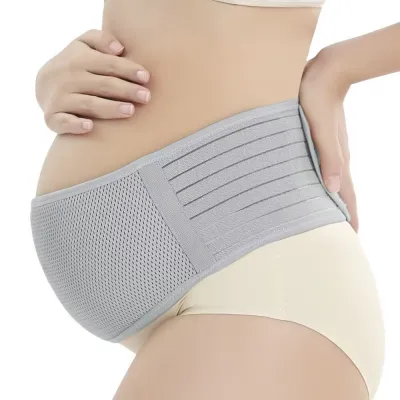
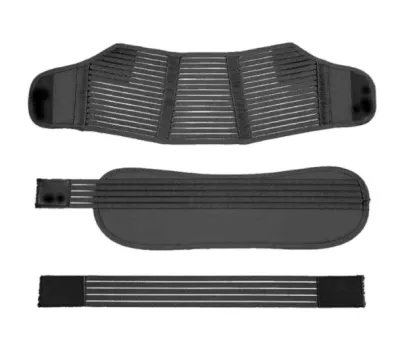
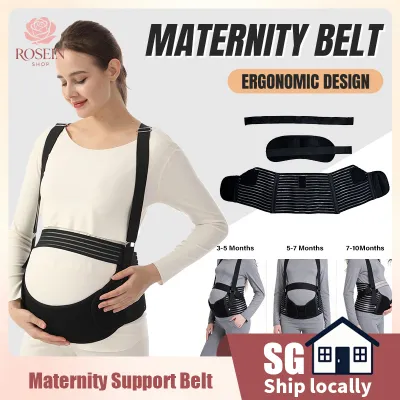
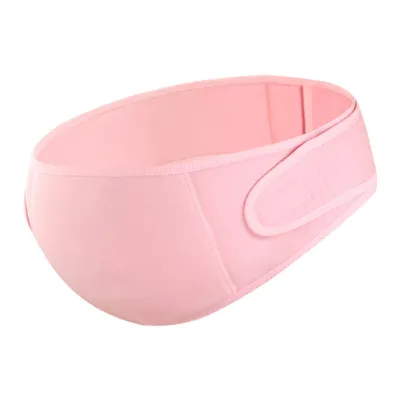
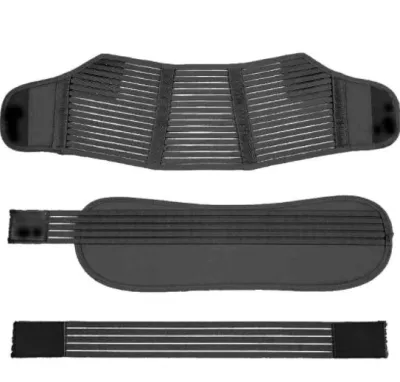
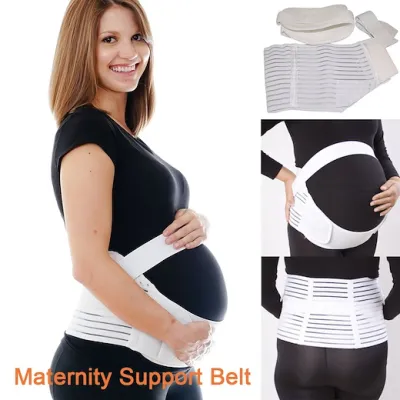
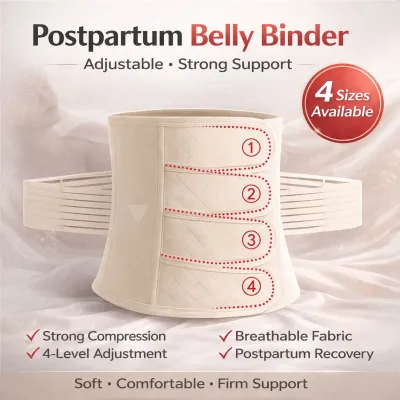
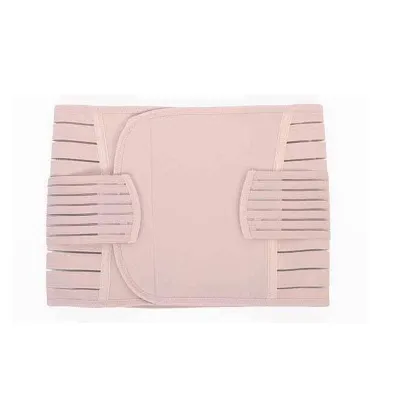
Prices are valid at publication and may change. Please refer to the product page for the latest price.
As you transition into the second trimester, your baby bump begins to grow rapidly, shifting your center of gravity forward. This structural change pulls your pelvis into an anterior tilt, which can place sudden, increased strain on your lower back muscles and initiate round ligament pain. Your support needs now shift from simple comfort to transitional lift. You require a garment that can support the weight of the growing uterus from underneath while stabilizing the lumbar spine, without digging into your skin or rolling down as you move throughout the day.
By the third trimester, the physical demands of pregnancy reach their peak. The sheer weight of the baby, amniotic fluid, and placenta places immense pressure on your pelvic floor, hips, and lower back. Conditions such as pelvic girdle pain (PGP), symphysis pubis dysfunction (SPD), and severe lower back strain become much more common. At this point, lightweight fabrics and simple sleeves are no longer sufficient. You need heavy-duty, highly structured support that physically lifts the abdomen, redistributes weight to the hips, and stabilizes the pelvic ring to facilitate basic mobility and comfortable walking.
What to Look for in a Maternity Support Brand
When evaluating different maternity support brands, several critical factors should guide your decision to ensure the product performs well under daily wear. In Singapore’s hot and humid tropical climate, fabric breathability and moisture-wicking properties are paramount. Standard synthetic bands can trap heat and sweat, leading to skin irritation, heat rashes, or general discomfort. Look for brands that prioritize lightweight mesh panels, high-performance bamboo-derived viscose, or breathable cotton blends that allow air circulation and keep your skin dry during outdoor commutes or active daily routines.

Adjustability is another essential criterion for any high-quality belly band brand. Your body shape changes week by week, meaning a fixed-size garment will quickly become either too loose to provide support or too tight to wear safely. Trusted brands design their products with wide, high-quality hook-and-loop fasteners, dual-layer tension straps, or highly elasticized panels that allow you to customize the level of compression and lift as your bump expands. This adjustability ensures the band remains supportive without putting excessive pressure on your abdomen.
Material safety and structural integrity must also be verified before purchasing. Because these garments are worn close to the skin for extended periods, check product labels for hypoallergenic materials and verify any certifications directly with the manufacturer. Additionally, consider the practical ease of use; a support band should be straightforward to put on, adjust, and remove independently, particularly when you need to use the restroom frequently in the later stages of pregnancy.
Best Belly Band Brands for First Trimester Comfort
In the first trimester, the goal of a support garment is to provide subtle, soothing comfort rather than structural lifting. Many women experience bloating and mild abdominal tenderness, making tight or rigid bands highly uncomfortable. For this early stage, look for brands that specialize in seamless, pull-on maternity sleeves or lightweight, single-layer wrap bands. These products are designed to slide over your unbuttoned pre-pregnancy pants, helping to keep them in place while offering a smooth, continuous layer of light compression that gently supports your changing midsection.
Pull-on maternity bands, often called belly sleeves, offer the distinct advantage of being completely seamless and virtually invisible under fitted clothing. They are highly versatile, serving as a bridge garment that allows you to wear your regular wardrobe longer. However, they provide very low structural support and may slide or roll up if they lack silicone grip strips along the hems. Single-layer wrap bands, on the other hand, offer slightly more adjustability via low-profile closures, but they can sometimes add bulk under thin summer fabrics.
When evaluating first-trimester options from reputable maternity brands, keep a simple checklist in mind:
- Seamless construction: Minimizes friction and prevents chafing on sensitive skin.
- High stretch recovery: Ensures the fabric bounces back to its original shape after washing and does not sag over the course of the day.
- No rigid boning: Avoid any vertical plastic or metal stays, as these can press uncomfortably into your abdomen when sitting.
- Soft, rolled edges: Prevents the fabric from digging into your hips or under your ribs.
While these lightweight bands are excellent for early comfort and extending your wardrobe, they have clear limitations. They do not possess the structural integrity required to lift a heavy, late-second or third-trimester bump. Attempting to use a simple pull-on sleeve to manage severe lower back or pelvic pain in later months will likely result in inadequate support and continued discomfort.
Top Belly Band Brands for Second Trimester Transition
As you enter the second trimester, your physical support requirements become more pronounced. The baby bump is now clearly defined, and your body’s center of gravity is shifting, which can lead to early-onset lumbar strain. For this transitional phase, look for brands that offer dual-layer designs or wide, adjustable wrap belts. These brands focus on providing a combination of abdominal lift and lumbar stabilization, helping to redistribute the weight of your growing bump back toward your spine and hips.
A dual-layer design typically features an inner band that gently cradles the lower abdomen, paired with outer tension straps that can be tightened or loosened to adjust the level of support. This setup is highly beneficial during the second trimester, as it allows you to increase the tension as your bump grows larger and heavier. Brands specializing in these transitional wraps often incorporate wide back panels to cover the lumbar region, helping to prevent the band from digging into your flesh or rolling down when you sit or bend over.
To ensure a transitional band meets your daily needs, prioritize the following features:
- Wide back panels: Distributes pressure across a larger surface area of the lower back to relieve muscle fatigue.
- Adjustable side tabs: Allows you to fine-tune the support on each side, accommodating asymmetrical pelvic discomfort.
- Non-slip interior surfaces: Look for brands that use textured fabrics or hypoallergenic silicone strips to keep the band securely in place during physical activity.
- Contoured front panels: The front of the band should curve naturally under your bump to provide upward lift without compressing the upper abdomen.
The primary limitation of these transitional, dual-layer bands is their physical profile. Because they utilize multiple layers of fabric and hook-and-loop closures to achieve adjustable support, they are naturally thicker and more structured than first-trimester sleeves. Consequently, they may be visible under tight or lightweight clothing. However, the trade-off in physical comfort and back pain relief is generally well worth the slightly increased bulk under your wardrobe.
Most Supportive Belly Band Brands for the Third Trimester
During the third trimester, the sheer physical weight of your pregnancy demands maximum support. This is the stage where pelvic girdle pain, symphysis pubis dysfunction, and round ligament strain can significantly limit your mobility. To manage these symptoms, focus on brands that specialize in orthopedic maternity belts, multi-strap cradle designs, or heavy-duty adjustable suspender systems. These brands engineer their products to lift the heavy abdomen upward and backward, transferring the load away from your pelvic floor and lower back.
Orthopedic and multi-strap designs often feature a three-part support system: a lower abdominal band to lift the bump, a wide lumbar support belt to stabilize the lower spine, and an upper strap that runs over the top of the bump to keep the entire system securely in place. Some heavy-duty brands even incorporate shoulder straps or suspenders to transfer a portion of the weight directly to your upper body, which can provide immense relief if you suffer from severe pelvic instability or are carrying multiples.
Proper positioning is critical when wearing a heavy-duty third-trimester support band. The primary band must always be positioned low, resting snugly under your bump rather than directly over it. Placing the band too high can compress the uterus, restrict blood flow, and exacerbate common pregnancy symptoms like acid reflux or shortness of breath. The band should act as an external sling, gently lifting the weight upward toward your hips and lower back.
While these heavy-duty orthopedic bands offer unmatched physical relief, they come with specific limitations. They are highly structured, thick, and difficult to conceal under standard clothing, making them best suited for wear under loose-fitting garments or dresses. Additionally, because they provide such robust external support, they should not be worn continuously. Overusing a highly supportive band can cause your core and pelvic floor muscles to become inactive, potentially weakening them over time. Instead, these bands should be worn during active periods and removed during rest.
Comparing Trimester-Specific Belly Band Features
To help you quickly identify the structural differences and design intents of various maternity bands, the following table summarizes the key features to verify based on your current stage of pregnancy.
| Trimester | Primary Support Goal | Ideal Band Style | Key Features to Verify | Best Worn For |
|---|---|---|---|---|
| First Trimester | Mild compression, bloating relief, and wardrobe extension | Seamless pull-on sleeve or lightweight single-layer wrap | Soft, seamless edges; high stretch recovery; absence of rigid boning | All-day light wear, light daily activities, and smoothing under clothing |
| Second Trimester | Transitional abdominal lift and lower back stabilization | Dual-layer wrap belt or wide adjustable band | Wide lumbar panel; adjustable side tabs; non-slip interior lining | Active days, moderate walking, working, and light physical exercise |
| Third Trimester | Maximum weight distribution and pelvic girdle pain relief | Orthopedic multi-strap belt or cradle-support design | Cross-back straps; rigid, padded lumbar support; secure hook-and-loop closures | Standing for long periods, walking, and targeted pain relief during activity |
Safe Usage, Fit Checks, and When to Consult a Doctor
While pregnancy belly bands are highly effective tools for managing physical discomfort, using them safely requires adhering to proper fit guidelines and usage limits. To verify that your band is fitted correctly, perform the “two-finger rule.” Once the band is secured under your bump, you should be able to slide two fingers comfortably between the fabric and your skin. If the band feels restrictive, leaves deep indentations on your skin, or makes it difficult to take deep breaths, it is too tight and must be loosened immediately to prevent compression of the uterus and major blood vessels.
To maintain your natural core strength, avoid wearing any structured or heavy-duty support band 24/7 or while sleeping. Continuous reliance on an external support garment can cause your abdominal and deep back muscles to become inactive, which can lead to muscle deconditioning and worsened pain once the band is removed. Limit your wear-time to intervals of two to three hours at a time, specifically during periods of physical activity, standing, or walking. When you are sitting down to rest or lying down, remove the band to allow your muscles to engage naturally and to promote optimal blood circulation.
There are several warning signs that indicate you should immediately remove your belly band and seek medical attention. If you experience any of the following symptoms while wearing or after using a support garment, stop use immediately and contact your obstetrician:
- An increase in uterine contractions or cramping
- A noticeable reduction in fetal movement
- Numbness, tingling, or a "pins and needles" sensation in your legs, hips, or pelvic region
- Worsened or sharp pain in your abdomen, back, or pelvis
- Skin irritation, severe itching, or rashes under the band area
Always remember that maternity belly bands are supportive aids designed to manage temporary discomfort, not medical treatments for underlying structural issues. If you have a high-risk pregnancy, are carrying multiples, have a history of pre-eclampsia, or suffer from severe pelvic floor dysfunction, you must consult your obstetrician, gynecologist, or a specialized pelvic floor physiotherapist before introducing a support garment into your daily routine. They can provide personalized recommendations on the specific style of support that is safe for your unique physiological profile.
Frequently Asked Questions (FAQ)
Can I wear a pregnancy belly band while sleeping?
It is generally not recommended to wear a structured, compressive, or heavy-duty pregnancy belly band while sleeping. When you lie down, the gravitational pull on your bump changes, reducing the need for upward lift. Wearing a supportive band while sleeping can restrict your blood circulation, limit your natural breathing patterns, and cause overheating, especially in humid climates. If you require mild physical support or alignment while resting, a specialized, ultra-soft, non-compressive sleep band or a contoured maternity body pillow is a much safer and more comfortable alternative. Always consult the specific manufacturer’s usage instructions for your garment.
Should I wear a belly band all day during the third trimester?
No, you should avoid wearing a heavy-duty support band continuously all day, even during the physically demanding third trimester. Wearing a highly structured band for extended, uninterrupted periods can cause your core, back, and pelvic floor muscles to rely entirely on the garment for stability, which can weaken these muscles over time. Instead, use the band strategically during activities that typically trigger discomfort, such as grocery shopping, walking, standing for long periods, or doing light household chores. Remove the band when you are sitting, resting, or lying down to ensure your muscles continue to work and maintain their strength.
Community discussion
Share your experience or ask a question. Comments are reviewed before publication.