
Selecting the right postpartum belt is a crucial decision for new mothers navigating the physical transition after childbirth. In Singapore, where the tropical climate and specific cultural confinement practices shape the recovery experience, finding a supportive garment requires balancing structural efficacy with daily comfort. A well-designed postpartum belt helps stabilize the pelvis, support the lower back, and provide gentle compression to the abdominal region as your body begins its natural healing process.
To find the best brand for your recovery, you must look beyond marketing claims of instant slimming. Instead, prioritize evaluating breathable materials suitable for local humidity, ease of independent adjustability, and structural safety. This guide outlines the physiological role of postpartum compression, the key features to verify when comparing local and international brands, and the essential safety protocols to protect your pelvic floor and overall health.
Understanding Postpartum Belts and Post-Delivery Recovery
During pregnancy, your body undergoes significant musculoskeletal changes. The hormone relaxin softens ligaments and joints to facilitate birth, while the expanding uterus stretches the abdominal muscles—particularly the rectus abdominis—and alters your center of gravity. Post-delivery, this leaves the core muscles and pelvic girdle temporarily weakened and unstable. The primary function of a postpartum belt is to provide external support to these vulnerable areas, helping to stabilize the pelvis, reduce lower back strain, and offer gentle compression that assists with posture and mobility during the initial weeks of healing.
Products mentioned in this guide
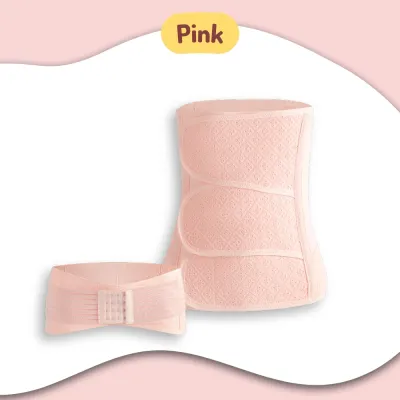
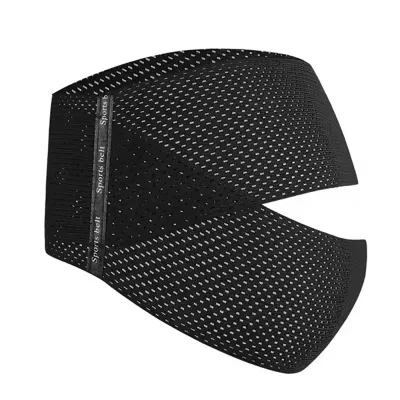
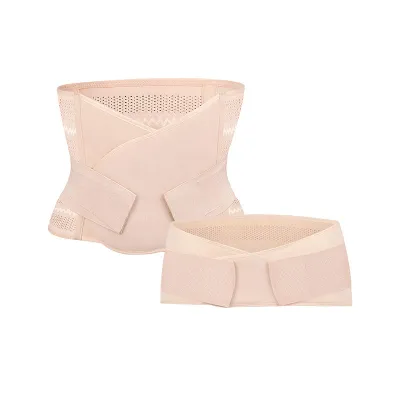
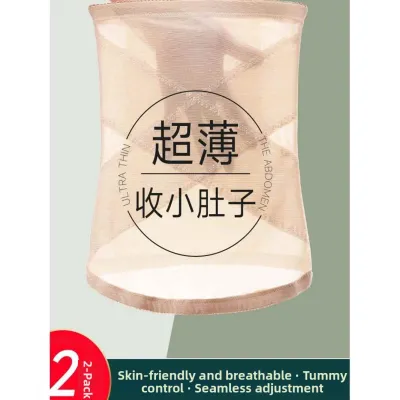
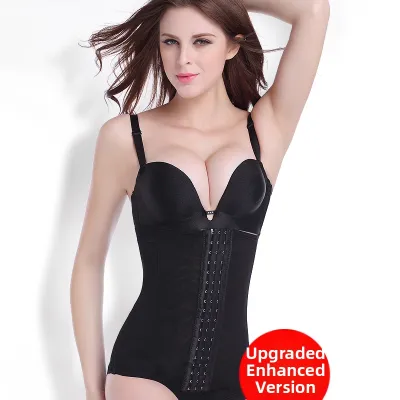
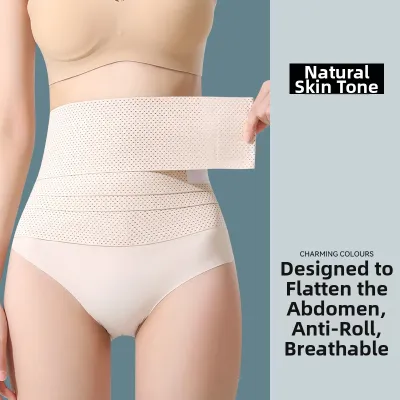
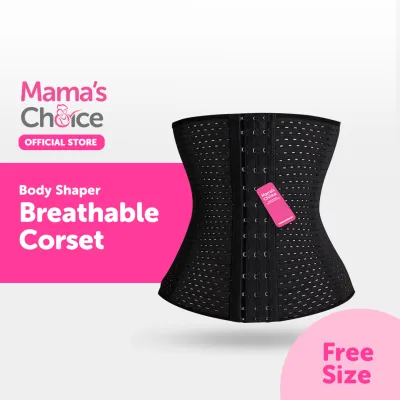
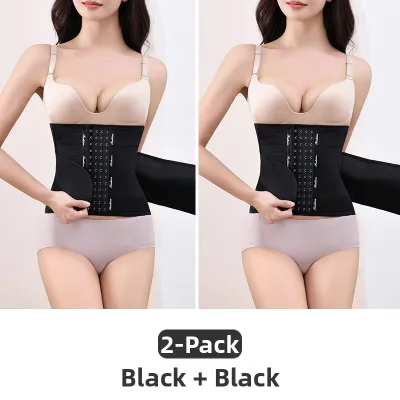
Prices are valid at publication and may change. Please refer to the product page for the latest price.
It is vital to distinguish these supportive benefits from common misconceptions surrounding postpartum wraps. A postpartum belt is not a weight-loss tool, nor can it cause permanent spot reduction or burn abdominal fat. Active fat loss and tissue remodeling require systemic metabolic changes, healthy nutrition, and progressive physical rehabilitation. Relying on a belt under the assumption that tight compression will physically force your waist back to its pre-pregnancy shape is not only anatomically incorrect but can also place dangerous, counterproductive pressure on your internal organs and pelvic floor.
Because every delivery is unique, the timeline for introducing a postpartum belt varies significantly. For an uncomplicated vaginal delivery, some mothers may feel comfortable wearing a light, supportive wrap within the first few days post-birth, while others prefer to wait a week or two until initial soreness subsides. There is no universal schedule. Your individual healing rate, comfort levels, and any delivery-related complications must dictate when you begin.
Before purchasing or wearing any compression garment, obtaining explicit clearance from your obstetrician, gynecologist, or midwife is a critical safety step. A healthcare professional can evaluate your specific recovery status, ensuring that external compression will not interfere with uterine involution, exacerbate pelvic floor dysfunction, or irritate healing tissues. If you experienced complications such as severe perineal tearing, high blood pressure, or pelvic instability, professional guidance is even more paramount to prevent further injury.
Key Features to Evaluate When Choosing a Brand
Material and Breathability
Singapore’s year-round hot and humid climate, with relative humidity levels frequently exceeding 80 percent, makes fabric selection a primary consideration. Non-breathable, heavy synthetic materials trap heat and sweat close to the skin, creating an ideal environment for contact dermatitis, heat rashes (miliaria), and fungal or bacterial infections. When evaluating brands, look for lightweight, moisture-wicking, and highly breathable fabrics. Materials such as specialized bamboo viscose blends, open-weave mesh panels, and hypoallergenic organic cotton are excellent choices that allow air circulation and minimize skin friction.

Adjustability and Fit
Your postpartum body will change shape rapidly over the first six to eight weeks as swelling decreases and your uterus contracts. A rigid, non-adjustable binder or a garment with a fixed closure system will quickly become either too loose to provide support or too tight to wear safely. Choose brands that offer highly adjustable closure systems, such as multi-panel Velcro wings or double-compression bands. These features allow you to customize the level of tension across different zones of your torso—such as applying firmer support around the pelvis and lighter compression over the upper abdomen.
Medical and Safety Certifications
Because these garments sit in direct contact with sensitive skin for hours at a time, verifying product safety standards is essential. Look for brands that display recognized textile certifications on their packaging or official websites, such as the OEKO-TEX Standard 100, which indicates the fabric has been tested for harmful substances. If a brand claims to offer medical-grade orthopedic support, check whether their products are registered or classified with relevant health authorities, such as Singapore’s Health Sciences Authority (HSA) or equivalent international regulatory bodies. Always verify these compliance details directly rather than relying solely on promotional descriptions.
Ease of Use
In the early weeks of motherhood, your physical mobility may be limited, and you will frequently find yourself managing newborn care independently. A postpartum belt that requires complex wrapping techniques, multiple steps, or another person’s assistance to put on can quickly become a source of frustration and may end up unused. Prioritize designs that you can easily wrap, adjust, and fasten by yourself while standing or sitting. Smooth, intuitive fastening mechanisms ensure you can quickly remove the belt for bathroom breaks or adjustments throughout the day without unnecessary physical strain.
Types of Postpartum Belts and What Brands Typically Offer
Modern Adjustable Velcro Wraps
Modern adjustable Velcro wraps are among the most popular designs available in Singapore’s maternity stores and online marketplaces. These belts typically feature a wide, structured back panel—sometimes reinforced with flexible plastic boning—paired with overlapping elastic wings that fasten securely in the front. This structure is specifically engineered to provide targeted lumbar support and gentle abdominal compression, helping to stabilize the lower back and pelvis during daily movements.
- Advantages: Highly customizable tension levels, straightforward independent application, and ease of adjustment as your body shape changes. They can be quickly loosened before meals or tightened when standing for longer periods.
- Limitations: The structured panels and Velcro closures can be bulky and noticeable under thin, lightweight summer clothing. Additionally, the stiff edges of the belt may dig into your skin or bunch up when you sit down, requiring frequent repositioning.
- What to Verify: When choosing a brand that offers Velcro wraps, carefully review their specific sizing charts. Measuring your post-delivery hips and abdomen—rather than relying on your pre-pregnancy size—is essential, as a wrap that is too small will not close securely, while one that is too large will overlap excessively and lose its compression efficacy.
Traditional Binders and Wraps
Traditional binding methods, often associated with regional postpartum confinement practices such as Malay Jamu wrapping or traditional Chinese medicine (TCM) care, utilize long, continuous strips of non-elastic cotton or linen fabric. These wraps are wound meticulously around the torso, starting from the mid-thigh or hips and extending up to just below the bust, to distribute pressure evenly across the lower body.
- Advantages: Provides exceptionally uniform, gap-free compression over a large surface area. By wrapping from the hips upward, it offers excellent pelvic and hip stabilization without creating localized pressure spikes.
- Limitations: These wraps have a steep learning curve and are nearly impossible to apply tightly and evenly by yourself, usually requiring the assistance of a trained confinement nanny or therapist. Furthermore, the entire wrap must often be undone or carefully maneuvered to use the bathroom, making it less practical for independent daily wear.
- What to Verify: Many modern maternity brands in Singapore offer updated versions of traditional wraps, featuring pre-shrunk cotton fabrics, simplified fastening loops, or integrated guides to make self-wrapping easier. If you choose a traditional wrap, verify whether the brand provides comprehensive instructional resources or professional application services during your confinement period.
Pull-On Postpartum Shapewear
Pull-on postpartum shapewear includes high-waisted briefs, shorts, or full bodysuits made from highly elasticized synthetic fabrics like nylon and elastane. Unlike rigid belts, these garments are designed to slide up over the hips to provide uniform, light-to-moderate compression across the entire midsection.
- Advantages: Virtually invisible under fitted clothing, lightweight, and highly breathable. They do not have stiff panels or Velcro edges that can scratch the skin or restrict movement, making them comfortable for extended wear.
- Limitations: They lack the rigid, targeted structural support required to relieve severe lower back pain or stabilize a highly unstable pelvis in the immediate postpartum phase.
- When to Introduce: These garments are generally best introduced during the later stages of recovery—typically six to eight weeks post-delivery—once your initial healing is complete and you have regained basic core stability. Wearing high-compression pull-on garments too early can apply continuous, unyielding downward pressure on a healing pelvic floor, which can delay recovery or worsen pelvic floor issues.
Safe Usage, Hygiene, and Care in a Tropical Climate
To maximize the benefits of a postpartum belt while protecting your skin and physical health, establishing a safe daily routine is essential. Adhering to proper wearing protocols, maintaining strict hygiene, and monitoring your body’s response will help prevent common complications associated with compression garments in a warm climate.
- Wearing Protocol: Always wear your postpartum belt over a thin, breathable layer of clothing, such as a soft cotton camisole or t-shirt. This simple step creates a protective barrier that absorbs sweat, reduces direct friction, and prevents the belt's edges or Velcro from chafing sensitive skin. Never wear a compression belt while sleeping; your body requires unrestricted circulation, deep diaphragmatic breathing, and complete muscular relaxation to recover effectively overnight.
- Tightness Check: To ensure your belt is adjusted safely, perform a simple self-check. Once the belt is fastened, take a deep diaphragmatic breath; you should be able to expand your lungs and abdomen fully without feeling restricted or short of breath. Next, sit down in a supportive chair. The belt should feel like a firm, reassuring hug around your midsection—it should not pinch your groin, dig painfully into your ribs, or force you into an unnaturally rigid, stiff posture. If it restricts your breathing or causes discomfort when sitting, loosen it immediately.
- Hygiene and Washing: Singapore’s high humidity accelerates sweat production, which can cause bacteria, yeast, and fungi to accumulate rapidly on the fabric of your belt. Wash the garment regularly in accordance with the manufacturer's care label. Most high-quality belts require gentle hand washing in cold water with a mild, hypoallergenic laundry detergent, followed by air-drying in a well-ventilated, shaded indoor area. Avoid using a clothes dryer or exposing the belt to direct, harsh sunlight unless the manufacturer explicitly states it is safe, as high heat can degrade elastic fibers and warp structural panels.
- Skin Monitoring: Make it a habit to inspect your skin daily when removing the belt. Pay close attention to areas of high friction, such as the waistline, hips, and lower back. Look for localized redness, chafing, small itchy bumps (heat rash), or signs of an allergic reaction to the fabric. If you observe any skin irritation, discontinue using the belt immediately, keep the affected skin clean and dry, and consult a healthcare professional if the rash does not resolve within a few days.
Red Flags: When to Stop and Consult a Healthcare Professional
While a postpartum belt should provide comfortable support, it must never cause pain, physical distress, or functional issues. Understanding the warning signs that indicate a garment is causing harm—or that your body requires professional medical intervention—is vital for a safe recovery.
Discontinue using your postpartum belt immediately and consult your doctor, obstetrician, or a qualified healthcare professional if you experience any of the following immediate stop-use signals:
- Sharp, stabbing, or worsening abdominal or pelvic pain
- Numbness, tingling, or a "pins and needles" sensation in your legs, groin, or pelvic region
- Difficulty taking a full, deep breath or a feeling of chest tightness
- A sudden, noticeable increase in vaginal bleeding (lochia) or a return to bright red bleeding after it had begun to fade
- Dizziness, lightheadedness, or nausea while wearing the garment
These symptoms are clear indicators that the belt is applying excessive or improper pressure, restricting essential blood circulation, or interfering with your body’s natural healing processes.
Applying a postpartum belt too tightly in an attempt to flatten the stomach creates high intra-abdominal pressure. If your pelvic floor muscles are already weakened or damaged from pregnancy and childbirth, this downward pressure can have serious consequences. It can exacerbate or contribute to pelvic organ prolapse—a condition where the bladder, uterus, or bowel sags into the vaginal canal. Excessive pressure can also hinder the recovery of diastasis recti (the separation of the abdominal muscles) by forcing the abdominal wall outward and preventing the deep core muscles from engaging and strengthening naturally.
Remember that a postpartum belt is a temporary external support tool; it cannot replace active muscle function or rebuild core strength. If you experience persistent lower back pain, a feeling of heaviness or bulging in your pelvic floor, involuntary leaking of urine when coughing, sneezing, or lifting, or a visible “doming” or cone-like ridge along the center of your abdomen when sitting up, do not rely on a belt to resolve these issues. Instead, seek a comprehensive evaluation from a women’s health physiotherapist or your obstetrician. These specialists can design a personalized pelvic floor and core rehabilitation program to help your body rebuild its internal strength safely and permanently.
Frequently Asked Questions (FAQ)
Can I wear a postpartum belt after a C-section?
Yes, you can wear a postpartum belt after a Cesarean delivery, but you must adhere to strict safety conditions. Specialized post-C-section binders are designed to help stabilize the abdomen, protect the surgical incision from sudden movements, and reduce pain when coughing or laughing. However, you must obtain explicit approval from your attending surgeon or obstetrician before wearing one. It is crucial to select a belt made of soft, non-abrasive materials that do not rub against, pinch, or apply direct, heavy pressure to the healing incision site. You must also inspect your C-section wound daily; if you notice any signs of infection—such as increased redness, swelling, warmth, persistent oozing, or if you develop a fever—stop using the belt immediately and seek urgent medical attention.
How many hours a day should I wear a postpartum belt?
There is no universal rule for daily wear duration, but a gradual, moderate approach is safest. Most healthcare professionals recommend starting by wearing the belt for short intervals of two to four hours during active periods of the day, such as when you are standing, walking, or holding your baby. You should take regular, extended breaks throughout the day to allow your skin to breathe, prevent sweat buildup, and encourage your deep core muscles to engage and work naturally without relying on external support. Avoid wearing the belt continuously all day, and never wear it to sleep. Always consult and follow the specific daily time limits, guidelines, and safety warnings provided in your product’s manufacturer instructions.
Community discussion
Share your experience or ask a question. Comments are reviewed before publication.