
Selecting the best portable kids play mat for outdoor use in Singapore requires balancing thermal insulation, moisture resistance, and effortless portability. Because Singapore’s tropical climate features high humidity, sudden heavy downpours, and intense daytime heat, standard indoor play mats are rarely suitable for outdoor environments. Parents need a dedicated outdoor solution that can withstand damp grass at the Singapore Botanic Gardens or fine sand at East Coast Park while remaining light enough to carry on public transport.
Choosing the right mat involves evaluating materials like TPU, PE foam, or Oxford fabric, understanding transport constraints, and verifying safety certifications. Caregivers must match the mat’s specifications to their child’s developmental stage—such as providing high-impact cushioning for crawling infants or opting for ultra-compact rollable designs for older toddlers. Always prioritize active caregiver supervision during outdoor play, and consult the manufacturer’s documentation for specific age recommendations, weight limits, and safety warnings.
What to Look for in an Outdoor Play Mat for Singapore's Climate
Singapore’s tropical climate presents unique environmental challenges that can rapidly degrade low-quality play mats. To ensure your selected mat performs well in local parks and coastal areas, you must evaluate several climate-specific criteria before making a purchase.
Products mentioned in this guide
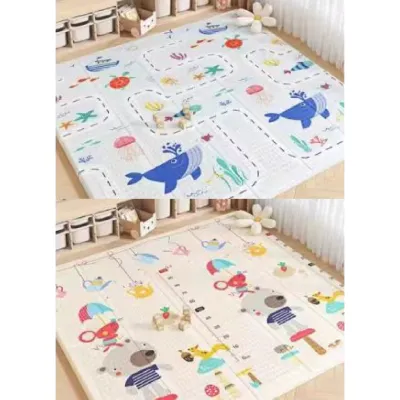
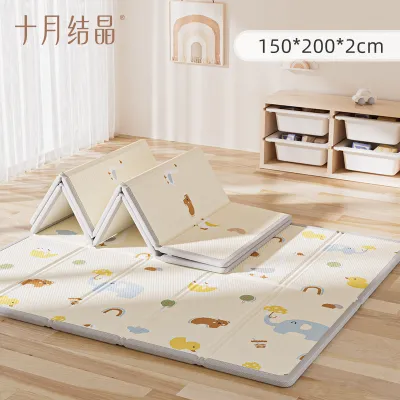
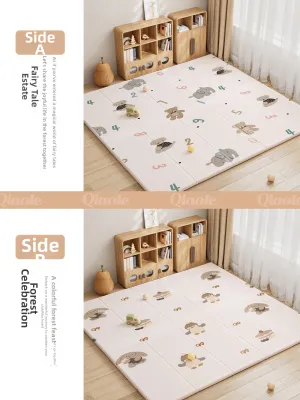
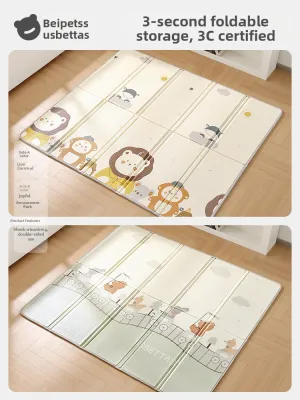
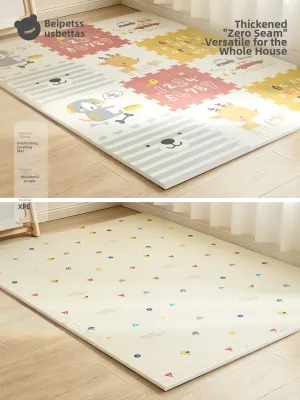
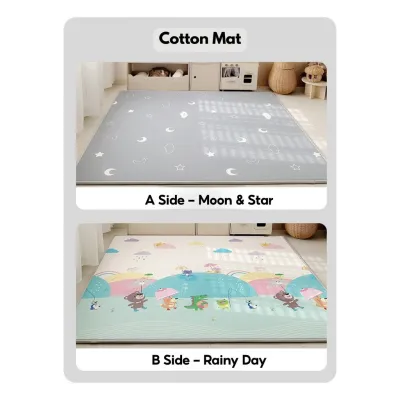
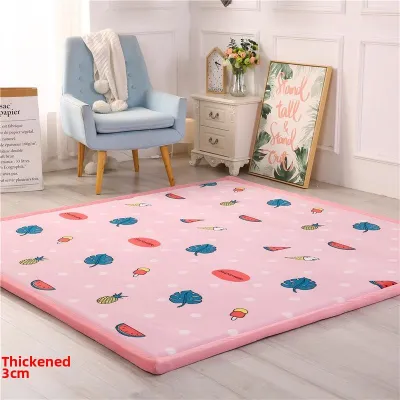
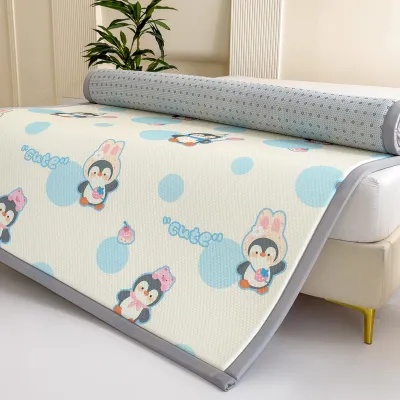
Prices are valid at publication and may change. Please refer to the product page for the latest price.
Weather and Moisture Resistance
The ground in Singapore’s parks is rarely completely dry, even on sunny days. Morning dew or a sudden afternoon shower can leave lawns saturated, meaning a play mat must feature a highly effective waterproof or water-resistant barrier. If the base material absorbs water, moisture will quickly seep through, wetting your child’s clothing and creating an unhygienic play environment. Look for closed-cell structures or specialized backing coatings that completely block ground moisture.
Sand and Dirt Management
Coastal outings to East Coast Park or Sentosa expose play mats to fine, abrasive sand that can easily ruin delicate fabrics. If a mat has a sticky or highly textured surface, sand particles can embed themselves in the material, making it difficult to clean and potentially irritating your child’s skin. The ideal outdoor mat allows you to easily shake off dry sand and wipe away mud or spilled food with a damp cloth, without requiring deep scrubbing.
Thermal Insulation
The tropical sun heats up outdoor surfaces rapidly, making concrete pavilions, wooden decking, and open sand uncomfortable or unsafe for a young child’s skin. A quality outdoor play mat must provide a thermal barrier that prevents the ground’s heat from radiating through the play surface. This insulation keeps the top layer cool and comfortable, allowing your child to play safely during daytime outings.
Portability and Transit
Navigating Singapore’s public transport system with a young child requires streamlined, lightweight gear. If you are boarding a crowded MRT train or a bus, a bulky, heavy mat becomes a major liability. The mat must fold or roll into a compact shape that fits easily into a stroller basket, clips onto a diaper bag, or comes with its own lightweight shoulder strap. Parents should look for options that weigh under 1.5 kilograms to ensure easy carrying alongside other baby essentials.
Choosing the Right Material for Outdoor Portability and Comfort
The material of your portable play mat determines its durability, ease of cleaning, and overall comfort. Different materials offer distinct trade-offs, and understanding these differences will help you choose the best option for your family’s specific outdoor activities.

Smooth and Wipeable Surfaces (TPU and PVC)
Thermoplastic Polyurethane (TPU) and Polyvinyl Chloride (PVC) are popular choices for parents who prioritize quick cleanup. These synthetic materials create a completely non-porous surface, meaning spilled liquids, mud, and sunscreen sit on top rather than soaking in. You can restore the mat to a clean state with a simple wipe of a baby-safe wipe or a damp cloth.
However, not all plastics are created equal, and parents must carefully verify the manufacturer’s safety documentation. Look for explicit confirmations that the mat is free from phthalates, Bisphenol A (BPA), lead, and other heavy metals. Because these smooth mats can become slippery when wet—whether from a spilled water bottle or a sudden splash—it is wise to choose a model that features a textured, non-slip backing to keep the mat anchored to the grass.
Lightweight and Cushioned Options (PE Foam)
Polyethylene (PE) foam mats, including Expanded Polyethylene (EPE) and Cross-linked Polyethylene (XPE), offer excellent shock absorption. If your baby is at a developmental stage where they are learning to sit up, crawl, or take their first steps, falls onto hard park ground can cause distress. PE foam provides a soft, cushioned landing zone that absorbs impact far better than thin fabric alternatives.
The primary drawback of foldable PE foam mats is their construction. To allow the mat to fold like an accordion, manufacturers design deep crevices between the panels. In an outdoor setting, these folds act as traps for fine sand, dirt, and dried grass. When you fold the mat back up, this trapped debris can rub against the foam, causing premature wear or puncturing the outer protective film. To mitigate this, parents must thoroughly shake out and wipe down the crevices before folding, and verify that the foam density is high enough to resist compression.
Compact and Washable Fabric Blends
For parents of older toddlers or those who prioritize minimal packing size, fabric blends such as Oxford polyester or nylon are highly practical. These mats often feature a soft fabric top layer paired with a water-resistant backing. They roll or fold down to the size of a small umbrella, making them incredibly easy to slide into a backpack or hang from a stroller handlebar.
The standout benefit of fabric mats is that many are fully machine-washable. After a messy day at the park involving squished fruit, juice spills, or mud, you can simply toss the entire mat into the washing machine. However, parents must understand the trade-offs. Fabric mats offer very little to no cushioning, making them less suitable for babies who need impact protection. Furthermore, there is a distinct difference between water-resistant and waterproof backings; on highly saturated grass, a water-resistant backing may eventually allow moisture to seep through under the weight of a sitting child.
A Pre-Purchase Checklist for Safety and Convenience
Before buying a portable kids play mat, it is essential to evaluate its technical specifications and physical design. This checklist will help you verify that the mat meets your standards for safety, durability, and practical daily use.
- Thickness vs. Weight Trade-off: Compare the product specifications to balance impact protection with carrying weight. A thicker mat (10mm to 15mm) provides superior comfort on hard ground but will be bulkier to transport. If you rely on public transit, a thinner mat (5mm to 8mm) or a lightweight fabric option is far more practical.
- Folding vs. Rolling Mechanisms: Consider how the mat transitions from open to closed. Accordion-folding mats are quick to set up, but the folding creases are natural weak points that can trap dirt and wear out over time. Rolling mats avoid these creases entirely, offering a smooth surface, but they can be more difficult to roll tightly when managing a child simultaneously.
- Non-Slip Backing Verification: An outdoor play mat must stay securely in place. On sloping grassy hills or smooth, tiled surfaces in sheltered park pavilions, a mat without traction can easily slide when a child runs onto it. Look for mats that feature a rubberized, textured, or dotted underside that grips the ground.
- Safety and Compliance Marks: Do not rely solely on e-commerce product descriptions or marketing claims of non-toxicity. Instead, look for verified safety standards and compliance marks on the physical packaging or official manufacturer documentation. Key standards to look out for include EN71 (European Toy Safety Standard), CPSIA (Consumer Product Safety Improvement Act), or local consumer safety guidelines.
- Carrying Solutions: Evaluate how you will transport the mat when your hands are full. Look for mats that feature integrated, durable carrying handles or adjustable shoulder straps. If the mat relies on an external carry bag, ensure the bag is made from a durable, breathable material like mesh or heavy-duty nylon.
How to Clean and Store Your Mat to Prevent Mold and Odors
Proper maintenance is essential to extend the lifespan of your play mat and protect your child’s health. Singapore’s high relative humidity creates an ideal environment for mold and mildew, making post-outing care incredibly important.
Immediate Post-Park Care
Maintenance begins before you even leave the park. Once play-time is over, lift the mat and give it a vigorous shake to remove loose grass, dry dirt, and sand. Use a soft brush or a dry cloth to sweep away any stubborn debris. If there are wet spills, mud, or sticky food residues, wipe them down immediately with a damp cloth and a mild, baby-safe soap. Letting stains dry under the hot sun can make them difficult to remove later and may permanently discolor the material.
Crucial Drying Protocols
Never fold up a damp or even slightly moist play mat and leave it in your car boot or storage closet. When you return home, fully unfold the mat and allow it to air-dry completely. Avoid placing it in direct, intense sunlight, as extreme heat can warp foam or degrade waterproof coatings. Instead, dry it in a shaded, well-ventilated indoor area, or use a fan to speed up the process. Ensure both the top play surface and the bottom ground-facing side are bone-dry before packing the mat away.
Storage Best Practices
Store your clean, dry play mat in a cool, dry place inside your home. Avoid storing it in outdoor risers, balconies, or damp utility closets where humidity levels remain high. Keep the mat away from direct sunlight to prevent UV degradation, which can cause synthetic materials like TPU or PVC to become brittle, peel, or lose their waterproof properties.
When to Retire the Mat
Inspect the mat regularly for signs of degradation that could compromise your child’s safety or hygiene. If you notice deep tears or punctures in a foam mat, moisture and bacteria can penetrate the inner core, where they cannot be cleaned. Peeling waterproof layers, flaking plastic, or persistent black mold spots that do not wash away are clear indicators that the mat is no longer safe or hygienic. In these cases, stop using the mat immediately and replace it to protect your child’s health.
Frequently Asked Questions (FAQ)
Can I leave a portable play mat outside overnight?
No, you should never leave a portable play mat outdoors overnight. Singapore’s night-time humidity leads to heavy condensation and dew, which will thoroughly saturate the mat. This prolonged moisture exposure can degrade the waterproof coatings, ruin adhesive bonds in laminated mats, and rapidly trigger mold and mildew growth. Additionally, nocturnal pests or insects may seek shelter under or inside the folds of the mat. Always bring the mat indoors, clean it, and dry it completely after each use.
Are thicker foam mats always better for outdoor parks?
While thicker foam mats (15mm to 20mm) offer excellent cushioning and superior thermal insulation against hot ground, they are not always the best choice for outdoor excursions. Thicker mats are significantly bulkier and heavier, making them highly impractical if you are traveling via MRT, public buses, or walking long distances. For outdoor portability, a moderate thickness of 10mm provides a balanced compromise between impact protection and carrying convenience. If your child is older and does not require fall protection, a compact, rollable fabric mat is often a much more practical solution.
How do I get sand out of the crevices in a foldable mat?
To remove sand from the crevices of a foldable mat, first fully unfold the mat outdoors and shake it vigorously. For remaining particles trapped in the fold lines, use a soft-bristled brush (such as a clean paint brush or a soft hand brush) to sweep the sand out along the creases. If you are cleaning the mat at home, you can use a vacuum cleaner with a brush attachment on a low-suction setting to safely draw out the sand without damaging the outer protective film. Once the crevices are clear, wipe the entire surface down with a damp cloth to remove any fine dust.
Community discussion
Share your experience or ask a question. Comments are reviewed before publication.