
Planning outdoor activities with young children in Singapore—whether it is a morning stroll through the Singapore Botanic Gardens, a beach day at Sentosa, or a weekend picnic at East Coast Park—requires careful preparation. A reliable, portable kids mat serves as a clean, safe, and comfortable base camp where your child can rest, play, eat, and explore the outdoors. Choosing the right mat involves balancing cushioning, weight, water resistance, and ease of cleaning, especially given the local tropical climate.
The ideal outdoor kids mat must withstand damp grass from sudden tropical showers, block the heat radiating from sun-baked ground, and pack down small enough to fit into a stroller basket or be carried comfortably alongside diaper bags and water bottles. By understanding the distinct material types and design features available, parents can select a mat that matches their family’s specific outing style and their child’s developmental stage.
Selecting the Perfect Kids Mat for Singapore's Outdoors
Singapore’s tropical climate brings high humidity and frequent rainfall, which means outdoor ground surfaces are rarely completely dry. Even on clear, sunny afternoons, grass in local parks often retains moisture from morning dew or recent downpours, while beach sand can hold dampness just beneath the surface. A kids mat with a highly water-resistant or waterproof base layer is essential to prevent ground moisture from seeping upward and soaking through your child’s clothing. When browsing options, look for materials like polyurethane (PU) coatings, heavy-duty polyester, or specialized waterproof backings that act as an impermeable barrier against damp grass and wet sand.
Products mentioned in this guide
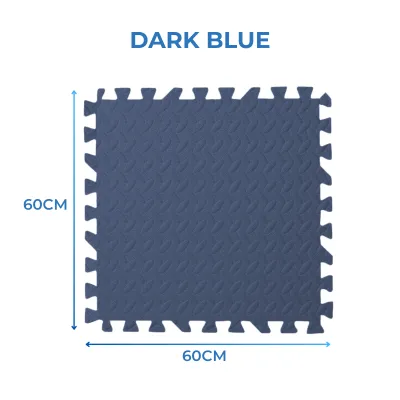
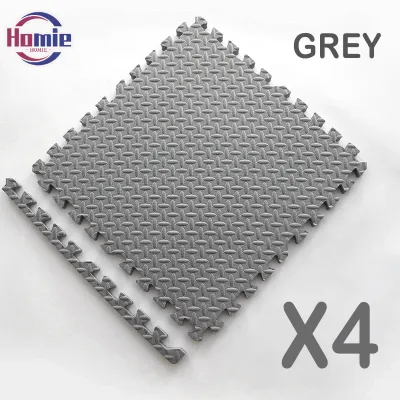
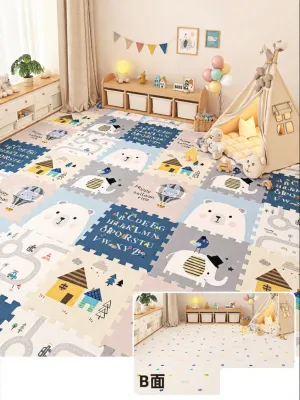
Prices are valid at publication and may change. Please refer to the product page for the latest price.
An outdoor mat is only useful if it is easy to transport alongside the usual array of baby gear, strollers, and toys. True portability is determined by a combination of overall weight, folding efficiency, and integrated carrying features. Parents should look for mats that weigh less than two kilograms and fold or roll into compact, manageable shapes. Features like built-in textile handles, adjustable shoulder straps, sturdy Velcro closures, or dedicated zippered travel bags make a significant difference when navigating public transport or walking from a car park to a picnic spot.
Outdoor play inevitably involves spills, dropped snacks, mud, and grass stains. Evaluating how easily a mat can be cleaned will save considerable time and effort after a long day outside. Wipeable surfaces, such as those made from water-resistant synthetic fabrics or smooth foam, allow for immediate cleanup of spilled juices, purees, or mud with a simple baby wipe or damp cloth. For mats featuring woven fabrics or fleece layers, check if the entire item is machine-washable, which allows for thorough sanitization after heavy outdoor use, though this may require longer drying times.
Because children’s sensitive skin comes into direct contact with the mat, verifying material safety is a paramount step for parents. Look for products that explicitly state they are free from harmful chemicals, heavy metals, phthalates, and bisphenol A (BPA), or carry recognized textile safety certifications such as OEKO-TEX Standard 100. Additionally, new mats should not emit strong, chemical off-gassing odors, which can be irritating to young respiratory systems. Always check the manufacturer’s recommended age range and developmental guidelines to ensure the mat’s thickness and texture are appropriate for your child’s physical activities.
Best Types of Portable Kids Mats for Parks and Picnics
Different outdoor settings and child developmental stages call for distinct mat designs. While a crawling infant requires thick impact protection, an older toddler who is constantly running around may benefit more from a massive, easily washable seating area.

Foldable Foam Play Mats (XPE/EPE)
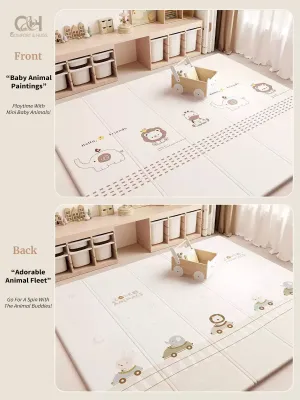
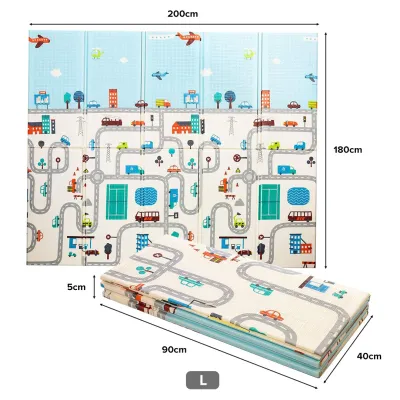
Foldable foam mats made from Cross-linked Polyethylene (XPE) or Expanded Polyethylene (EPE) are highly suited for flat, grassy park lawns, shaded pavilions, or the hard ground adjacent to outdoor playgrounds. These mats are particularly beneficial for infants who are practicing tummy time, learning to crawl, or taking their first unstable steps, where fall protection is a priority.
The primary advantage of XPE and EPE foam mats is their superior shock absorption and thermal insulation. They provide a thick, cushioned barrier that protects delicate knees and elbows from hard ground, pebbles, and twigs, while also blocking the heat that rises from sun-exposed concrete or soil. Additionally, these mats are incredibly lightweight, waterproof on both sides, and fold along pre-creased lines into a neat, rectangular shape that can easily slide into a car boot or hang over a stroller handlebar.
Despite their excellent cushioning, foldable foam mats have structural limitations when used outdoors. The folding joints and textured surfaces designed for slip resistance can easily trap fine sand, dirt, and dry grass, requiring detailed wiping to clean thoroughly. Furthermore, because they are lightweight and relatively rigid, these mats can slide, shift, or bunch up when placed on sloped lawns, uneven terrain, or during windy days if they are not weighted down at the corners.
Before purchasing a foldable foam mat, measure its folded dimensions to confirm it can fit comfortably inside your stroller’s under-seat basket or your vehicle’s trunk. Examine the durability of the folding seams, as these areas experience the most wear and tear over time. Always verify that the outer protective film is puncture-resistant and that the manufacturer explicitly certifies the foam as non-toxic and flame-retardant-free.
Waterproof Padded Picnic Blankets
Padded picnic blankets with a waterproof bottom layer are ideal for larger family gatherings, casual outdoor dining, and relaxed lounging on dry grass. They perform exceptionally well in spacious parks like West Coast Park or Bishan-Ang Mo Kio Park, where families set up camp for several hours and require a large, comfortable surface for multiple adults and children to sit together.
These blankets offer a generous surface area, allowing children plenty of room to spread out their toys and snacks. They typically feature a soft, comfortable top layer made of fleece, cotton, or microfiber, which feels pleasant against bare skin, paired with a thin middle padding and a durable, waterproof polyester or Oxford fabric base. Many models are designed to be fully machine-washable, making it simple to wash away ground dirt, spilled food, and sweat after a busy weekend outing.
While highly comfortable for sitting, padded picnic blankets offer very little impact protection for falling toddlers, as the internal padding is usually quite thin. They also tend to be bulkier and heavier to carry when rolled up compared to lightweight foam mats. Additionally, frequent machine washing can gradually degrade the specialized waterproof coating on the bottom layer, eventually allowing ground moisture to seep through during prolonged use on damp grass.
Carefully read the manufacturer’s care label to verify if the blanket is truly safe for machine washing and tumble drying, or if it is restricted to spot cleaning and air drying. Check the underside of the blanket to see if it features anti-slip textures or weighted corners, which help keep the blanket flat and securely in place on smooth or slightly sloped grassy surfaces.
Roll-Up Travel Mats with Carrying Straps
Roll-up travel mats are designed for active families who enjoy nature walks, hiking trails, visits to the Singapore Botanic Gardens, or quick rest stops during outdoor excursions. They are the ideal choice when you need a compact, rapid-deploy seating solution that can be set up and packed away in a matter of seconds.
These mats excel in portability and convenience, rolling up into a tight cylindrical shape that resembles a yoga mat. They are exceptionally lightweight and almost always come equipped with integrated shoulder straps, compression buckles, or a dedicated drawstring carrying bag, leaving your hands free to manage strollers or hold your child’s hand. Their streamlined design makes them easy to store in tight spaces, such as behind car seats or in small home closets.
Because they prioritize compact storage, roll-up travel mats are generally much thinner than foldable foam mats, providing minimal cushioning against hard roots, rocks, or concrete. They also offer less insulation from hot ground temperatures. Additionally, because they are stored tightly rolled, these mats often retain curl creases at the edges when first unrolled, requiring you to place shoes or bags on the corners to keep them lying flat.
Inspect the quality and attachment points of the carrying strap and buckles to ensure they can withstand regular pulling and tension. Unroll the mat in the store if possible to check if the material is prone to permanent creasing or cracking when tightly compressed. Ensure the top surface has been treated with a water-resistant finish to repel light spills and dirt.
Comparing Mat Types for Singapore's Outdoor Conditions
To help you decide which option best fits your family’s lifestyle, the table below compares the key performance characteristics of the three primary outdoor mat types.
| Mat Type | Portability | Cushioning Level | Moisture Resistance | Best Use Case |
|---|---|---|---|---|
| Foldable Foam Play Mats (XPE/EPE) | Moderate (Lightweight but bulky when folded) | High (Excellent shock absorption for falls) | High (Waterproof on both sides) | Tummy time, crawling infants, and active play on flat grass or pavilions |
| Waterproof Padded Picnic Blankets | Low to Moderate (Can be heavy and bulky to roll) | Low to Moderate (Thin comfort padding) | High (Waterproof bottom layer) | Large family gatherings, outdoor dining, and lounging on dry park lawns |
| Roll-Up Travel Mats with Carrying Straps | High (Very compact, lightweight, easy to carry) | Low (Minimal thickness and padding) | Moderate (Water-resistant surfaces) | Nature walks, hiking, quick rest stops, and highly mobile families |
Note: Please note that specific product features, including exact material thicknesses, weight limits, and waterproof ratings, vary significantly by manufacturer. Always verify these detailed specifications on the product label and inspect the physical item before finalizing your purchase.
How to Clean and Store Outdoor Mats in a Humid Climate
Maintaining an outdoor mat in Singapore’s humid environment requires immediate care after every outing to prevent the buildup of dirt, sweat, and environmental debris. Before folding or rolling your mat at the end of the day, give it a vigorous shake to remove loose sand, dry grass, and soil. Use a damp cloth or a gentle baby wipe to clean off any visible food spills, mud, or sunscreen residue from the surface. Taking these quick steps prevents abrasive dirt particles from grinding into the material when the mat is compressed for transport, preserving its texture and extending its overall lifespan.
Once you return home, it is critical to dry the mat thoroughly before putting it away. Hang the mat in a shaded, well-ventilated area—such as a service yard, balcony, or near an open window—to allow all residual moisture from damp grass or sweat to evaporate completely. While it may be tempting to speed up the drying process by placing the mat in direct sunlight, avoid leaving foam or coated waterproof mats under harsh, direct UV rays for extended periods. Intense sunlight can degrade synthetic polymers, cause foam to shrink or warp, and dry out waterproof coatings, leading to premature cracking and peeling.
In Singapore’s high-humidity climate, storing even slightly damp outdoor gear in a closed space is a recipe for mold, mildew, and persistent musty odors. Ensure the mat is completely dry to the touch on both sides before folding it into its final storage shape. Store the mat in a cool, dry closet or a well-ventilated storage cabinet rather than a damp storeroom or the trunk of a car, where temperatures can fluctuate wildly. If your mat came with a breathable mesh storage bag, use it instead of an airtight plastic bag to allow air to circulate around the material.
To protect your investment and ensure your child’s safety, always consult and follow the manufacturer’s specific cleaning and maintenance instructions. Avoid using harsh chemical detergents, bleach, strong disinfectants, or abrasive scrubbers on the mat’s surface, as these substances can strip away specialized water-resistant coatings, fade patterns, and compromise non-toxic material certifications. If the manufacturer’s instructions conflict with general cleaning advice, or if the mat’s material composition is unidentified, contact the brand’s customer service or a qualified cleaning professional for guidance to avoid voiding product warranties.
Frequently Asked Questions (FAQ)
Can I use an indoor play mat for outdoor picnics?
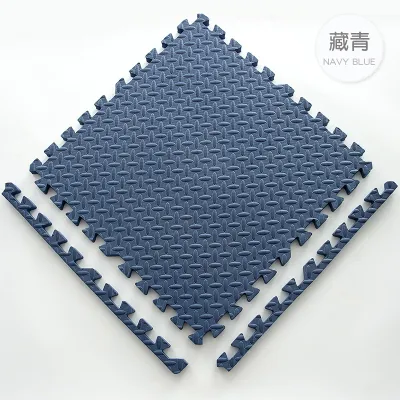
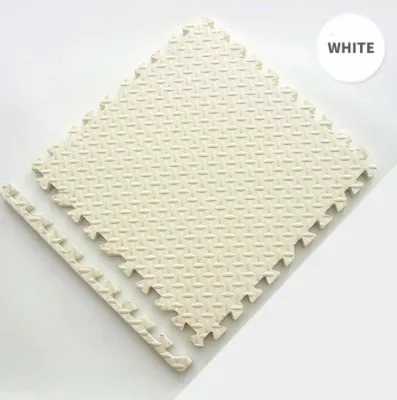
While it is physically possible to bring an indoor play mat outside, it is generally not recommended. Indoor mats, particularly thick EVA foam puzzle mats or heavy PVC play mats, are not designed to withstand outdoor elements; they are often heavy, difficult to transport without a carrying strap, and lack a sealed, waterproof base layer. Placing them on damp grass or rough soil can cause the material to absorb moisture, trap dirt in interlocking seams, or suffer punctures from sharp twigs and pebbles. To preserve the hygiene and lifespan of your indoor play gear, it is best to invest in a dedicated outdoor mat designed specifically to handle rougher terrains and moisture.
How thick should an outdoor kids mat be for a toddler?
For an active toddler, an outdoor mat thickness between 1 cm and 1.5 cm generally strikes the best balance between comfort, impact protection, and portability. While thicker mats provide superior cushioning for accidental trips and falls, they are significantly bulkier to pack, carry, and store. When selecting a mat, review the manufacturer’s age and developmental guidelines to ensure the design matches your child’s current mobility level. Keep in mind that no matter how thick or padded a mat is, it cannot replace active adult supervision, particularly on uneven park lawns or sloped terrains where the mat might shift, slide, or fold unexpectedly under a running child.
Community discussion
Share your experience or ask a question. Comments are reviewed before publication.