
Selecting the right kids floor mat for outdoor activities is a crucial decision for parents who want to balance comfort, safety, and convenience. Whether you are planning a weekend family picnic at the Singapore Botanic Gardens or heading to a local neighborhood playground, the ground conditions can vary dramatically. Hard rubberized tiles, damp grass, sandy beaches, and concrete plazas all demand different properties from a portable mat. To ensure your child has a clean, cushioned, and secure space to play, you must understand how different mat designs perform under various outdoor conditions.
The ideal outdoor kids floor mat must serve as a protective barrier against moisture, heat, and impact while remaining light enough to carry alongside strollers, diaper bags, and other parenting essentials. In Singapore’s hot and highly humid climate, sudden tropical downpours can quickly turn dry grass into a muddy surface, making water resistance a top priority. Furthermore, the intense afternoon sun can heat up outdoor surfaces to uncomfortable temperatures, meaning the mat you choose must also act as an effective thermal barrier. By evaluating your primary outdoor destinations and your child’s developmental stage, you can select a mat that keeps outdoor play safe and enjoyable.
What to Look for in an Outdoor Kids Floor Mat
When shopping for a kids floor mat designed for outdoor use, you should evaluate several critical factors to ensure it meets your family’s practical needs.
Products mentioned in this guide
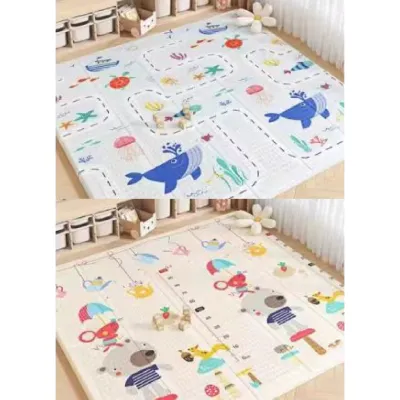
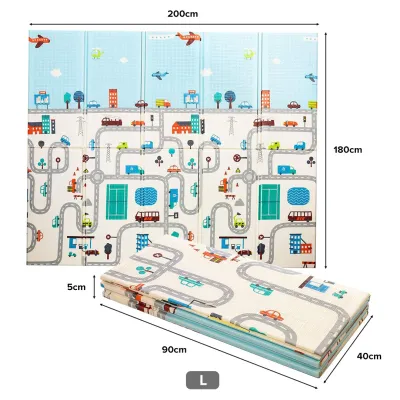
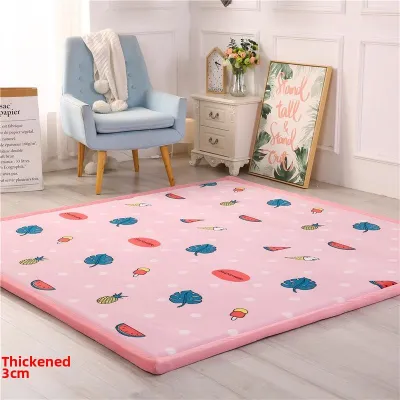
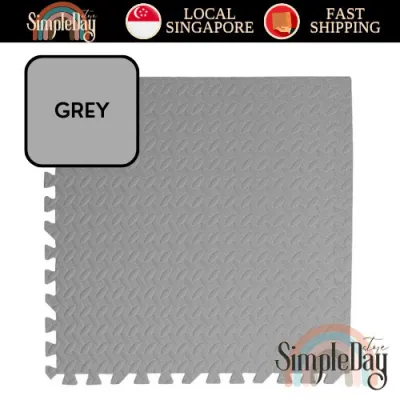
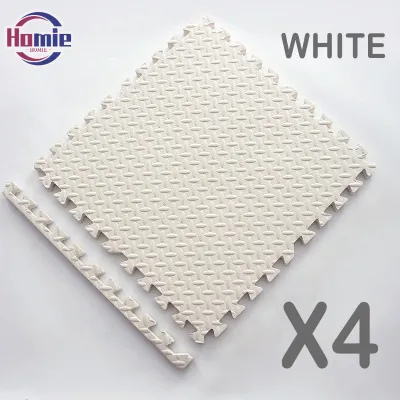
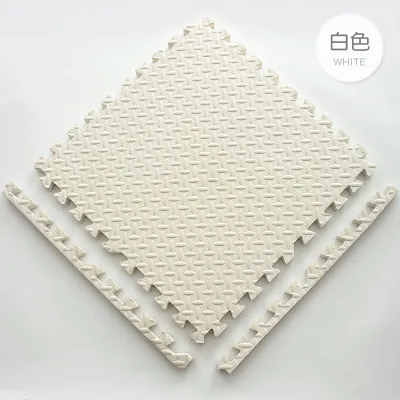
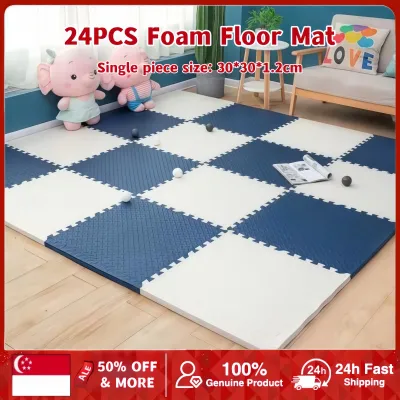
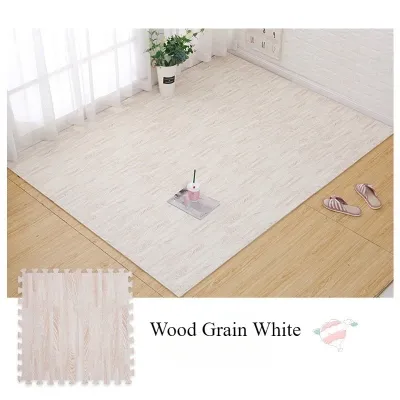
Prices are valid at publication and may change. Please refer to the product page for the latest price.
Cushioning and Thickness The level of impact absorption a mat provides is vital, especially for younger infants who are still mastering crawling or sitting. You should always check the manufacturer’s specifications for thickness and material density. Thicker mats, typically ranging from 1 cm to 2 cm, are highly recommended for hard playground surfaces, paved park areas, or wooden decks. These mats provide a substantial buffer that helps absorb the impact of accidental tumbles and falls. Conversely, thinner mats (under 1 cm) are generally sufficient for soft grass lawns or sandy beaches, where the natural terrain already offers some natural cushioning. Always verify the manufacturer’s age and developmental guidelines to ensure the mat’s firmness is appropriate for your child’s age group, and never leave infants unsupervised during play.
Portability and Weight An outdoor mat is only useful if it is easy to transport. Parents already carry a significant amount of gear, so a heavy or awkward mat will likely be left at home. Look closely at the folding mechanism of the mat. Some designs fold like an accordion, while others roll up tightly or fold into a compact square. You should measure the folded dimensions of any mat you consider and compare them against the storage capacity of your stroller’s under-seat basket or your car’s trunk. Weight is equally important; a lightweight mat weighing under 1.5 kg is much easier to manage when navigating public transport or walking long distances. Look for models that feature integrated carrying handles, adjustable shoulder straps, or dedicated travel bags to make transport as hands-free as possible.
Weather and Terrain Resistance Outdoor environments expose mats to damp grass, rough sand, dirt, and sharp debris. To protect your child from ground moisture, the mat must feature a high-quality waterproof or water-resistant bottom layer. Materials like PEVA (polyethylene vinyl acetate), polyurethane, or TPU (thermoplastic polyurethane) are excellent for blocking moisture and are highly durable. This bottom layer must also be robust enough to withstand friction against rough concrete, gravel, or dry twigs without puncturing or tearing. A durable backing ensures that dampness from Singapore’s frequent rain showers does not seep through to the top layer, keeping your child dry and comfortable throughout your outing.
Size and Coverage Finding the right balance between usable surface area and portable size is key. A mat that is too small will limit your child’s movement, forcing them onto the bare ground, while an excessively large mat can be incredibly cumbersome to fold, carry, and clean. For a single infant practicing tummy time or a toddler playing with a few toys, a compact mat of approximately 120 cm x 120 cm is usually sufficient. However, if you plan to join your child on the mat or have multiple children, you will need a larger family-sized option, such as 150 cm x 200 cm or larger. Carefully consider your typical family outing scenarios to choose a size that accommodates everyone comfortably without overwhelming your carrying capacity.
Best Types of Portable Kids Floor Mats for Outdoor Activities
To help you narrow down your choices, portable outdoor mats can be categorized into three primary types, each suited to specific outdoor scenarios and terrains.

Foldable XPE Foam Mats (Ideal for Playground Visits)
Cross-linked polyethylene (XPE) foam mats are highly regarded for their superior cushioning and durability. These mats feature a distinctive accordion-fold design that allows them to be deployed in seconds and folded back up along pre-creased lines, eliminating the frustration of curling edges.
The dense, closed-cell structure of XPE foam provides exceptional shock absorption, making it the premier choice for hard surfaces. If you frequently visit playgrounds with rubberized safety tiles, concrete plazas, or paved park trails, an XPE foam mat offers the firm support needed to protect falling toddlers. The material also acts as an excellent thermal insulator, blocking the heat radiating from sun-baked playground floors.
Maintenance is incredibly straightforward with XPE foam. Because the surface is entirely waterproof and non-porous, dirt, mud, sand, and spilled drinks cannot penetrate the material. You can easily wipe the surface clean with a damp cloth or baby wipe on-site, allowing for quick transitions between play and packing.
Limitations The primary drawback of foldable XPE foam mats is their physical bulk. Even when fully folded, they maintain a relatively rigid, rectangular shape that can be difficult to fit into compact stroller baskets. They are also highly susceptible to punctures from sharp pet claws or very sharp gravel. Parents should verify the folded dimensions and ensure they have a suitable carrying strap or bag before purchasing.
Padded Waterproof Picnic Blankets (Ideal for Parks and Grass)
Padded waterproof picnic blankets are designed specifically for natural, soft terrains like park lawns and sandy beaches. These mats typically feature a multi-layer construction, combining a soft fabric top layer with a thin inner padding and a heavy-duty waterproof backing.
The top layer, often made of cotton, fleece, or brushed polyester, provides a soft and inviting surface that is gentle on a child’s sensitive skin. This makes it highly suitable for extended relaxation, family picnics, and interactive play on the grass. The waterproof bottom layer, usually composed of PEVA or TPU, effectively blocks rising ground moisture, ensuring that the fabric top remains dry even on damp lawns.
Most padded picnic blankets are designed to fold up into a compact package secured by hook-and-loop straps or zippers. They frequently feature built-in carrying handles or adjustable shoulder straps, allowing you to carry them comfortably over your shoulder while keeping your hands free for your child or stroller.
Limitations While the fabric top is incredibly comfortable, it is highly prone to absorbing liquid spills, milk, sunscreen, and food stains. Unlike foam mats, you cannot simply wipe a fabric top dry; it will require spot-cleaning or a full machine wash once you return home. Additionally, the thin inner padding offers limited impact protection, making these blankets less suitable for hard concrete or paved surfaces where falls could cause injury. Always check the manufacturer’s care label to verify if the blanket is machine-washable and dryable.
Roll-Up Travel Play Mats (Ideal for Compact Storage)
For families who prioritize minimal packing space and travel light, roll-up travel play mats offer an exceptionally portable solution. These mats are usually made of thin, highly flexible foam or lightweight padded synthetic fabrics that can be rolled tightly into a compact cylinder.
The primary benefit of a roll-up travel mat is its space-saving design. Many models come with a dedicated drawstring carry bag or compression straps, allowing them to fit easily into tight spaces like stroller under-baskets, car trunks, or even large travel backpacks. This makes them ideal for spontaneous park visits, travel, or quick setups during outdoor transitions.
These mats perform best on flat, even surfaces such as manicured lawns, clean wooden decks, or indoor-outdoor transition zones. They provide a quick, clean boundary for your child to play with toys without requiring a massive setup effort.
Limitations To achieve such a compact rolled size, these mats must sacrifice thickness and cushioning. They offer very little protection against hard impacts, so they should not be used on rough, hard, or uneven playground terrains. Furthermore, if you choose a travel mat that consists of interlocking foam puzzle pieces, the seams between the tiles can easily trap sand, dirt, and moisture, making outdoor cleanup incredibly tedious and frustrating.
How to Clean and Maintain Your Outdoor Play Mat
Proper care and maintenance are essential to keep your outdoor kids floor mat hygienic, safe, and durable.
Pre-Use Inspection Before laying your mat down on any outdoor surface, perform a quick sweep of the ground. Remove any sharp twigs, dry leaves, pine needles, glass shards, sharp stones, or metal bottle caps. These items can easily puncture the waterproof backing of your mat or cause discomfort and injury to your child. Additionally, touch the ground surface with your hand to check the temperature, particularly on paved areas or rubberized playground tiles that have been exposed to direct sunlight, as they can retain intense heat that can transfer through thin mats.
Sun and Heat Exposure Continuous exposure to direct sunlight can cause significant damage to foam and plastic materials like XPE, PEVA, or polyurethane. The ultraviolet (UV) rays can cause the colors to fade, make the material brittle, and compromise the mat’s cushioning properties. High temperatures can also make the surface of the mat uncomfortably hot for a child’s bare skin. Always look for shaded areas under trees, park shelters, or umbrellas to set up your mat, and periodically check the surface temperature to ensure it remains safe for your child.
Cleaning Protocols For waterproof foam mats, wipe down the surface thoroughly after every outdoor excursion. Use a mild soap and warm water solution or alcohol-free baby wipes to remove dirt, sweat, and food residue. Avoid using harsh chemical solvents, bleach, or abrasive scrubbing brushes, as these can strip away the protective outer coating of the mat. For fabric-topped mats, shake the blanket vigorously to remove loose sand, grass, and dirt before packing it up. Spot-clean any spills immediately with a clean, damp cloth. Before throwing a fabric mat into the washing machine, always consult the manufacturer’s care label; some waterproof backings can melt, crack, or delaminate if exposed to hot water or high dryer heat.
Drying and Storage Moisture is the primary catalyst for mold, mildew, and stubborn odors, which is a significant concern in Singapore’s highly humid environment. Never fold up and store a damp or wet mat inside a carrying bag or a dark storage closet. If your mat gets wet from damp grass, sudden rain, or cleaning, hang it up in a well-ventilated, shaded area to air-dry completely on both sides before storing it. Proper drying ensures the materials remain hygienic and free from mold spores that could irritate your child’s skin or respiratory system. If your child develops any unusual skin irritation after using the mat, discontinue use and consult a qualified healthcare professional.
Frequently Asked Questions (FAQ)
Can I use a standard indoor kids floor mat outdoors?
You should avoid using standard indoor kids floor mats outdoors. Indoor mats are typically designed for controlled environments and often lack a waterproof or highly durable bottom layer. When placed on grass or sand, they can easily absorb ground moisture, leading to a damp play surface and potential mold growth. Additionally, indoor mats often feature textures or materials that easily trap dirt, grass, and sand, making them incredibly difficult to clean thoroughly. Using them on rough outdoor terrains like concrete or gravel can also cause premature wear, tearing, and permanent damage to the materials.
How do I prevent a portable mat from blowing away in the wind?
Lightweight portable mats can easily be lifted or folded over by sudden gusts of wind. To secure your mat on grass lawns, look for models designed with built-in corner loops that allow you to insert plastic or metal ground pegs. If pegs are not an option, or if you are on a paved playground surface, you can weigh down the corners using heavy, functional items you already have with you, such as diaper bags, cooler bags, water bottles, or the wheels of your stroller. Alternatively, choosing a mat with a heavier, textured, non-slip rubberized bottom layer can help keep it firmly anchored to the ground without requiring extra weights.
Community discussion
Share your experience or ask a question. Comments are reviewed before publication.