
Finding the right floor mat for kids to use outdoors in Singapore requires navigating a unique set of tropical challenges. From the damp grass of the Singapore Botanic Gardens to the sun-baked sands of Sentosa, outdoor environments demand gear that is highly durable, easy to clean, and exceptionally portable. A standard picnic blanket simply will not suffice when ground moisture seeps through within minutes or when sudden afternoon downpours turn a grassy lawn into a muddy field.
Choosing a dedicated outdoor floor mat for kids ensures your little ones have a clean, safe, and comfortable boundary for play, sensory exploration, and rest. Whether you are managing a crawling infant who needs thick cushioning or active toddlers who frequently spill snacks, the right mat acts as a mobile play zone. It allows you to enjoy the island’s beautiful green spaces and coastal parks without worrying about damp clothes, stubborn grass stains, or skin irritation from rough ground surfaces.
To make an informed decision, parents must evaluate how different materials perform under Singapore’s high humidity and intense heat. The ideal mat should seamlessly fit into your family’s transit habits—whether that means slipping into the under-seat basket of a stroller, packing into a crowded car trunk, or carrying it over your shoulder alongside a diaper bag. By matching the mat’s design to your primary outdoor activities, you can ensure every family outing remains comfortable, hygienic, and stress-free.
Products mentioned in this guide
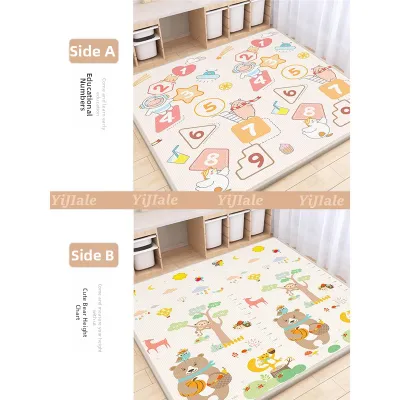
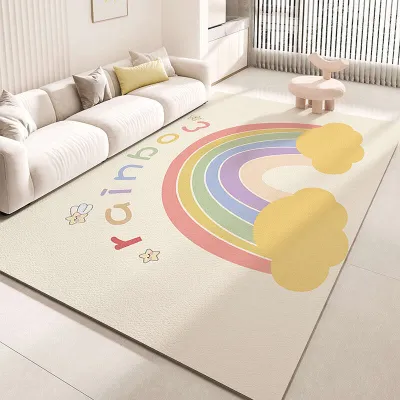
Prices are valid at publication and may change. Please refer to the product page for the latest price.
Key Features to Look for in an Outdoor Play Mat in Singapore
Singapore’s tropical climate presents specific environmental challenges that do not apply to cooler, drier regions. High relative humidity means that even on hot, sunny days, the soil and grass in public parks retain significant moisture that can quickly saturate standard fabrics. Furthermore, coastal areas feature fine, abrasive sand that clings to damp skin, while sudden tropical squalls can instantly soak any gear left on the ground.
To combat these elements, a high-quality floor mat for kids must feature an absolute waterproof backing. Materials like PEVA (polyethylene vinyl acetate), TPU (thermoplastic polyurethane), or heavy-duty Oxford cloth with a water-resistant coating are excellent at blocking ground moisture from rising. The top surface should be tightly woven or finished with a wipeable glaze so that spilled milk, purees, or water can be cleaned instantly with a simple swipe, preventing the liquid from soaking into the core fibers.
Given Singapore’s persistent humidity, mold and mildew resistance is another non-negotiable material property. Fabrics that trap moisture or take hours to dry will quickly develop unpleasant musty odors and black spots, rendering them unsafe for children’s sensitive respiratory systems. Look for synthetic fibers that dry rapidly in a shaded breeze and do not provide an organic breeding ground for fungal spores.
Portability is the next major factor to assess, as parents in Singapore frequently commute via public transport, private hire cars, or compact strollers. Evaluate whether a folding accordion design or a roll-up mechanism fits your lifestyle better. Folding mats are highly efficient for quick setups and pack-downs, whereas roll-up mats often secure into tight cylinders that slide easily into backpack side pockets. Pay close attention to the weight—ideally keeping it under 1.5 kilograms—and prioritize mats that include integrated carry straps, built-in handles, or dedicated, breathable storage bags.
Finally, safety and compliance are paramount when selecting any product for children. Because kids spend direct skin contact time on these mats—often while chewing on toys or dropping snacks—you must verify that the materials are non-toxic, BPA-free, and phthalate-free. Always check the manufacturer’s official product documentation or packaging to confirm compliance with recognized toy safety standards, such as EN71 or ASTM F963, rather than relying on unverified retail descriptions.
Top Portable Floor Mats for Kids by Outdoor Scenario
Different outdoor settings require distinct material characteristics to perform optimally. A mat that excels on a manicured park lawn may fall short on a sandy beach or a hard wooden boardwalk. Understanding these trade-offs allows you to select the best floor mat for kids based on where your family spends the most time.

Best for Park Picnics: Waterproof and Wipeable Picnic Mats
- Material Profile: The ideal picnic mat for park outings features a multi-layered construction designed for comfort and protection. The top layer consists of a soft, skin-friendly fabric such as quilted polyester, soft microfiber, or lightweight fleece, which provides a comfortable surface for children to sit, roll, and play. Beneath this soft layer lies a thin polyester filling for mild cushioning, all supported by a robust, fully waterproof bottom layer made of PEVA or high-density Oxford cloth.
- Primary Use Case: This style is perfectly suited for grassy fields, such as those at Bishan-Ang Mo Kio Park, West Coast Park, or the lawns of the Civic District. It provides an excellent base for family picnics, stroller-free play dates, and outdoor snack times. If a child spills juice, purees, or water, the liquid remains on the surface or is absorbed only by the top layer, allowing you to spot-clean the area immediately without water soaking through to the ground.
- Portability Features: These mats are designed to fold or roll into a neat, self-contained package. They typically feature integrated Velcro closures or buckle straps that keep the mat tightly compressed. A built-in shoulder strap or carry handle allows you to transport it hands-free, leaving your hands available to guide your child or push a stroller.
- Limitations and Trade-offs: Because of their multi-layer fabric construction, these mats tend to be slightly bulkier and heavier than single-layer beach mats. Additionally, the soft, textured top fabric can easily trap fine dirt, dry leaves, and grass clippings. If these particles are not thoroughly shaken out or brushed off immediately after use, they can become embedded in the fibers, requiring a more intensive cleaning process later.
Best for Beach Days: Sand-Free and Lightweight Play Mats
- Material Profile: Beach-specific mats are constructed from highly specialized, single-layer synthetic fabrics such as ripstop nylon, high-density polyester, or dual-layer woven mesh. These materials are engineered to be extremely slick and non-porous, preventing sand particles from adhering to the surface. Some advanced mesh designs allow sand to slip straight down through the weave while preventing it from coming back up from underneath.
- Primary Use Case: These mats are indispensable for coastal excursions to Sentosa’s beaches or the sandy stretches of East Coast Park. They serve as a clean, sand-free anchor point where children can sit to apply sunscreen, eat snacks, or take a break from building sandcastles. Because sand does not stick to the fabric, a quick shake before packing up leaves the mat completely clean.
- Portability Features: Exceptional lightness and compactness define this category. These mats are incredibly thin and can fold down to the size of a small water bottle, often fitting into an integrated pouch that weighs less than 500 grams. You can easily toss one into a beach tote, diaper bag, or even a stroller handlebar organizer without noticing any added bulk.
- Limitations and Trade-offs: The primary trade-off for this extreme portability is a complete lack of cushioning. These thin fabric mats offer no shock absorption against hard ground, pebbles, or shells, and they do not insulate against the intense heat of sun-baked sand. Consequently, they are not recommended for young infants who require a soft, protective surface for tummy time or physical development.
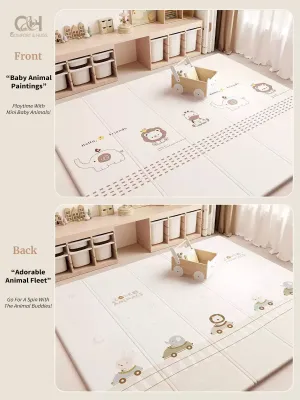
Best for Crawlers: Foldable XPE Foam Mats with Carry Bags
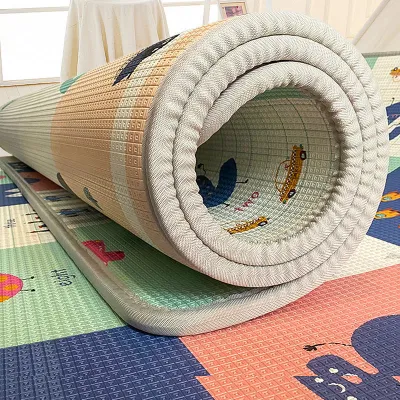
- Material Profile: For younger babies, a foldable foam mat made from XPE (cross-linked polyethylene) is the gold standard. XPE is a high-density, non-toxic, and odorless foam that provides excellent impact absorption. These mats are typically printed with colorful, educational patterns on a textured, non-slip surface and feature pre-creased lines that allow them to fold flat in an accordion style rather than rolling up.
- Primary Use Case: This mat is essential for infants and toddlers who are in critical developmental stages, such as learning to lift their heads, sit up, crawl, or stand. It is highly suited for hard or uneven outdoor surfaces, including wooden boardwalks at Marina Bay, concrete plazas, tiled pavilion floors, or rocky park grounds. The thick foam protects delicate knees, wrists, and heads from hard impacts if the child loses balance.
- Portability Features: While foam mats are inherently bulkier than fabric alternatives, the accordion-fold design allows them to collapse into a flat, structured rectangle. Most manufacturers include a dedicated, zippered carry bag made of lightweight fabric with long handles. This makes it easy to carry the mat over your shoulder, slide it flat into a car boot, or rest it across the top of a stroller frame during transit.
- Limitations and Trade-offs: Due to their physical dimensions, these mats take up a significant amount of space and are less practical for long walks or crowded public transport commutes. Furthermore, the soft XPE foam surface is susceptible to physical damage. Sharp twigs, stones, pet claws, or hard plastic toys can puncture or tear the outer protective film, meaning parents must carefully inspect and clear the ground before unfolding the mat.
Feature Comparison: Choosing the Right Mat for Your Trip
To help you quickly determine which style fits your next outdoor adventure, the table below outlines the key differences across the three primary categories of portable floor mats for kids.
| Mat Type | Best Scenario | Key Material Feature | Portability Level | Cleaning Method |
|---|---|---|---|---|
| Waterproof Picnic Mat | Park picnics, grassy fields, family gatherings | Soft fabric top with PEVA or TPU waterproof backing | Moderate (rolls up with integrated shoulder strap) | Spot clean spills with damp cloth; hand wash or gentle machine wash |
| Sand-Free Beach Mat | Sandy beaches, coastal parks, windy shores | Slick ripstop nylon or dual-layer sand-filtering mesh | High (ultra-lightweight, folds into a compact pouch) | Shake off sand; rinse with fresh water and air-dry |
| Foldable Foam Mat | Tummy time, crawling practice on hard or uneven ground | Thick, shock-absorbing XPE foam with textured surface | Moderate to Low (accordion fold with zippered carry bag) | Wipe clean instantly with a damp cloth and mild soap |
When deciding which mat to prioritize, consider your child’s current developmental stage and your primary outdoor locations. For babies under twelve months who are mastering tummy time and crawling, the physical protection of a foldable foam mat is unmatched, even if it requires more effort to carry. For older toddlers who are constantly on the move between the sea and the shore, a sand-free beach mat provides the ultimate lightweight convenience. Families who enjoy relaxed weekend picnics on park lawns will find that a classic waterproof picnic mat offers the ideal blend of comfort and moisture protection. Generally, prices for quality fabric mats range from S$20 to S$50, while premium foldable foam mats with dedicated carry bags range from S$60 to S$120.
Cleaning and Storage Tips for Longevity
Singapore’s high humidity and warm temperatures create an environment where mold, mildew, and bacteria can thrive if outdoor gear is not maintained correctly. Taking a few proactive steps immediately after each outing will preserve the structural integrity of your floor mat for kids and ensure it remains hygienic for future use.
As soon as you finish using the mat, shake it vigorously to remove loose soil, dry grass, sand, and insects. For spills involving milk, juices, or baby food, wipe the affected area immediately with a damp cloth and a mild, baby-safe soap. Avoid using harsh chemical bleach, strong disinfectants, or abrasive scrubbing brushes, as these substances can strip away the water-resistant coatings on fabric mats or degrade the protective outer film of XPE foam mats.
The most critical step in maintaining any outdoor mat in Singapore is the drying process. Always allow your mat to air-dry completely in a shaded, well-ventilated indoor or outdoor area before folding and packing it away. Storing a mat that retains even a small amount of moisture in a dark cupboard or bag will inevitably lead to the rapid growth of mold and mildew, resulting in permanent stains and persistent odors. However, avoid leaving foam mats or synthetic fabrics in direct, intense midday sunlight for extended periods; extreme heat and UV exposure can cause foam to warp and crack, and can degrade the adhesive bonds holding multi-layer mats together.
For long-term storage, keep the completely dry mat in a cool, dry place indoors, away from direct sunlight and high-humidity areas like balconies or laundry yards. If you do not plan to use the mat for several months, it is highly beneficial to periodically unroll or unfold it for a few hours. This allows the fibers and foam cells to breathe, prevents deep creases from becoming permanent weak points, and helps you inspect the item to ensure it remains clean, dry, and ready for your next family adventure.
Frequently Asked Questions (FAQ)
Can I use an indoor foam play mat outdoors?
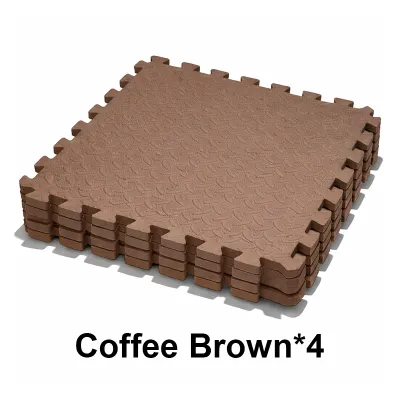
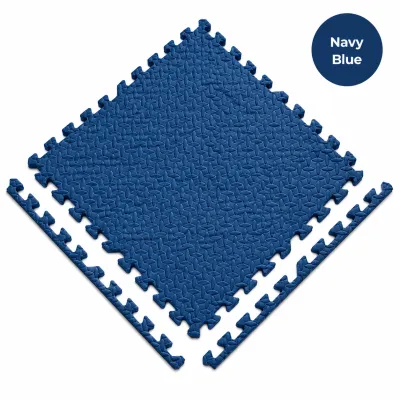
It is highly recommended to avoid using standard interlocking indoor EVA foam mats in outdoor settings. Indoor puzzle mats are designed specifically for flat, clean, and climate-controlled floors, and they lack the necessary structural seals required for outdoor environments. The porous surface of many indoor foams, combined with the numerous seams between interlocking pieces, easily traps dirt, moisture, grass, and small insects. Once moisture gets trapped within these seams, it becomes incredibly difficult to clean thoroughly on-site, creating a breeding ground for mold and bacteria that compromises your child’s hygiene. For outdoor excursions, always opt for seamless, single-piece mats that feature dedicated waterproof backings and sealed edges designed to withstand outdoor elements.
How do I prevent the mat from blowing away in the wind?
Securing a lightweight mat on a breezy day at East Coast Park or Sentosa is essential for a stress-free outing. The safest and most practical method is to anchor the corners of the mat using heavy items you already have with you, such as a packed diaper bag, a cooler box, water bottles, or the wheels of your stroller. If your mat is equipped with built-in corner loops designed for ground pegs, only use pegs that are specifically manufactured for children’s play mats. These pegs should be made of durable, rounded plastic, colored brightly for high visibility to prevent tripping hazards, and driven completely flush with the ground. Never use improvised sharp objects, such as dry branches, rocks with jagged edges, or metal tent stakes, as these present severe puncture and impact hazards if a child slips, rolls, or falls near the edge of the mat.
Community discussion
Share your experience or ask a question. Comments are reviewed before publication.