
Parents in Singapore love taking their little ones outdoors, whether it is for a family picnic at the Singapore Botanic Gardens, a relaxing weekend afternoon at East Coast Park, or visiting grandparents in a cozy housing estate. However, keeping a clean, safe, and cushioned space for your infant to practice tummy time, crawl, or play can be a challenge when you are away from home. Finding a reliable portable playmat for baby travel is essential for maintaining hygiene and comfort during these active family outings.
In Singapore’s warm and highly humid tropical climate, a standard indoor mat is often too bulky, heavy, or sensitive to outdoor elements to be practical. Parents need a specialized, travel-friendly option that balances lightweight portability with reliable protection against hard, hot, or damp ground surfaces. This guide breaks down the essential features of portable playmats, compares the main brand categories available in the Singapore market, and outlines how to choose and maintain a mat that keeps your baby safe during every outing.
Key Features to Look for in a Portable Playmat for Baby
Choosing a portable playmat requires a different set of priorities than selecting a permanent mat for your living room. An outdoor or travel mat must withstand rougher surfaces, resist moisture, and pack down easily into a compact form that fits your lifestyle. Understanding these core features will help you evaluate which options are truly practical for transit and outdoor environments.
Products mentioned in this guide
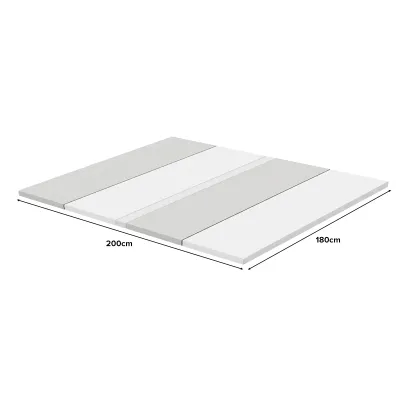
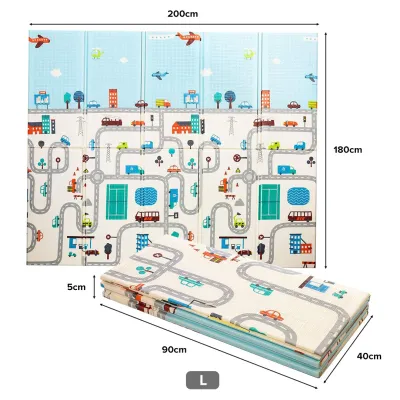
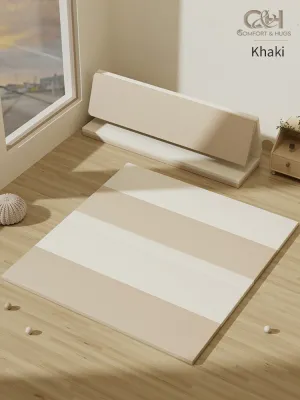
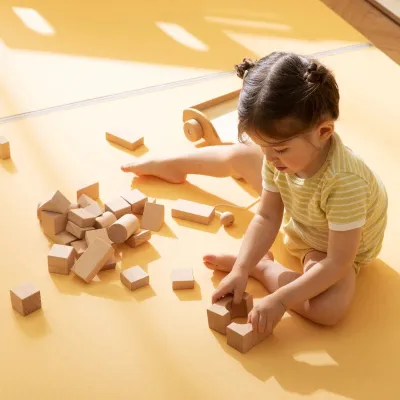
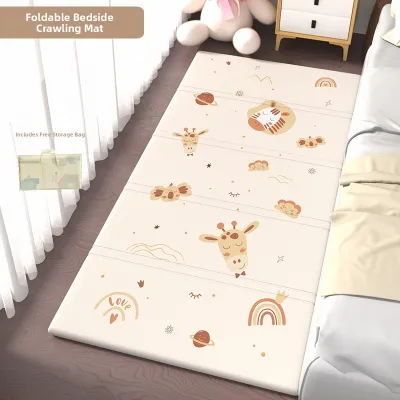
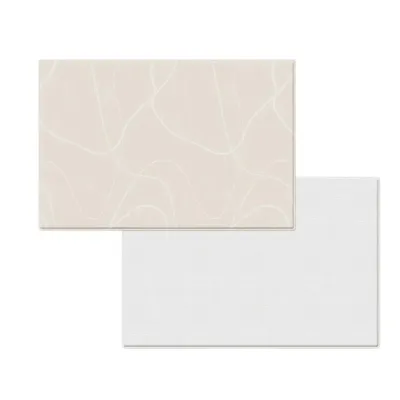
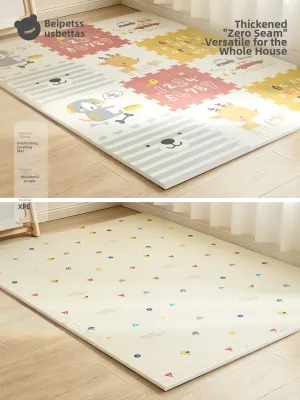
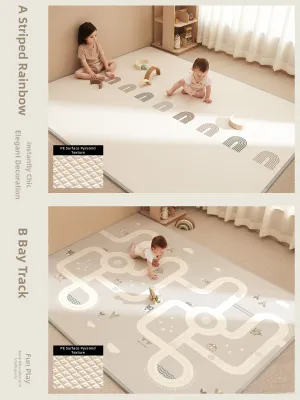
Prices are valid at publication and may change. Please refer to the product page for the latest price.
Portability and Storage The folding mechanism of a travel mat directly impacts how easy it is to transport. Accordion folding (or Z-folding) designs are highly popular because they collapse into neat, structured rectangular blocks in seconds, fitting easily into car boots, under stroller chassis, or inside large tote bags. In contrast, roll-up styles, while quick to deploy, often remain long and awkward to carry on public transport like buses or the MRT. Look for brands that include dedicated travel bags with shoulder straps or integrated carry handles, which free up your hands to manage your baby and diaper bag. The overall weight is equally critical; a travel mat should ideally weigh under 1.5 kilograms to ensure it does not become a physical burden during long walks.
Material and Cleaning Outdoor environments present diverse challenges, from damp grass and sandy beaches to dusty pavilion floors. Waterproof surfaces, typically made from Thermoplastic Polyurethane (TPU) or Cross-linked Polyethylene (XPE), are exceptionally practical because they can be wiped clean instantly with a baby wipe or damp cloth. On the other hand, fabric or quilted cotton tops offer a softer, more breathable surface that feels gentle against a baby’s sensitive skin, making them excellent for indoor playdates or air-conditioned environments. However, fabric mats require machine washing and can absorb moisture from damp ground if they lack a high-quality water-resistant backing.
Thickness and Cushioning Cushioning is vital for protecting your baby’s head, knees, and wrists during developmental milestones like sitting up, crawling, or rolling over. For outdoor use on hard concrete, tiled pavilion floors, or wooden decking, a thickness of at least 1 cm to 1.5 cm is recommended to absorb impacts effectively. However, thicker mats naturally take up more space when folded. If you primarily travel by public transit or have limited storage space, you may need to compromise with a thinner 0.5 cm mat, which still provides a clean barrier but offers less impact protection.
Unfolded Dimensions The mat must offer sufficient space for your baby to move naturally without constantly rolling off onto the bare ground. For infants practicing tummy time, a compact square mat (around 100 cm by 100 cm) is usually sufficient and highly portable. For older, more active babies who are crawling or scooting, look for rectangular dimensions of at least 140 cm by 100 cm. Ensure the unfolded size fits comfortably within your typical outing spots, such as standard park picnic layouts or the floor space of a relative’s living room, without blocking walkways.
Top Portable Playmat Brand Categories for Travel and Outings
The Singapore market offers a wide variety of brands catering to different lifestyles, budgets, and travel habits. Rather than focusing on a single brand, it is helpful to categorize your options by material construction and design, as these factors directly dictate how well a mat performs in specific environments. Matching your typical outing scenarios—such as beach days, park visits, or indoor hotel stays—with the right category ensures you get the best value and utility.

Premium TPU and Eco-Friendly Brands
Premium brands in this category focus on high-durability, non-toxic materials like Thermoplastic Polyurethane (TPU). These mats are designed to offer the luxurious feel and superior shock absorption of a permanent indoor mat but in a lighter, travel-friendly format. They often feature seamless, heat-sealed edges that prevent liquid or dirt from seeping into the foam core, making them highly hygienic and exceptionally easy to clean.
These premium mats are ideal for families who spend significant time outdoors, such as frequent weekend picnics at West Coast Park or beach days at Sentosa. The robust TPU construction resists punctures from small twigs or pebbles and provides an excellent thermal barrier against hot outdoor ground.
When shopping within this category, parents should carefully inspect the product label or manufacturer specifications. Verify claims regarding phthalate-free, BPA-free, and lead-free formulations. Look for recognized third-party test reports, such as SGS certifications, which confirm the material is safe for direct skin contact and free from harmful chemical off-gassing. Additionally, check if the material features UV-resistant properties, as prolonged exposure to Singapore’s intense tropical sun can cause cheaper plastics to degrade, discolor, or become sticky over time. Expect these premium options to sit in a higher price bracket, typically ranging from S$80 to S$180.
Lightweight PE Foam and Foldable Brands
Brands specializing in Polyethylene (PE) or Cross-linked Polyethylene (XPE) foam prioritize ultra-lightweight designs and rapid deployment. These mats almost exclusively utilize an accordion-style folding mechanism, allowing them to collapse into a compact, structured block in seconds. Because PE foam is incredibly light, even larger mats in this category often weigh under one kilogram, making them effortless to carry.
This category is highly suited for parents who rely heavily on public transport, frequently travel by air, or regularly visit relatives across the island. The structured fold allows these mats to slide easily into stroller storage baskets, sit flat in car boots, or fit into overhead cabin luggage during regional family trips.
Despite their convenience, lightweight foam mats have distinct trade-offs. The cushioning, while decent, is generally firmer and less plush than TPU. Furthermore, the accordion creases that allow the mat to fold can act as traps for dust, sand, crumbs, and moisture. If you do not clean these creases thoroughly after an outing, dirt can build up, leading to hygiene issues. Parents should also verify that the outer film of the PE mat is sufficiently durable, as sharp objects or pet claws can puncture the thin protective layer relatively easily compared to heavy-duty TPU. These mats are generally highly affordable, typically priced between S$30 and S$70.
Padded Fabric and Quilted Travel Mats
For parents who prioritize a soft, cozy texture that mimics home bedding, padded fabric and quilted travel mats are an excellent choice. These brands typically feature a soft cotton, bamboo, or plush polyester top layer that feels comfortable against a baby’s bare skin, paired with a thin polyester fiber filling for light cushioning. The bottom layer is often constructed from a water-resistant polyester or canvas material to block dampness from the ground.
These mats are perfect for indoor environments, such as playdates at a friend’s condominium function room, hotel stays, or clean, shaded grass areas in the park. Because they are fabric-based, they can be folded or rolled up tightly like a small blanket, often coming with integrated straps or a matching drawstring bag.
The primary advantage of fabric mats is that they are fully machine-washable, allowing you to easily wash away sweat, spit-up, and outdoor dirt. However, they require careful maintenance in Singapore’s humid climate. Unlike waterproof foam mats that can be wiped dry instantly, fabric mats must be thoroughly washed and completely air-dried or tumble-dried after getting wet. If folded and stored while even slightly damp, they can quickly develop unpleasant musty odors, mold, or mildew, which can irritate a baby’s respiratory system or sensitive skin.
Where to Shop and What to Verify Before Buying
Navigating the baby gear market in Singapore requires a careful eye for authenticity and safety. Because your baby will have direct skin contact with the playmat, ensuring the product is free from hazardous chemicals and manufacturing defects is paramount. Knowing where to shop and what to verify before making a purchase will protect your investment and your child’s health.
Recommended Retail Channels To ensure you are purchasing authentic, high-quality products that meet strict safety guidelines, buy directly from reputable sources. Specialty baby boutiques, physical mother-and-baby department stores in Singapore, and official brand websites are the safest options. If shopping online, prioritize authorized flagship stores on major local ecommerce platforms. Purchasing from authorized distributors ensures you receive genuine products and have access to reliable customer service or warranty coverage in case of manufacturing defects.
Verification Checklist Before finalizing your purchase, perform a thorough safety and quality check.
- Safety Standards: Look for labels indicating compliance with international safety standards, such as EN71 (European Standard for Toy Safety), ASTM F963 (Standard Consumer Safety Specification for Toy Safety), or CPSIA (Consumer Product Safety Improvement Act). These certifications verify that the mat has been tested for mechanical safety and is free from toxic heavy metals and phthalates.
- User Reviews: Read recent customer reviews, focusing specifically on feedback regarding long-term durability, ease of folding, and whether the mat emits a strong chemical smell (off-gassing) upon opening.
- Return and Exchange Policies: Confirm the retailer’s return policy. A reputable seller should offer a clear exchange window if the product arrives with physical defects, damaged seams, or incorrect dimensions.
Red Flags Be highly cautious of unusually low-priced playmats sold by unverified third-party sellers on online marketplaces. If a large, padded playmat is priced significantly below the market average (such as under S$15), it may be manufactured using low-grade industrial plastics, recycled foams containing hazardous chemical residues, or toxic flame retardants. These cheap alternatives often lack proper safety testing, wear out rapidly under the sun, and may pose a chemical exposure risk to your infant.
Tips for Using and Maintaining Your Playmat Outdoors
Using your playmat outdoors exposes it to elements that can rapidly degrade its materials if proper care is not taken. Singapore’s unique tropical climate—characterized by intense sunshine, high humidity, and sudden rain showers—demands a proactive approach to usage and maintenance to keep the mat hygienic and durable.
Pre-Use Checks Before laying down your travel playmat, always inspect the ground surface carefully. Scan the area for sharp objects such as twigs, dry pine needles, broken glass, small stones, or metal pull-tabs that could puncture the mat or injure your baby. In Singapore’s tropical climate, outdoor surfaces like wooden park benches, concrete pathways, or synthetic turf can absorb intense heat from the sun. Touch the ground first to ensure it is not radiating excessive heat that could damage the mat’s material or cause discomfort to your child.
Sun Protection While outdoor play is beneficial, prolonged direct sunlight can accelerate the degradation of foam and plastic playmats. High UV exposure can cause PE and TPU materials to fade, crack, lose their elasticity, or become sticky. To prolong the lifespan of your mat, set up your play area in a well-shaded spot, such as under a large tree canopy, a park pavilion, or a portable UV-blocking beach tent.
Post-Use Cleaning Establish a consistent cleaning routine immediately after every outdoor outing to maintain hygiene and prevent material degradation.
- Debris Removal: Shake the mat vigorously to remove loose sand, grass, dirt, and insects before folding it.
- Surface Wipe: Wipe down the entire surface with a soft damp cloth or baby-safe sanitizing wipes. For deeper cleans, use a mild, baby-safe soap dissolved in warm water. Avoid harsh chemical bleach, abrasive scrubbing pads, or alcohol-based sprays, as these can strip away the protective waterproof coating.
- Thorough Air-Drying: This is the most crucial step for Singapore's high-humidity environment. Never fold and pack away a damp playmat. Allow the mat to air-dry completely in a well-ventilated, shaded indoor area before placing it back in its carry bag. Trapping moisture inside a folded mat creates an ideal breeding ground for mold, mildew, and bacteria, which can ruin the mat and present health risks to your baby.
Frequently Asked Questions (FAQ)
Can I use a regular indoor playmat for outdoor travel?
While it is physically possible to lay an indoor playmat on grass, it is highly impractical and not recommended for regular travel. Standard indoor playmats, especially thick puzzle mats or large one-piece TPU mats, are heavy, bulky, and lack folding seams, making them incredibly difficult to transport on outings or pack into a car. Furthermore, indoor mats are not designed to withstand the abrasive friction of rough outdoor surfaces like concrete, gravel, or dry grass, which can easily tear the delicate outer film. Using them outdoors can void the manufacturer’s warranty and permanently damage a costly home playmat.
How do I clean a portable playmat after using it at a public park?
Cleaning your portable playmat after a park visit is straightforward and essential for public hygiene. Start by shaking off all dry debris like grass and dirt. Lay the mat flat on a clean indoor floor or balcony, and wipe down both sides thoroughly using a damp microfiber cloth and a mild, baby-safe dish soap or specialized baby toy cleaner. Pay close attention to any folding creases or textured patterns where dirt and sweat can accumulate. Once wiped, rinse away any soap residue with a clean, damp cloth. Finally, hang or prop up the mat in a well-ventilated, shaded area to air-dry completely before folding it back into its storage bag.
Community discussion
Share your experience or ask a question. Comments are reviewed before publication.