
Navigating Singapore’s vibrant outdoor spaces with a baby requires preparation, especially when finding a clean, safe surface for tummy time or play. Whether you are planning a family picnic under the shade of the trees at East Coast Park, setting up a temporary play zone at a local cafe, or visiting relatives in a high-rise apartment, a reliable portable baby playmat is an essential piece of gear. The right travel mat provides a hygienic barrier between your little one and the ground, offering comfort and peace of mind while you are out and about.
Choosing the ideal model involves balancing several practical factors, from how easily it fits into a stroller basket to how well it withstands the tropical humidity. Because local outings can range from air-conditioned shopping malls to damp grassy lawns, understanding your primary usage patterns will help you select a brand and design that fits your family’s lifestyle.
How to Choose a Portable Baby Playmat for Outdoor Use
Selecting a travel mat for use outside the home requires a different set of priorities than choosing a permanent fixture for your living room. In Singapore’s unique tropical environment, several key criteria dictate how functional and durable a portable mat will be over time. Parents must evaluate how easily a mat integrates into their daily commute, whether it can withstand sudden changes in weather, and how simple it is to sanitize after contact with public spaces.
Products mentioned in this guide
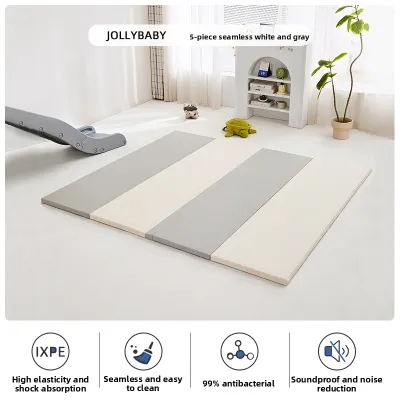
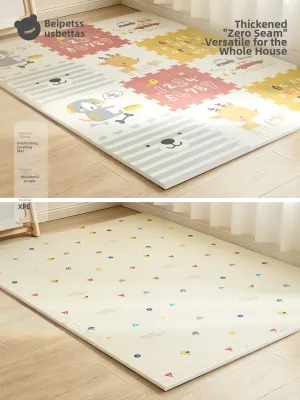
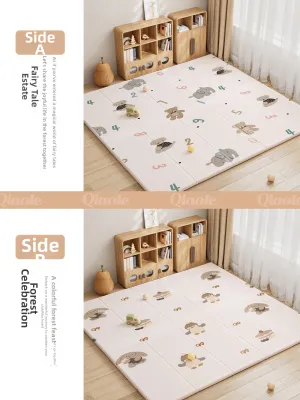
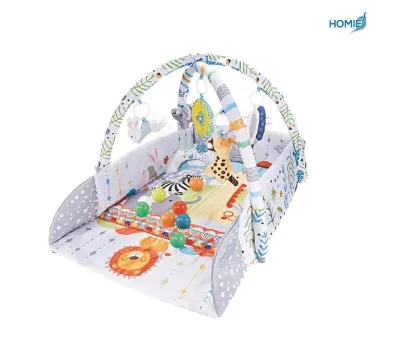
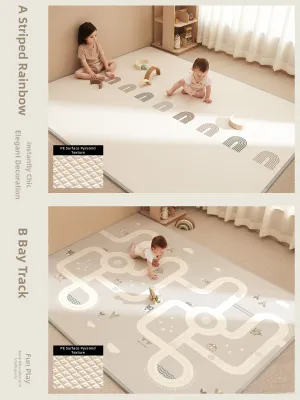
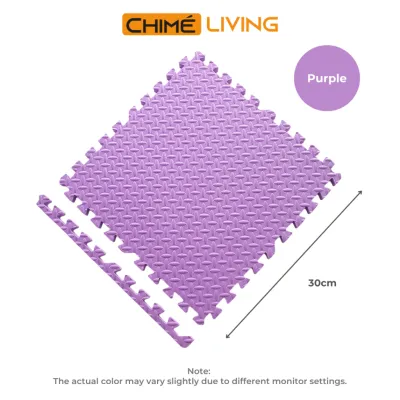
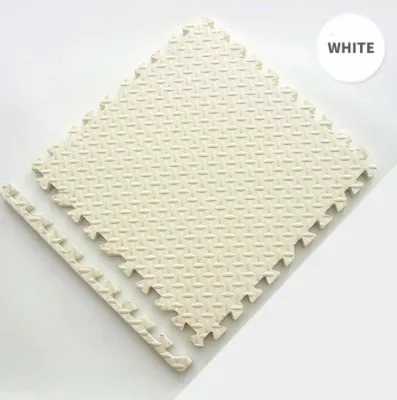
![[Buy 10 Free 2] 2.5cm Thick Interlocking Foam Floor Tiles 30x30cm EVA Foam Play Mats for Babies and Toddles Puzzle PlayMat](https://img.lazcdn.com/g/p/e22147171aa6ad99cf8021ba34aafde1.jpg_400x400q80.jpg_.webp)
Prices are valid at publication and may change. Please refer to the product page for the latest price.
Weight and Foldability When you are managing a diaper bag, a stroller, and a baby, every additional gram of gear matters. A truly portable playmat must fold down compactly enough to slide into a standard stroller basket or attach securely to a backpack. Look for designs that fold flat or roll into a tight cylinder rather than those that remain bulky. The transition from folded to unfolded should be quick and manageable with one hand, as caregivers often need to set up the play space while holding their child. However, ensure that compact folding does not compromise the overall surface area; your baby should still have ample room to roll and explore without immediately sliding off onto the bare ground. A mat that is too small will quickly frustrate an active infant, while one that is too heavy will likely be left at home.
Material and Weather Resistance Singapore’s tropical climate brings high humidity and sudden rain showers, meaning outdoor surfaces like grass, park benches, and sand are frequently damp. A standard fabric mat will quickly absorb ground moisture, leaving your baby wet and uncomfortable. To prevent this, prioritize mats featuring water-resistant or waterproof backing materials, such as treated polyester, polyurethane (PU), or thermoplastic polyurethane (TPU). These materials act as an effective barrier against rising dampness and prevent stains from spilled liquids or outdoor dirt. Additionally, a weather-resistant backing protects the inner cushioning of the mat from absorbing moisture, which is crucial for preventing long-term degradation.
Thickness and Cushioning While indoor mats often feature thick foam layers to absorb heavy impacts, portable mats must compromise on thickness to remain travel-friendly. However, some degree of shock absorption is still necessary to protect your baby from hard surfaces like concrete HDB void decks, tiled shopping mall floors, or gravel paths. Look for lightweight foam cores or padded quilted fabrics that offer a soft barrier without adding excessive bulk. If you plan to use the mat primarily on hard pavements, a slightly thicker, foldable foam model is preferable, whereas a thin, fabric-style mat is sufficient for naturally cushioned surfaces like park lawns.
Ease of Cleaning Outdoor use inevitably exposes a playmat to dirt, grass stains, food crumbs, and diaper leaks. The ease with which you can clean the mat determines how practical it is for daily use. Wipe-clean surfaces made of PU leather or TPU are highly convenient, allowing you to sanitize the mat with a simple baby wipe or damp cloth while on the move. Alternatively, if you prefer the soft texture of fabric mats, ensure they are fully machine-washable and quick to dry. Always check the manufacturer’s care label before washing to prevent shrinking or damaging the waterproof backing.
Best Portable Baby Playmat Brands for On-the-Go Families
Several reputable brands cater to the needs of active parents, offering distinct designs that suit different outings in Singapore. Evaluating these brands based on their strengths, ideal environments, and inherent limitations will guide you to the right purchase.

Skip Hop: Stylish and Compact Travel Mats
Skip Hop is well-regarded for creating aesthetically pleasing, modern baby gear that integrates seamlessly into an urban lifestyle. Their portable playmat lines are designed with the fashion-conscious parent in mind, featuring subtle patterns and contemporary colors that look at home in trendy cafes or modern apartments.
- Key Features: These mats typically feature ultra-lightweight construction and fold into compact shapes, often resembling a stylish tote bag complete with built-in carry straps and external storage pockets for keys or wipes. The surfaces are designed to be water-resistant, making quick cleanups straightforward.
- Ideal Use Cases: Skip Hop mats excel during indoor and semi-outdoor urban adventures. They are perfect for laying down on the floor of an air-conditioned shopping mall during a playdate, setting up in a local cafe, or providing a clean play area when visiting friends and family.
- Limitations: Because these mats prioritize a slim, lightweight profile for easy carrying, they generally offer less cushioning than heavy-duty foam mats. They may not provide enough shock absorption on rough concrete or tiled floors. Additionally, while water-resistant, they are not fully waterproof and may absorb moisture if left on saturated grass for extended periods.
Tiny Love: Developmental Mats with Travel Features
Tiny Love focuses on integrating early childhood development into their products, and their travel-friendly mats are no exception. These mats are designed to keep babies engaged and stimulated while away from home.
- Key Features: Often referred to as "super mats" or "mega mats," these options offer a larger surface area than standard travel mats but are engineered to fold down into a manageable size. They frequently feature built-in sensory elements, such as crinkly fabrics, textures, mirrors, and small loops for attaching favorite toys, encouraging tummy time and sensory exploration.
- Ideal Use Cases: These developmental mats are ideal for extended outdoor activities where you want your baby to remain occupied for longer periods. They are excellent for family picnics at the Singapore Botanic Gardens, afternoon gatherings at the park, or long visits to relatives' homes where a dedicated play space is needed.
- Limitations: The inclusion of sensory toys and quilted padding makes these mats bulkier and heavier when folded compared to minimalist travel mats. They will take up more space in your stroller basket. Furthermore, because they often feature soft fabric surfaces to ensure baby comfort, they require more intensive cleaning and machine washing after being used on outdoor dirt or grass.
Fisher-Price: Accessible and Easy-to-Fold Options
As a classic household name in baby gear, Fisher-Price offers practical, durable, and highly accessible solutions for parents seeking straightforward functionality without a premium price tag.
- Key Features: Fisher-Price portable mats are characterized by their simple, intuitive folding mechanisms and durable, hard-wearing materials. They are designed to withstand regular wear and tear, making them highly reliable. These mats are widely available across Singapore in local baby specialty stores and major online marketplaces.
- Ideal Use Cases: These mats are perfect as a dependable "everyday" option. They are ideal for keeping in the trunk of your car for spontaneous outings, quick trips to the neighborhood playground, or casual outdoor gatherings where you need a fuss-free barrier quickly.
- Limitations: The designs of these mats tend to be more functional and colorful rather than minimalist or modern, which may not appeal to all design preferences. Additionally, parents should carefully inspect the thickness of specific Fisher-Price models, as some budget-friendly options are quite thin and may require an extra blanket underneath if used on hard, unyielding surfaces.
Outdoor-Specific Brands: Waterproof and Sand-Resistant Designs
For families who spend a significant amount of time in rugged outdoor environments, specialty outdoor brands offer high-performance playmats designed to withstand the elements.
- Key Features: These mats are engineered with heavy-duty materials, often utilizing advanced TPU waterproof layers or specialized tightly woven fabrics that prevent sand from penetrating the surface. They are designed to repel water completely, allow dry sand to be shaken off effortlessly, and sometimes feature UV-resistant coatings to protect the material from degradation under the intense Singapore sun.
- Ideal Use Cases: These mats are the ultimate choice for beach days at Sentosa, picnics on the grassy lawns of East Coast Park, or play sessions at outdoor playgrounds shortly after a tropical rain shower. They provide a highly reliable barrier against mud, wet grass, and abrasive sand.
- Limitations: Because these mats are built for durability and weather resistance, they are often stiffer and heavier than indoor-focused travel mats. They lack the plush, soft texture of fabric mats and do not come with built-in developmental toys or mirrors. They are designed primarily as a protective barrier rather than a sensory play space.
Caring for Your Portable Playmat in a Tropical Climate
Singapore’s high humidity and warm temperatures create an environment where mold, mildew, and bacteria can thrive if baby gear is not maintained correctly. Proper care and storage are essential to extend the lifespan of your portable playmat and ensure it remains hygienic for your baby.
Preventing Mold and Mildew The most critical step in maintaining a portable playmat in a tropical climate is ensuring it is completely dry before storage. Even if the mat does not feel wet, it can trap condensation from the ground or sweat from your baby. Never fold up a damp mat and leave it in a car trunk or diaper bag for days. After every outdoor use, unfold the mat at home and allow it to air-dry completely in a well-ventilated indoor area or under indirect sunlight before packing it away.
Cleaning Routines Establish a cleaning routine based on the specific material of your mat, always prioritizing the manufacturer’s care instructions. For PU leather or TPU mats, wipe down the surface after each use with a damp cloth and mild, baby-safe soap, avoiding harsh chemical cleaners that can degrade the waterproof coating. For fabric mats, machine wash them on a gentle cycle using a mild detergent, and ensure they are thoroughly dried. If the manufacturer’s instructions conflict with general cleaning advice, always defer to the official brand guidelines to protect the product’s integrity.
Storage Tips Store your clean, dry playmat in a cool, dry place inside your home, away from direct sunlight and high-humidity areas like laundry yards. Prolonged exposure to extreme heat (such as leaving the mat in a hot car parked under the sun) or direct UV rays can cause synthetic materials to peel, crack, fade, or become sticky over time.
Safety Checks Frequently folding and unfolding a travel mat subjects its seams and fold lines to mechanical stress. Regularly inspect your mat for signs of wear and tear, such as fraying threads, peeling waterproof layers, or loose plastic components. If you notice any damage that could present a choking hazard or expose your baby to raw foam, discontinue outdoor use and consult the manufacturer or replace the mat to maintain a safe play environment.
Frequently Asked Questions (FAQ)
Can I use a regular indoor playmat for outdoor trips?
Using a standard indoor playmat, such as interlocking EVA foam puzzle mats or thick TPU living room mats, for outdoor trips is generally not recommended. Indoor mats are typically not designed to handle outdoor elements; EVA foam can easily trap dirt, grass, and sand in its textured surface, and the interlocking seams can allow ground moisture to seep through. Furthermore, large indoor mats are bulky, difficult to fold, and heavy to transport, making them impractical for travel. Utilizing a dedicated portable mat with a waterproof backing and a compact folding design ensures proper hygiene and convenience during your outings.
Are portable playmats safe for newborns on hard floors?
Portable playmats are safe for newborns as long as they are used under constant, active adult supervision and in accordance with the manufacturer’s age guidelines. However, because portable mats are designed to be lightweight and compact, they are significantly thinner than permanent indoor playmats and offer minimal shock absorption. When placing a travel mat on very hard surfaces, such as concrete, tiles, or wooden decks, the thin padding may not provide sufficient comfort for a newborn’s sensitive head and body. To ensure your baby’s comfort during tummy time, consider placing the mat on a carpeted area, or layer a thick, clean blanket underneath the playmat to provide extra cushioning.
Community discussion
Share your experience or ask a question. Comments are reviewed before publication.