
Selecting the perfect portable play mat baby can safely use during outdoor excursions in Singapore requires balancing thermal protection, moisture resistance, and lightweight packability. With the country’s high humidity, frequent tropical showers, and diverse outdoor terrains—ranging from the sandy beaches of Sentosa to the lush lawns of the Singapore Botanic Gardens—a standard indoor mat simply will not suffice. Parents must look for specialized travel mats designed to withstand damp ground while remaining easy to clean and carry.
The ideal choice depends heavily on your primary activity. For quick afternoon picnics or playdates at local parks, an ultra-lightweight, water-resistant folding mat is the most practical option. Conversely, for extended family vacations or hotel stays, a slightly thicker, shock-absorbing mat that fits neatly inside standard luggage provides a familiar and comfortable space for crawling babies. By evaluating materials, portability features, and local climate factors, you can find a safe, durable play area that fits your family’s travel lifestyle.
Key Features to Look for in an Outdoor Play Mat
An outdoor-friendly play mat baby can comfortably rest on must be engineered to handle challenging environmental conditions. When evaluating different models, three primary features dictate performance, durability, and convenience.
Products mentioned in this guide
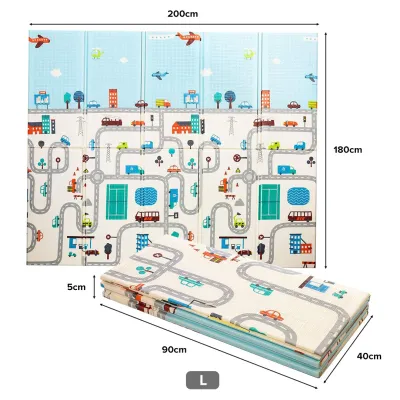
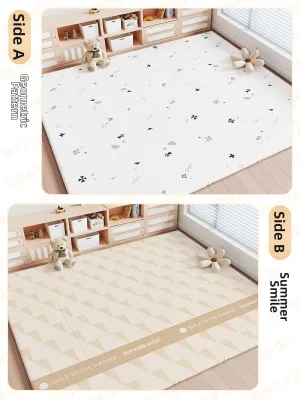
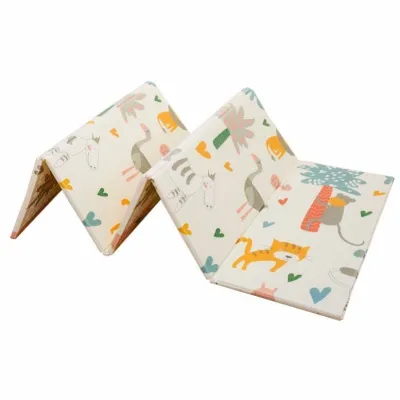
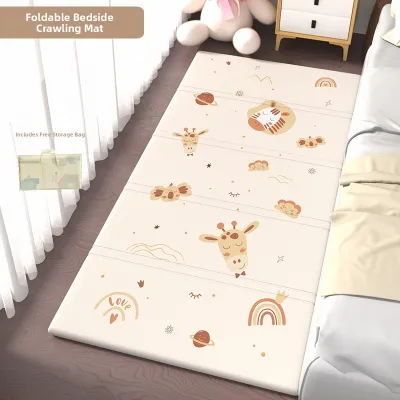
![[Smart Kiz] Korean Anti Slip Baby Mat](https://img.lazcdn.com/g/p/dbb995615208c75b3a4de04c9824831c.jpg_400x400q80.jpg_.webp)
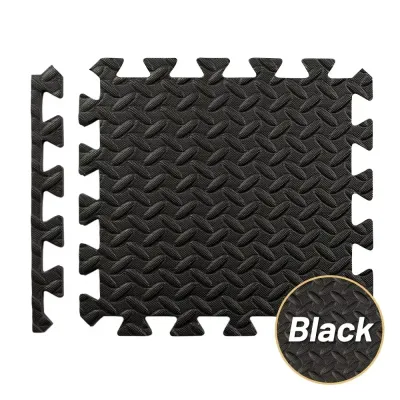
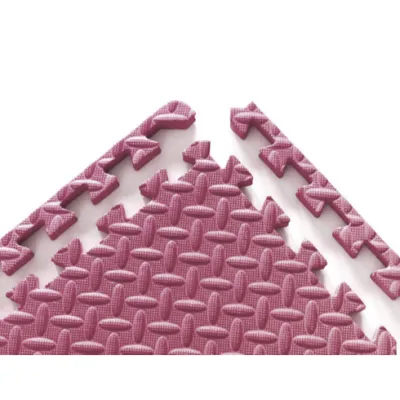
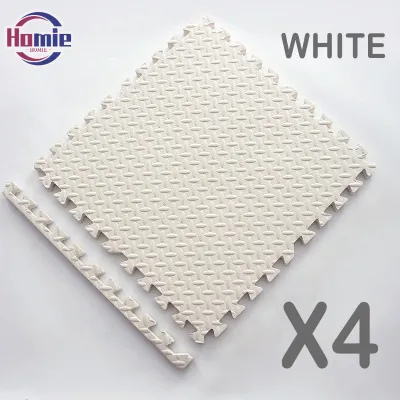
Prices are valid at publication and may change. Please refer to the product page for the latest price.
Material and Surface Performance Singapore’s tropical climate brings high humidity and damp ground, even on sunny days. To prevent moisture from seeping through to your baby’s clothes, the bottom layer of the mat must feature a robust waterproof or highly water-resistant barrier, such as polyurethane (PU) or treated polyester. The top surface should be wipeable and quick-drying, allowing you to easily clean up spilled milk, purees, or sweat. Avoid heavily textured fabrics that trap dirt, sand, or food particles, as these can become breeding grounds for bacteria in warm weather.
Portability and Folding Mechanisms A travel mat is only useful if it is easy to transport alongside strollers, diaper bags, and baby carriers. Compare folding versus rolling designs before making a purchase. Folding mats with pre-creased lines tend to pack flatter and more compactly, making them easier to slide into a car trunk or stroller basket. Look for lightweight options, ideally weighing under 1.5 kilograms, and verify if they include built-in carry handles, integrated travel straps, or a dedicated storage bag to keep the dirty underside of the mat contained after use.
Cushioning and Thermal Insulation The ground in Singapore’s parks can absorb a significant amount of heat under direct sunlight, while indoor tiled floors in air-conditioned spaces can feel surprisingly cold. A quality portable mat acts as a thermal barrier, protecting your baby from uncomfortable temperature extremes. Additionally, cushioning is vital for babies who are learning to sit, crawl, or stand. Look for medium-density foam cores that provide adequate shock absorption without adding excessive bulk or weight to your travel gear.
Matching Play Mat Types to Your Travel and Park Scenarios
Different outings call for different gear configurations. Matching your play mat baby selection to your specific travel habits ensures you do not carry unnecessary weight or struggle with a complex setup.

Quick Park Visits and Picnics
For short, spontaneous trips to the neighborhood playground or a morning stroll through East Coast Park, speed and minimal weight are your highest priorities. In these scenarios, ultra-thin, lightweight, and fast-deploying mats are highly efficient. Many of these options are designed to fold down to the size of a small clutch or pocket, allowing you to slip them into a diaper bag without a second thought.
These mats often utilize high-density, sand-resistant synthetic fabrics. A simple shake is usually enough to clear off dry sand, grass clippings, and loose soil before packing up. However, parents must accept a practical trade-off: extreme portability means minimal cushioning. Because these mats lack a thick foam core, they are best suited for older babies who have stable trunk control, or for use on soft, even grassy areas where falls are less of a concern. Always supervise younger infants closely on thin mats to prevent accidental bumps on hard ground.
Extended Family Trips and Hotel Stays
When traveling overseas or booking a weekend staycation in Singapore, your baby needs a spacious, comfortable, and familiar play area. For hotel rooms with hard tiled or thin carpeted floors, a thicker folding foam mat is highly beneficial. These mats offer superior shock absorption, giving crawling infants a safe zone to explore without the risk of bruising their knees or bumping their heads on unforgiving surfaces.
When selecting a mat for extended travel, carefully review the folded dimensions to ensure it complies with standard airline luggage allowances or fits easily into your car’s trunk. Some premium travel mats fold into neat, flat rectangles that lay flat at the bottom of a large suitcase, while others require a separate travel bag that can be checked as baby gear. Durability is another critical factor; ensure the seams and outer shells are reinforced to withstand repeated packing, unpacking, and rough handling by airport transit staff.
Safety and Comfort Checks for Singapore's Climate
The intense heat and humidity of Singapore require parents to perform specific safety and comfort checks before letting their baby play outdoors. Heat rash, sunburn, and skin irritation can occur quickly if the mat’s material is not suited to tropical weather.
Heat Absorption and Sun Placement Synthetic materials can heat up rapidly when exposed to direct sunlight. When choosing a play mat baby will use outdoors, opt for lighter colors or pastel shades, as dark blues, blacks, and deep greys absorb and retain heat. Before placing your baby on the mat, always test the surface temperature with the back of your hand. To ensure a safe play environment, position the mat entirely within shaded areas—such as under a mature tree canopy, a park gazebo, or a UV-protected beach shelter—and monitor the shifting sun throughout the day.
Moisture and Mold Prevention High humidity levels create a prime environment for mold, mildew, and bacterial growth. Before purchasing, check the manufacturer’s product specifications for breathability ratings, quick-dry claims, or certified antimicrobial treatments. Be sure to verify these claims through official product documentation rather than relying solely on retail descriptions. A mat that traps sweat or environmental moisture against your baby’s skin can cause discomfort and skin irritation, so breathable top layers are highly recommended.
Slip Resistance and Stability Whether you are laying the mat on a slightly sloped grassy hill at the Singapore Botanic Gardens or on smooth marble tiles in a hotel lobby, stability is crucial. A mat that slides easily can cause a baby to lose their balance or slip during physical play. Inspect the bottom layer of the mat for non-slip features, such as rubberized grip patterns, textured silicone dots, or high-friction materials that anchor the mat securely to the ground.
Cleaning and Maintenance After Outdoor Use
Proper maintenance is essential to keep your portable play mat hygienic, safe, and free from mold. Outdoor use exposes the mat to dirt, insects, bird droppings, and damp soil, requiring immediate and careful cleaning after every outing.
Debris Removal and Pre-Cleaning Before folding the mat and putting it into your vehicle or home, perform a thorough pre-cleaning step. Shake the mat vigorously to remove loose sand, dry grass, and dirt. Use a soft-bristled brush or a dry microfiber cloth to sweep out any debris trapped in the folding creases or seams. If the mat has been exposed to damp soil, wipe the bottom layer down with a damp cloth to prevent mud from transferring to the clean top surface when folded.
Washing Guidelines and Care Labels To preserve the integrity of the mat’s materials, always consult the manufacturer’s care label and instructions before applying any cleaning agents. Some mats feature specialized waterproof coatings or delicate foam cores that can be permanently damaged by machine washing, hot water, or harsh chemical detergents. If the mat is wipe-clean only, use a mild, baby-safe dish soap diluted in warm water, and wipe down the surfaces with a soft sponge. Avoid abrasive scrubbers that can tear the protective outer layer.
Drying and Storage Practices Never store a damp or humid play mat in its carry bag, as mold and mildew can develop within 24 to 48 hours in Singapore’s climate. After cleaning, hang the mat to dry completely in a well-ventilated, shaded area. Avoid direct sunlight during the drying process unless specified by the manufacturer, as prolonged UV exposure can degrade foam cores and fade colors. Once entirely dry, fold the mat according to the manufacturer’s guidelines and store it in a cool, dry place away from direct humidity.
Frequently Asked Questions (FAQ)
Can I use a regular indoor foam play mat outdoors?
No, standard indoor foam play mats, such as interlocking EVA puzzle tiles or thick TPU mats, are generally unsuitable for outdoor use. They typically lack the necessary water-resistant bottom layer, meaning dampness from the grass can seep through and ruin the foam. Additionally, indoor mats are bulky to transport, easily punctured by twigs or gravel, and can degrade quickly under direct sunlight.
How thick should a portable play mat be for grass?
For grassy surfaces, a portable play mat with a thickness of 5mm to 10mm offers the best balance between cushioning and portability. Thinner mats (under 3mm) are highly compact but provide very little protection against uneven ground, twigs, or pebbles. Thicker mats (above 10mm) offer excellent shock absorption but are often too bulky for easy travel. Always check the manufacturer’s specifications to verify the recommended surface use and weight limits for your specific model.
Community discussion
Share your experience or ask a question. Comments are reviewed before publication.