
Selecting the right portable baby mat for outdoor outings in Singapore requires balancing several practical factors. The local climate, characterized by high temperatures, intense humidity, and sudden downpours, demands baby gear that is not only easy to carry but also resilient against moisture and heat. Whether you are planning a morning stroll through the Singapore Botanic Gardens, a sunny afternoon on the sands of Sentosa, or a quick coffee stop at an outdoor cafe, your choice of outdoor mat directly impacts your baby’s comfort and safety.
To make an informed decision, you must evaluate how different brands design their mats for portability, cushioning, and ease of cleaning. The ideal mat acts as a protective barrier between your infant and the outdoor elements, offering a clean, comfortable space for tummy time, crawling, or resting. By understanding the specific challenges posed by the local environment and aligning your purchase with your family’s outing habits, you can find a reliable travel companion that lasts through years of outdoor play.
Why Singapore's Climate Shapes Your Outdoor Baby Mat Choice
Singapore’s tropical climate presents unique challenges for infant gear, especially items used directly on the ground. High relative humidity, which regularly exceeds 80 percent, means that ground moisture does not evaporate quickly. When you place a mat on grass, soil, or even concrete, condensation can build up rapidly underneath. If the mat is made of porous or poorly sealed materials, this moisture will seep upward, dampening the play surface and making your baby uncomfortable.
Products mentioned in this guide
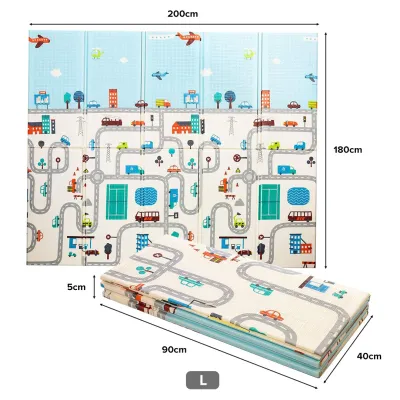
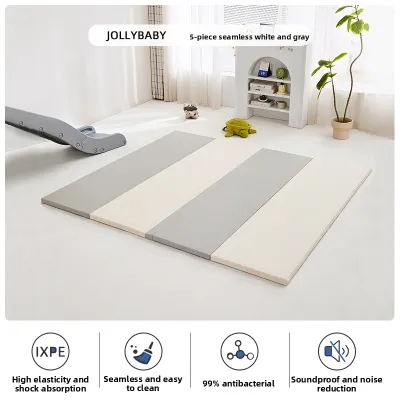
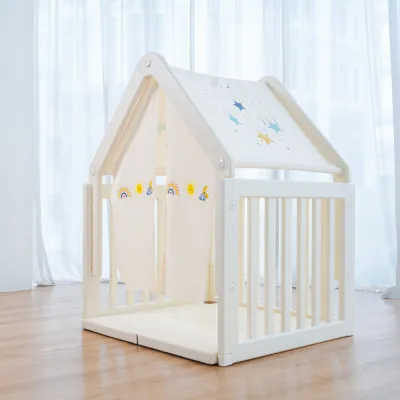
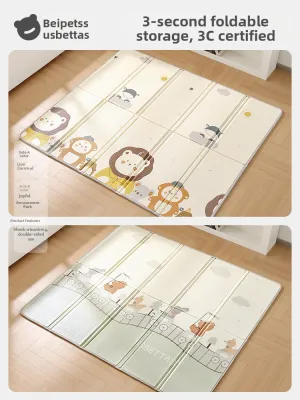
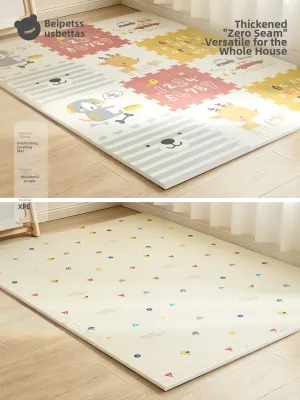
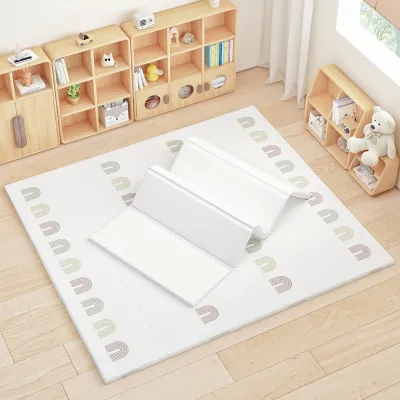
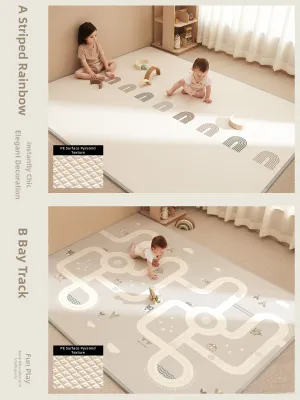
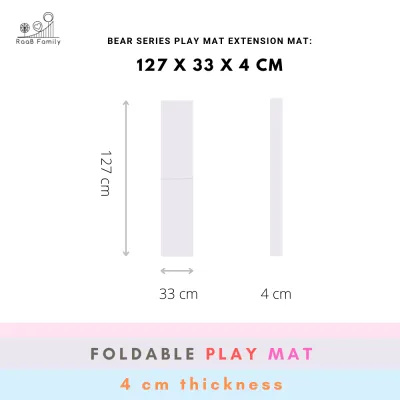
Prices are valid at publication and may change. Please refer to the product page for the latest price.
Furthermore, damp fabrics that are folded up and stored in diaper bags or warm car trunks become prime breeding grounds for mold, mildew, and bacteria. A mat that lacks proper moisture resistance can develop a musty odor and unsightly black spots within just a few days of use. This is not only a cosmetic issue but also a health concern for infants with sensitive respiratory systems or skin conditions like eczema.
Intense UV exposure and high ambient temperatures also affect material performance. Dark fabrics and dense, unsealed synthetic materials tend to absorb and retain heat, making the surface too hot for a baby’s delicate skin. On sunny days, a non-breathable mat can trap body heat, leading to rapid overheating and painful heat rash.
Therefore, successful outdoor outings require mats featuring water-resistant, quick-drying, and easy-to-wipe surfaces. Choosing materials that resist moisture absorption and allow for rapid evaporation ensures the play area remains dry, hygienic, and cool, even during the humid afternoon hours.
Essential Features to Evaluate Before Buying
When comparing different portable baby mats, focusing on a few core performance pillars will help you cut through marketing claims and find a truly functional product.

Portability and Packability
The ease with which you can transport a mat is paramount, especially if you frequently navigate public transport. Foldable mats, often designed with pre-creased panels that fold accordion-style, tend to pack down into flat, neat rectangles. These are highly convenient because they slide easily into stroller under-baskets or carry bags. Rollable mats, while offering a seamless surface without creases, can be bulkier and more awkward to carry on crowded MRT trains or buses. Look for integrated carrying handles, adjustable shoulder straps, and lightweight construction; a dedicated outdoor mat should ideally weigh less than 1.5 kilograms to avoid adding unnecessary strain to your travel setup.
Comfort and Support
An outdoor mat must provide sufficient cushioning to protect your baby from hard, uneven surfaces. Whether you are setting up on a paved patio, a root-filled lawn, or a pebbled beach, the mat should absorb shocks as your baby practices lifting their head, rolling, or sitting up. A thickness of 1 to 1.5 centimeters of high-density foam generally offers an excellent balance between comfort and packed volume. While thicker mats provide superior cushioning, they are significantly bulkier to transport, representing a clear trade-off that you must weigh based on your primary mode of transport.
Durability and Maintenance
Outdoor environments are inherently harsh on baby gear. Sharp twigs, dry grass, sand, and small stones can easily puncture or tear flimsy fabrics. The bottom layer of your chosen mat must feature a high-denier, puncture-resistant material that can withstand rough ground. Simultaneously, the top layer must handle inevitable spills, spit-up, sunscreen smudges, and dropped food. Wipe-clean surfaces allow you to manage minor messes immediately with a baby wipe, while machine-washable covers or fully washable mats ensure you can thoroughly sanitize the gear after a long day outdoors.
Safety and Compliance
Because manufacturing processes and chemical formulations can vary, you should never rely solely on online product descriptions for safety assurances. It is essential to physically inspect the product packaging and labels for certified non-toxic credentials. Look for clear indicators that the mat is free from harmful chemicals, including bisphenol A (BPA), phthalates, lead, and formaldehyde. Certifications such as OEKO-TEX Standard 100 for textile components or compliance with international toy safety standards like EN71 or ASTM F963 provide peace of mind. Always verify these details on the physical packaging of the specific batch you purchase to ensure your baby is playing on a non-toxic, chemically safe surface.
Brand Design Philosophies to Match Your Outing Style
Maternal and infant brands approach outdoor mat design with distinct philosophies, catering to different lifestyle needs. Rather than searching for a single “best” overall brand, consider how your family spends time outdoors and match your routine to the design philosophy that best supports it. You can explore these options at official brand stores or established local baby gear retailers in Singapore to examine the materials firsthand.
Brands Prioritizing Ultra-Compact Travel and Folding
For parents who value agility and travel light, brands that prioritize ultra-compact folding and minimal weight are highly suitable. These manufacturers design multi-panel mats that fold down into incredibly compact shapes, often resembling a small tote bag or a slim briefcase. Many of these models feature built-in carrying handles or shoulder straps, eliminating the need for an extra storage bag.
These mats are ideal for quick park stops, spontaneous outdoor dining, or rapid diaper changes on the go. They fit effortlessly into the smallest stroller baskets or can be slung over your shoulder while you carry your baby. While they may offer slightly less cushioning than their bulkier counterparts, their convenience makes them a favorite for parents who frequently use public transport to explore the city.
Brands Focused on Premium Cushioning and Ergonomics
If your outings consist of long, planned afternoons at the park or beach where your baby will spend hours crawling and playing, brands focusing on premium cushioning are a better match. These brands typically utilize high-density, multi-layered foams that offer exceptional shock absorption and thermal insulation.
The primary benefit of this design philosophy is maximum comfort; your baby can tumble and play on hard ground without discomfort. However, this superior support comes at the cost of portability. These mats are larger and heavier when packed, making them more challenging to carry over long distances on foot. They are best suited for families who travel primarily by car or taxi and can transport the mat directly from the trunk to their picnic spot.
Brands Offering Multi-Functional Play and Shade Integration
For families who spend extended periods in open, unshaded environments like beaches or wide-open fields, brands that offer integrated play structures or UV shades are highly beneficial. These designs often combine a comfortable, water-resistant base mat with a pop-up canopy, mosquito netting, or detachable toy bars.
This holistic approach provides a self-contained micro-environment that protects your baby from direct sunlight, wind, and insects while keeping them entertained. While these systems require a bit more effort to assemble and fold back down, the comprehensive protection they offer makes them invaluable for long beach days at Sentosa or breezy afternoons at Marina Barrage.
Material Comparison for Outdoor Durability and Comfort
Choosing the right material is key to ensuring your portable baby mat performs well under local outdoor conditions. Different materials offer distinct advantages in terms of weight, water resistance, and heat management.
The table below compares common materials used in portable baby mats to help you identify the best option for your specific outdoor activities.
| Material Type | Weight/Portability | Water & Stain Resistance | Heat Retention | Best Outdoor Use Case |
|---|---|---|---|---|
| XPE Foam | Very lightweight; folds easily but can be slightly bulky. | Excellent waterproof properties; easily wiped clean. | Low; stays relatively cool on warm days. | Grass parks, concrete plazas, and general outdoor play. |
| EVA Foam | Moderate weight; often comes as interlocking tiles or roll-mats. | High water resistance; simple to wipe down. | Moderate; can warm up under direct sunlight. | Paved patios, backyard play, and semi-permanent setups. |
| Water-resistant Oxford Cloth | Extremely lightweight; packs down very flat. | Good water resistance; machine washable but stains can set if not treated. | Low; breathable fabric prevents heat buildup. | Sandy beaches, quick picnics, and travel diaper changes. |
| Organic Cotton with TPU Backing | Moderate weight; folds compactly like a blanket. | Top layer absorbs moisture; bottom TPU layer blocks ground dampness. | Low to moderate; soft and breathable top layer. | Shaded park outings, gentle tummy time, and indoor-outdoor hybrid use. |
When selecting a material, consider the ground surfaces you visit most frequently. For instance, while organic cotton offers a wonderfully soft surface for young infants, a fully waterproof XPE foam mat is far more practical if you regularly set up on damp grass or sandy shores.
Safety Boundaries and Humidity-Proof Maintenance
Using a portable baby mat outdoors requires a proactive approach to safety and ongoing maintenance to protect both your baby and your investment.
Safety Boundaries and Supervision
Your baby’s safety must always be the top priority during outdoor outings. Never leave your infant unattended on a baby mat, even for a moment. This rule is especially critical if the mat is placed near water bodies, swimming pools, or sloping terrain. Before laying the mat down, physically check the ground surface. Dark playground rubber, artificial turf, concrete, and sand can absorb extreme amounts of solar radiation under the Singapore sun, reaching temperatures that can easily burn sensitive skin. Always test the surface temperature with the back of your hand before placing the mat and your baby on it. Additionally, if the mat features detachable toys, hanging arches, or adjustable straps, inspect them regularly to ensure there are no small, loose parts that could pose a choking hazard.
Humidity-Proof Maintenance and Cleaning
To prolong the lifespan of your mat and maintain a hygienic play environment, establishing a consistent cleaning routine is essential. After every outdoor use, shake the mat thoroughly to remove loose dirt, sand, grass, and insects. Wipe down both the top and bottom surfaces with a damp cloth or a baby-safe sanitizing wipe to remove sweat, saliva, sunscreen residues, and organic matter.
The most critical step in maintaining a mat in Singapore’s humid environment is proper drying. Never fold a damp or freshly wiped mat and leave it sealed in a carrying bag or diaper bag. This traps moisture, making mold and mildew growth almost inevitable. Instead, always allow the mat to air-dry completely in a well-ventilated, shaded indoor area before folding it for storage.
Proper Storage Practices
When the mat is not in use, store it in a cool, dry place away from direct sunlight. Avoid leaving your portable mat inside a hot car trunk or on a sunny balcony for extended periods. Continuous exposure to high temperatures and intense UV rays will accelerate the degradation of foam materials, cause protective plastic coatings to crack or become sticky, and fade fabric colors rapidly. Proper storage ensures the materials remain structurally sound and safe for your baby’s next adventure.
Frequently Asked Questions (FAQ)
Can I use a standard indoor play mat for outdoor picnics?
While it is physically possible to bring an indoor play mat outside, it is generally not recommended for regular outdoor use. Standard indoor mats, particularly those made of soft memory foam or fabric without a waterproof backing, are not designed to withstand rough outdoor terrain. They can easily be punctured by twigs or stones, and they readily absorb ground moisture, dirt, and grass stains that are difficult to remove. Additionally, indoor mats are typically bulkier and lack the compact folding mechanisms and carrying straps that make dedicated outdoor mats portable. If you must use an indoor mat outside temporarily, place a durable, waterproof tarp underneath it to protect it from moisture and physical damage, and clean it thoroughly immediately afterward.
How do I prevent a lightweight outdoor mat from blowing away?
Lightweight travel mats are highly portable, but they can easily be lifted or folded over by sudden gusts of wind. To secure your mat safely, look for models designed with built-in corner loops that allow you to secure them to the ground using safe, rounded plastic pegs, ensuring these pegs are pushed flush with the ground and kept out of your baby’s reach. Alternatively, you can weigh down the corners of the mat using your heavy diaper bag, water bottles, or stroller frame. Some high-quality mats are designed with weighted corners or feature a high-grip, non-slip backing that clings better to grass and sand, providing natural stability without the need for extra accessories.
Community discussion
Share your experience or ask a question. Comments are reviewed before publication.