
Planning a family day out in Singapore offers a wonderful opportunity for your baby to experience the sights, sounds, and textures of the outdoors. Whether you are heading to the lush lawns of the Singapore Botanic Gardens, the breezy seaside spots at East Coast Park, or the open green expanses of Marina Barrage, having a dedicated floor mat baby product is essential. A high-quality portable mat provides a clean, comfortable, and secure environment for your little one to practice tummy time, crawl, and play safely.
However, not all play mats are built to withstand the unique challenges of outdoor environments. Using a standard household blanket or a basic beach towel often falls short because these materials lack a proper moisture barrier, slide easily on grass, and do not provide adequate cushioning against hard, uneven ground. To ensure your baby remains comfortable and protected, you need a portable mat specifically designed for outdoor use that can handle the local climate.
Selecting the right outdoor mat involves balancing several critical factors, including moisture resistance, heat insulation, shock absorption, and ease of transport. Since your baby’s skin is highly sensitive and their immune system is still developing, the mat serves as a vital protective barrier against dampness, soil-borne bacteria, and insects. Investing in a dedicated outdoor mat ensures that your family outings remain enjoyable, hygienic, and stress-free.
Products mentioned in this guide
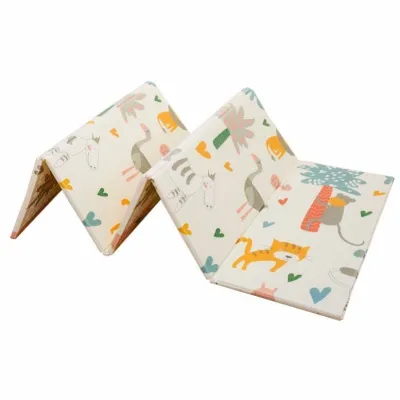
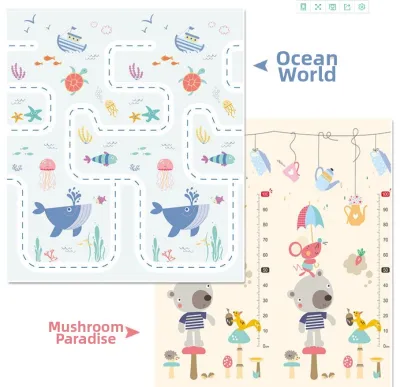
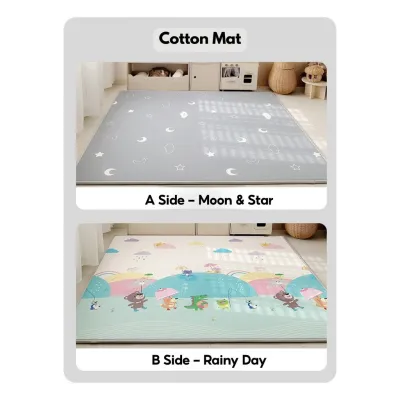
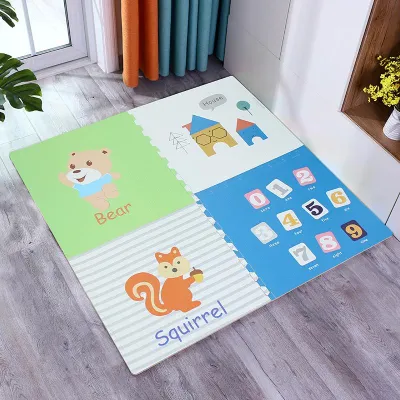
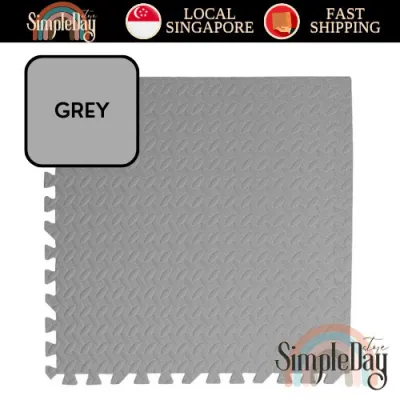
![🇸🇬 [READY STOCK]Thickness 2.5CM Baby Playmat 30*30CM Puzzle Mat Play Mat Soundproof Household Sponge Floor Mat](https://img.lazcdn.com/g/p/3bb0c990781ac68695dee58a5ff23253.png_400x400q80.png_.webp)
Prices are valid at publication and may change. Please refer to the product page for the latest price.
Why Singapore's Climate Demands a Specific Outdoor Floor Mat Baby Solution
Singapore’s tropical climate presents distinct environmental challenges that directly impact how outdoor baby gear performs. The most prominent factor is the exceptionally high humidity, which averages around 84% year-round and can spike even higher after rain. This constant moisture in the air means that any fabric or material that absorbs dampness will stay wet for a long time, creating a breeding ground for mold, mildew, and bacteria if not dried promptly.
In addition to humidity, Singapore is known for its sudden, intense tropical downpours. Even on a seemingly clear afternoon, a passing shower can quickly drench the ground. Because of this, park lawns and public green spaces retain a significant amount of moisture deep within the soil and grass long after the rain has stopped. A mat without a specialized waterproof backing will allow this ground moisture to seep through, quickly wetting your baby’s clothes and causing discomfort.
Another critical climate factor is the intense tropical sun, which can heat up outdoor surfaces rapidly. Unshaded grass, sand, and concrete pavilions can reach high temperatures that are unsafe for a baby’s delicate skin. A suitable outdoor mat must be constructed from materials that do not absorb and retain excessive heat, ensuring the surface remains cool and comfortable to the touch even during warm midday hours. High UV exposure can also degrade low-quality plastics, causing them to become sticky or emit unpleasant chemical odors.
Furthermore, public parks are shared spaces frequented by wildlife, domestic pets, and numerous visitors. The ground can contain hidden hazards such as sharp twigs, small stones, biting insects like ants or sandflies, and chemical residues from park maintenance fertilizers. A robust, high-quality outdoor mat acts as a physical shield, keeping your baby elevated and protected from direct contact with these elements while they explore their surroundings.
Many of Singapore’s most popular parks are located along the coast, where the ground is a mixture of sand, grass, and coastal soil. This type of terrain often holds higher salt content and moisture, which can accelerate the degradation of materials that are not specifically rated for outdoor use. A specialized mat protects your baby from these harsh ground elements while preserving the lifespan of the product itself.
Providing a designated, clean space also supports your baby’s motor development during outdoor excursions. When babies have a comfortable and stable surface, they are more encouraged to practice rolling, crawling, and sitting up. The physical feedback from a firm yet cushioned mat helps them build core strength and spatial awareness, turning a simple park visit into an active, developmental play session.
Having the peace of mind that your baby is playing on a safe, insulated surface allows you to relax and enjoy the outing. Instead of constantly checking if your baby’s clothes are getting damp or if they are sitting on a sharp twig, you can focus on bonding and capturing memories. A reliable outdoor mat changes the dynamic of your family picnics from a stressful monitoring task to a relaxed outdoor experience.
Top Types of Portable Baby Floor Mats for Outdoor Adventures
When searching for the perfect portable mat, it is helpful to categorize your options by material and design rather than focusing on specific brand names. Different materials offer unique advantages and trade-offs depending on where you plan to go and how you intend to use the mat. Understanding these categories allows you to make an informed decision that matches your family’s lifestyle.

Waterproof Wipe-Clean PVC or TPU Mats
- Best for: These mats are highly recommended for damp grass, sandy coastal areas, and outdoor snack times where spills, dropped food, and sticky fingers are inevitable.
- Advantages: Polyvinyl chloride (PVC) and thermoplastic polyurethane (TPU) mats provide an absolute moisture barrier. Water, mud, and liquid spills cannot penetrate the surface, making them exceptionally easy to clean with a simple damp cloth or baby wipe. They are also highly durable, resisting tears from rough ground debris, twigs, and small stones. TPU options are particularly valued for being lightweight, flexible, and free from traditional plasticisers.
- Limitations: On the downside, PVC and TPU mats are generally heavier and bulkier than other portable options. They do not fold as compactly, often requiring a dedicated rolling strap or carrying bag, and they can retain stubborn fold creases if stored tightly packed for long periods.
- What to check: When evaluating these mats, verify the thickness to ensure there is adequate cushioning for your baby's knees and hands. Always check the official product label for non-toxic material certifications, ensuring the mat is certified free from phthalates, lead, and other harmful substances. Additionally, inspect the perimeter to ensure the edges are heat-sealed or securely bound to prevent water from entering the inner core.
Lightweight Foldable XPE Foam Mats
- Best for: This category is ideal for highly mobile parents, frequent park visits, and families who already carry multiple heavy bags and need a lightweight, quick-to-deploy solution.
- Advantages: Cross-linked polyethylene (XPE) foam is incredibly lightweight, making it effortless to carry over long distances. These mats typically feature pre-pressed crease lines that allow them to fold flat into a compact, rectangular shape in seconds. The closed-cell foam structure offers outstanding shock absorption, which is excellent for protecting crawling babies or toddlers who are still unstable on their feet, while also providing great thermal insulation from hot ground surfaces.
- Limitations: However, XPE foam is softer and more vulnerable to physical damage. Sharp gravel, dry twigs, or pet claws can scratch, puncture, or tear the foam surface. Furthermore, the folding creases can act as dirt channels over time, requiring extra attention during cleaning to remove trapped sand and debris.
- What to check: Inspect the quality of the folding joints to ensure they are reinforced and will not split after repeated folding. Look for a textured, non-slip surface pattern that helps your baby grip the mat while crawling. Always verify the manufacturer's age and weight recommendations in the product documentation to ensure the foam density is appropriate for your baby's development stage.
Padded Fabric Mats with Water-Resistant Backing
- Best for: These mats are best suited for dry, clear days, shaded park pavilions, or for older babies who prefer the soft, familiar texture of household textiles.
- Advantages: The fabric top layer—usually made of cotton or soft polyester—provides a cozy, non-sticky surface that feels comfortable against bare skin, even in warm weather. Most of these mats are designed to be machine washable, making deep cleaning straightforward. They typically roll up easily and secure with built-in ties, buckles, or carrying straps.
- Limitations: The primary drawback is that the top fabric layer is not waterproof. If a drink spills or if the baby spits up, the fabric will absorb the liquid and remain wet until washed and dried. In Singapore's humid climate, a damp fabric mat can take a long time to dry, making it susceptible to musty odors if packed away damp.
- What to check: Always confirm that the bottom backing layer is fully water-resistant (often made of polyester with a polyurethane coating or a PEVA backing) to block rising ground moisture. Carefully read the care label for specific washing and drying instructions, as some backings can melt or peel in hot dryer cycles. Lastly, check for tight, secure quilting or stitching across the mat to prevent the inner padding from shifting or clumping during washing.
Key Features to Check Before Buying an Outdoor Floor Mat Baby Option
To ensure you select a safe, durable, and practical mat for your outdoor adventures, it is important to look past generic marketing terms and focus on specific technical features. Use this checklist to guide your purchase decision.
- Thickness and Cushioning: When placing a mat on uneven park lawns, concrete pavilions, or sandy beaches, the thickness directly impacts your baby's safety and comfort. A mat that is too thin will allow pebbles, roots, and hard ground to cause discomfort to a crawling baby's knees and hands. Look for mats with a thickness of at least 1 cm to 1.5 cm to provide a reliable buffer against impacts. If your baby is in the early stages of sitting up or walking, a thicker cushioned surface helps absorb the impact of accidental falls. You can test the cushioning by pressing your thumb firmly into the mat; if you can easily feel the hard floor underneath, the mat may not provide enough support.
- Portability Design: An outdoor mat is only useful if it is easy to transport alongside your stroller, diaper bag, and baby gear. Evaluate how the mat folds or rolls up, and check if it includes integrated carrying handles, a shoulder strap, or a dedicated storage bag. Ideally, the mat should weigh less than 1.5 kg to keep your gear manageable. Before buying, measure the folded dimensions of the mat and compare them to the storage basket of your stroller or the trunk space of your car. A mat that is too bulky to transport easily will likely end up left at home.
- Material Safety and Labels: Because babies spend significant time in direct contact with the mat, material safety is paramount. Do not rely on generic marketing claims or product titles on online marketplaces. Instead, look for official manufacturer labels and product documentation that explicitly state the materials used. Verify that the mat is certified free from harmful chemicals, including bisphenol A (BPA), phthalates, lead, and formaldehyde. Look for recognized safety standards such as EN71 or ASTM certification on the packaging. If the manufacturer cannot provide clear material safety details, it is best to choose an alternative product.
- Cleaning and Maintenance Boundaries: Singapore's humid climate creates an ideal environment for mold, mildew, and bacteria to thrive on damp surfaces. After every outdoor use, it is critical to clean and dry the mat properly. Wipe down the surfaces to remove dirt, sand, and sweat, and allow the mat to air-dry completely in a well-ventilated, shaded area before storing it away. Avoid storing a damp mat in a closed bag or cupboard. If you observe any signs of material degradation, such as peeling plastic, deep tears, exposed foam, or a compromised waterproof backing, stop using the mat immediately and consult the manufacturer or replace the item to ensure your baby's safety.
Quick Comparison: Matching the Right Mat to Your Outdoor Activity
To help you decide which option fits your family’s routine, the table below summarizes the key differences between the primary types of portable outdoor mats.
| Mat Type | Best Use Case | Portability | Cleaning Method | Key Limitation |
|---|---|---|---|---|
| Waterproof PVC or TPU | Wet grass, sandy beaches, messy outdoor snack times | Moderate (heavier, usually rolls or folds into a carry bag) | Wipe clean with a damp cloth or baby wipe | Heavier and may retain fold creases |
| Foldable XPE Foam | Frequent park visits, active travel, quick setups | High (very lightweight, folds flat along pre-pressed lines) | Wipe clean; requires occasional deep crease cleaning | Prone to scratches and punctures from sharp debris |
| Padded Fabric (Water-Resistant Back) | Dry lawns, shaded pavilions, older babies | High (lightweight, rolls up with integrated straps) | Machine washable (verify care label instructions) | Top layer absorbs spills; requires longer drying time |
Frequently Asked Questions (FAQ)
Can I use a regular indoor baby play mat outdoors?
Indoor baby play mats are generally not designed to withstand outdoor conditions. They often lack a robust moisture-barrier backing, meaning dampness from park grass can seep through and ruin the inner core. Additionally, the delicate surfaces of indoor mats can easily be punctured by outdoor debris, and they may be difficult to clean thoroughly if exposed to outdoor dirt, sand, or insects. To maintain hygiene and protect your investment, it is highly recommended to dedicate a specific, outdoor-rated portable mat for your park outings and keep your primary play mat indoors.
Using an indoor mat outside also risks exposing your clean home environment to outdoor contaminants. When you bring an outdoor-soiled mat back into your living room, you may inadvertently introduce dirt, pollen, animal waste traces, and bacteria to the areas where your baby plays daily. Having a dedicated outdoor mat that is stored separately ensures that your indoor play area remains a highly hygienic space.
How do I clean a baby floor mat after using it on wet grass?
To clean your mat safely after an outdoor session, first shake off any loose grass, sand, or dirt. Wipe down the entire surface using a soft damp cloth and a mild, baby-safe detergent. Avoid using harsh chemical cleaners, bleach, or abrasive scrubbing brushes, as these can degrade the waterproof coatings and damage the materials. Allow the mat to air-dry completely in a shaded, well-ventilated space before folding and storing it. Never leave the mat in direct, intense tropical sunlight for extended periods, as high heat can cause materials like XPE foam or PVC to warp, peel, or degrade.
If your fabric-topped mat is machine washable, always wash it on a gentle cycle with cold water and a mild, baby-safe laundry detergent. Avoid using fabric softeners, which can coat the fibers and reduce the effectiveness of the water-resistant backing. Hang the mat to dry in a well-ventilated area away from direct sunlight. Ensuring the mat is entirely dry before folding it prevents the development of musty odors and prolongs the lifespan of the waterproof layers.
Community discussion
Share your experience or ask a question. Comments are reviewed before publication.