
Baby-proofing your home in Singapore is a vital milestone as your little one begins to crawl and explore. Among the various hazards at toddler height, electrical outlets are some of the most critical to secure. To keep your child safe, you need to understand that standard baby-proofing solutions sold internationally often do not fit the unique electrical infrastructure found in local homes. Finding the right plug cover requires matching the specific design of Singaporean wall sockets while prioritizing durable, non-toxic materials.
The most effective approach to outlet safety is not a one-size-fits-all solution; it depends entirely on how each socket in your home is used. For outlets hidden behind heavy furniture or rarely accessed, simple plug insert caps offer a discreet and budget-friendly barrier. For frequently used outlets, sliding faceplate covers provide seamless adult access while automatically blocking access for curious fingers. For appliances that remain plugged in constantly, such as refrigerators, televisions, or fans, full lock boxes prevent toddlers from pulling out plugs or playing with active prongs.
Why Generic Plug Covers Fail in Singapore Sockets
Many parents in Singapore mistakenly purchase baby-proofing kits from overseas online marketplaces, only to find that the included outlet protectors are completely unusable. Singapore utilizes the Type G electrical socket standard, governed by the BS 1363 specification. This system is physically and functionally distinct from the outlets used in North America, continental Europe, or other parts of Asia. Type G sockets feature three massive, rectangular pins arranged in a triangular pattern, operating at a standard voltage of 230V and a 13-amp rating.
Products mentioned in this guide
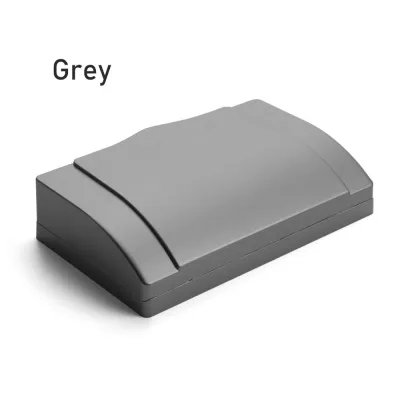
Prices are valid at publication and may change. Please refer to the product page for the latest price.
A defining characteristic of Singaporean wall sockets is the inclusion of individual, manual power switches located directly next to the plug holes. These switches allow you to cut power to a specific appliance without pulling the plug from the wall. This dual-component design means that any safety cover must not only accommodate the large, rectangular pin configuration but also account for the physical space and operation of the adjacent toggle switch.
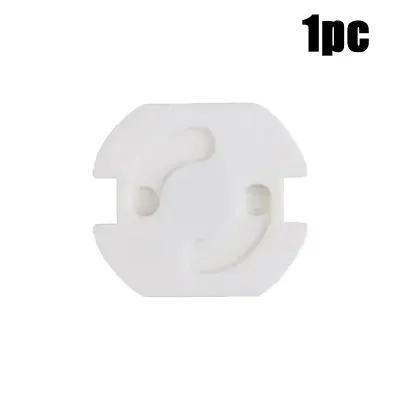
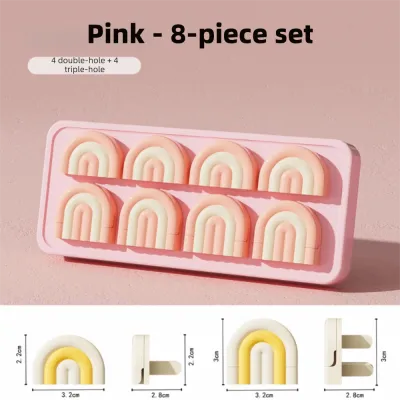
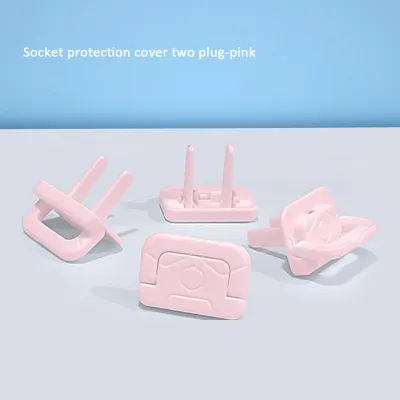
Generic or overseas plug covers—particularly those designed for US Type A or European Type C/F sockets—are physically incompatible with Type G outlets. Trying to force an incompatible cover into a Singaporean socket can damage the internal shutter mechanism of the outlet. Furthermore, even if an overseas cover claims to be universal, it often fails to cover the local socket switch. If a cover blocks the switch in the “on” position or leaves a gap due to a poor fit, it creates a serious hazard. Toddlers can easily insert small, conductive objects into the gaps, defeating the purpose of the safety device entirely. To ensure complete protection, you must select covers specifically molded and certified for BS 1363 Type G sockets.
Must-Have Safety Features for Toddler-Proof Outlet Covers
When shopping for outlet covers, it is easy to get overwhelmed by the variety of options available online and in local baby boutiques. However, not all safety products are created equal. To protect your child effectively, you must evaluate several essential safety and design features before making a purchase.

Choking Hazard Prevention: The primary risk of a poorly designed plug cover is that it can quickly transform from an electrical safety device into a severe choking hazard. If an insert cap is too easy to remove, a determined toddler can pry it out of the wall and immediately place it in their mouth. You must look for covers that sit completely flush against the wall plate, leaving no exposed edges or lips for tiny fingernails to grip. The fit should be tight enough that an adult requires a tool, a key, or a specific dual-action movement to remove it.
Release Mechanisms: Effective outlet covers employ mechanisms that exploit the cognitive and physical limitations of a young child. Look for covers with dual-action release systems, such as buttons that must be squeezed simultaneously while pulling, or designs that require you to insert a plastic key to release the grip. Some advanced sliding covers utilize spring-loaded mechanisms that require a lateral sliding motion combined with a forward push to insert a plug. These multi-step actions are simple for adults but highly challenging for toddlers who lack the necessary fine motor skills and coordination.
Material Durability: Babies and toddlers explore their world through touch and taste, meaning any low-lying outlet cover is likely to be touched, kicked, or even chewed on. You must ensure that the covers are constructed from high-quality, shatterproof, and BPA-free plastics. Avoid cheap, brittle plastics that can crack or splinter under impact, as broken shards can cause physical injury or expose the live electrical contacts behind the cover. ABS plastic and high-density polycarbonate are excellent choices due to their high impact resistance and non-toxic properties.
Heat Resistance: Because Singaporean Type G sockets are rated for 13 amps, they frequently power high-draw appliances such as air conditioners, microwave ovens, and hair dryers. These high electrical loads can generate localized heat within the socket. It is critical to choose outlet covers made from certified fire-retardant materials. Look for products that list flame-retardant specifications, which ensure the plastic will not melt, warp, or contribute to a fire hazard if the outlet experiences a thermal event. Always verify the manufacturer’s safety certifications on the product packaging before installation.
Best Outlet Cover Designs for Singapore Homes
To successfully baby-proof your Singapore home, you should tailor your choice of outlet cover to the specific function of each socket. Different rooms and appliances present unique risks, and using the same type of cover everywhere can lead to daily frustration or compromised safety.
Insert Plug Caps for Seldom-Used Sockets
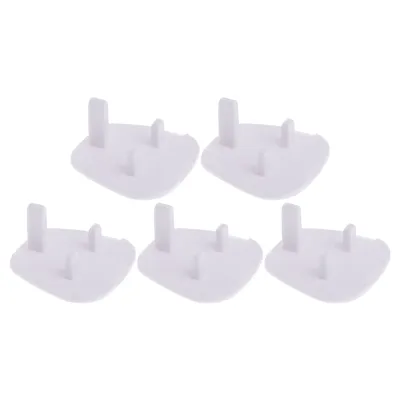
Insert plug caps are the most common and economical option for securing outlets that you rarely use. These simple devices consist of three plastic prongs that mimic a Type G plug, sliding directly into the live, neutral, and earth holes of the socket to block access completely. They are particularly useful for outlets located in guest rooms, corridors, or those permanently hidden behind heavy wardrobes, sofas, or sideboards where regular access is not required.
The primary benefit of insert caps is their low profile and discreet appearance. Once pushed into place, they blend seamlessly with the white faceplate of standard Singaporean sockets, making them less attractive to curious eyes. They are also incredibly cost-effective, allowing you to secure an entire three-bedroom HDB flat or condominium unit on a very modest budget.
However, insert caps have distinct limitations that you must consider. Because they are individual pieces, they can easily be misplaced once removed, creating a temporary safety gap if you forget to replace them. Furthermore, their safety relies entirely on a tight friction fit. If the plastic prongs are slightly too short or thin, they will not match the local earth pin length perfectly, leaving a small gap. A determined toddler can use toys or fingernails to pry a loose cap out of the wall. When purchasing insert caps, always verify that they are designed specifically for the deep, rectangular slots of BS 1363 sockets.
Sliding Faceplate Covers for Active Sockets
For outlets that you use on a daily basis—such as those in the kitchen, living room entertainment area, or next to your bed—insert caps are highly impractical. Constantly removing and replacing plastic caps quickly becomes tedious, leading to the temptation to leave sockets unprotected. In these high-traffic areas, sliding faceplate covers offer the perfect balance of convenience and safety.
These covers feature a spring-loaded sliding mechanism integrated into a replacement faceplate or an overlay that attaches securely over your existing outlet. To use the socket, you insert the prongs of your appliance plug into the cover’s slots, slide the plug sideways to align with the actual socket holes, and push it in. When you unplug the appliance, the spring-loaded mechanism instantly snaps the cover back into the closed position, blocking the live terminals immediately.
The main advantage of sliding covers is that they eliminate loose parts entirely, ensuring your outlets are never left accidentally exposed. They provide seamless, one-handed access for adults while remaining highly resistant to toddler tampering, as babies cannot coordinate the sliding and pushing motions simultaneously. The trade-off is that they require a bit more effort to install, often involving unscrewing the existing faceplate. You must verify that the dimensions of the sliding cover match standard Singaporean single or double socket plates before purchasing.
Full Lock Boxes for Permanently Plugged Appliances
Many electrical hazards in the home do not come from empty sockets, but rather from appliances that remain plugged in continuously. Items like refrigerators, televisions, air purifiers, and washing machines require constant power. A curious toddler can easily pull these plugs out of the wall, exposing the live, partially inserted metal prongs, or they might play with the cord and pull a heavy appliance down onto themselves.
Full lock boxes, also known as socket safety enclosures, are designed specifically for these scenarios. These plastic boxes completely enclose both the wall socket and the inserted plugs, creating a secure dome over the entire outlet. The appliance cords feed out through a small, protected channel at the bottom of the box, which is too narrow for tiny hands to reach through.
These enclosures can be mounted using either heavy-duty adhesive backing or by screwing them directly into the wall plate screws. For Singapore homes, adhesive mounting is highly popular as it avoids drilling into concrete walls, but you must ensure the adhesive is rated for high humidity to prevent it from peeling off over time. When selecting a lock box, it is vital to choose a model with adequate ventilation slots so it does not trap excessive heat generated by high-draw appliances. Additionally, ensure the interior dimensions of the box are spacious enough to accommodate the bulky, right-angled plugs common to Singaporean Type G cords without bending or damaging the wire.
How to Install and Maintain Your Plug Covers Safely
Proper installation and regular maintenance are just as important as choosing the right safety product. Even the highest-quality plug cover can fail if it is improperly fitted or allowed to degrade over time.
Before installing any safety cover, you must perform a few basic checks. If you are installing sliding faceplate covers that require replacing the original socket plate, always switch off the electrical power at your home’s main circuit breaker (DB box) first. Use a voltage tester to verify that the socket is completely dead before touching any internal wiring. If you are using adhesive-mounted lock boxes, thoroughly clean the wall surface with rubbing alcohol to remove dust and oils, allowing the adhesive to cure fully for at least 24 hours before subjecting it to any pulling force. Always check the applied product’s label and the treated item’s manufacturer instructions before starting installation.
Once installed, you must verify that the cover does not interfere with the local power switch. The cover should allow you to turn the switch on and off easily when needed, but it must prevent your child from accidentally toggling the switch. Ensure that the cover fits tightly against the wall with absolutely no gaps; even a one-millimeter gap can provide enough leverage for a toddler to insert a flat toy or pry the cover loose.
Baby-proofing is not a set-and-forget task. You should establish a routine to inspect all outlet covers in your home at least once a month. Look closely for signs of wear and tear, such as hairline cracks in the plastic, loose-fitting prongs on insert caps, or peeling adhesive on lock boxes. In Singapore’s warm and humid climate, some plastics and adhesives can degrade faster than expected. If you notice any damage, loose fits, or structural weakness, replace the affected unit immediately. If instructions conflict, the item is unidentified, or the use is not covered, stop and consult the manufacturer or a qualified professional. Remember that safety covers are designed as deterrents to buy you time; they are never a substitute for active adult supervision.
Frequently Asked Questions (FAQ)
Can I use US or European plug covers in Singapore?
You should never use US or European plug covers in Singaporean wall outlets. Electrical systems in North America (Type A/B) and continental Europe (Type C/E/F) utilize completely different pin shapes, sizes, and spacing. Trying to use these foreign covers in a Singaporean Type G socket is physically impossible without using travel adapters. Using travel adapters for baby-proofing is highly dangerous because they add unnecessary bulk, create large gaps, and can easily be pulled out by a child, exposing live contacts. Always purchase covers specifically molded and certified for Type G (BS 1363) sockets to ensure a secure, flush fit.
Are plastic outlet covers a fire hazard?
High-quality, certified outlet covers made from fire-retardant plastics like polycarbonate or ABS are not a fire hazard when used correctly. The risk of fire arises primarily from using cheap, uncertified, or counterfeit covers purchased from untrusted online marketplaces, which may melt or ignite under high electrical loads. Additionally, using full lock boxes on high-draw appliances without proper ventilation can trap heat, potentially leading to overheating. Always check that your outlet covers are certified to meet local or international safety standards, and ensure that any enclosed boxes have adequate ventilation. If you ever notice discoloration, warping, or a burning smell near an outlet, stop use immediately, turn off the power at the DB box, and consult a licensed electrician.
Community discussion
Share your experience or ask a question. Comments are reviewed before publication.